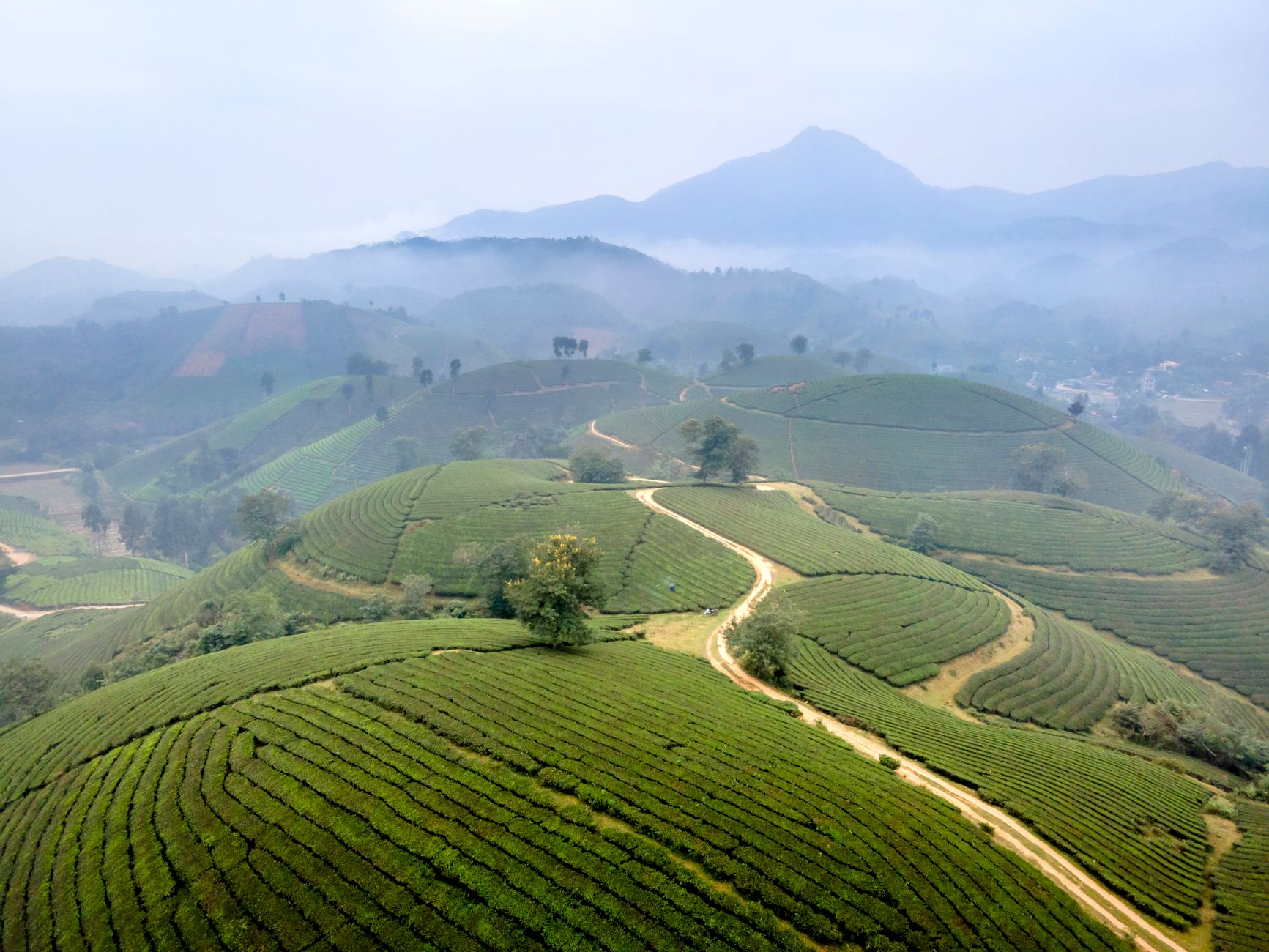
Soc Bom Bo sits in the red-earth highlands north of Saigon, a place where the S'tieng ethnic minority's traditions are still practiced and preserved rather than just displayed behind glass. If you're after something genuinely different from the southern Vietnam (베트남 / 越南 / ベトナム) circuit — no beach, no backpacker strip — this is it.
What it is
Khu Bao Ton Van Hoa S'tieng Soc Bom Bo is a cultural conservation village in Bu Dang district, in the area historically part of Binh Phuoc province in Vietnam's southeastern highlands. The site centers on the S'tieng people, one of Vietnam's 54 recognized ethnic groups, who have lived in this region for centuries.
The reserve was established to protect S'tieng traditions — communal longhouse architecture, gong music, rice wine rituals, brocade weaving — from disappearing as modernization reaches the highlands. Soc Bom Bo itself carries historical weight: during wartime, S'tieng villagers here famously kept rice-pounding rhythms going through the night to support resistance efforts. That story is part of local identity, not just a museum placard.
Today the site functions as a living village and cultural space. Residents still practice traditional crafts, and visitors can observe or participate rather than just look at exhibits.
Why travelers go
Most people visit for the intersection of ethnic culture and landscape. The S'tieng gong ensembles are the main draw — performances happen during festivals and can sometimes be arranged for groups. Brocade weaving demonstrations, traditional stilt-house architecture, and rice wine ceremonies round out the cultural side.
The setting itself matters too. Bu Dang district is hilly, forested, and quiet. The air is noticeably cooler than Saigon (사이공 / 西贡 / サイゴン), and the laterite roads winding through cashew and rubber plantations give the drive a feeling of genuine remoteness — even though you're only a few hours from the city.
This isn't a polished tourism product. That's the appeal. Expect a raw, community-run experience.
Best time to visit
November through April (dry season) is ideal. Roads in Bu Dang district are manageable year-round on the main routes, but the red-dirt side roads to the village get slippery during heavy rains from May to October.
If you can time it, visit during a local festival. The S'tieng New Year celebration (typically around March or April, not tied to Tet) features full gong performances, communal rice wine drinking from shared jars, and traditional games. The atmosphere is genuinely festive — not staged for visitors.
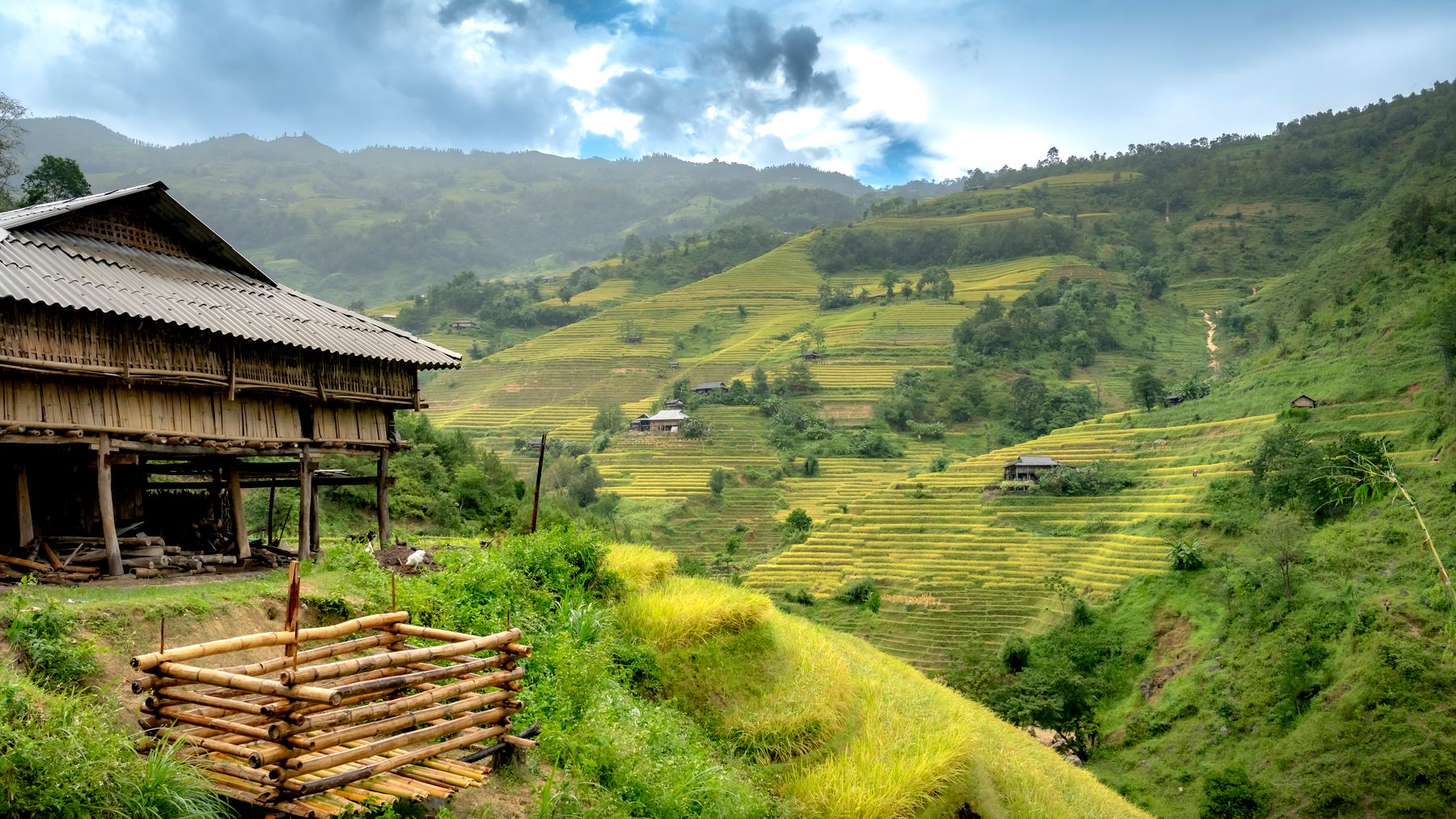
Photo by Quang Nguyen Vinh on Pexels
How to get there
The most practical hub is Dong Xoai town, the urban center of the Binh Phuoc area, roughly 40 km south of Soc Bom Bo.
From Saigon:
- Bus: Catch a bus from Mien Dong bus station to Dong Xoai. Multiple daily departures, around 3-3.5 hours, 100,000-130,000 VND. From Dong Xoai, you'll need a local xe om (motorbike taxi) or prearranged car for the remaining 40 km to Bu Dang and then Soc Bom Bo — expect 150,000-200,000 VND one way.
- Motorbike: The full ride from Saigon is about 180 km via QL13 and DT741. Budget 4-5 hours with stops. This is the best option if you want flexibility, since local transport around Bu Dang is thin.
- Private car: Hire through your hotel or a Saigon travel agency. A day-trip car with driver runs 1,500,000-2,000,000 VND round trip.
There's no direct public transport to the reserve itself. Having your own wheels — rented motorbike or hired car — makes the logistics much simpler.
What to do
Watch a gong performance
The S'tieng gong tradition is recognized as part of the Central Highlands gong culture space, which UNESCO has acknowledged as intangible heritage. Performances at Soc Bom Bo involve full ensembles of flat bronze gongs played in interlocking rhythms. During festivals these happen spontaneously; outside festival season, ask at the village cultural house about arranging a demonstration. A small contribution (200,000-500,000 VND for a group) is appropriate.
Try "ruou can" from the communal jar
"Ruou can" — rice wine sipped through long bamboo straws from a shared clay jar — is central to S'tieng social life. If you're offered a drink during a ceremony or welcome, accept. The wine is mildly sweet, lightly fermented, and lower in alcohol than you'd expect. The communal aspect is the point.
Visit a traditional stilt house
Several families in the reserve maintain traditional wooden stilt houses. The architecture is distinct from northern Vietnamese stilt houses — lower to the ground, with different roof lines and interior layouts reflecting S'tieng family structures. Residents are generally welcoming if you approach respectfully.
Watch brocade weaving
S'tieng women weave brocade textiles using backstrap looms. The patterns are geometric and specific to S'tieng culture, different from the brocade you'll see in Sapa or among other highland groups. Finished pieces — scarves, bags, small textiles — are available to buy directly from weavers. Prices are fair and non-negotiable, usually 150,000-400,000 VND depending on size.
Walk the surrounding trails
The village sits in forested hills. There are no marked hiking trails, but walking the dirt roads through cashew plantations and forest patches in the early morning is a good way to see the landscape. Ask locally about paths — villagers can point you toward viewpoints or streams.
Where to eat nearby
Don't expect restaurants at the reserve. In Bu Dang town (the nearest market town, about 10 km away), look for "com binh dan" — basic rice-and-dish meals at market stalls for 30,000-50,000 VND.
Two things worth seeking out in the broader area: grilled chicken with "muoi ot" (salt-and-chili dip), a highland staple that's better here than in the city, and "canh la bep" — a soup made from wild forest leaves that's specific to this part of the south. Neither is on any menu; you find them at family-run spots by the road or in the market.
If you're heading back toward Dong Xoai, the town has pho and "banh mi" shops along the main road for familiar options.
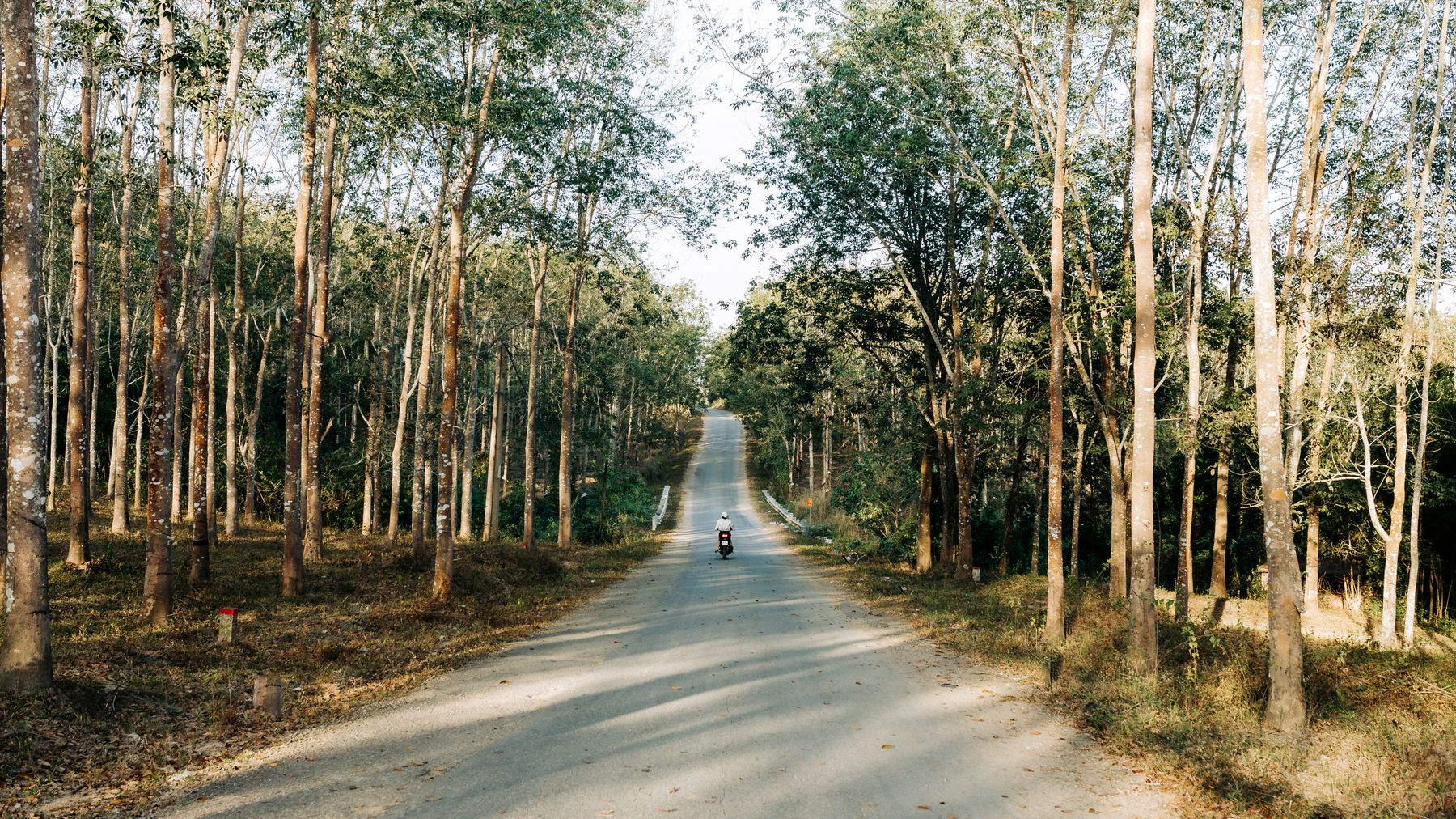
Photo by Thái Trường Giang on Pexels
Where to stay
Soc Bom Bo doesn't have formal accommodation. Your options:
- Homestay at the village: Sometimes possible if arranged in advance through Bu Dang district's cultural office. Basic — a mat on the floor, mosquito net, shared facilities. Contribution of 200,000-300,000 VND per person is standard.
- Bu Dang town: A couple of basic "nha nghi" (guesthouses) with rooms from 250,000-400,000 VND/night. Clean enough, fan or air-con, hot water if you're lucky.
- Dong Xoai: More options including mid-range hotels in the 400,000-800,000 VND range. If you want a proper shower and Wi-Fi, base yourself here and drive up for the day.
Practical tips locals would tell you
- Bring a Vietnamese speaker if possible. Very few people at the reserve speak English, and the S'tieng community primarily uses their own language plus Vietnamese. A local friend or guide transforms the visit.
- Carry cash. There are no ATMs at Soc Bom Bo. The nearest reliable ATM is in Dong Xoai.
- Dress modestly. Long pants and covered shoulders are respectful when visiting homes and ceremonies.
- Bring water and snacks. There's no convenience store at the village.
- Fuel up in Dong Xoai or Bu Dang. Gas stations near the reserve are sparse.
Mistakes to avoid
- Showing up without contact. This isn't a ticketed attraction with opening hours. Reach out to Bu Dang district's cultural office or a local tour operator in advance to make sure someone can receive you and explain what you're seeing.
- Treating it like a zoo. People live here. Ask before photographing anyone, especially elders and children. A smile and a gesture go further than pointing a lens.
- Planning a day trip from Saigon and rushing. The drive is long enough that arriving stressed and leaving after 90 minutes defeats the purpose. Stay overnight nearby or combine with other Binh Phuoc stops to make the journey worthwhile.
- Expecting English signage or a visitor center. There's minimal infrastructure. That's not a flaw — it's the reason the place feels real.
Last updated · May 29, 2026 · independently researched, never sponsored.