What Thac Dambri actually is
Thac Dambri is a 90-meter waterfall about 18 km north of Bao Loc town in Lam Dong province. The name comes from the K'Ho ethnic minority language — "Dambri" roughly translates to "waiting" — and the falls sit inside a landscaped park that's been a domestic tourism draw since the 1990s. The water drops off a basalt cliff face surrounded by dense forest, and during the rainy season the volume is legitimately impressive. This isn't some thin trickle dressed up for Instagram.
The park around the waterfall covers roughly 40 hectares, mixing natural forest with built-out walkways, a cable car, an alpine coaster, and a few other additions that give it a slightly theme-park feel. Whether that's charming or tacky depends on your tolerance, but the waterfall itself doesn't care about the décor.
Why travelers go
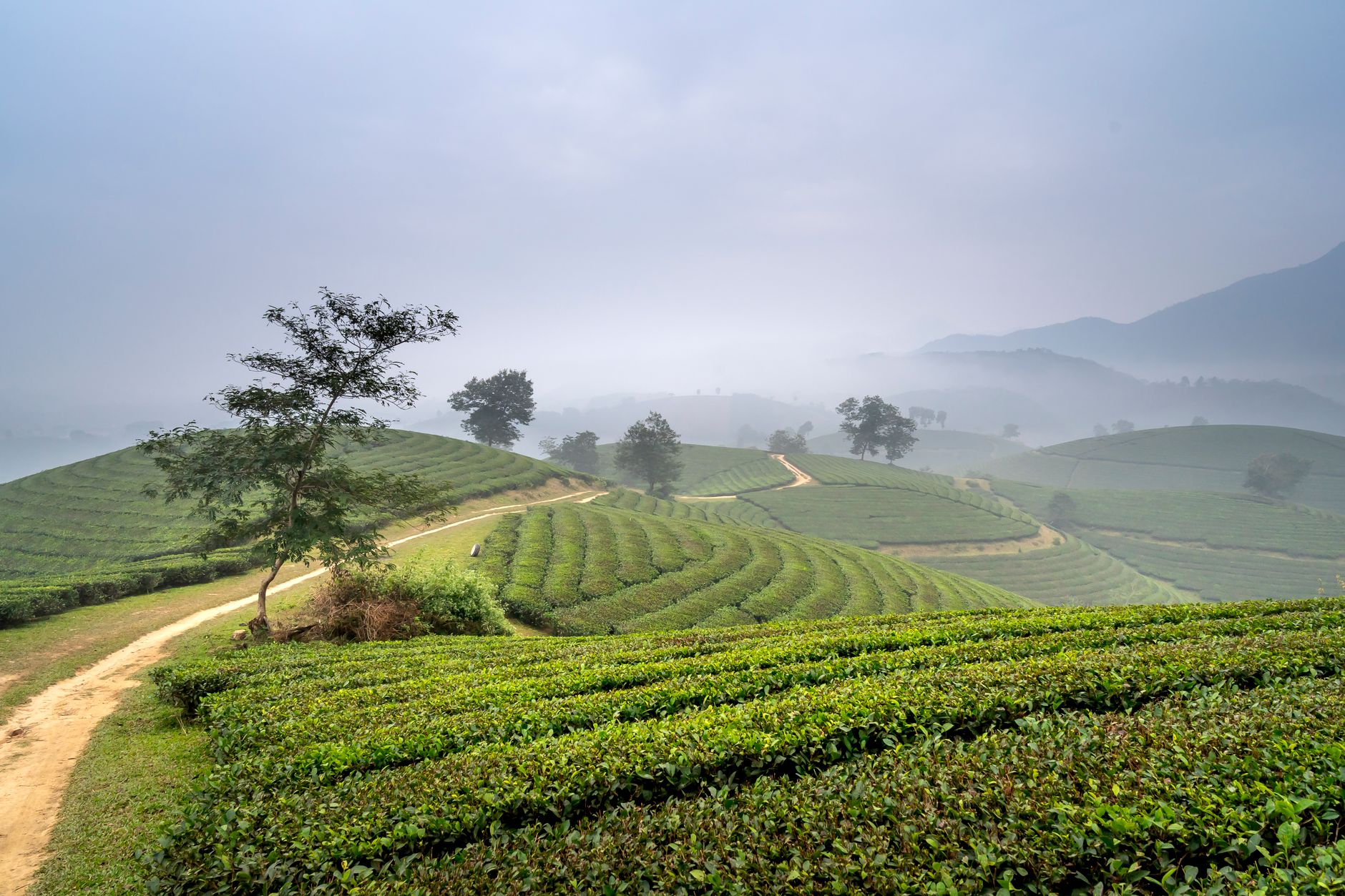
Most foreign visitors to Lam Dong head straight for Da Lat and never leave. Thac Dambri sits about 120 km south of Da Lat, near Bao Loc — a town better known for tea plantations and silk production than tourism. That relative anonymity is part of the appeal. You won't fight through tour bus crowds here. On a weekday outside of Tet and summer holidays, you might share the viewing platforms with a handful of domestic families and nobody else.
The waterfall is also just genuinely big. At 90 meters, it's one of the tallest single-drop falls in the Central Highlands (중부 고원 / 中部高原 / 中部高原). The mist at the base soaks you within minutes, the sound fills the valley, and the surrounding forest canopy keeps everything cool even when Bao Loc town is sticky.
Best time to visit
The sweet spot is September through November. The rainy season (May–October) brings the water volume that makes the falls worth the trip, and by September/October the flow is at its peak. November gives you the tail end of heavy water with fewer rain showers interrupting your day.
Dry season (December–April) means thinner falls and less drama, though the park is still open and the forest walk is pleasant. If you're already in the area, it's fine. But if you're making a special trip, time it for the wet months.
Avoid the week of Tet (뗏 (베트남 설날) / 越南春节 / テト) and the June–July domestic holiday rush unless you enjoy queuing for the cable car.
How to get there from Da Lat
From Da Lat, take a bus or private car south on QL20 toward Bao Loc. The drive is about 120 km and takes roughly 2.5–3 hours depending on traffic and truck convoys on the mountain pass.
- Bus: Phuong Trang (FUTA) runs frequent buses from Da Lat to Bao Loc. Tickets cost around 80,000–120,000 VND. From Bao Loc bus station, grab a local taxi or xe om (motorbike taxi) the remaining 18 km north to the falls — expect 50,000–80,000 VND for a xe om or about 150,000 VND for a taxi.
- Motorbike: If you're renting in Da Lat, the ride down QL20 through the Bao Loc pass is a genuinely good road trip — tea plantations, pine forests, and cool air most of the way. Fuel for the round trip runs about 60,000–80,000 VND.
- Private car/driver: Arrange through your Da Lat hotel. A day-trip with driver typically costs 800,000–1,200,000 VND round trip, which makes sense if you're splitting with other travelers.
The park entrance fee is 50,000 VND for adults (as of early 2025; confirm locally as prices adjust).

Photo by Hồng Quang Official on Pexels
What to do once you're there
Walk down the 300+ steps to the base
The staircase carved into the hillside takes you from the upper viewpoint down to the base of the falls. It's steep, slippery when wet, and your knees will have opinions on the climb back up. But this is the whole point — the base is where you feel the spray and hear the roar. Bring a waterproof bag for your phone.
Take the cable car for the aerial view
A short cable car crosses above the forest canopy and gives you a top-down perspective on the falls and the valley. It costs an additional 30,000–50,000 VND and runs about 5 minutes. It's not essential, but on a clear day the view across the highlands is worth the small fee.
Walk the forest loop trail
Behind the main waterfall area, a marked trail loops through the surrounding forest. It takes about 30–40 minutes at an easy pace. The canopy is thick, the air temperature drops noticeably, and you'll spot some of the park's resident butterflies if the sun is out. It's the quietest part of the whole complex.
Try the alpine coaster (or skip it)
The park installed a metal-track coaster that runs downhill through the trees. It's aimed squarely at Vietnamese families and kids. If that sounds fun, go for it — around 40,000 VND per ride. If you came for nature, it's easy to ignore.
Visit Thac Dasara nearby
About 2 km from Dambri, a smaller waterfall called Thac Dasara sits inside the same park complex. It's less dramatic but far quieter, and the pool at its base is swimmable in calmer months. Ask at the ticket booth for directions.
Where to eat nearby
Bao Loc town is your best bet for food. The local specialty is "banh canh" — thick tapioca-flour noodle soup, often served with pork ribs or crab. Look for stalls along the main market street near Bao Loc's central roundabout; a bowl runs 25,000–40,000 VND.
For something more substantial, Bao Loc has a cluster of "com tam" restaurants (broken rice with grilled pork) along Tran Phu street. Simple, filling, and around 35,000–50,000 VND per plate. The town also produces excellent tea — stop at one of the tea houses near the silk village and try a pot of fresh oolong for 15,000–25,000 VND.
Where to stay
Most travelers treat Thac Dambri as a day trip from Da Lat or a stop on a longer route. But if you want to stay in Bao Loc:
- Budget: Local guesthouses ("nha nghi") near the bus station, 150,000–300,000 VND/night. Basic but functional.
- Mid-range: A few newer hotels along the main road offer clean rooms with air conditioning for 400,000–700,000 VND/night.
- Nicer: Some tea plantation homestays outside town offer bungalow-style rooms in a rural setting, 600,000–1,200,000 VND/night. These are the most interesting option if you want to see tea production up close.

Photo by Quang Nguyen Vinh on Pexels
Practical tips locals would tell you
- Wear shoes with grip. The stairs to the base are concrete but covered in mist-spray. Flip-flops are a recipe for a bruised tailbone.
- Go early. The park opens at 7:00 AM. Arrive by 7:30 and you'll have the base of the falls nearly to yourself before tour groups show up around 10:00.
- Bring a rain jacket or poncho. Not for the weather — for the waterfall spray at the base. You will get soaked. Cheap ponchos are sold at the park entrance for about 10,000 VND but they tear easily.
- Carry cash. There's no ATM inside the park and card payment is unreliable. Bring enough for entrance fees, cable car, food, and parking.
Common mistakes to avoid
- Only visiting the upper viewpoint. Some visitors take photos from the top, ride the cable car, and leave without walking down to the base. That's like watching a concert from the parking lot.
- Coming in March or April and being disappointed. The dry season waterfall is a shadow of its wet-season self. If the falls are your main reason for visiting, time it right.
- Not combining with Bao Loc's tea country. The area around Bao Loc is one of Vietnam's major tea-growing regions. Skipping the plantations to rush back to Da Lat wastes a good opportunity.
Practical notes
Thac Dambri works best as part of a longer route — Da Lat to Bao Loc to the coast, or as a side trip if you're heading between Da Lat and Saigon on QL20. Budget half a day for the waterfall and another half for Bao Loc's tea country if you have the time. It's not a destination that needs three days, but it rewards the detour.
Last updated · May 29, 2026 · independently researched, never sponsored.