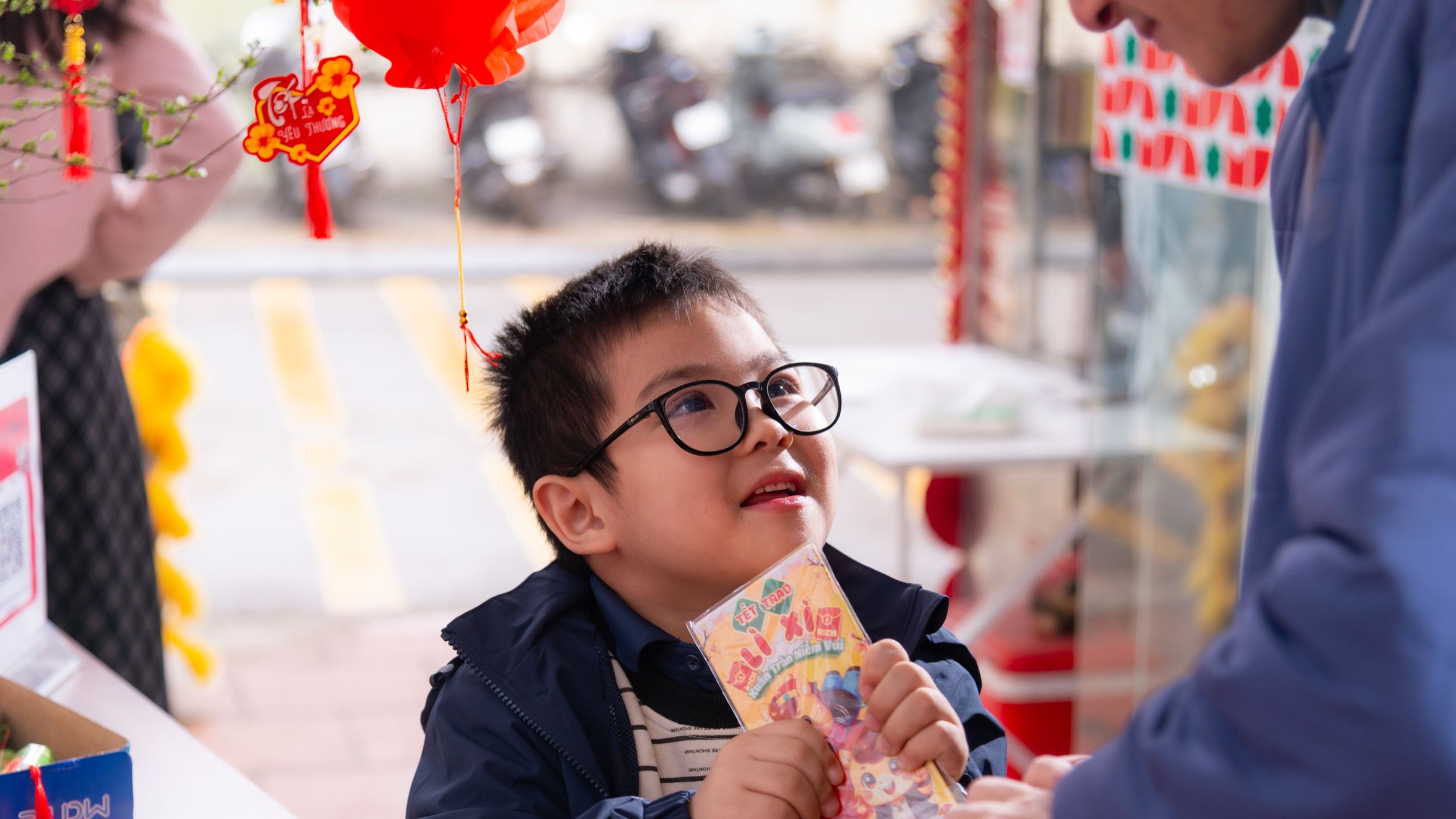
The basics of gift-giving in Vietnam
Vietnamese gift culture revolves around timing, color, and symbolism. Money is the safest gift, handed in red envelopes called "li xi" (lì xì), but the amount, the envelope itself, and even which hand you use matter. Get these details wrong and you risk bad luck—or at least awkward confusion.
"Li xi" during Tet
"Li xi" is lucky money gifted during the [Lunar New Year](/posts/tet (뗏 (베트남 설날) / 越南春节 / テト (ベトナム旧正月))-lunar-new-year-guide). Adults give to children and unmarried young adults; grandparents and parents give to their kids. The amounts vary by region and family wealth, but typically range from 50,000 to 500,000 VND per person. Hanoi and northern regions often lean conservative; Saigon and the south tend higher.
The envelope must be red or gold. Never white, black, or blue—these are associated with funerals. If you're invited to a family's Tet celebration, bringing a few red envelopes with crisp new bills is respectful. Even foreigners are sometimes given li xi by hosts, which is a genuine gesture of welcome.
Always hand the envelope with both hands. Receiving it with both hands is equally important. Using one hand is considered dismissive.
Birthday cakes and "hat birthday"
Vietnam has embraced Western birthday cake culture in urban areas, but the tradition of "hat birthday" (hát sinh nhật)—singing and cake-cutting at work, school, or family—is now standard. The cake is typically bought from a bakery or supermarket, not homemade. Prices in Hanoi and Saigon range from 150,000 to 800,000 VND depending on size and design.
Birthdayparties (sinh nhật) among colleagues usually involve a small cake brought to the office. If it's your colleague's birthday, contributing 50,000–100,000 VND to a shared cake fund is normal. Candles, singing, and a photo are ritual. Don't be surprised if the birthday person cuts the first slice and offers it to their boss or senior colleague as a sign of respect.
Family birthdays are more subdued than Tet celebrations. A cake, a meal, and "li xi" for children are the typical format. There's no strong tradition of birthday gifts among adults—cash is preferred if anything.

Photo by Xuân Thống Trần on Pexels
Wedding gifts and "li xi" for weddings
Wedding invitations in Vietnam often come in red or gold cards. The expected gift is cash, placed in a red envelope. Amounts depend on your relationship and location:
- Close family or godparents: 500,000–2,000,000 VND
- Close friends or colleagues: 300,000–500,000 VND
- Acquaintances: 100,000–300,000 VND
- Young unmarried guests: 100,000–200,000 VND
Saigon and Da Nang typically run 30–50% higher than rural areas or smaller cities. Urban white-collar weddings can see gifts of 1,000,000 VND or more from close friends.
The gift is placed in a red envelope and handed to a designated table staff member or gift collector at the wedding reception. They record your name and amount in a ledger—this is important because the couple must return the gift value (as a wedding "thank you" gift or meal) when you marry or have a major life event. This is not optional; it's a social debt tracked over years.
Gifts for Tet guests and business associates
If you're visiting someone's home during Tet, small gifts are appropriate: a box of fruit, premium tea, or a bottle of mid-range whiskey or cognac (300,000–500,000 VND). Avoid clocks (sounds like "death" in Vietnamese), umbrellas (sounds like "separation"), shoes, or cutlery.
In business contexts, Tet "gifts" (called "quà Tết") are sometimes given by employers to staff. These are typically token items—tea, coffee, or a small cash bonus of 500,000–2,000,000 VND depending on seniority. Receiving such gifts is normal and not a bribe; it's a seasonal courtesy.
Color and number taboos
Beyond red envelopes, color matters:
- Red / Gold: luck, prosperity, happiness
- White: funerals, mourning
- Black: death, bad fortune
- Green: infidelity or disrespect (in some contexts)
- Blue: sadness
Numbers also carry weight. Eight is lucky (sounds like "wealth"). Four is unlucky (sounds like "death"). If you're giving money, avoid amounts ending in four or consisting only of 4,000 or 400,000.
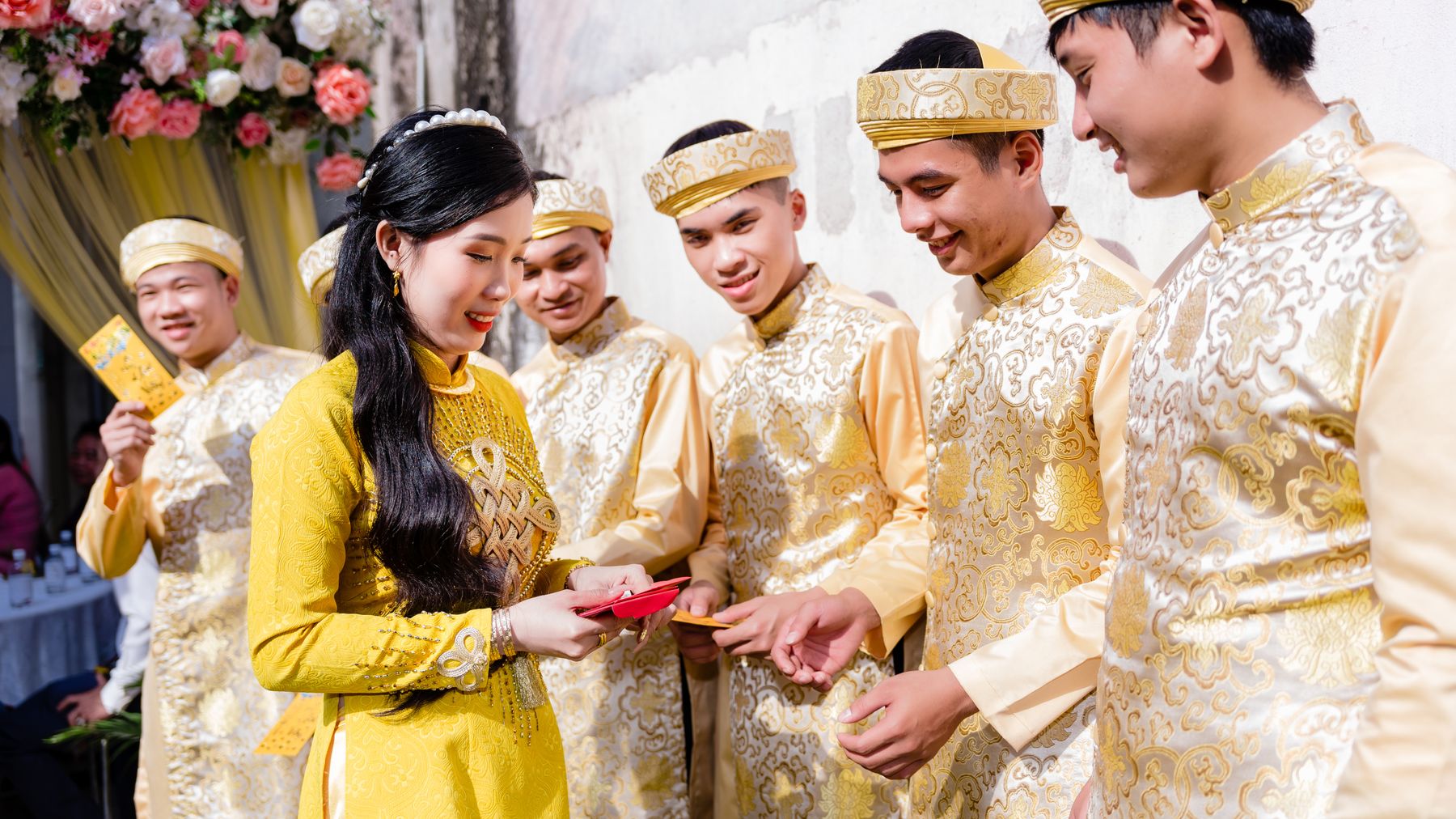
Photo by Hồng Xuân Viên on Pexels
Gift-wrapping and presentation
Wrap gifts neatly in red or gold paper. Present them with both hands and a slight bow. If the recipient opens it immediately, watch for their reaction—some people do, others prefer to open later as a courtesy to avoid awkwardness if the gift isn't fancy.
Don't be offended if someone doesn't open your gift in front of you. It's often a polite way to avoid comparison with other gifts.
When not to give gifts
If you're invited to a Vietnamese funeral, do not bring gifts. Respect the family's grieving by being quiet and respectful. White flowers are traditional; red envelopes are absolutely taboo.
At some formal dinners or business meetings, hosts may politely refuse gifts the first or second time you offer. Insist gently once more, and if they refuse again, respect it. Refusing is sometimes a way of saying "your friendship is enough."
Frequently Asked Questions
How much lucky money should I put in a red envelope for Tet?
Typical li xi amounts range from 50,000 to 500,000 VND per person for children and unmarried young adults. The exact amount depends on your relationship, region, and family wealth. Hanoi and the north tend toward the lower end; Saigon and the south run higher. Always use crisp new bills, and hand the red or gold envelope with both hands — never white, black, or blue envelopes.
What cash amount is expected as a wedding gift in Vietnam?
The expected amount depends on your relationship to the couple. Close family or godparents typically give 500,000–2,000,000 VND; close friends or colleagues give 300,000–500,000 VND; acquaintances give 100,000–300,000 VND. Saigon and Da Nang run 30–50% higher than rural areas. Place cash in a red envelope and hand it to the gift collector at the reception — your name and amount will be recorded in a ledger as a tracked social debt.
When is it appropriate to give li xi to someone in Vietnam?
Li xi is given primarily during Tet, the Lunar New Year. Adults give to children and unmarried young adults; grandparents and parents give to their kids. Cash in red envelopes is also standard at weddings. For birthdays, there is no strong adult gift tradition — cash is preferred if anything is given at all. Office birthdays typically involve a shared cake fund of 50,000–100,000 VND per colleague rather than individual gifts.
Bottom line
Gift-giving in Vietnam is less about the object and more about respect, timing, and adherence to tradition. Money in a red envelope is nearly always safe. If you're unsure, ask a Vietnamese friend—they'll appreciate that you want to get it right.
Last updated · May 29, 2026 · independently researched, never sponsored.