Tra Co Beach sits at the far northeastern edge of Vietnam (베트남 / 越南 / ベトナム), a 17-km strip of sand in Mong Cai, Quang Ninh province. Most travelers heading to Quang Ninh beeline for Ha Long Bay, which means Tra Co stays genuinely quiet — not "hidden gem" quiet, but the kind of place where you'll share the beach with local families and a few seafood shacks rather than tour buses.
What Tra Co is and why it matters
Tra Co is one of the longest continuous beaches in northern Vietnam. The sand is fine and packed hard enough to walk or cycle on at low tide. The water is shallow and warm from May through September, though it carries the brownish tint common to Gulf of Tonkin beaches — don't expect the turquoise you'd find at Phu Quoc or Con Dao.
The village behind the beach has been here for centuries. Tra Co Church, built by French missionaries in the late 1880s, is still standing and still active. The annual Tra Co Festival, held in late May or early June on the lunar calendar, draws crowds from across the region with processions, boat races, and communal feasts. It's one of northern Vietnam's longest-running local festivals — celebrations stretch over several days.
Why travelers go
Honestly, most foreign travelers don't. That's part of the appeal. Tra Co draws domestic weekenders from Hanoi and cross-border traders passing through Mong Cai. If you're already in Quang Ninh exploring Ha Long Bay (하롱베이 / 下龙湾 / ハロン湾) or want to see a stretch of Vietnamese coast that hasn't been reshaped by resort development, Tra Co is worth the detour. It's a slow place. You come here to eat seafood, walk the beach, and not do much else.
Best time to visit
The sweet spot is May through August. Water temperatures are comfortable, and the beach sees the most activity — food stalls are open, guesthouses are staffed, and the Tra Co Festival falls in this window. July and August bring occasional afternoon storms, but mornings are usually clear.
Avoid December through February. The northeast monsoon makes the coast grey and cold (15–18°C), the water is rough, and most beachside operations close or run on skeleton crews. March and April are transitional — warming up but still overcast, and swimming isn't great.
How to get there from Hanoi
Tra Co is about 360 km from Hanoi, and getting there takes commitment.
By bus
The most common route: take a bus from Hanoi's My Dinh or Luong Yen station to Mong Cai. Several operators run this daily; the trip takes 7–8 hours and costs around 250,000–350,000 VND depending on the bus company and seat type. From Mong Cai's bus station, Tra Co is only about 8 km south — a taxi or xe om (motorbike taxi) will run 40,000–60,000 VND.
By car
If you're driving or hiring a private car, the Ha Long–Van Don Expressway has cut the Hanoi-to-Mong-Cai drive to roughly 5–6 hours. A private car hire typically costs 2,500,000–3,500,000 VND one way.
Via Ha Long Bay
If you're already in Ha Long, Mong Cai is another 3–3.5 hours by bus or car heading northeast along the coast road. Buses from Bai Chay station run several times daily for around 120,000–150,000 VND.
There's no commercial airport in Mong Cai. The nearest is Van Don Airport, about 180 km southwest, with limited domestic flights.

Photo by Quang Nguyen Vinh on Pexels
What to do
Walk or cycle the beach at low tide
The hard-packed sand at low tide makes for excellent walking or cycling. You can cover several kilometers without hitting a resort wall or construction site. Rent a bicycle from your guesthouse for 30,000–50,000 VND/day if they have one — availability is informal.
Visit Tra Co Church
This isn't a major architectural landmark, but it's a genuine piece of colonial-era history with carved wooden interiors and a quiet courtyard. It's right in the village, free to visit, and takes about 20 minutes to look around.
Eat at the seafood strip
Along the beachfront road, a row of open-air restaurants sell whatever came in that morning — crab, mantis shrimp, clams, and fish grilled over charcoal. Point at what looks good, agree on a price before they cook it. More on this below.
Catch the Tra Co Festival (if timing works)
If you're here during the festival (usually late May/early June, lunar calendar), it's worth staying an extra day. The processions from the village communal house to the beach involve traditional dress, music, and a genuine local energy that hasn't been packaged for tourists.
Take a morning walk through the village
Tra Co village behind the beach is compact and interesting on foot — fishing nets drying in yards, incense-making in a few households, and narrow lanes with old brick houses. No entrance fee, no guided tour needed.
Where to eat
Seafood is the main event. The beachfront restaurants serve grilled "sam" (horseshoe crab), which is a local specialty — it's prepared grilled or in salads and has a briny, rich flavor. Not everyone loves it, but it's specific to this stretch of coast. Expect to pay 150,000–300,000 VND per plate depending on size.
For a proper meal, grilled clams with peanuts and scallions, stir-fried crab with tamarind, and steamed fish are all reliable orders. A full seafood spread for two runs 300,000–500,000 VND at the casual beachfront places. Don't expect English menus — point-and-order works fine.
If you need a break from seafood, look for "banh cuon" at the morning market stalls in the village. The thin, steamed rice rolls stuffed with pork and mushrooms are simple and good.
Where to stay
Accommodation at Tra Co is basic. You're choosing between guesthouses and a few small hotels along the beach road.
- Budget guesthouses: 200,000–400,000 VND/night. Clean enough, fan or basic AC, hot water if you're lucky. Don't expect much English.
- Mid-range hotels: 500,000–900,000 VND/night. A few newer places have proper AC, sea-view rooms, and decent bathrooms. Check Mong Cai as well — slightly better hotel options there, 8 km away.
There are no resorts or international-brand hotels here. Book in advance during the festival or summer weekends when domestic visitors fill things up.
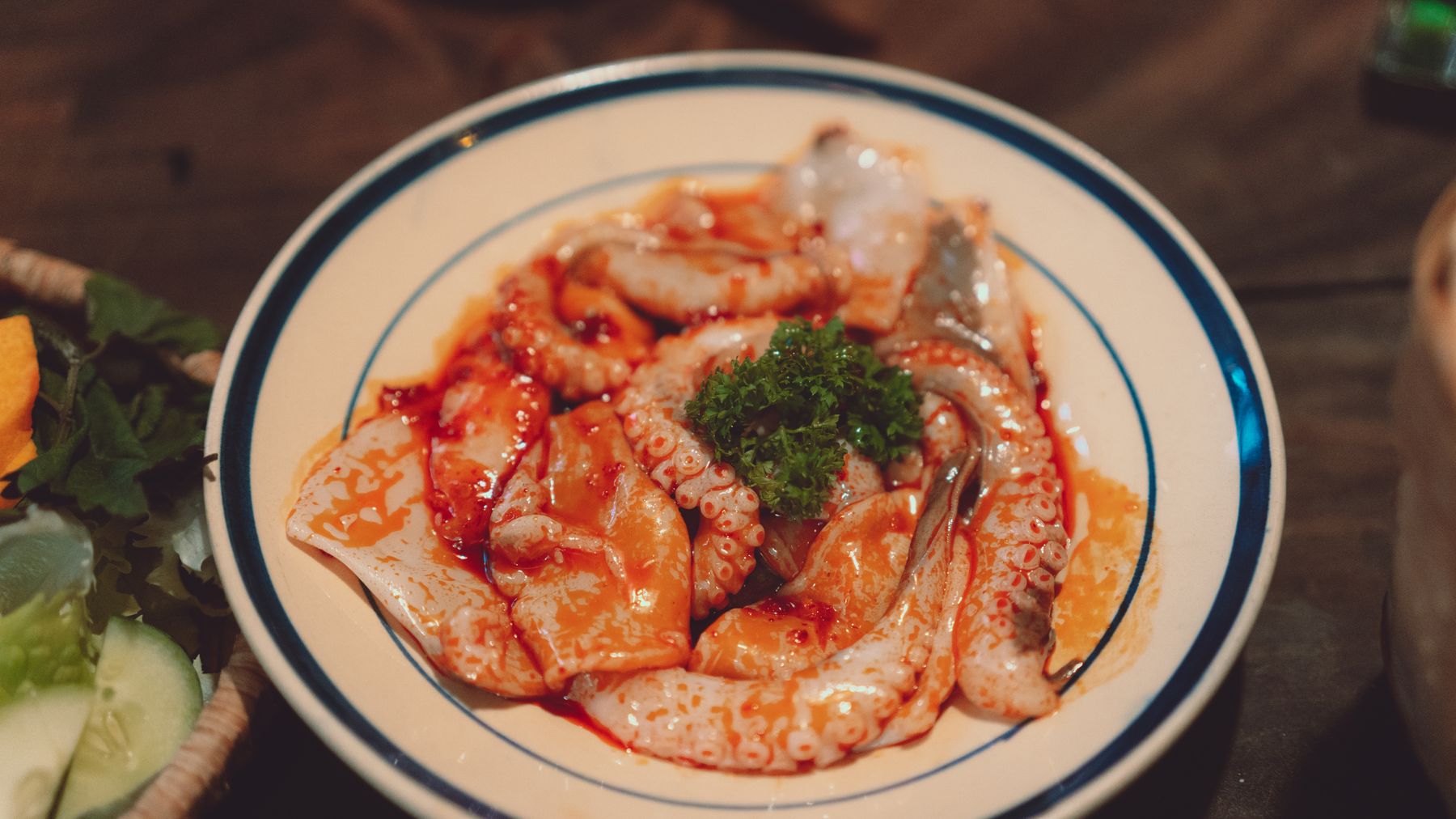
Photo by Theodore Nguyen on Pexels
Practical tips locals would tell you
- Bring cash. Card readers are rare. ATMs exist in Mong Cai but not reliably in Tra Co village.
- Sunscreen and a hat are essential from May onward. There's almost no natural shade on the beach itself.
- Negotiate seafood prices before cooking. Ask "bao nhieu mot ky" (how much per kilo) and confirm the total. Misunderstandings happen when you skip this step.
- Tides matter. The beach is dramatically better at low tide — wide, firm sand for walking. At high tide it narrows significantly. Check tides the night before.
Common mistakes to avoid
- Expecting Ha Long Bay vibes. Tra Co is flat coastline, not limestone karsts. It's a different experience entirely — and that's the point.
- Coming in winter. The beach is borderline unusable from November to February. If you only have a winter window, spend your Quang Ninh time around Ha Long Bay instead.
- Not bringing mosquito repellent. Evenings near the village can get buggy, especially after rain.
- Rushing it as a day trip from Ha Long. The 3+ hour drive each way makes a day trip exhausting. One or two nights lets you actually settle in.
Practical notes
Tra Co works best as an add-on to a longer Quang Ninh trip — pair it with Ha Long Bay or a stop in Mong Cai for a look at the border-town energy. It's not a destination that needs three days, but one or two nights gives you enough time to eat well, walk the beach, and experience a part of northern Vietnam that most travelers skip entirely.
Last updated · May 29, 2026 · independently researched, never sponsored.