What Thac Khe Van actually is
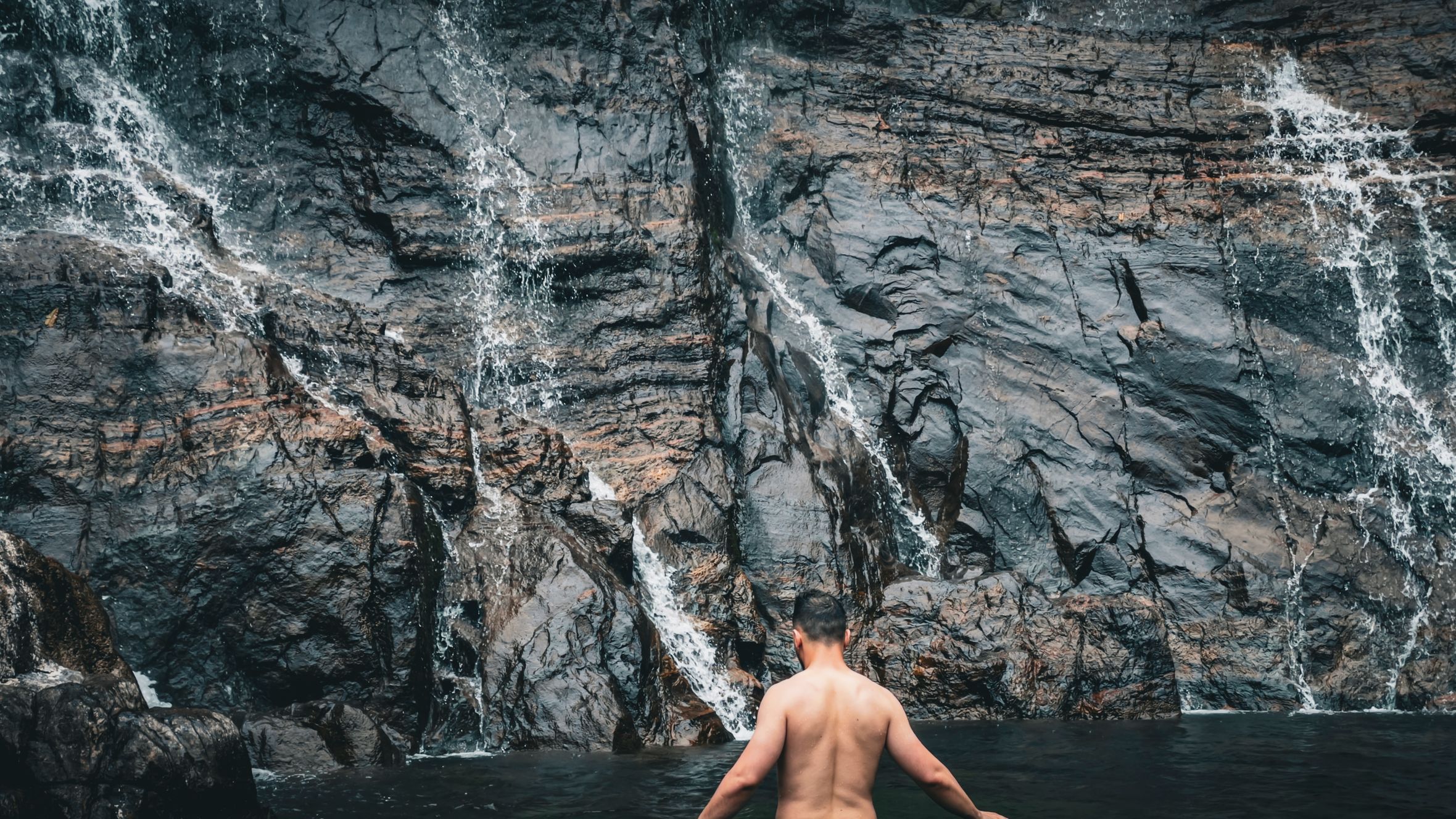
Thac Khe Van is a multi-tiered waterfall system in Hai Son commune, Mong Cai city, Quang Ninh province — about 15 km from the Chinese border. The falls drop roughly 100 meters across several granite shelves, feeding into pools surrounded by old-growth forest. The area is home to Dao and San Diu ethnic minority communities, and the waterfall has long been a local bathing and gathering spot before it attracted any outside visitors.
Quang Ninh province is best known for Ha Long Bay, but its mountainous northeast corner is a completely different landscape — dense subtropical forest, narrow river valleys, and very few tourists. Thac Khe Van sits in that quiet zone.
Why travelers go
People come here for two reasons: the swimming and the emptiness. The lower pools are deep enough to wade and swim in during the rainy season, and the surrounding forest keeps everything cool even on hot days. Unlike waterfalls closer to Hanoi — say, in Sapa or Mai Chau — Thac Khe Van doesn't get weekend bus crowds. On a weekday you might share the place with a handful of local families and nobody else.
There's also a genuine cultural draw. The Dao communities in the surrounding villages still practice traditional herbal medicine and forest foraging. Some homestays in the area offer basic guided walks where you learn about the plants locals use — not a polished eco-tour, but an honest exchange if you're open to it.
Best time to visit
The waterfall is best between May and September, when rainfall keeps the tiers full and the pools swimmable. July and August are peak flow — the falls are loud and dramatic, though trails can be slippery. If you prefer easier hiking conditions with decent water levels, late May or June is the sweet spot.
Avoid December through March. The falls slow to a trickle in the dry season, and the forest canopy thins enough that the area loses much of its appeal. You'll also catch colder weather up here than you'd expect — Quang Ninh's highlands can drop below 10°C in January.
How to get there
From Hanoi
The most practical route is Hanoi (하노이 / 河内 / ハノイ) to Mong Cai, then local transport to the falls.
- Bus: Hanoi's My Dinh or Gia Lam bus stations run daily coaches to Mong Cai. The ride takes 7-8 hours and costs around 250,000-350,000 VND depending on the operator. Sleeper buses leave in the evening and arrive early morning.
- From Mong Cai to Thac Khe Van: The waterfall is about 20 km west of Mong Cai center, in Hai Son commune. There's no public bus to the falls. Hire a "xe om" (motorbike taxi) for roughly 100,000-150,000 VND one way, or rent a motorbike in Mong Cai for about 150,000-200,000 VND per day. The road is paved most of the way, with the last 3-4 km on a concrete village road.
From Ha Long Bay
If you're already in Ha Long or Cam Pha, it's about 180 km northeast to Mong Cai — roughly 3 hours by car or bus. Local buses from Bai Chay station run to Mong Cai for around 120,000-150,000 VND.
Photo by Karolina on Pexels
What to do
Swim the lower pools
The first and second tiers have natural pools with sandy-bottomed edges. Water temperature stays cool year-round — refreshing in summer, bracing in shoulder season. Locals swim in regular clothes; bring quick-dry gear and water shoes with grip.
Hike to the upper tiers
A rough trail follows the left side of the falls up through the forest to higher tiers. The full climb takes about 40 minutes and gets steep near the top. The trail isn't marked, so ask a local or homestay host to point you in the right direction before starting. The uppermost tier has the best vantage point looking back down the valley.
Visit a Dao village
Hai Son commune has several small Dao settlements within walking or riding distance of the falls. Some families sell handwoven textiles and herbal bath preparations. If you're staying at a local homestay, your host can usually arrange a visit. Keep expectations low-key — these are working villages, not tourist attractions.
Picnic by the river
The stream below the lowest tier flattens into a rocky riverbed that's ideal for sitting, eating, and doing nothing. Bring food from Mong Cai market — the area around the falls has almost no vendors.
Photograph the forest canopy
Early morning light through the subtropical canopy is genuinely good, especially after rain when mist hangs in the valley. If photography matters to you, arrive before 8 AM.
Where to eat nearby
There are no restaurants at the waterfall itself. Stock up in Mong Cai before heading out.
In Mong Cai, look for "banh cuon" — the local version uses a slightly thicker rice sheet and comes with a dipping sauce heavy on fish sauce and lime. Street stalls near Mong Cai market serve it for around 25,000-35,000 VND per plate. Mong Cai is also known for fresh seafood given its coastal position — grilled squid and crab hotpot at the market area run 150,000-300,000 VND depending on what's in season.
For something filling before or after the hike, a bowl of "pho" at any of the small shops along the main road in Hai Son commune costs about 30,000-40,000 VND. Basic, honest, and hot.
Where to stay
- Homestays near Hai Son: A few families offer basic rooms — expect a mattress, mosquito net, fan, and shared bathroom. Around 150,000-250,000 VND per night. Meals can sometimes be arranged for an extra 80,000-100,000 VND. Don't expect Wi-Fi.
- Hotels in Mong Cai: Budget hotels in Mong Cai center start around 300,000-400,000 VND per night. Mid-range options with air conditioning and breakfast go for 500,000-800,000 VND. Mong Cai has decent accommodation since it's a border trade town.
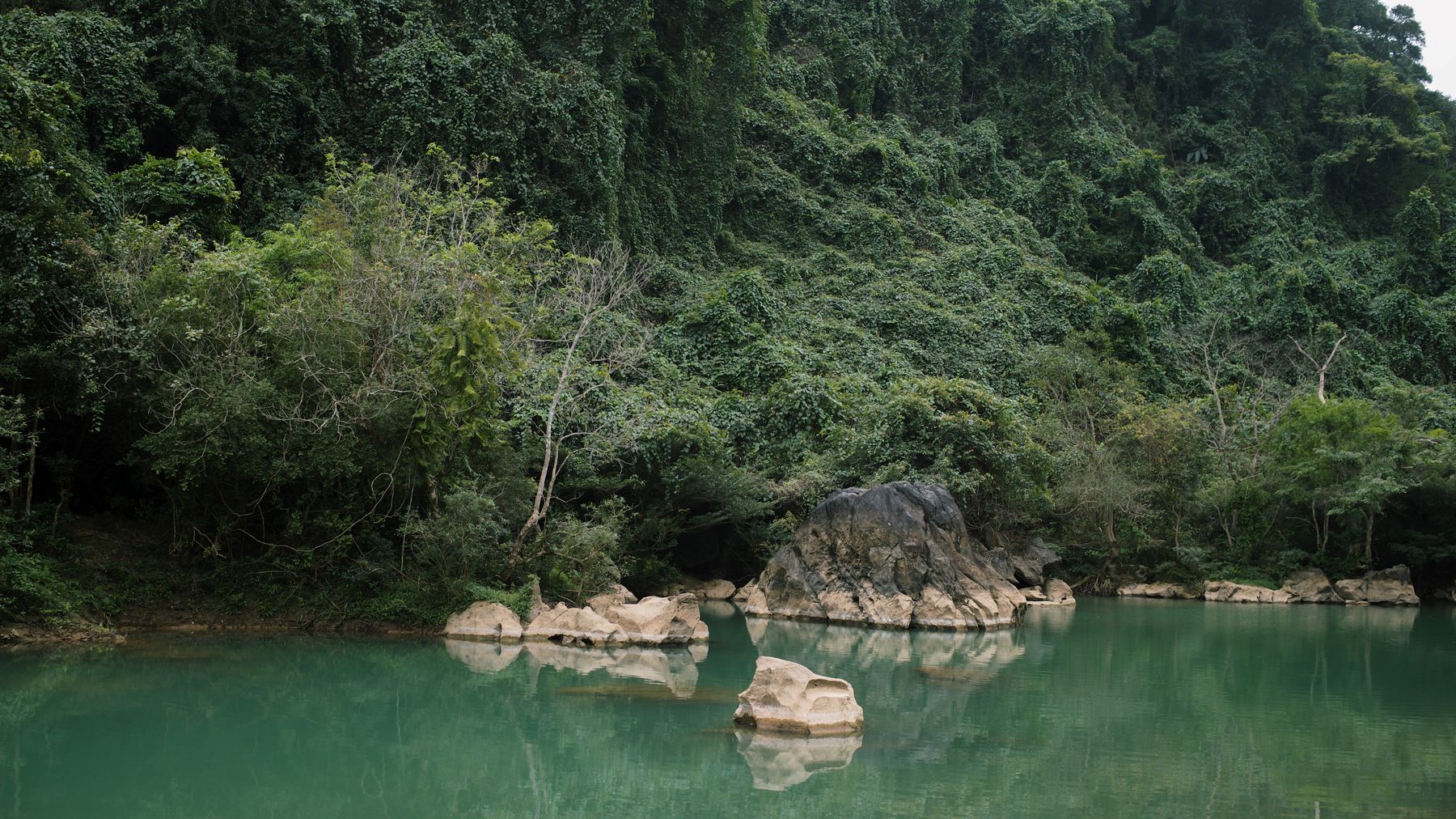
Photo by Lucas Tran on Pexels
Practical tips locals would tell you
- Bring your own drinking water and snacks. There's nothing to buy at the falls.
- Wear proper shoes with grip, not flip-flops. The rocks around the pools are slick with algae, especially in the wet season.
- Mosquitoes and leeches are real from June through August. Long pants and insect repellent aren't optional.
- If you ride a motorbike, fill up in Mong Cai. There's no reliable fuel stop on the village road.
- Mobile signal (Viettel works best up here) is patchy near the falls but fine in Mong Cai.
Common mistakes to avoid
- Coming in the dry season and being disappointed. If you visit between November and March, you'll find a rocky hillside with a dribble of water. Time it right.
- Not bringing cash. There are no ATMs near the falls, and homestays don't take cards. Withdraw what you need in Mong Cai.
- Underestimating the hike to upper tiers. It's short but steep, and the trail is unmarked. Don't go alone if you're not confident navigating rough terrain.
- Expecting a developed tourist site. There are no ticket booths, railings, or information boards. That's the appeal — but it also means you're responsible for your own safety.
Practical notes
Thac Khe Van rewards travelers who don't mind a bit of logistical effort for genuine quiet. Pair it with a night or two in Mong Cai and you've got a solid side trip that most visitors to Quang Ninh never consider. If you're already planning time around Ha Long Bay (하롱베이 / 下龙湾 / ハロン湾), the detour northeast adds a completely different texture to the province.
Last updated · May 26, 2026 · independently researched, never sponsored.