
What Tram Chim Actually Is
Tram Chim National Park sits in Tam Nong District, Dong Thap Province — roughly 170 km southwest of Saigon and about 50 km north of Cao Lanh, the provincial capital. It covers around 7,600 hectares of seasonally flooded grassland, cajuput forest, and open water channels that form part of the Dong Thap Muoi wetland system, better known abroad as the Plain of Reeds.
The park is Ramsar-listed, meaning it has internationally recognized wetland significance. That's not just a bureaucratic label — it reflects that this is genuinely rare habitat. Most of the Plain of Reeds was drained for rice cultivation over the past few decades, and Tram Chim is one of the few stretches still managed as a functional floodplain ecosystem. For bird people and for anyone who wants to see the Mekong Delta (메콩 델타 / 湄公河三角洲 / メコンデルタ) beyond rice paddies and tourist floating markets, it's worth the detour.
The Sarus Cranes
The sarus crane — called "sai ho" locally — is the headline draw. Standing up to 1.8 meters tall, it's the tallest flying bird in the world, and Tram Chim holds one of the last viable wild populations in Southeast Asia. The cranes arrive from Cambodia as the dry season sets in, typically from December onwards, and numbers peak between January and March. By May or June, rising floodwaters push them back north.
At peak season you can see several hundred cranes at once on the open grassland sections of Zone A5, the area park rangers steer most birdwatching boats toward. Outside peak months, individual cranes and small groups are occasionally spotted, but if the cranes are the reason you're coming, December through April is your window.
Beyond cranes, the park's waterbird list is substantial: painted storks, lesser adjutants, various egret species, purple swamphens, and seasonally, large concentrations of spot-billed pelicans. Early mornings produce the most activity.
Getting There
From Saigon (사이공 / 西贡 / サイゴン), the most practical approach is to take a bus or drive to Cao Lanh (roughly 3–3.5 hours by road), then continue 50 km north to Tam Nong town, which is the gateway for the park. Some travelers base themselves overnight in Cao Lanh and hire a car or motorbike taxi the following morning — the road from Cao Lanh to Tam Nong is flat, well-surfaced, and easy to navigate.
Can Tho is another viable hub if you're already in the delta; from there it's about 120 km to Tam Nong.
There are a handful of guesthouses in Tam Nong town with rooms from around 200,000–350,000 VND per night — functional rather than comfortable, but sufficient for an early start. A few homestay options have opened in nearby villages for travelers who want a longer stay.

Photo by Sanjeev Kumar Maurya on Pexels
Boat Tours Through the Park
Access inside the park is by flat-bottomed motorized boat, hired through the park visitor center at the main gate in Tam Nong. Boats carry 4–8 people and are driven by local guides who know the channels.
Standard tour options run 1.5 to 3 hours. A two-hour circuit typically costs in the range of 300,000–500,000 VND for the whole boat, depending on zone and distance. Prices are posted at the ticket office — worth checking before negotiating anything.
The boat routes pass through corridors of cajuput trees (tram in Vietnamese, which gives the park its name) growing in dark-watered channels. Outside the crane season, the cajuput forest is still a worthwhile landscape on its own — low light filtering through sparse canopy, water hyacinth banks, and kingfishers working the margins. In the flooded season (roughly July–November), much of the grassland is underwater and some zones are inaccessible, but the forest channels remain navigable.
For crane watching specifically, ask the park center to route your boat to A5. Not every guide defaults to this zone.
The Watchtowers
The park has several raised observation towers positioned at the edges of open grassland areas. Tower height is modest — around 8 to 10 meters — but the terrain is so flat that the elevation is enough to scan wide distances. Bring binoculars. A spotting scope isn't overkill if you have one.
The tower near Zone A5 is the main crane-watching platform during peak season. Rangers at the tower can sometimes point out crane activity in real time if you arrive around dawn, which is when the birds are most active on the grassland before heat builds through the morning.
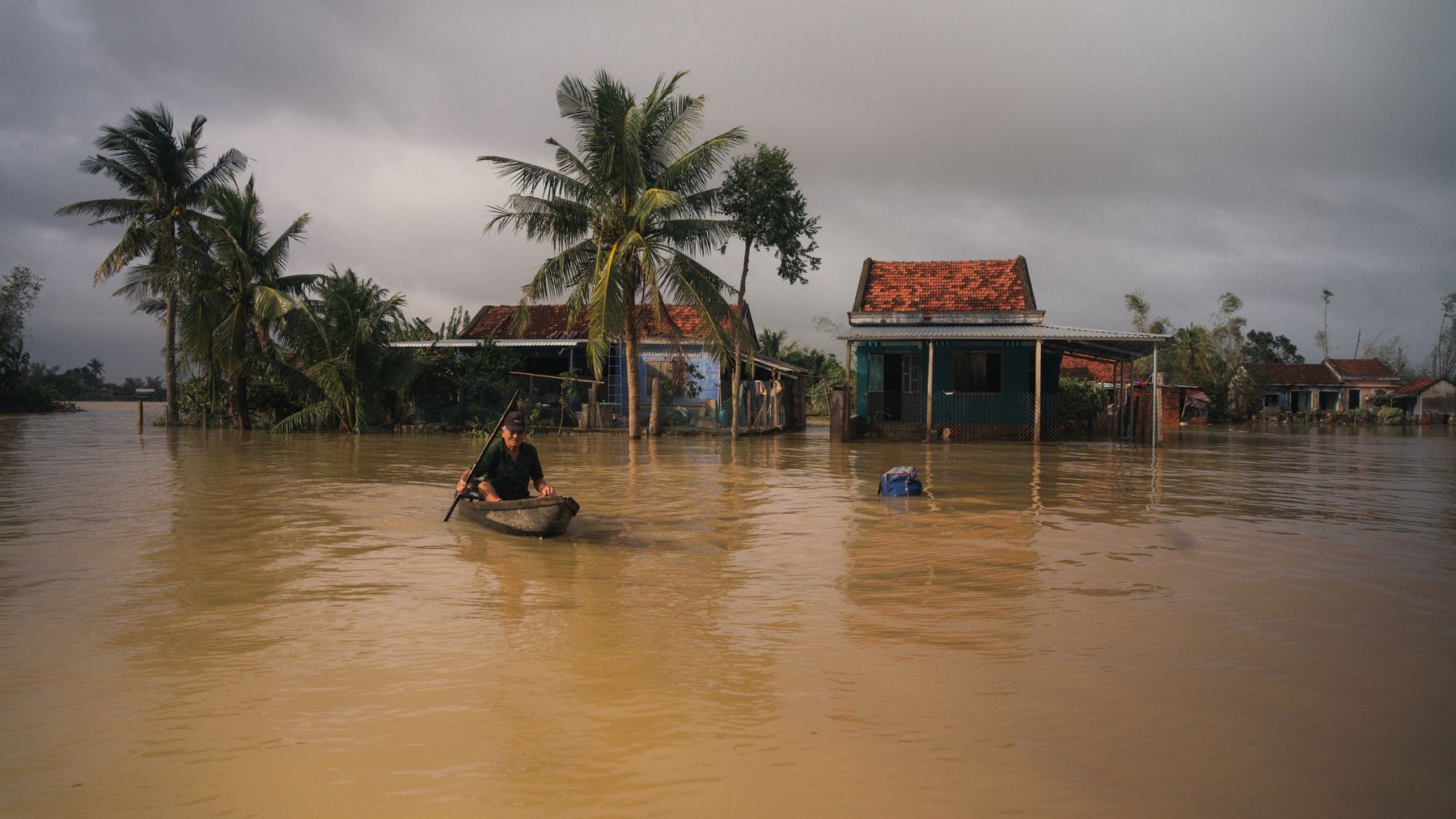
Photo by Long Bà Mùi on Pexels
Timing a Visit
The dry season window of December to April covers both the crane season and the most comfortable weather — humidity is lower, daytime temperatures are in the low-to-mid 30s Celsius rather than the crushing wet-season heat, and the channels are clear enough for easy boat navigation.
January and February, around Tet, can bring larger crowds from Vietnamese domestic tourists on holiday breaks. If you want the cranes without the crowds, early December or late March are quieter.
Avoiding the wet season (July–October) isn't mandatory if your goal is the forest atmosphere rather than the cranes — flooded cajuput channels have their own character — but expect limited access to the grassland zones and no crane sightings.
Practical Notes
Entrance fees are around 40,000 VND per person as of recent visits; confirm at the gate as these sometimes adjust. Bring your own food and water — there are basic drink stalls near the visitor center but nothing inside the park. Mosquito repellent is non-negotiable year-round, particularly early morning on the boats.
Last updated · May 27, 2026 · independently researched, never sponsored.










