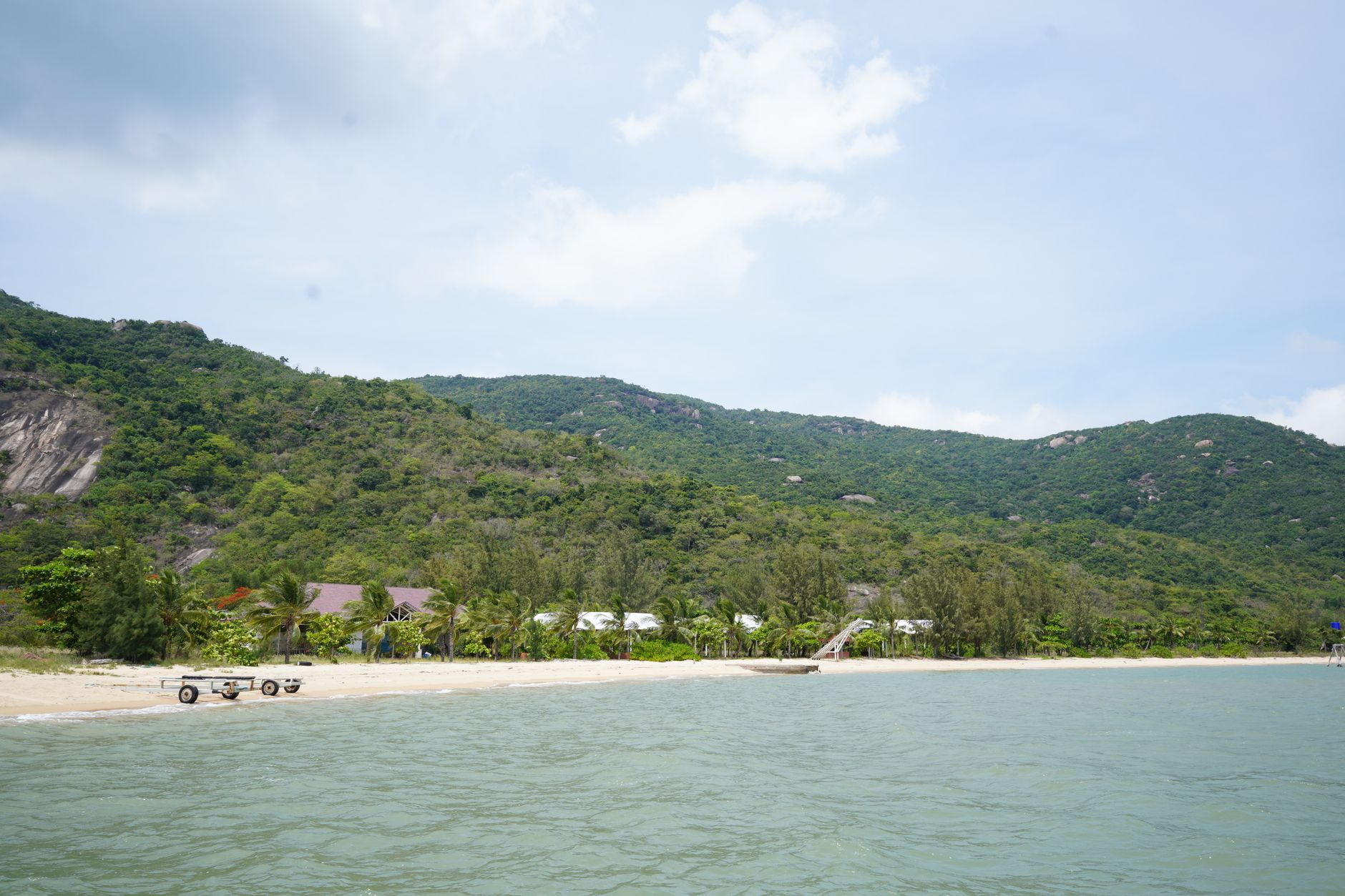
Vinh Long doesn't get the same foot traffic as Can Tho, which is exactly why it's worth going. Two islands — An Binh and Binh Hoa Phuoc — sit five minutes by ferry from the provincial town, and between them they hold enough longan groves, waterway lanes, and crumbling colonial-era brick kilns to fill two or three genuinely unhurried days.
Getting There and Getting Oriented
Vinh Long is 135 km southwest of Saigon, roughly two hours by bus from Mien Tay station in District 6. Buses run frequently and cost around 80,000–100,000 VND. From town, ferries to An Binh Island leave from the dock near Phan Boi Chau Street — the crossing takes about five minutes and costs next to nothing. Most homestays will arrange a boat pickup if you message ahead.
The town itself doesn't need more than an afternoon. Walk the riverside promenade, eat a bowl of "hu tieu" at one of the stalls near the market, and be on the island by late afternoon for the better light.
An Binh Island — The Orchard Loop
An Binh is the larger and more visited of the two islands, though visited is relative — outside of Vietnamese holiday weekends, the lanes are quiet enough that you'll mostly hear frogs and the occasional motorbike. The island is criss-crossed by narrow concrete paths and smaller waterways, and the most satisfying way to move through it is by bicycle, which every homestay rents for around 30,000–50,000 VND per day.
The orchards here grow longan (nhan), rambutan (chom chom), mango, and jackfruit depending on season. Longan peaks June through August; rambutan runs roughly May to July. Most orchard owners along the main loop paths are used to visitors stopping — you pay by the kilo, usually 20,000–40,000 VND, and eat on-site under whatever shade is available. Don't expect a curated agritourism experience. It's a working farm, the fruit gets weighed on an old hanging scale, and you sit on a plastic stool.
The back channels of An Binh are better explored by rowboat than bicycle. A number of homestays include a sampan outing in their rate, or you can hire a boat separately for around 150,000–200,000 VND per hour. The narrow "kinh" (canal) that runs along the island's interior is genuinely calm — water hyacinth, coconut palms bending low, the occasional fish trap.
Binh Hoa Phuoc — Brick Kilns and Fewer People
Binh Hoa Phuoc, connected to An Binh by a small bridge, is quieter and has less homestay infrastructure, which makes it more interesting. The old brick and roof-tile kilns along its western bank have been operating in some form for over a century. Most are now partially derelict — tall cylindrical chimneys tilting slightly, the riverside loading platforms eroded — but a handful still fire intermittently. Early morning is the right time to visit; if a kiln is active you'll see smoke, and workers are generally indifferent to people wandering around with cameras.
The kilns were central to Vinh Long's economy through much of the twentieth century, supplying construction material across the delta. The orange-red bricks stacked along the riverbank waiting for transport are the same color as the soil. It's not a tourist attraction with an entrance fee — just an industrial riverbank that happens to be photogenic and almost entirely unvisited by foreigners.

Photo by Phi Long on Pexels
Cai Be Floating Market
Cai Be floating market, technically in Tien Giang province, sits about 18 km from Vinh Long town and is the most accessible wholesale floating market to base yourself here. It's quietest and most active before 7 am — the wholesale trading is largely done by 9 am and after that it's mostly smaller retail boats. A number of guesthouses and tour operators in Vinh Long run combined boat trips: early departure for Cai Be market, then a stop at a riverside candy and rice paper workshop, back through the channels of An Binh by mid-morning. Expect to pay 200,000–350,000 VND per person depending on group size.
It's worth noting that Cai Be is a working market, not a performance. The boats are loaded with wholesale produce — dragon fruit, watermelon, green bananas — and the vendors are selling to each other, not to tourists. Watch from the water, buy something if the opportunity presents itself, and don't expect anyone to stop and pose.
Homestay Shortlist
The island homestay scene on An Binh is genuine rather than resort-fied. Most are family-run, meals are cooked in open-sided kitchens, and the evening social activity is sitting by the water with "bia hoi" (draft beer) or fresh coconut juice.
Thanh Binh Homestay — one of the oldest on the island, rooms from around 250,000 VND per person including dinner and breakfast, known for generous family-style meals with "banh xeo" (sizzling rice crepe) and river fish.
Ut Trinh Homestay — slightly more polished but still family-operated, good for solo travelers as the owner speaks decent English and organizes cycling routes. Around 300,000–350,000 VND per person full board.
Nguyen Shack Vinh Long — the most internationally recognized option, bamboo-and-wood rooms on stilts over the water. Rates are higher (from 650,000 VND for a double) but the build quality and views justify it if budget isn't the primary concern.
Book ahead for weekends from October through December, which is peak Vietnamese domestic travel season in the delta.

Photo by Flint Huynh on Pexels
What to Eat
Breakfast on the island usually means "banh mi" with pate, or rice porridge (chao) at a cart near the ferry dock. Evenings at homestays typically run to river fish — ca loc (snakehead fish) grilled in banana leaf or braised with caramel — alongside morning glory and rice. In Vinh Long town, the market on 1 Thang 5 Street has a decent cluster of "com tam (껌땀 / 碎米饭 / コムタム)" (broken rice) stalls open from early morning.
Frequently Asked Questions
How do I get from Saigon to Vinh Long by bus?
Buses from Mien Tay station in District 6 cover the 135 km to Vinh Long in roughly two hours. Tickets cost around 80,000-100,000 VND. From Vinh Long town, ferries to An Binh Island depart near Phan Boi Chau Street, with the crossing taking about five minutes. Most homestays will arrange a boat pickup if you contact them in advance.
What fruit can I eat at the orchards on An Binh Island?
An Binh Island orchards grow longan, rambutan, mango, and jackfruit, with availability depending on season. Longan peaks June through August; rambutan runs roughly May to July. You pay by the kilo, typically 20,000-40,000 VND, and eat on-site at the farm. Bicycles, rented from homestays for around 30,000-50,000 VND per day, are the practical way to reach orchards along the main loop paths.
When is the best time to visit the brick kilns on Binh Hoa Phuoc?
Early morning is the right time to visit the kilns along Binh Hoa Phuoc's western bank. If a kiln is still active — a handful fire intermittently despite most being partially derelict — you will see smoke at that hour, and workers are generally indifferent to visitors. There is no entrance fee. Binh Hoa Phuoc connects to An Binh Island by a small bridge and sees almost no foreign visitors.
Practical Notes
Vinh Long is manageable as a two-night stop between Saigon and Can Tho (껀터 / 芹苴 / カントー). The wet season (May–October) makes the vegetation dense and the orchards productive, but afternoon rain is almost certain — a light rain jacket is more useful than an umbrella on a bicycle. Mosquito repellent matters more here than almost anywhere else in the delta; bring your own rather than relying on homestay supplies.
Last updated · May 26, 2026 · independently researched, never sponsored.