Most travelers base themselves in Can Tho and treat the delta like a checklist. Ben Tre, 86 km south of Saigon, rewards the ones who don't. It sits on a web of narrow canals shaded by coconut palms — the province supplies roughly a third of Vietnam (베트남 / 越南 / ベトナム)'s coconut output — and it hasn't been smoothed over for package tourism yet.
Why Ben Tre, Not Can Tho
Can Tho (껀터 / 芹苴 / カントー) has the floating markets, the airport, and the infrastructure. Ben Tre has the waterways that actually feel wild, a local food scene that still surprises you, and guesthouses charging 250,000–350,000 VND a night for a clean room. If you've already done Can Tho, Ben Tre is the logical next step. If you haven't done either, Ben Tre is the better choice for anyone who wants the Mekong without the guided-group shuffle.
The delta's character here is defined by the four islands formed by tributaries of the Tien River: An Hoa, Bao, Minh, and Tan Thach. Inter-island ferries cross constantly, and the roads between coconut groves are flat enough to cycle without complaint.
Day 1 — Canals, Coconuts, and the Candy Workshops
Morning: Boat the Back Canals
Hire a sampan from the Ben Tre Tourist Wharf on Ngo Quyen Street — expect to pay around 150,000–200,000 VND per person for a two-hour circuit through the Tan Thach canal system. Avoid the larger tour boats; the narrow wooden sampans get into channels the bigger vessels can't. You'll pass fish-trap workshops, duck farms, and stretches where the palm canopy closes completely overhead.
Ask your guesthouse to connect you with a local guide rather than booking through a hotel desk in Saigon — rates are lower and the routes more interesting.
Afternoon: Coconut Candy Workshops
Ben Tre's "keo dua" — coconut candy — is not a souvenir gimmick. It's a genuine cottage industry with workshops on almost every lane in Tan Thach and Phu Huu communes. The process is straightforward: coconut milk is cooked down with malt syrup, poured onto a slab, cut into rectangles, and wrapped in rice paper. Watching it made takes about 20 minutes; buying a bag of the pandan-flavored version costs around 40,000–60,000 VND.
The same workshops often produce "mat ong dua" — coconut honey, essentially a thick coconut caramel — and fermented coconut wine, which is sharper than it looks. Try it before you buy a bottle.
For lunch, find a stall serving "hu tieu" My Tho-style along Dong Khoi Street. The delta version uses pork bone broth, thin rice noodles, and a heap of fresh herbs — lighter and cleaner than the Saigon adaptation.
Evening: Ben Tre Town
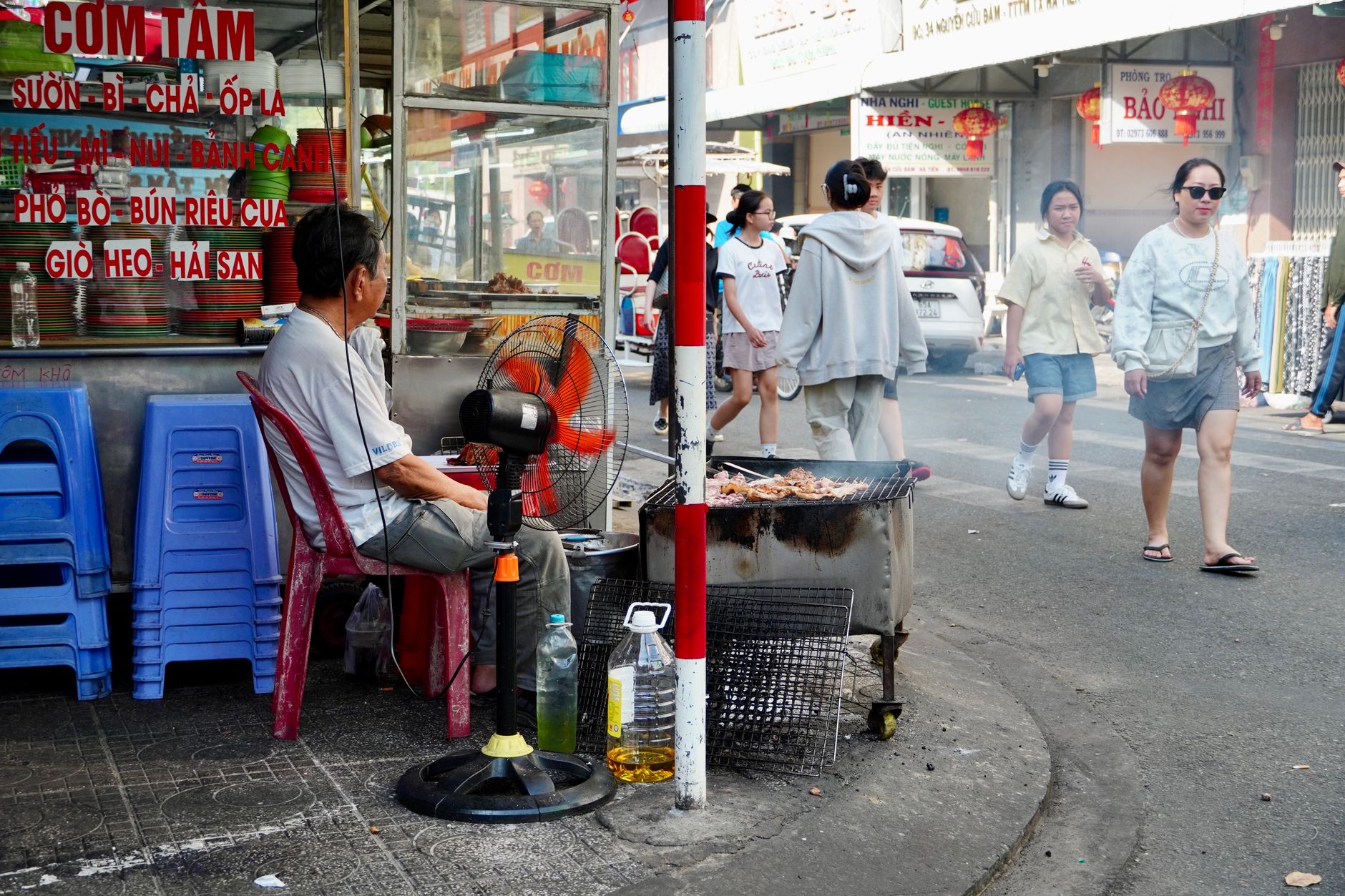
Ben Tre's town center is modest but functional. Walk along Ham Luong Bridge at dusk when the river light is decent, then eat at one of the open-fronted restaurants on Hai Ba Trung Street. The regional specialty worth ordering is "banh xeo" filled with shrimp, bean sprouts, and sliced pork — the delta version is crispier than the Saigon one and usually cheaper, around 35,000–50,000 VND per pancake.
"Bia hoi" is available at plastic-stool spots near the market for around 8,000–10,000 VND a glass. The crowd is mostly locals finishing a work day, which is exactly the point.

Photo by Quang Nguyen Vinh on Pexels
Day 2 — Island Cycling and a Homestay Night
Morning: Cycle Tan Thach or An Hoa Island
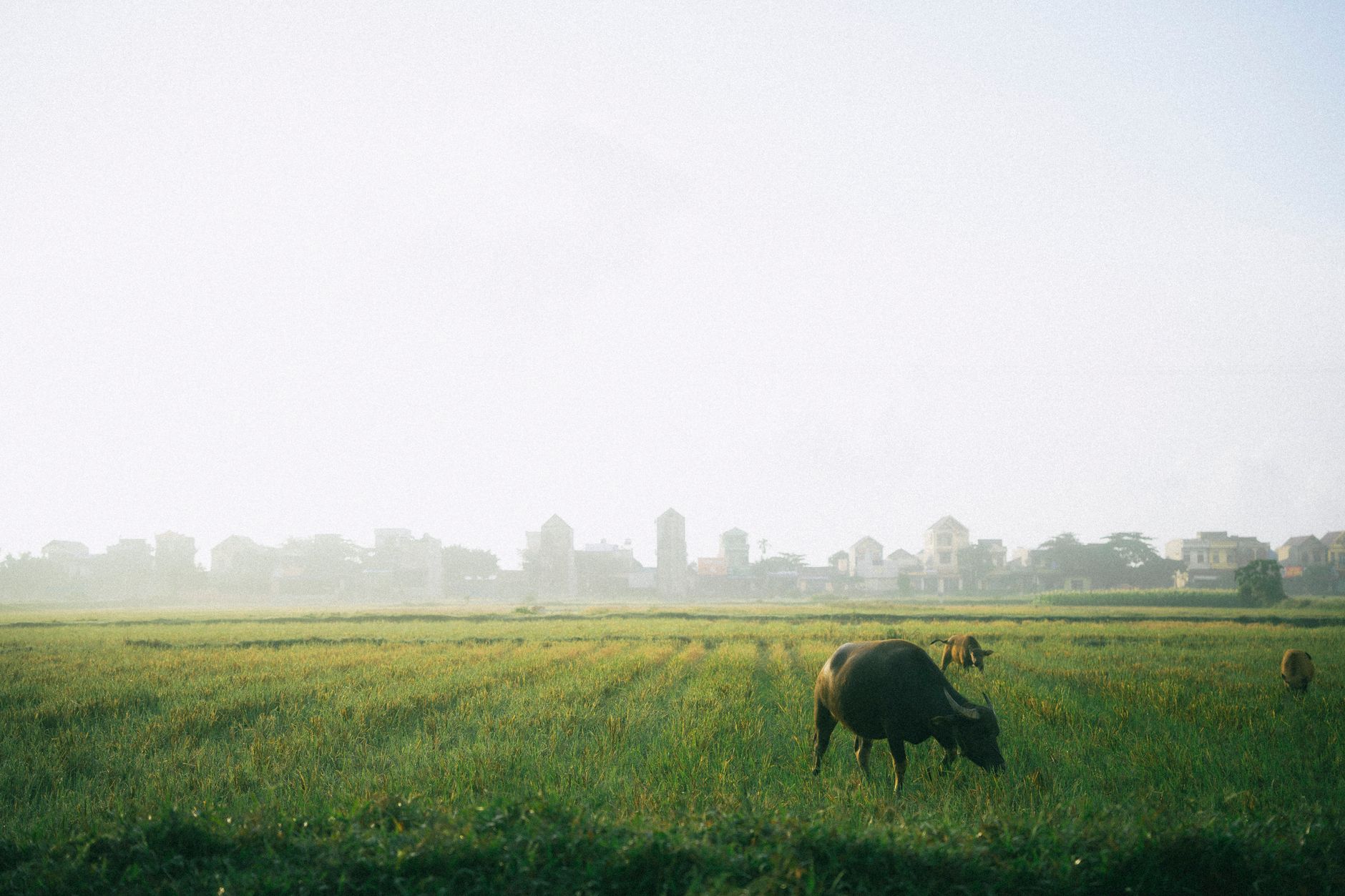
Rent a bicycle from your guesthouse (30,000–50,000 VND/day) and cross to Tan Thach Island via the local ferry — the crossing itself costs about 5,000 VND. The roads are shaded and flat, running between coconut plantations, small orchards of longan and durian, and family compounds where production is still done by hand. There are no major "attractions" here and that is the attraction.
Stop for a coffee at any house with a hammock outside — roadside "ca phe" operations in the delta often look like someone's living room because they are. A glass of ca phe sua da will cost 15,000–20,000 VND.
Afternoon: Honey Bee Farm and the River
Several family-run honey farms on Tan Thach welcome visitors for informal tastings. You'll taste honey harvested from bees that feed on coconut flowers — the result is pale, thin, and distinctly floral. There's no entrance fee; buying a jar (80,000–120,000 VND for 300ml) is the transaction.
By mid-afternoon, position yourself near the river for the evening ferry traffic. The Ham Luong River is wide here, and the boat movement at golden hour is worth staying put for.
Night: Homestay on the Island
Several families in Tan Thach and Binh Dai districts run proper homestays — not hotels that call themselves homestays, but actual family houses with a spare room, a shared bathroom, and dinner cooked over a wood stove. Rates run 200,000–300,000 VND per person including breakfast. Booking through a Ben Tre-based guesthouse or local tour operator is more reliable than platforms that rarely update availability.
Dinner at a homestay typically means whatever was caught or grown that day: catfish braised in clay pots ("ca kho to"), morning glory stir-fried with garlic, and steamed rice. It is better than most restaurant meals in the area.

Photo by Flint Huynh on Pexels
Getting There
From Saigon's Mien Tay Bus Station, express buses to Ben Tre town run frequently and cost around 80,000–100,000 VND for the roughly two-hour ride. Grab cars are an option from Saigon but add up quickly over that distance. A xe om from the bus station to the town center costs 30,000–40,000 VND.
Frequently Asked Questions
How far is Ben Tre from Saigon and how do I get there?
Ben Tre sits 86 km south of Saigon. The most practical approach is to travel via Can Tho or take a direct bus from Ho Chi Minh City's bus terminals. Once in Ben Tre town, guesthouses run 250,000-350,000 VND per night. Booking accommodation locally rather than through a Saigon hotel desk gets you lower rates and access to better canal routes through guides with real local knowledge.
What does a sampan boat tour on the Ben Tre canals cost?
Hiring a sampan from Ben Tre Tourist Wharf on Ngo Quyen Street costs around 150,000-200,000 VND per person for a two-hour circuit through the Tan Thach canal system. Choose the narrow wooden sampans over larger tour boats — they access channels the bigger vessels cannot reach, passing fish-trap workshops, duck farms, and stretches of canal where the palm canopy closes completely overhead.
When is the best time of day to explore Ben Tre town on foot?
Dusk is worth targeting: walk Ham Luong Bridge when the river light is at its best, then eat at open-fronted restaurants on Hai Ba Trung Street. Regional banh xeo — shrimp, bean sprouts, and pork pancakes — runs 35,000-50,000 VND. Nearby market-area plastic-stool spots serve bia hoi for 8,000-10,000 VND a glass to a crowd that is mostly locals finishing a work day.
Practical Notes
Ben Tre is manageable on a day trip from Saigon but rewards an overnight stay — the canals are different at dusk and dawn. Bring cash; ATMs exist in town but not on the islands. The rainy season (May–October) floods some canal paths, but it also empties the guesthouses and cuts prices further.
Last updated · May 29, 2026 · independently researched, never sponsored.