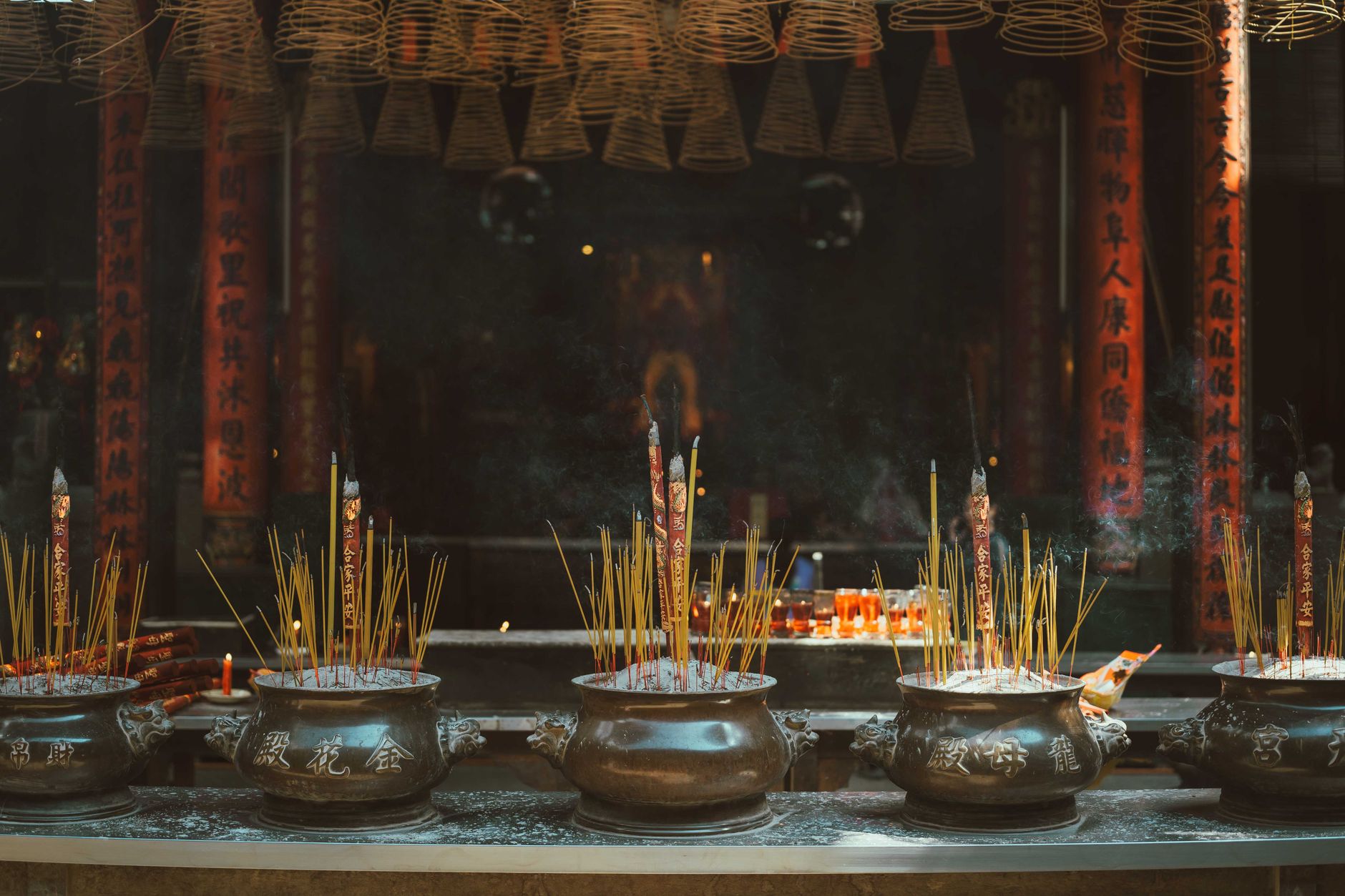
Twelve kilometers southwest of Hanoi's Old Quarter, the small town of Van Phuc has been producing silk since the 11th century. It's close enough for a half-day trip and different enough from the city to justify the ride.
Where Van Phuc Is
Van Phuc sits in Ha Dong district, about 12 km from Hoan Kiem Lake. By taxi or ride-share (Grab), it's 25–35 minutes depending on traffic and costs around 80,000–120,000 VND each way. By bus, take line 01 from Long Bien or line 21 from the Old Quarter — the ride takes 40–50 minutes and costs 9,000 VND. Most visitors come on their own; there's no need for a tour.
The main weaving street, Duong La, runs about 400 meters and is flanked almost entirely by silk showrooms and tailors. Behind it, residential lanes still have working looms — you can hear them before you see them.
A Thousand Years of Weaving
Legend ties Van Phuc's founding to a woman named A La, a Chinese immigrant who reportedly introduced silk-weaving techniques here during the Ly dynasty. Whether or not the origin story is precise, the craft has been continuous. By the French colonial period, Van Phuc silk had a reputation that reached Hanoi (하노이 / 河内 / ハノイ)'s European boutiques. During wartime, production dropped sharply, but the village never stopped weaving entirely.
Today, around 1,000 of the roughly 1,200 households in Van Phuc are involved in some part of the silk trade — weaving, dyeing, cutting, or selling. The looms are electric now, not hand-thrown, but the fabric itself is still made from Vietnamese silkworm thread, at least in the better workshops.
Real Silk vs. Blends — How to Tell
This matters because a significant portion of what's sold in Van Phuc is not pure silk. Some shops sell polyester blended with silk and label it vaguely. A few sell full synthetic at silk prices. Knowing the difference saves you money and frustration.
The burn test is the most reliable method. Ask a vendor for a loose thread and burn it. Pure silk chars, crumbles to ash, and smells faintly of burning hair. Polyester melts, beads up, and smells like plastic. Most reputable shops will let you do this without complaint — if they hesitate, that tells you something.
The feel test is less definitive but useful: real silk warms up quickly against your palm and has a slightly irregular texture. Polyester satin stays cool longer and feels uniformly smooth.
Price is a rough proxy. Pure silk fabric in Van Phuc runs 180,000–400,000 VND per meter depending on weave and thread count. Anything under 100,000 VND per meter is almost certainly a blend. "Ao dai" fabric — the lightweight kind used for traditional Vietnamese dress — tends to sit at 200,000–300,000 VND per meter for the real thing.

Photo by Nimit N on Pexels
The Showroom Row
Duong La is essentially one continuous shop front. Quality varies considerably, so it's worth walking the full length before buying anything. A few notes:
Shops toward the far (western) end of the street tend to be less tourist-focused and occasionally have better prices. The first 100 meters closest to the entrance arch get the most foot traffic and price accordingly.
Some showrooms have looms operating on the ground floor or visible through a back window — these are generally the more serious producers rather than pure resellers. Watching the loom work is genuinely interesting: jacquard silk with its raised patterns requires a separate punch-card mechanism that predates modern computing logic by centuries.
Products beyond fabric include scarves (120,000–250,000 VND), ties, pillow covers, and ready-made blouses. The ready-made sizing runs small, and alterations take at least a day.
Tailoring Options
If you want something made to measure, Van Phuc can do it, but manage expectations around timing. Simple items — a scarf, a pillowcase, a straight-cut blouse — can be turned around in one day if you arrive before noon. An "ao dai (아오자이 / 奥黛 / アオザイ)" takes two to three days minimum at most shops. A lined jacket or suit requires a return trip or shipping.
A few shops have English-speaking staff and fabric sample books. Bring a reference photo if you have a specific cut in mind. Prices for tailoring are cheaper here than in Hanoi's Old Quarter for equivalent quality: a full ao dai in pure silk fabric runs roughly 800,000–1,500,000 VND all-in depending on complexity.
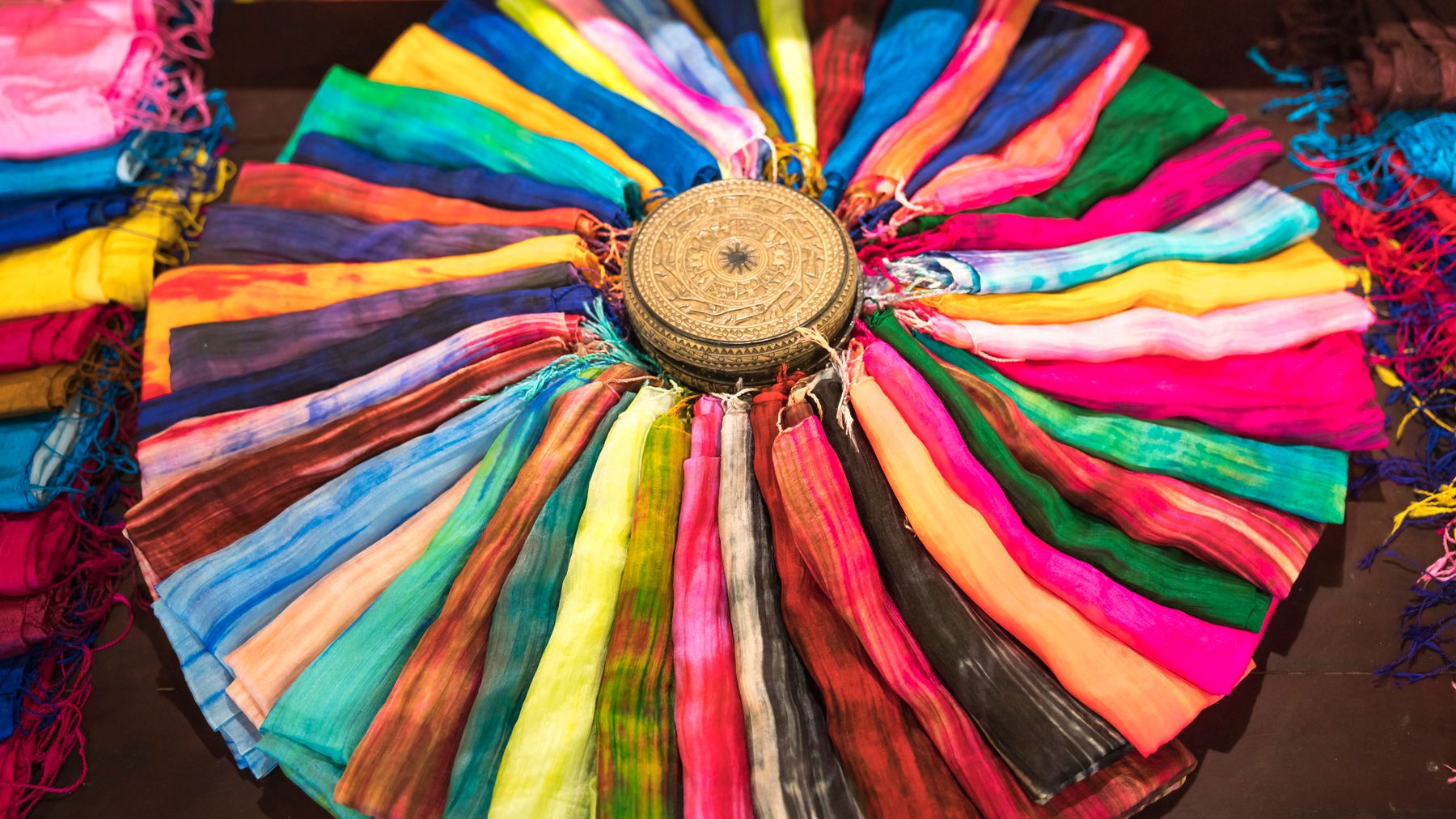
Photo by Quang Nguyen Vinh on Pexels
Combining with a Hanoi Day
Van Phuc works well as either a morning excursion or an afternoon add-on. If you're starting from the Old Quarter, pair it with a stop at the Temple of Literature on the way out — they're roughly in the same direction, and the temple takes 45–60 minutes. Come back into the city in time for dinner.
If you want to make it a longer loop, Bat Trang ceramic village is on the opposite side of Hanoi (about 14 km east), but some visitors do both in the same day by crossing the city. It's doable but tiring.
For food, Van Phuc's own street has a few pho and banh mi stalls near the entrance. Nothing remarkable, but perfectly functional for a quick lunch before heading back.
Frequently Asked Questions
How far is Van Phuc Silk Village from Hanoi's Old Quarter?
Van Phuc is 12 km southwest of Hoan Kiem Lake in Ha Dong district. By Grab or taxi, the ride takes 25-35 minutes and costs 80,000-120,000 VND each way. Bus lines 01 (from Long Bien) and 21 (from the Old Quarter) take 40-50 minutes and cost just 9,000 VND. No guided tour is necessary — most visitors arrive independently.
What is the most reliable way to check if silk is pure at Van Phuc?
The burn test is the most reliable method. Ask a vendor for a loose thread and hold a flame to it. Pure silk chars, crumbles to ash, and smells faintly of burning hair. Polyester melts, beads into a ball, and smells like plastic. Reputable shops will allow this test without objection. As a price guide, pure silk fabric runs 180,000-400,000 VND per meter; anything under 100,000 VND per meter is almost certainly a blend.
When did Van Phuc village begin producing silk and how old is the tradition?
Van Phuc's silk-weaving tradition dates to the 11th century during the Ly dynasty, tied by legend to a Chinese immigrant named A La who introduced the techniques. Production has continued without full interruption since then — even during wartime, the village kept weaving. Today around 1,000 of the roughly 1,200 households are involved in some part of the silk trade, including weaving, dyeing, cutting, and selling.
Practical Notes
Van Phuc is open daily; most shops run 8:00–18:00. Weekday mornings are the least crowded. Bargaining is expected at stalls but less so at the larger showrooms with fixed-price tags — read the room. Bring cash; card acceptance is inconsistent outside the larger shops.
Last updated · May 26, 2026 · independently researched, never sponsored.