Hanoi has its rhythms, but the city can close in on you after a few weeks of traffic and construction noise. These five escapes sit within 150 km of the city center — close enough for a Friday-night departure, varied enough to keep the calendar interesting across a full year.
1. Ninh Binh — Late September to November
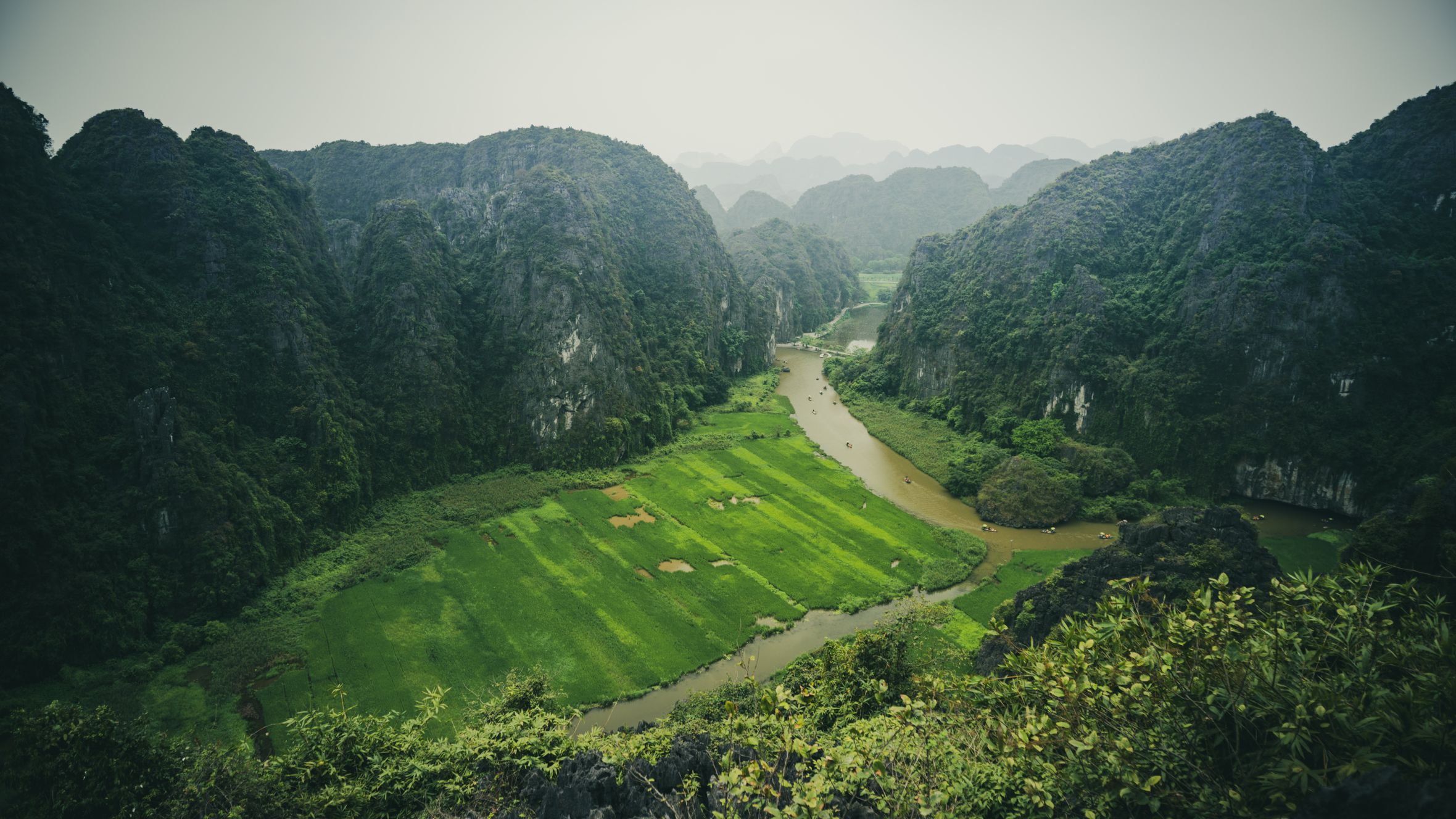
Ninh Binh (닌빈 / 宁平 / ニンビン) is the go-to for a reason, and that reason is the light in October when the rice paddies around Tam Coc go gold before harvest. Three hours by bus from My Dinh station (around 100,000 VND), or 2.5 hours if you rent a motorbike and take National Route 1 south through Phu Ly. Trains also run from Hanoi station — slow but comfortable, with views of the Red River delta flattening out.
Base yourself in Ninh Binh town rather than the resort strip near Tam Coc; guesthouses on Luong Van Tuy street run 250,000–400,000 VND a night and put you close to the night market. Spend one day at Hoa Lu, the 10th-century capital with its stone citadel remains and two temples wedged between karst cliffs, and half a day at Bai Dinh, the largest Buddhist complex in Vietnam (베트남 / 越南 / ベトナム) — worth it if you can ignore the tour groups. The second day, rent a bicycle (50,000 VND/day) and ride the flat loop around Tam Coc before the boat crowds arrive.
2. Cat Ba — May to June, or September
Cat Ba island is the practical entry point into Ha Long Bay without the full cruise price tag. The fastest route from Hanoi is a Hoang Long limousine bus direct to the Cat Ba ferry terminal — around 250,000 VND and four hours door-to-dock. Avoid July and August: the island is overrun and accommodation prices double.
May and September hit the sweet spot — warm water, manageable crowds, and green hills after the spring rains. Stay in Cat Ba town on the harbor front (rooms from 350,000 VND), eat "bun ca" at the morning market stalls near the ferry dock, and rent a kayak to reach the quieter coves on the island's southeastern side. Cat Ba National Park offers a solid half-day trail to Ngu Lam peak — about 1,200 m of walking with a view over the bay that makes the climb worthwhile.

Photo by Quang Nguyen Vinh on Pexels
3. Mai Chau — February to March, or October
Mai Chau sits in a wide, flat valley about 135 km southwest of Hanoi — a 3.5-hour drive through the Hoa Binh reservoir road, or a 4-hour bus from Giap Bat station (110,000 VND). The valley floor is farmed by Thai minority communities, and the homestay scene here is genuinely relaxed — wooden stilt houses, communal dinners, and local rice wine that appears whether you want it or not.
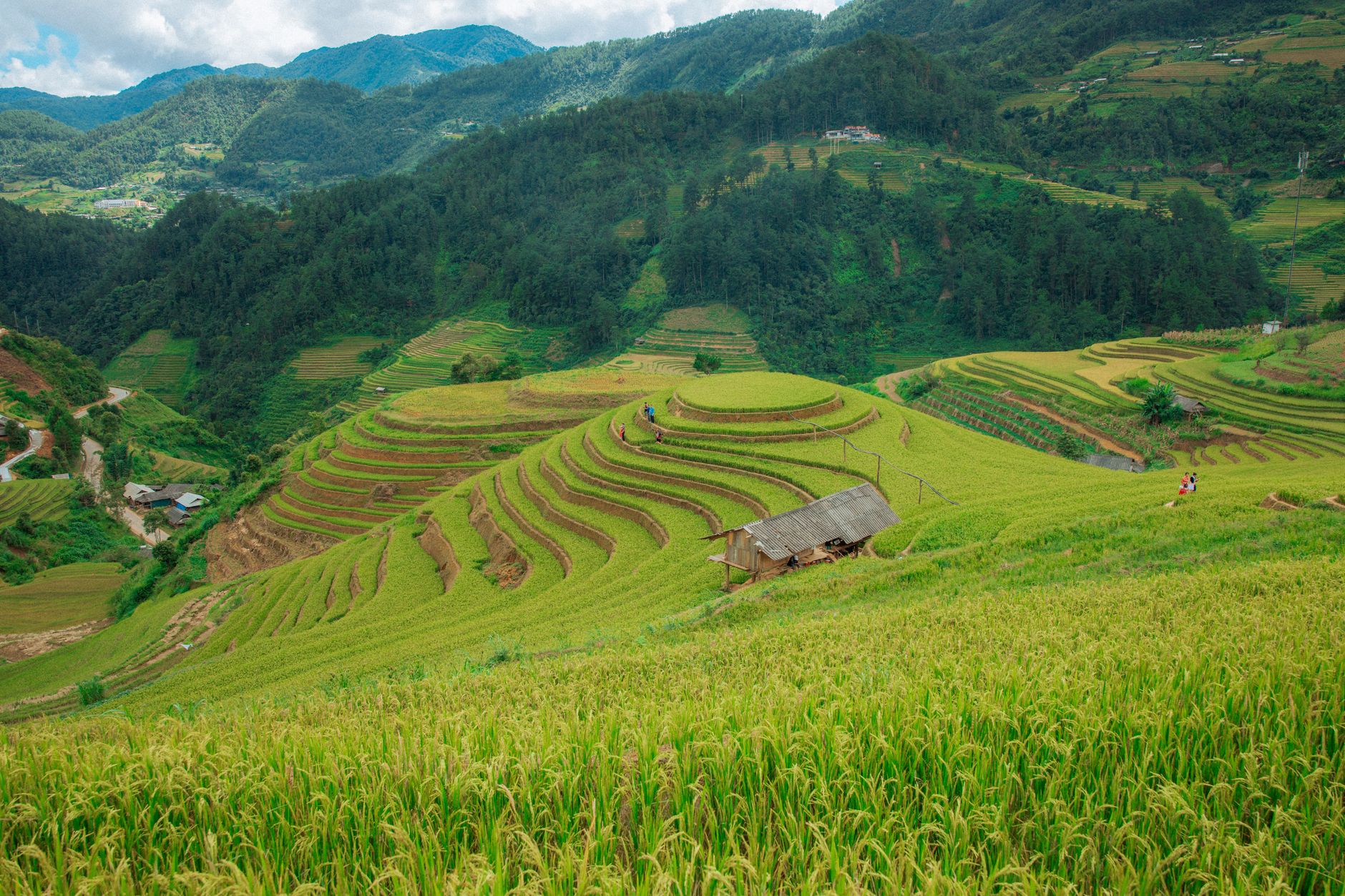
February is best: cool, dry, and the valley mist burns off by mid-morning to reveal terraced fields and distant ridges. October delivers the post-harvest quiet before the cold sets in. Homestay packages with dinner and breakfast run 200,000–350,000 VND per person in the villages of Lac or Pom Coong. Bring a bicycle or rent one locally to cover the flat valley roads — the loop past the Muong and White Thai villages takes two to three hours and covers about 15 km. The woven textile stalls in Lac village sell proper handloom fabric at fair prices; skip the souvenir shops near the car park.
4. Tam Dao — April to May, or August (for the clouds)
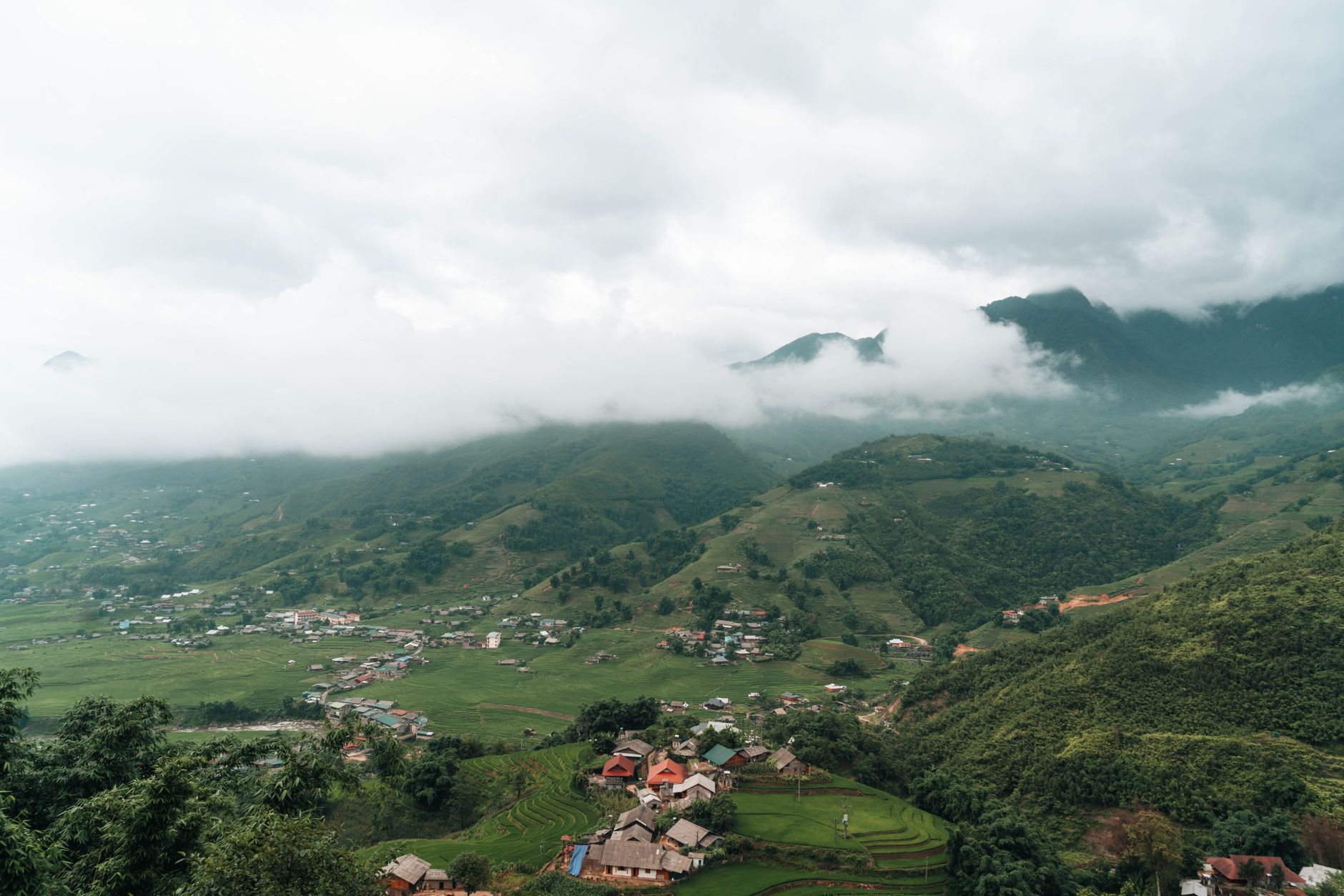
Tam Dao is Hanoi's hill station — 85 km north, rising to 900 m on a narrow road through Vinh Phuc province. In April and May, the forests are actively green and the temperature sits 5–8°C below the city. In August, the mountain disappears into cloud by mid-afternoon, which is either atmospheric or frustrating depending on your temperament.
The drive takes about two hours by motorbike via National Route 2 to Vinh Yen, then up the mountain road — manageable and scenic. A Hanoi–Tam Dao shuttle bus runs from Giap Bat for around 80,000 VND. The town itself is a single main street of guesthouses and restaurants perched on the ridge; stay at one of the older French-era villas if you can find a vacancy (600,000–900,000 VND). Walk the trail past Thien Vien Truc Lam monastery and up toward the three peaks — the full circuit takes four to five hours and the forest cover is genuine subtropical jungle. Eat "ga doi" (free-range chicken) at any of the street-side restaurants; it's the local specialty and the gap in quality from city chicken is noticeable.

Photo by Quang Nguyen Vinh on Pexels
5. Ba Vi — December to January (for the cold-weather atmosphere)
Ba Vi National Park is the quietest of the five, sitting 60 km due west of Hanoi — an hour and a half by motorbike across the Tay Tuu bridge into Ba Vi district. Most visitors come on a day trip, which means weekends are crowd-free by 4 pm. A small guesthouse cluster near the park gate offers rooms from 300,000 VND.
The park rises to 1,296 m at the Ba Vi peak, where a ruined French sanatorium sits in the mist — roofless walls, moss-covered staircases, and an odd serenity. The drive up the internal park road (entry fee 60,000 VND) passes deer enclosures and a Dao minority village. In December and January, temperatures at the summit drop below 10°C at night — cold by Vietnamese standards, and worth packing a layer for. The return ride to Hanoi at dusk along the Son Tay road, with the Red River on your left, is the best part of the whole trip.
Practical Notes
All five routes are doable without a car — bus, shuttle, or motorbike cover every option. If you're driving yourself, Google Maps is reliable on these routes; Waze is inconsistent in the mountains. Book accommodation a week ahead for Ninh Binh and Cat Ba on peak weekends; Ba Vi and Tam Dao rarely require advance planning except during national holidays.
Last updated · May 30, 2026 · independently researched, never sponsored.