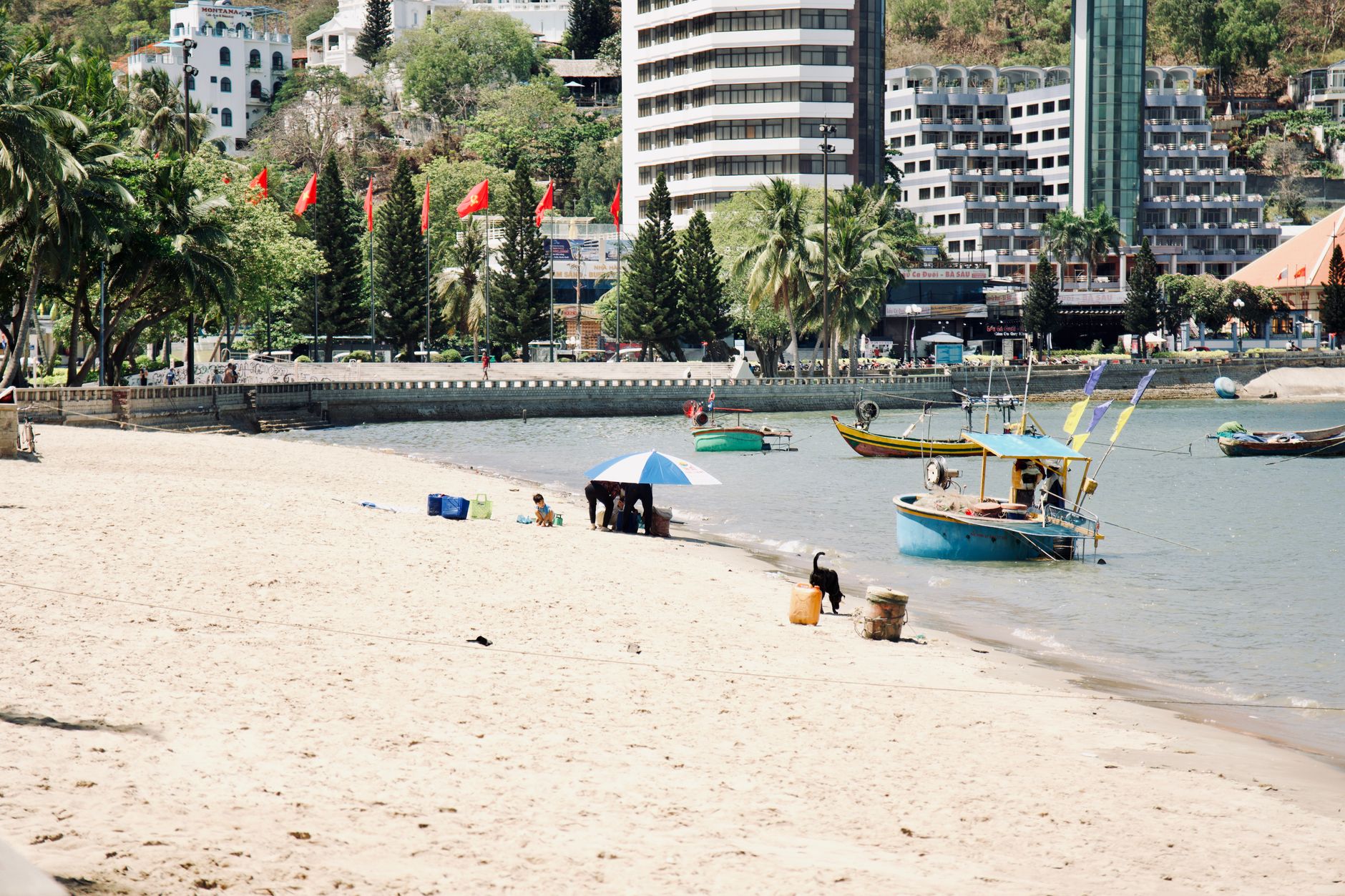
The Vung Tau Noodle Scene
When you arrive in Vung Tau, the salt air and the sight of the ocean might pull you toward the nearest seafood shack. But if you want to eat like a local, you need to look for the steam rising from the sidewalk stalls. Vung Tau has a distinct culinary identity that bridges the gap between the heavy, savory profiles of the south and the lighter, herb-forward traditions of the coast.
While the city is famous for "banh khot"—those crispy, turmeric-infused mini pancakes topped with shrimp—the true soul of the city is found in its "hu tieu". Specifically, the local obsession with "hu tieu muc", or squid noodle soup, defines the morning routine here.
The Rise of Hu Tieu Muc
"Hu tieu" is a staple across the south, but in Vung Tau (붕따우 / 头顿 / ブンタウ), the broth takes on a cleaner, sweeter profile thanks to the abundance of fresh, daily-caught squid. Unlike the heavier pork-bone broths you might find in Saigon, the version here relies on the natural sweetness of the squid and a base of dried shrimp and radish.
When you order a bowl, you will typically get a choice of noodles: clear tapioca, yellow egg, or the classic rice noodle. The bowl arrives topped with blanched squid, quail eggs, minced pork, and a generous handful of fried garlic. The secret is the dipping sauce—a small bowl of thick, dark soy sauce with sliced bird's eye chilies that cuts through the sweetness of the broth.
Where to find it
Head to the streets surrounding the central market area. You will see locals hunched over small plastic stools as early as 6:00 AM. Prices are incredibly reasonable, usually hovering between 40,000 VND and 60,000 VND per bowl. If you are near the downtown core, look for stalls that display fresh, translucent squid on ice; if the squid is opaque or rubbery, keep walking. A good bowl of "hu tieu (후띠우 / 粿条 / フーティウ) muc" should have a snap to the squid that feels like it was caught only hours prior.
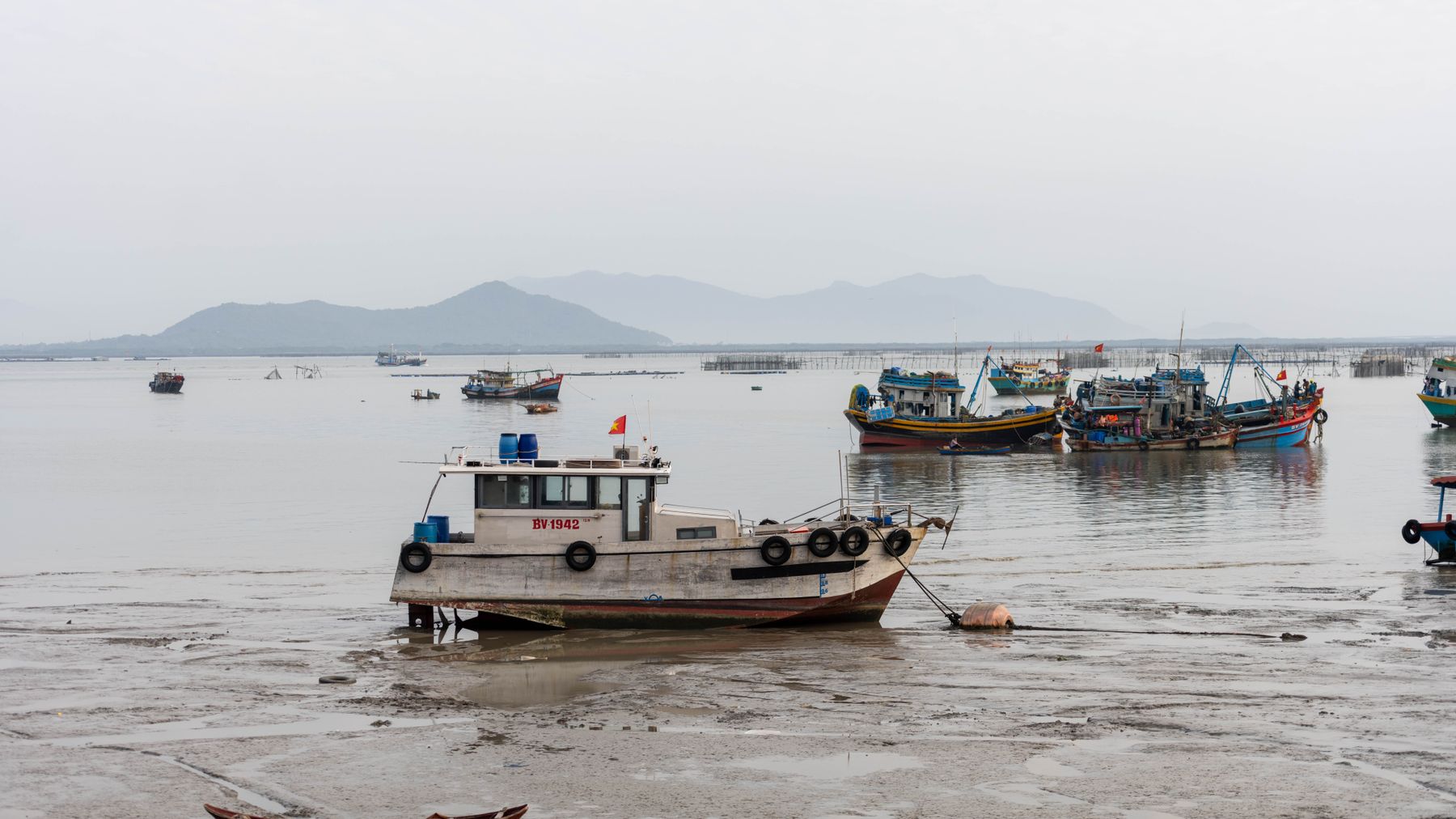
Photo by Quang Vuong on Pexels
The Banh Khot Connection
It is impossible to talk about Vung Tau food without mentioning "banh khot". While not a noodle dish, it is the essential companion to a day of eating. These small, savory cakes are made from rice flour, coconut milk, and turmeric. They are fried in small molds until the edges are lacey and golden.
Most locals eat these by wrapping a single cake in a large mustard leaf, adding a few sprigs of perilla and mint, and dipping the whole bundle into a bowl of "nuoc mam" (fish sauce) that has been balanced with sugar, garlic, and shredded green papaya. You can find these at dedicated shops like Goc Vu Sua, though be prepared for a wait on weekends. Expect to pay around 60,000 to 80,000 VND for a plate of eight to ten cakes.

Photo by Trần Phan Phạm Lê on Pexels
Why Vung Tau Cuisine Matters
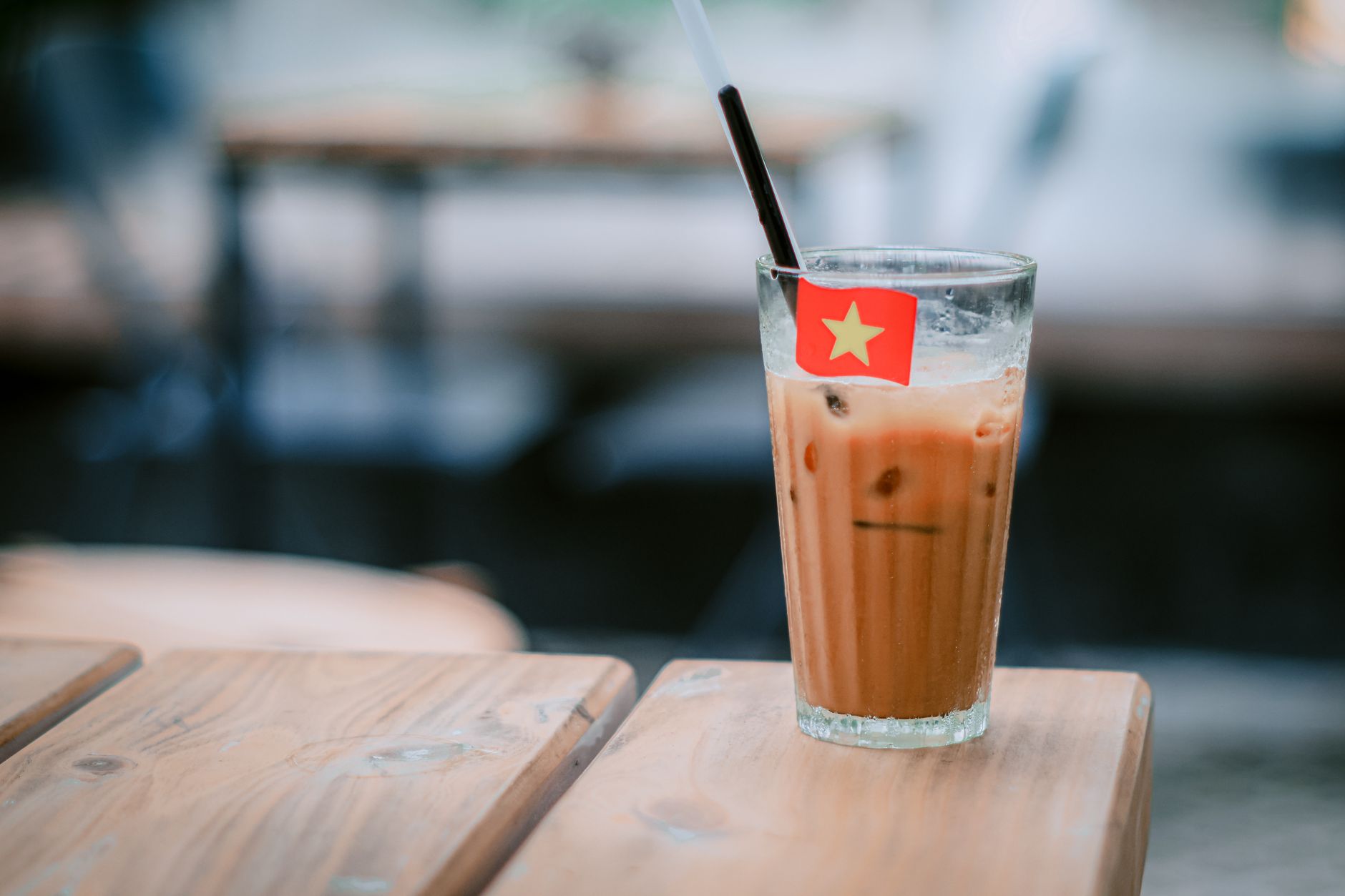
There is a specific cadence to eating in Vung Tau. It is slower than the frantic pace of Saigon. You start your morning with a bowl of "hu tieu" near the harbor, move to a "vietnamese coffee" at a cafe overlooking the Back Beach, and save your "banh khot" for a late afternoon snack.
Unlike the more tourist-heavy coastal cities, Vung Tau has maintained a sense of authenticity because it remains a weekend escape for residents of the south. The food is designed to be accessible, fresh, and unpretentious. You won't find white-tablecloth service here, and you shouldn't look for it. The best meals are served on metal tables, accompanied by the sound of motorbikes and the distant roar of the ocean.
Practical Notes
Most of the best noodle stalls in Vung Tau open early and close by 1:00 PM or 2:00 PM. If you are looking for a late-night fix, you will have to stick to the larger, more commercial seafood restaurants, which lack the charm of the morning market stalls. Always carry small denominations of cash, as these family-run spots rarely handle large bills or digital payments.
Last updated · May 30, 2026 · independently researched, never sponsored.