Living in or spending extended time in Saigon means you will eventually need to leave it. The city rewards patience, but it also wears you down. These five escapes are the ones worth building a year around — each suits a different month, mood, or travel window.
Vung Tau — The Default, Done Right
Distance from Saigon (사이공 / 西贡 / サイゴン): roughly 120 km southeast. By high-speed ferry from Bach Dang Wharf, you are there in 80 minutes. By car or bus, allow two hours on a good day, longer on a Friday afternoon. The Phuong Trang and Kumho Samco buses run frequently from Mien Dong station for around 80,000–100,000 VND.
Best window: November through April, when the South China Sea coast stays dry and the swell calms down.
Vung Tau does not pretend to be a pristine beach destination. It is a working port city with Soviet-era architecture, a strong Russian expat presence, and seafood restaurants that cater to oil-industry workers and weekend day-trippers in equal measure. That mix is exactly why it works. Eat "banh khot" — the small, crispy coconut-rice cups topped with shrimp — at any of the stalls on Nguyen Truong To street in the morning. Rent a motorbike and ride the coastal road around the peninsula before the heat sets in. Back Saigon by Sunday evening with minimal drama.
Skip: the crowded Front Beach on a Saturday in March. Go to Back Beach or Pineapple Beach instead.
Mui Ne — Sand, Wind, and Seafood
Distance from Saigon: 200 km northeast, roughly four hours by sleeper bus. The Phuong Trang overnight from Saigon costs around 150,000–200,000 VND and drops you in the fishing village by early morning.
Best window: November to March. Mui Ne sits in a rain shadow and gets considerably less wet season rainfall than the rest of the south. It is also the best kitesurfing window in Vietnam (베트남 / 越南 / ベトナム), which explains the European visitors with windburned faces at every cafe.
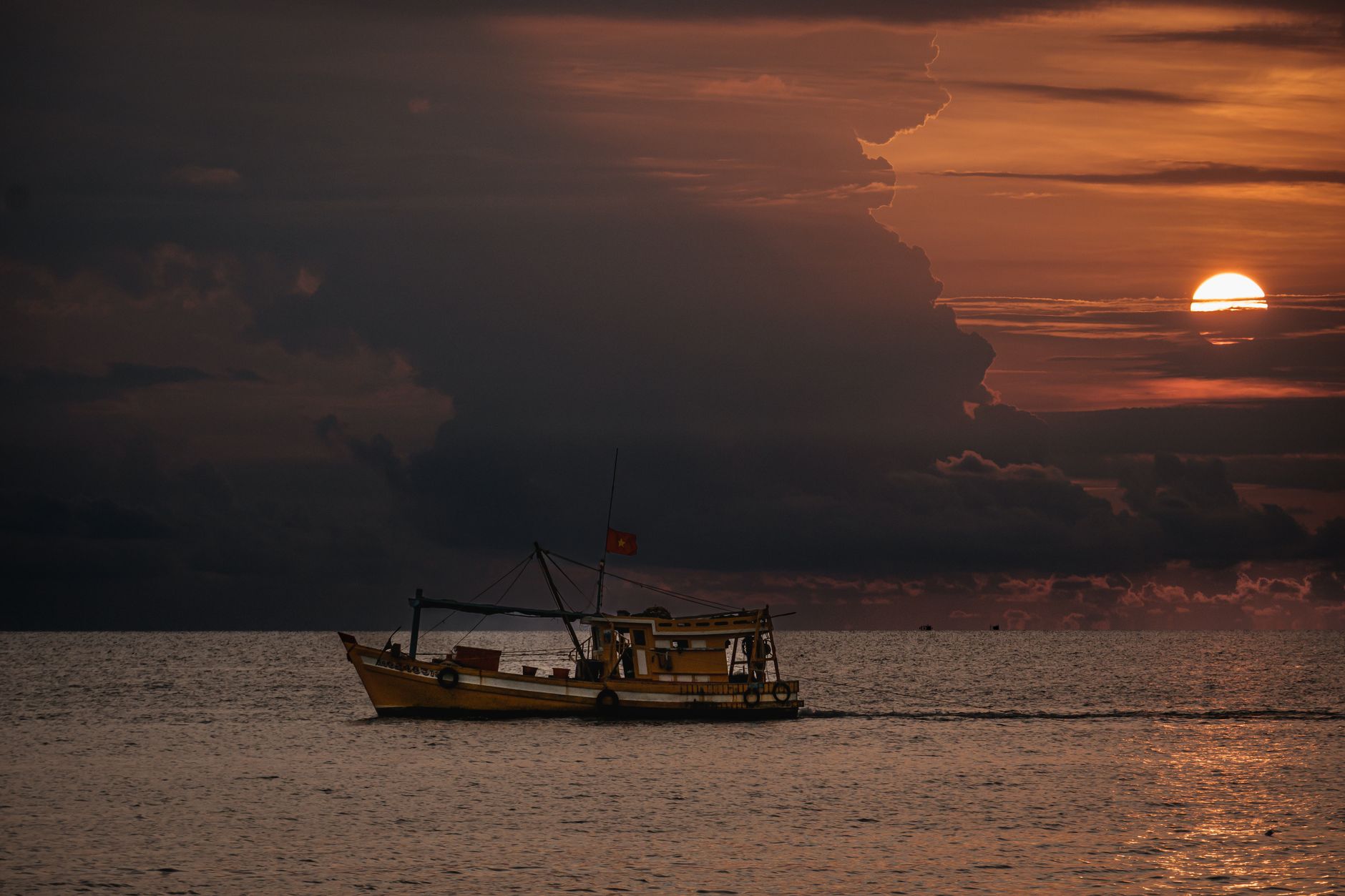
The red and white sand dunes north of town are real and worth two hours of your time, preferably before 7 a.m. when tour groups arrive. The fishing harbor at dawn — boats unloading, women sorting catch under headlamps — is one of the better early mornings you can have on a south Vietnam weekend. Lunch on "banh canh" crab soup at a roadside spot on Nguyen Dinh Chieu costs under 60,000 VND and is far better than anything on the resort strip.

Photo by Luke Dang on Pexels
Da Lat — The One You Keep Going Back To
Distance from Saigon: 300 km north, around six hours by bus or four hours by a competent driver on the new expressway. Futa BusLines is reliable for around 200,000–250,000 VND. Flights on VietJet or Bamboo run 45 minutes and can be cheap if booked ahead.
Best window: Da Lat is worth doing year-round, but November through January gives you cool, clear days, strawberry season, and the possibility of genuine cold at night — a novelty at this latitude. Avoid the Tet holiday window unless you enjoy crowds of 200,000 extra visitors.
Da Lat is the escape that does not feel like a compromise. The temperature drops to 15°C some nights. The market — Cho Da Lat — sells avocados, artichokes, and persimmons that simply do not exist in the Mekong delta heat. The coffee here is different too; the Arabica grown on the surrounding plateaus is lighter and fruitier than the robusta-heavy blends you get in Saigon. Spend a morning at the Truc Lam Zen monastery, rent a motorbike for the Valley of Love road loop, and find a crepe cart near the central market for dinner.
Can Tho — Slow Water, Fast Breakfast
Distance from Saigon: 170 km southwest, roughly three hours by bus or two and a half hours driving on the My Thuan–Can Tho expressway. Phuong Trang buses run constantly from Mien Tay station for around 100,000–130,000 VND.
Best window: December through March, when the Mekong delta is at its driest and the floating markets are at peak activity before the harvest slowdown.
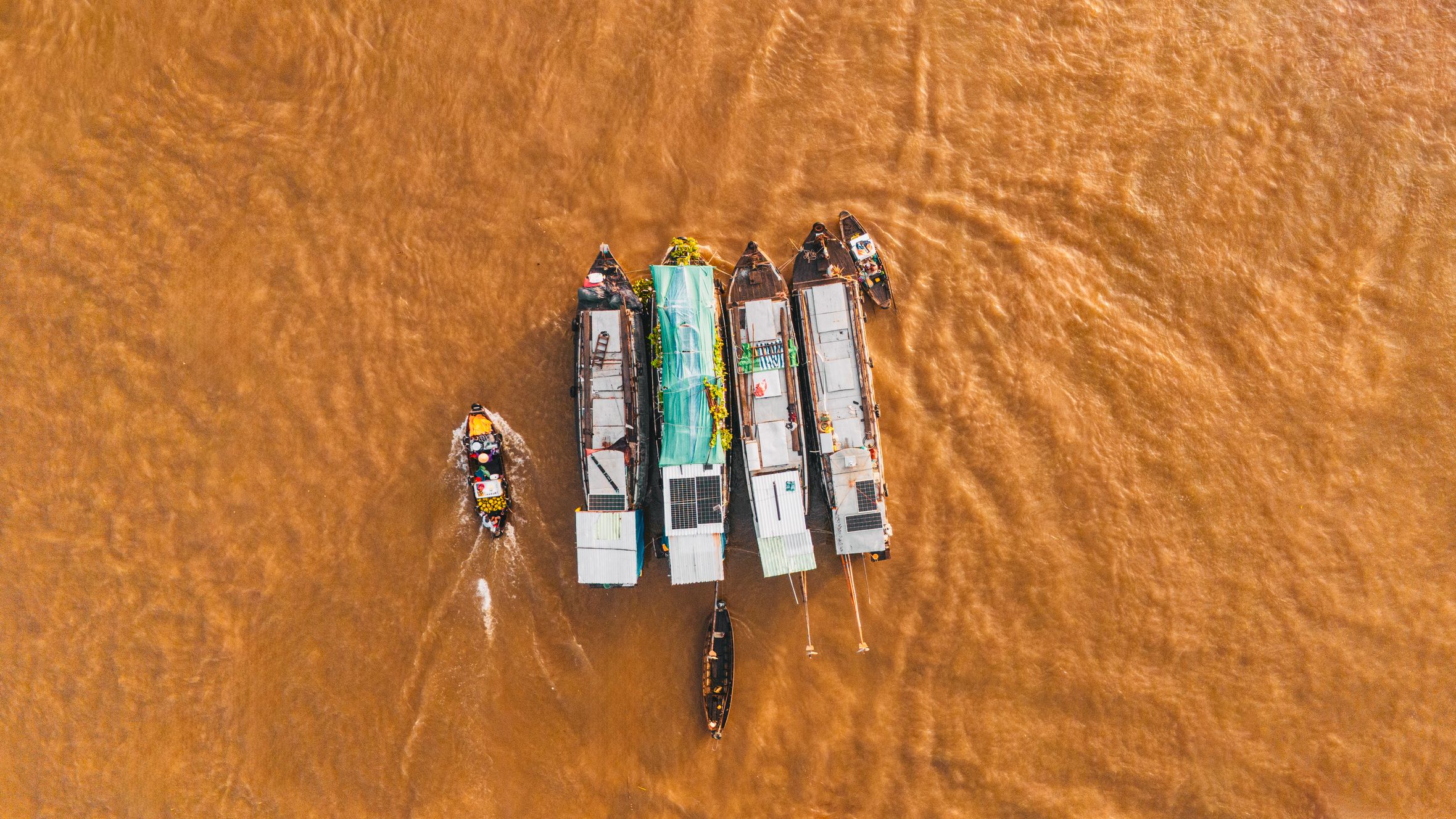
The Cai Rang floating market starts moving by 5 a.m. and winds down by 8 a.m. Get a boat from Ninh Kieu Wharf the night before, negotiate around 150,000–200,000 VND per person for a shared long-tail, and be on the water before sunrise. Vendors sell "hu tieu" from boat to boat. Buy a bowl. It is better than it has any right to be eaten on a slow river at dawn. The rest of Can Tho — the French-era market building, the Binh Thuy ancient house, the riverside promenade — fills the afternoon at a pace Saigon never allows.

Photo by HONG SON on Pexels
Con Dao — The One That Requires Planning
Distance from Saigon: 230 km offshore, accessible only by plane (45 minutes from Tan Son Nhat on VASCO or Bamboo) or by a 12-hour overnight ferry from Vung Tau. Flights run 800,000–1,500,000 VND return if booked a month out; closer to the date they spike sharply.
Best window: March through June, before the southwest monsoon hits the island hard. July through September brings real swell and periodic ferry cancellations.
Con Dao is the most logistically demanding of these five escapes, and it is the one that people tend to talk about longest after coming home. The island group has near-intact coral, a national park covering most of the land area, sea turtles nesting on Bay Canh island from May onward, and almost no commercial noise. Accommodation runs from basic guesthouses at 300,000 VND a night to the Six Senses resort, which occupies a different tax bracket entirely. The food scene is small but solid — fresh lobster at Con Dao Market costs a fraction of what you'd pay in Phu Quoc.
Book flights as soon as a long weekend appears on the calendar. The island has limited beds, and Saigon's weekend demand fills them fast.
Practical Notes
This rotation roughly maps to the dry season sweep from November through April, which is when all five destinations perform best — though Da Lat and Con Dao tolerate shoulder season better than the others. Budget 1,500,000–3,000,000 VND per person per weekend for transport and accommodation at the mid-range, excluding Con Dao, which runs higher. The Phuong Trang bus network handles Vung Tau, Mui Ne, Can Tho, and Da Lat without needing to book more than a day ahead.
Last updated · May 30, 2026 · independently researched, never sponsored.