Vietnam (베트남 / 越南 / ベトナム)'s QR payment infrastructure is genuinely impressive — tap a code, money moves instantly, no card machine required. The catch for most visitors: the main systems are built around Vietnamese bank accounts, and getting one as a foreigner takes some effort.
Here's what's actually going on, and what your realistic options are.
How VietQR Works
"VietQR" is a national QR payment standard that links directly to Vietnamese bank accounts. When a vendor displays a VietQR code — and almost every vendor does now, from corner coffee stalls in Hanoi to market sellers in Hoi An — scanning it with your Vietnamese bank's app sends money straight from your account to theirs. No card terminal, no 2% surcharge, no waiting. Transactions clear in seconds.
The standard is managed by NAPAS (the National Payment Corporation of Vietnam) and is now accepted across 50+ Vietnamese banks including Vietcombank, Techcombank, VPBank, MB Bank, and BIDV. It has genuinely replaced cash for millions of locals. You will see QR codes taped to the front of "banh mi" carts, propped up next to "pho" broth pots, and stuck to the wall of every convenience store.
The core limitation: VietQR requires a Vietnamese bank account. That means a Vietnamese phone number (which you can get — a local SIM runs about 70,000–120,000 VND for a tourist package), plus an in-person visit to a bank branch with your passport, and several business days of waiting. Doable if you're staying long-term. Not practical for a two-week trip.
MoMo: The App Tourists Can Actually Use
"MoMo" (short for Mobile Money) is Vietnam's largest e-wallet, with over 31 million registered users. It's a separate system from VietQR — it runs on its own network — but merchants accept MoMo QR codes just as readily as bank QR codes, often through the same printed sticker on the counter.
The good news: MoMo allows foreigners to register with a passport and a Vietnamese phone number, without needing a full Vietnamese bank account. Once registered, you can top up the wallet via an international credit card (Visa and Mastercard work, though a foreign card fee of around 1.5–2% applies) or by depositing cash at a MoMo agent point, which you'll find in convenience stores including Circle K and GS25.
The wallet caps are modest — unverified accounts are limited to 20 million VND total balance, and individual transactions cap at 10 million VND — but for a week or two of street food, ride-hailing, and coffee runs, that's more than enough.
Setup takes about 10 minutes: download the app, register with your Vietnamese number, verify your identity, and add funds. The interface has an English-language option buried in settings, though the UX is clearly built for Vietnamese users first.

Photo by Nimit N on Pexels
ZaloPay: The Other Option Worth Knowing
"ZaloPay" is MoMo's main competitor and works on similar principles — Vietnamese phone number required, top-up via card or cash agent, QR scanning at checkout. It's slightly less ubiquitous than MoMo in terms of merchant coverage, but it's particularly well-integrated into Zalo (Vietnam's dominant messaging app, the local equivalent of WhatsApp), so if you're already using Zalo to communicate with guesthouses or tour operators, ZaloPay connects naturally to the same account.
Acceptance at food stalls and markets in Saigon and Da Nang is solid. In smaller towns, MoMo has the edge.
Where You Can (and Can't) Use QR Payments
Works well:
- Street food stalls and market vendors — the majority now display QR codes
- Grab and Be ride-hailing apps (payment is in-app, no scanning required)
- Convenience stores: Circle K, GS25, Winmart, Co.opMart
- Most mid-range restaurants in cities
- Some museum and attraction entry fees
Still cash-only or card-only:
- Many rural guesthouses and homestays, particularly in areas like Sapa (사파 / 沙坝 / サパ) and Ha Giang
- Motorbike rental shops (most still want cash)
- Overnight sleeper buses
- Some traditional market stalls where the vendor is older and less digitally inclined
A general rule: if the vendor is under 40 and in any city, there's a QR code somewhere on the counter. If you're in a remote valley, bring cash.

Photo by Thien Phuoc Phuong on Pexels
The Practical Tourist Setup
If you're visiting for more than five days and plan to eat a lot of street food — which you should — the effort of setting up MoMo is worth it. The steps:
- Buy a local SIM on arrival (airports, phone shops, convenience stores — around 70,000–120,000 VND for a tourist data SIM).
- Download MoMo, register with your passport details and Vietnamese number.
- Top up via international Visa/Mastercard in-app, or find a cash agent at any Circle K.
- Start scanning. Point the app camera at any MoMo or VietQR sticker, confirm the amount, done.
One caveat: top-ups via foreign cards do incur a fee, so don't load the whole holiday budget at once. Load what you need for a few days, repeat as needed.
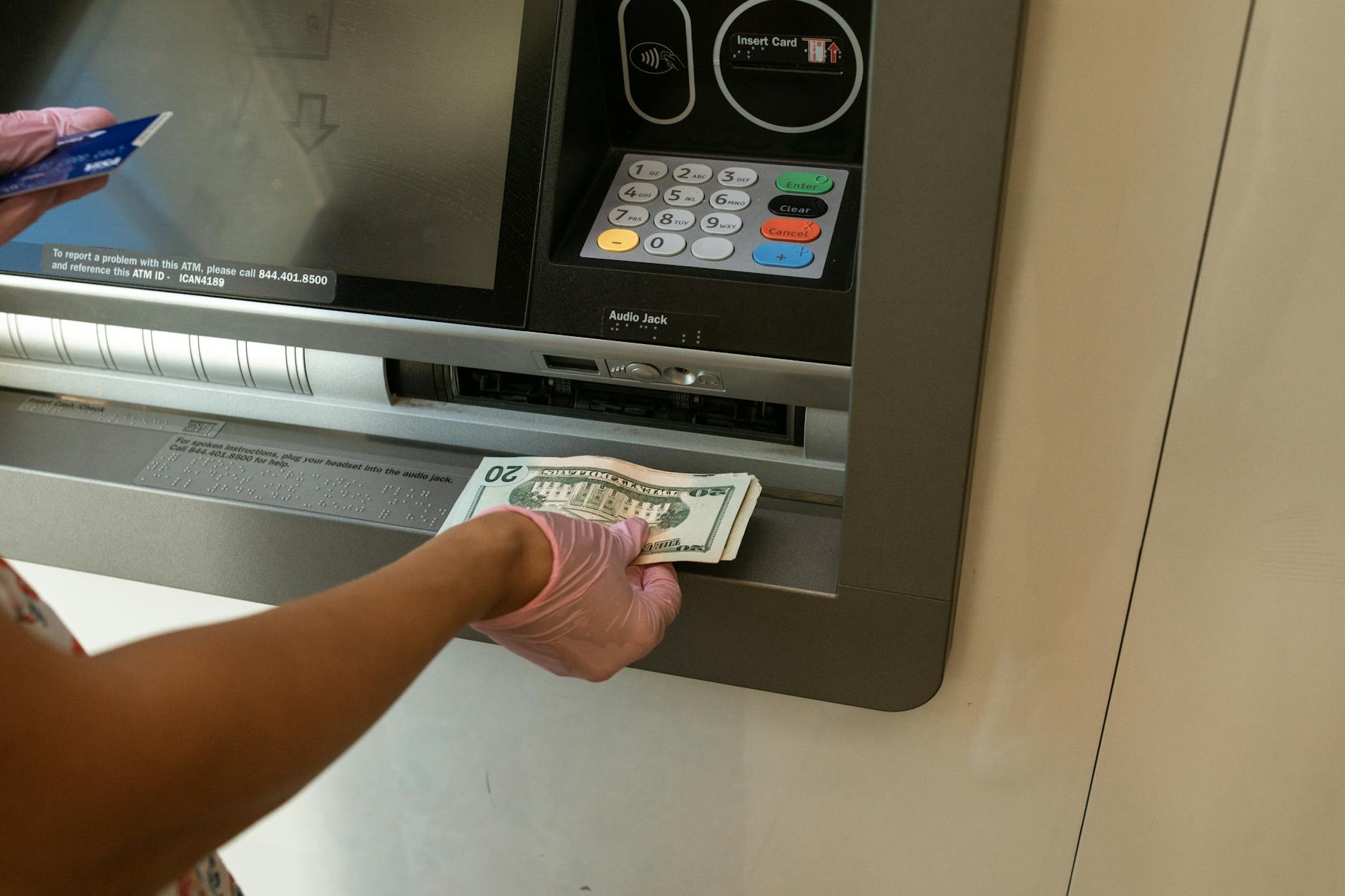
If you're only passing through for a few days or you're heading somewhere rural, skip the setup and use cash. ATMs are widely available in any town of reasonable size — Vietcombank and Techcombank ATMs tend to have the fewest issues with foreign cards — and most withdraw in 500,000 VND or 200,000 VND notes.
Bottom Line
VietQR is Vietnam's backbone payment system and it works seamlessly — for people with Vietnamese bank accounts. For tourists, MoMo is the realistic on-ramp: it takes about 10 minutes to set up, accepts foreign cards for top-up, and is accepted at the vast majority of places you'll actually eat. Grab a local SIM on day one, get MoMo running before your first "ca phe sua da" of the trip, and you'll spend less time fumbling for exact change and more time eating.
Last updated · May 29, 2026 · independently researched, never sponsored.