Why Bac Ha works as a base
Bac Ha is 140 km northeast of Hanoi and sits in Lao Cai Province, deep in the hills where H'mong, Tay, Nung, and other ethnic minorities gather for the Sunday market. Most travelers hit Sapa instead—it's bigger, has more tour operators—but Bac Ha feels less polished and the market is genuinely less touristy. The trade-off: the town itself is smaller, accommodation is more basic, and you need to plan your transport.
The 3-4 hour drive from Hanoi (하노이 / 河内 / ハノイ) means you'll want to arrive Saturday afternoon to catch the market early Sunday, then either return to Hanoi or push north to Ha Giang.
Bac Ha town (basic hotels)
The town center sits around a main road with a handful of guesthouses and small hotels. None are fancy. All are cheap.
Sao Mai Hotel (roughly 180,000–250,000 VND / $7–10 per room) is the most recognizable name locally. A concrete box with a double bed, fan or weak AC, and squat or Western toilet depending on the room. The owner speaks some English and can arrange a market tour guide (usually 150,000–200,000 VND for a 4-hour walk). Breakfast is instant noodles and fruit.
Bac Ha Hotel (250,000–350,000 VND / $10–14) is slightly nicer—tile floors, a balcony overlooking the street, and reliable hot water. Request a room facing away from the main road or you'll hear motorbikes all night.
Hoang Anh (300,000–400,000 VND / $12–16) caters to small tour groups. Clean linens, decent bathroom, and the owner runs a small restaurant downstairs. Breakfast included.
For all town hotels: arrive by 6 p.m. on Saturday. The Sunday market starts around 6 a.m., and you want to be there by 7:30 a.m. to see the vendors setting up and avoid peak foot traffic. If you sleep in, you'll miss the best light and the smallest crowds.
Ban Pho village (homestays)
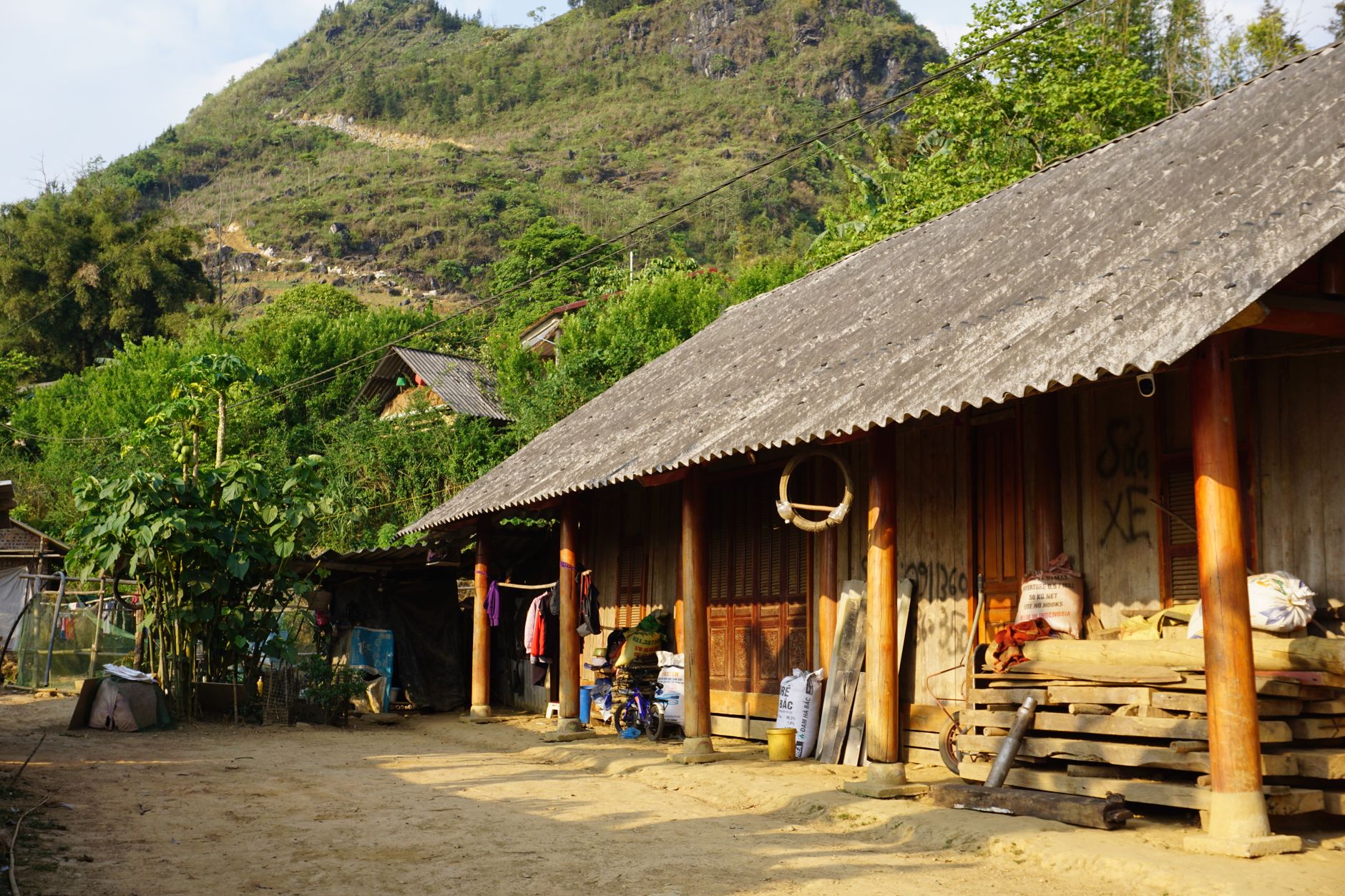
Ban Pho is a H'mong village 8 km south of Bac Ha town. Several families have opened their homes as homestays. This is where travelers who want to slow down end up.
Homestay density: there are roughly 6–8 registered homestays, all family-run. Expect a private or shared room in a traditional wooden house, homemade dinner, and breakfast (usually rice porridge, vegetables, eggs, and coffee or tea). Cost ranges from 200,000–350,000 VND ($8–14) per person, often cheaper in groups.
Bookings usually go through Hanoi tour operators (Hanoi Backpackers, Sapa (사파 / 沙坝 / サパ) Sisters, Old Quarter View) or direct messaging on homestay Facebook pages. No formal hotel system.
Why stay here: the village is quieter, the market walk is shorter (Ban Pho has its own small vendor presence on Sunday), and you'll eat better food. Homestay owners often guide you to less-crowded market spots. The trade-off: no hot shower guarantee in winter, basic WiFi, and fewer options if you need to bail early.
Getting to Ban Pho: taxi from Bac Ha town is 80,000–120,000 VND ($3–5). Most homestays arrange pickups from the town center if you message ahead.
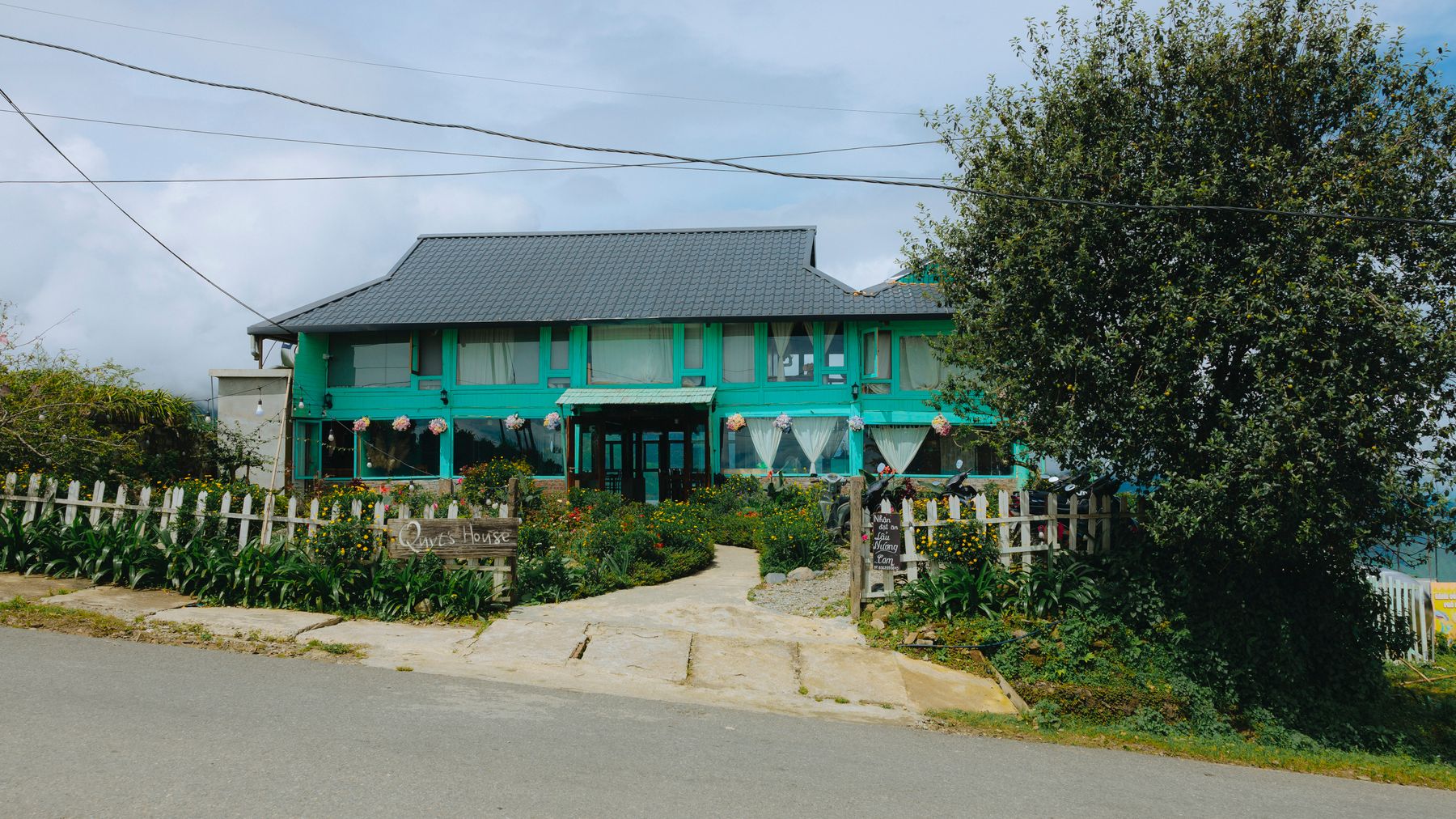
Photo by HONG SON on Pexels
Saturday arrival logistics
Take a night bus from Hanoi (30 Luong Ngoc Quyen or equivalent operator) around 10 p.m. Arrive Bac Ha around 1–2 a.m., sleep in a guesthouse, then rest until the market. This saves a day and avoids a second overnight journey.
If night bus sounds grim, hire a private car/driver from Hanoi (roughly 1.2 million VND / $48 for up to 4 people) and leave Saturday morning, arriving by early afternoon. Split three ways, it's cheaper than a bus + guesthouse in Hanoi that night.
Don't arrive Sunday morning expecting to catch the market. The good stuff (rare textiles, livestock) sells by 9 a.m.
What the Sunday market offers
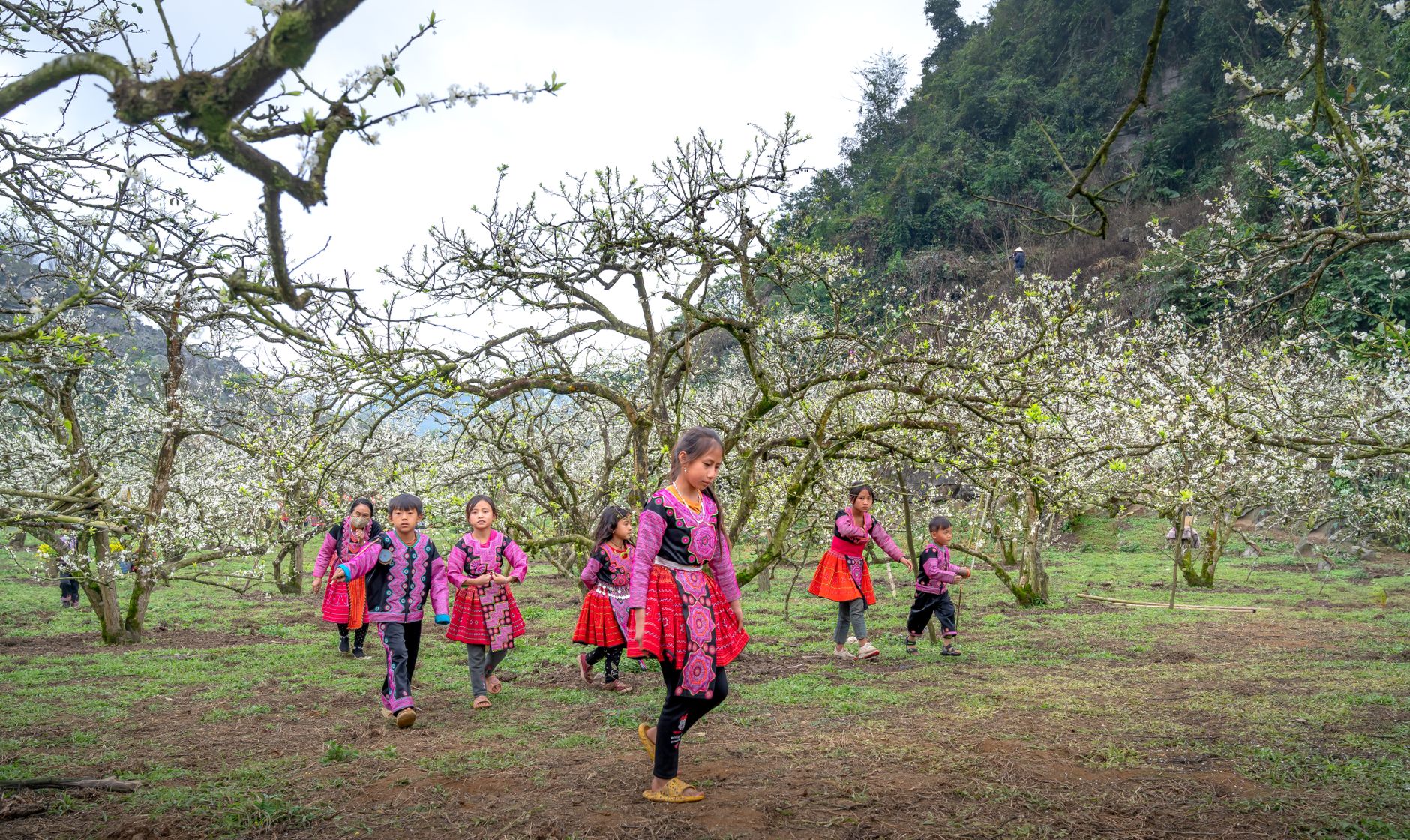
H'mong women in indigo and silver jewelry, Tay vendors with sticky rice, live chickens and pigs in crates, antique coins and beads, and very few selfie sticks. The market runs from around 6 a.m. to 10 a.m., with a secondary afternoon session around 2–4 p.m. (less crowded, fewer tourists). Expect to walk 2–3 km through the market and surrounding village lanes.

Photo by Quang Nguyen Vinh on Pexels
After Sunday: next moves
Many travelers head back to Hanoi Sunday afternoon (5–6 hour drive). If you have time, Bac Ha works as a jumping-off point for Ha Giang (80 km north, wild mountain loop) or a return to Sapa (50 km west). Both are 2–3 hour drives.
Practical notes
Bring cash in VND—ATMs in town are intermittent. December–February mornings are cold and misty; bring a fleece. The market is worth seeing twice if you stay an extra night (Monday is smaller, all locals, and you can sleep in). Most guides speak basic English; homestay owners or hotel staff can connect you.
Last updated · May 29, 2026 · independently researched, never sponsored.