Hue is small enough to walk, but where you plant yourself matters. The Citadel draws history obsessives; the South Bank caters to people who want restaurants and nightlife; Thuan An Beach suits those who'd rather wake to salt air than temple bells. Here's what each zone actually delivers.
Hue is not like Hanoi or Ho Chi Minh City, where picking the wrong district can cost you an hour in traffic. The whole urban core is maybe 6 km across. But those 6 km split into genuinely different experiences, and a bad match between your style and your neighborhood will color your entire stay.
Inside the Citadel
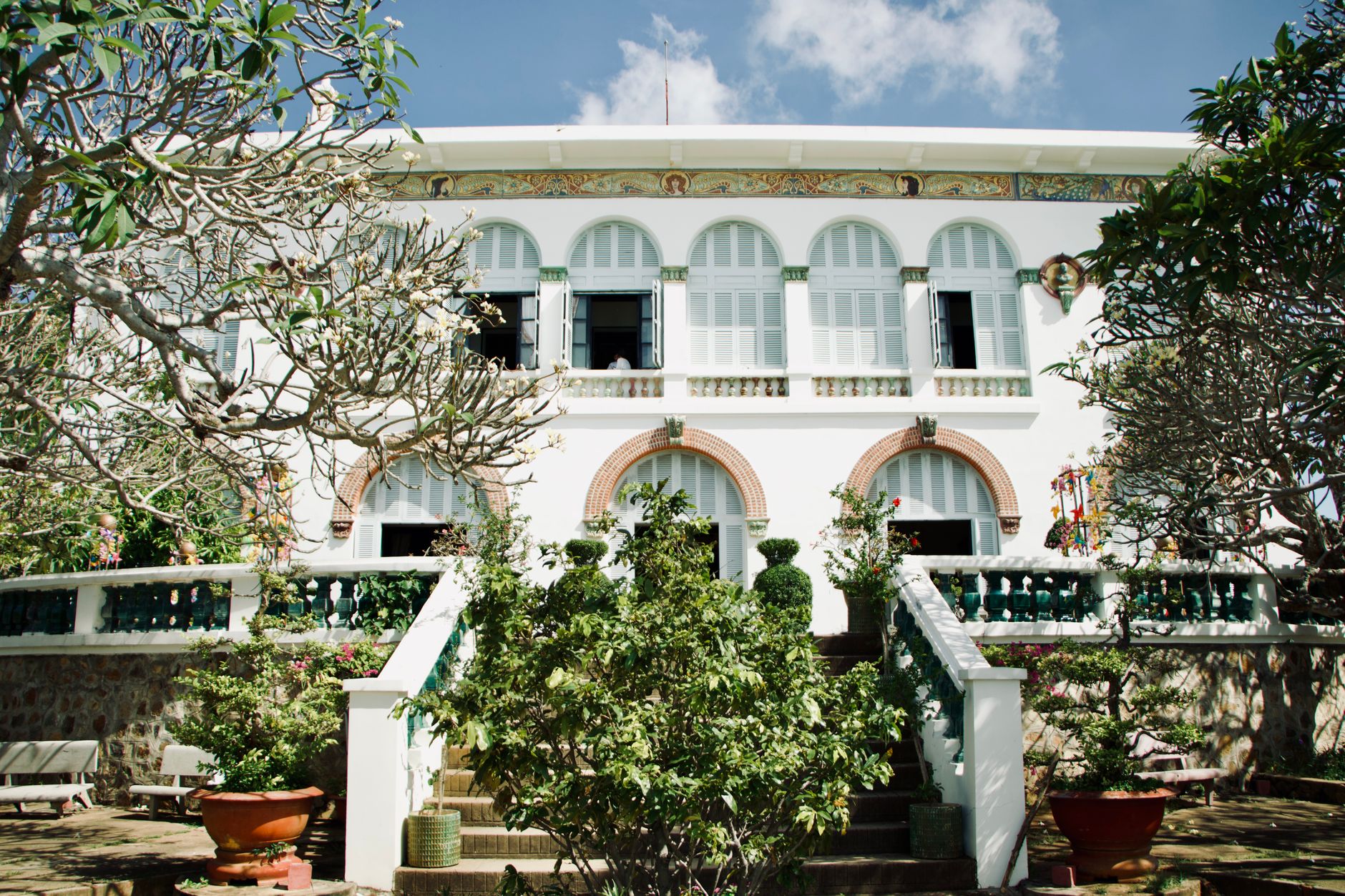
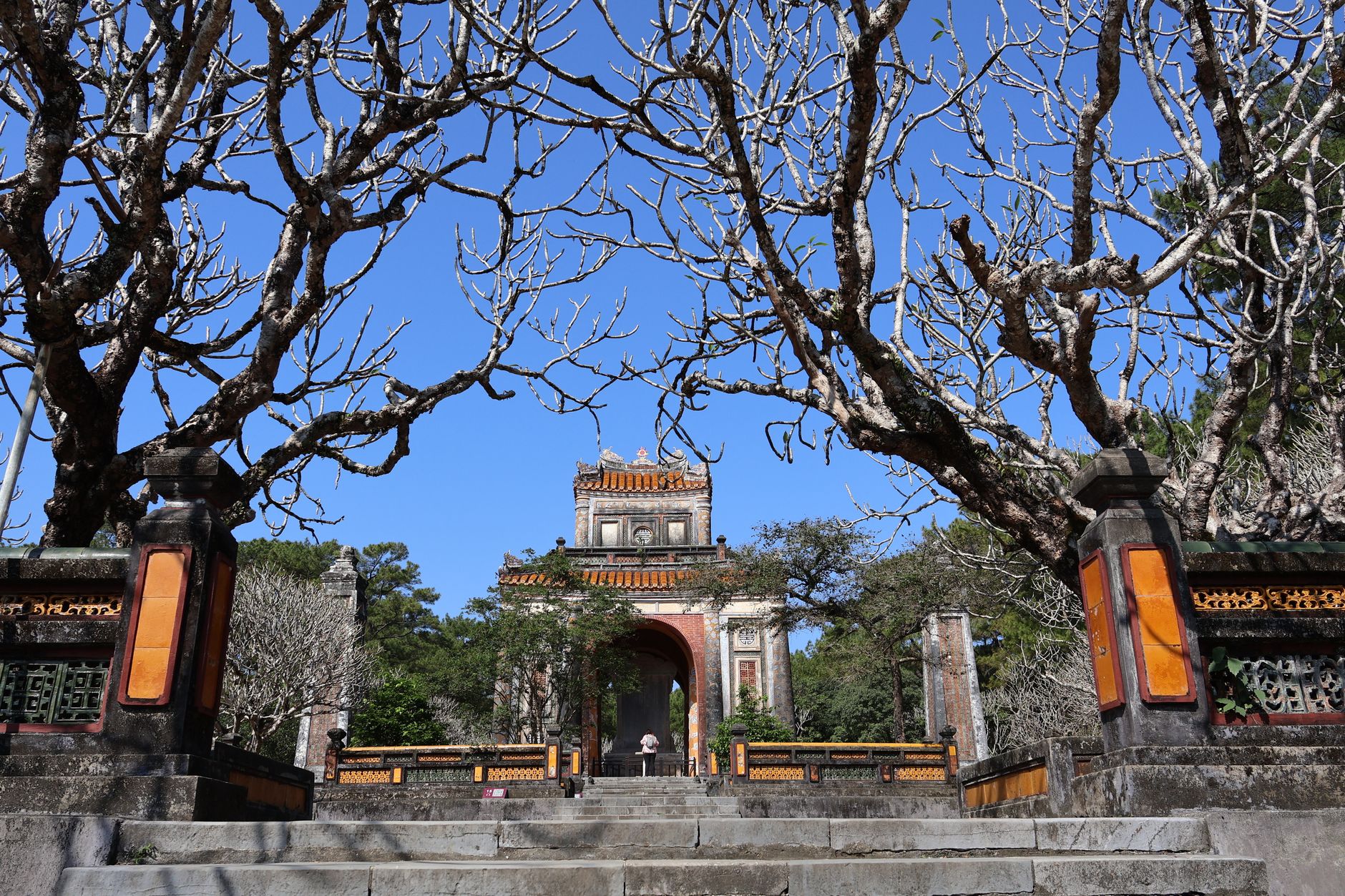
Staying within the old Imperial City walls puts you steps from the main draw: the Citadel itself. Morning walks around the ramparts are quiet. The "Tomb of Tu Duc" and "Tomb of Khai Dinh" are day trips of 10-15 km south, easily reachable by xe om (motorbike taxi) for 50,000-80,000 VND.
This zone is tight, walkable, and heavy on guesthouses. Expect $20-40 for a basic room with fan or AC; $50-80 for something with style (restored French colonial buildings are common). Streets like Tran Hung Dao and Vo Thi Sau have most of the budget options. A few newer boutique stays have opened along Dang Tran Con and the lanes just inside the Chanh Tay gate — these tend toward the $60-90 range and include breakfast.
Breakfast inside the Citadel is one of the genuine perks. Walk five minutes in any direction and you'll find a street cart selling "bun bo Hue" — the spicy, lemongrass-heavy beef noodle soup that originated here. A bowl runs 25,000-35,000 VND. For "banh canh" (thick tapioca noodles in crab broth), try the vendors along Chi Lang street, usually open from around 6:00 to 10:00. These are not tourist-menu dishes; they're what the neighborhood eats.
The trade-off: restaurants thin out after dark. The neighborhood itself is quiet — some find that charming, others isolating. Internet can be patchy in older buildings. Most guests eat where they sleep or venture to the South Bank for dinner. If you're the type who wants a cocktail at 21:00, you'll end up crossing the river most evenings, which is a 10-minute walk or a 20,000 VND Grab ride.
South Bank (Tay Loc)
Across the Huong River, the South Bank is Hue's de facto restaurant and hotel corridor. Hang Vuong, Le Loi, and Chu Van An streets cluster cafes, "pho" vendors, bakeries, and tourist-aimed storefronts. It feels less intimate than the Citadel but more livable if you plan to stay 3+ nights.
Accommodation ranges from $25-50 for midrange guesthouses to $80-150 for hotel chains (Morin, Saigon Morin). Booking a room here means you're 10-15 minutes from major sites by taxi (40,000-60,000 VND) but you eat well. Evening strolls along the riverbank are pleasant. Many visitors use the South Bank as a base and make day trips to the Citadel, "My Son" (about 45 km west), or tombs.
The South Bank is also where you'll find Hue's best "banh mi" — specifically the stands on Truong Dinh street near the Dong Ba market entrance. Hue-style "banh mi" tends to be smaller than the Saigon version, loaded with pate, "cha lua" (pork roll), and chili sauce, and costs 15,000-25,000 VND. Dong Ba Market itself is worth an early-morning loop for "che" (sweet dessert soups) and dried goods, and opens around 5:30.
For dinner, Hanh Restaurant on Pho Duc Chinh street has been doing reliable "bun bo Hue (분보후에 / 顺化牛肉粉 / ブンボーフエ)" and "nem lui" (grilled pork on lemongrass skewers) for years; most dishes fall between 35,000-60,000 VND. If you want "goi cuon" (fresh spring rolls), the vendors along the Trang Tien Bridge approach sell them in the late afternoon for about 5,000 VND per roll.
Downside: less character. You could be in any Vietnamese town. Noise carries if you're street-facing. The river view is scenic but the nearer bank is industrial.
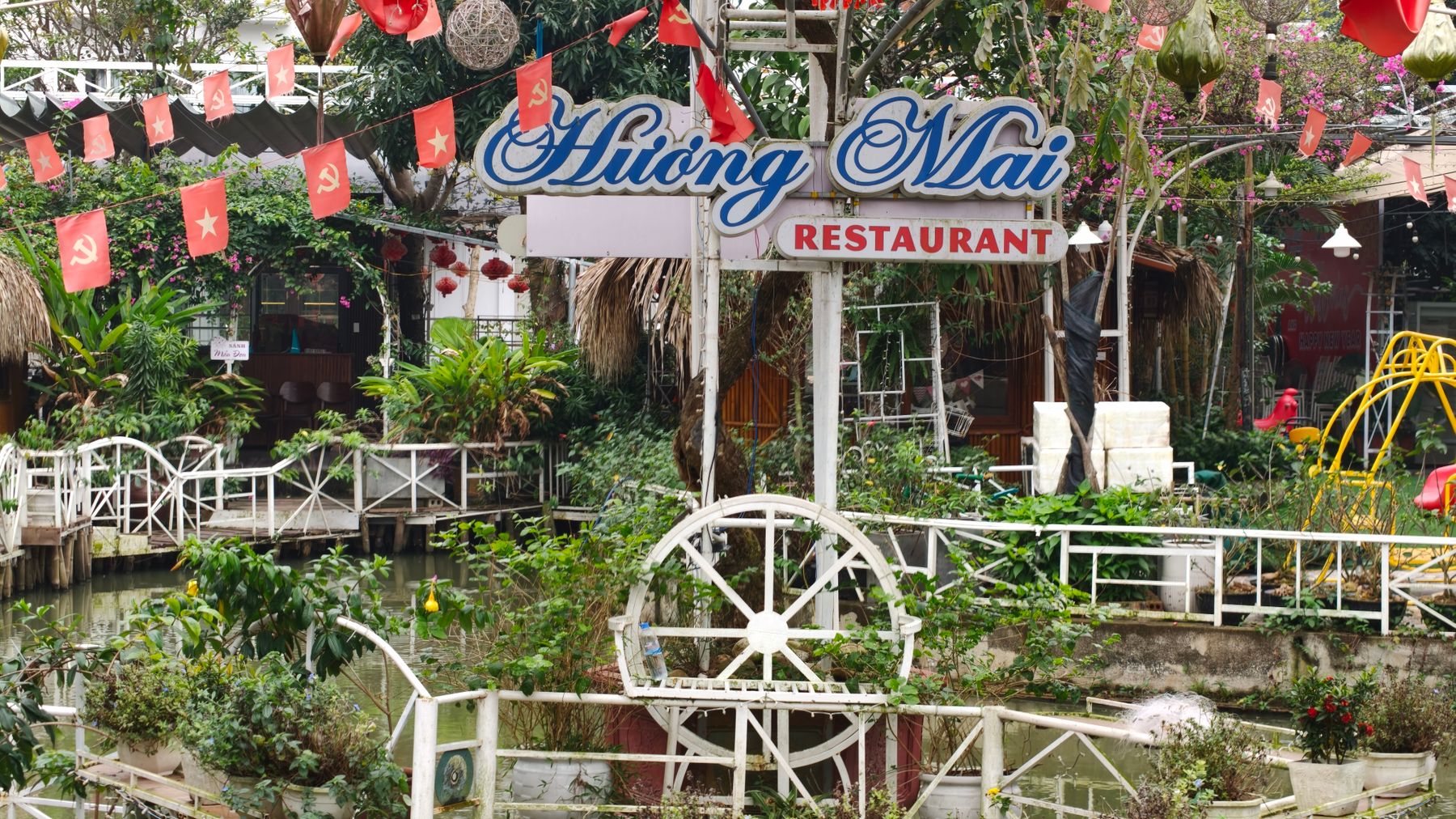
Photo by Quy Hoang on Pexels
Thuan An Beach
About 15 km northeast, the beach village of Thuan An Hamlet sits on a low-key lagoon fringe. A handful of small resorts and homestays ($30-80) cater to people seeking quiet; a few upmarket spots run $100-150. The beach itself is narrow and more functional than scenic, but it's where locals spend weekend afternoons.
Getting to the Citadel or tombs requires 30-40 minutes by taxi (80,000-120,000 VND round-trip). You'll eat at your resort or local "com tam" shops — dining out is limited. The trade-off is obvious: you trade access for peace. This works if your Hue plan is two nights, a beach morning, and a lazy dinner. It doesn't work if you're a Citadel completist.
Thuan An also catches more rain and humidity in the monsoon season (September-October); confirm weather before booking. From November through January, the sea can be rough enough that swimming isn't advisable — check with your accommodation before heading out.
One practical note on Thuan An: the road out (Route 49B) is flat, well-paved, and actually pleasant on a motorbike if you're comfortable riding. It follows the Tam Giang lagoon for part of the way, and there are a couple of seafood shacks along the lagoon side where you can stop for grilled "ca" (fish) or steamed clams for 80,000-150,000 VND per plate.

Photo by Theodore Nguyen on Pexels
What to Eat in Hue (and Where Each Zone Delivers)
Hue has arguably the most distinct regional cuisine in Vietnam. It was the imperial capital, and that history shows up on the plate: dishes are smaller, more intricate, and spicier than what you'll find in Hanoi or Saigon.
The essential short list:
- Bun bo Hue: the city's signature soup. Beef shank, pork knuckle, lemongrass, shrimp paste, chili oil. Available everywhere, but the Citadel-area stalls tend to make it heavier and spicier than the South Bank tourist versions. Expect 25,000-40,000 VND.
- Banh khoai: a crispy rice-flour crepe stuffed with shrimp, pork, and bean sprouts — Hue's answer to "banh xeo" from the south but smaller and crunchier. Lac Thien on Dinh Tien Hoang street (South Bank) is a longstanding spot; a plate runs about 30,000-40,000 VND.
- Bun hen: rice vermicelli with tiny clams from the Huong River, topped with peanuts and sesame crackers. A Citadel breakfast staple, usually 20,000-30,000 VND. Look for it on Truong Dinh or Han Mac Tu streets before 9:00.
- Com hen: same clams, served over rice instead of noodles. Equally good, slightly more filling.
- Nem lui: minced pork grilled on lemongrass skewers, wrapped in rice paper with herbs. This is a social dish — order a plate (40,000-60,000 VND) and assemble your own rolls.
If you're arriving from Da Nang or Hoi An, you'll notice the flavor profile shift immediately. Hue food is saltier, more fermented ("mam" — shrimp paste — shows up constantly), and uses more chili. Ask for "khong cay" if you want less spice, though some cooks will just nod and give you the same bowl.
Common Mistakes Foreigners Make in Hue
Booking only one night. Hue's sights are spread out — the Citadel alone takes 2-3 hours if you actually read the plaques, and the royal tombs are a half-day each. One night means you're rushing. Two nights is the minimum to see the Citadel, one or two tombs, and eat properly. Three nights if you want Thuan An Beach or a day trip toward Bach Ma National Park (about 40 km south).
Skipping the Citadel interior. Many visitors walk through the main gate, snap a photo of Thai Hoa Palace, and leave within 30 minutes. The back sections — the Forbidden Purple City ruins, the royal theater, the gardens behind Dien Tho Palace — are where the visit gets interesting. Budget at least two hours.
Eating only on the South Bank. The tourist-facing restaurants on Le Loi street serve decent food, but the best "bun bo Hue" and "banh canh" are inside the Citadel neighborhood or near Dong Ba Market. Cross the river for at least one breakfast.
Underestimating the weather. Hue is the wettest city in central Vietnam. From September through December, rain can be relentless — not a drizzle, but hours of heavy downpour. Pack a proper rain jacket, not just a poncho. Hotels near the river occasionally deal with minor flooding in October-November; ask about this when booking ground-floor rooms.
Trying to combine Hue and Hoi An in one day. The two cities are about 120 km apart via the Hai Van Pass. Some tour buses do a "Hue-Hoi An transfer" with stops, but you arrive exhausted and see nothing properly. Either take the scenic route by motorbike (plan 4-5 hours with stops) or treat them as separate bases.
Quick Reference — Hue at a Glance
- Best months to visit: February through April (dry, warm, 25-30 C). September-November is monsoon season — cheaper rates, but heavy rain.
- Citadel entry fee: 200,000 VND (about $8). Combination tickets covering tombs and the Citadel available for 530,000 VND.
- Average meal cost: 30,000-60,000 VND ($1.20-$2.50) at local restaurants. Tourist restaurants on Le Loi run 80,000-150,000 VND.
- Grab availability: works in central Hue. Grab bikes are the fastest option for short trips (15,000-30,000 VND within town). Grab cars available but fewer drivers.
- Airport: Phu Bai International (HUI), about 15 km south of the city center. Taxi to town costs 200,000-250,000 VND; Grab is usually cheaper at 120,000-170,000 VND.
- Train station: Hue Station on Bui Thi Xuan street, South Bank. Direct trains to Da Nang (2.5-3 hours, from 60,000 VND) and Hanoi (13-14 hours, from 400,000 VND).
- Vietnamese coffee: "ca phe" culture is strong here. Try "ca phe muoi" (salt coffee), a Hue specialty — espresso with a salted cream foam. Available at most local cafes for 20,000-30,000 VND.
- Useful phrase for ordering: "Cho toi mot..." (Give me one...). Point at menus freely; most street vendors are used to it.
Quick Comparison
Inside the Citadel if you're visiting for history, spending under 48 hours, and sleeping early. South Bank if you want restaurants, a social vibe, and flexibility to branch out. Thuan An Beach if you're timing a beach day into a longer central Vietnam loop and won't regret 30-minute taxi rides.
Frequently Asked Questions
How far is it from the South Bank to the Citadel in Hue?
The South Bank sits across the Huong River from the Citadel. Major sites are 10-15 minutes away by taxi, which costs 40,000-60,000 VND. On foot, crossing the river takes roughly 10 minutes. Grab rides run about 20,000 VND. Because the entire urban core spans only 6 km, no zone leaves you stranded — the distance is manageable from either neighborhood.
What is a typical street food breakfast inside the Citadel area?
Bun bo Hue is the local staple — a spicy, lemongrass-heavy beef noodle soup that originated in the city, available from street carts within a five-minute walk of most guesthouses for 25,000-35,000 VND. For banh canh, thick tapioca noodles in crab broth, vendors along Chi Lang street serve it from around 6:00 to 10:00. Both are neighborhood dishes, not tourist-menu versions.
When should you choose the South Bank over the Citadel for accommodation?
The South Bank makes more sense for stays of three or more nights, or if evening dining and nightlife matter to you. The Citadel goes quiet after dark, and a cocktail at 21:00 means crossing the river anyway. The South Bank clusters cafes, pho vendors, and restaurants on streets like Hang Vuong and Le Loi, with midrange rooms running $25-50 and hotel options up to $80-150.
Practical Notes
Hue's main sights (Citadel, tombs, "My Son" temple complex) are spread 10-45 km apart; there's no walkable cluster beyond the Citadel itself. A one-day rental motorbike ($5-8) or pre-booked car with driver ($35-50/day) often makes sense if you're staying 2+ nights and want to move fast. Book accommodation once you've decided whether you're day-tripping from a base or moving daily.
If you're working Hue into a larger central Vietnam route, the most common pattern is: fly into Da Nang, spend 2-3 days in Hoi An, transfer north to Hue for 2 nights, then train or fly out from Hue. This avoids backtracking. The reverse works equally well. Either way, don't try to squeeze Hue into a Da Nang day trip — you'll spend more time on the road than at the Citadel.
Bottom Line
Hue rewards people who slow down. Pick your neighborhood based on what you actually want to do — not what looks best on a booking site thumbnail. The Citadel side is for walking and eating street food at dawn; the South Bank is for comfort and evening options; the beach is for exactly what it sounds like. Get that choice right and the rest of the trip falls into place.
Last updated · May 29, 2026 · independently researched, never sponsored.