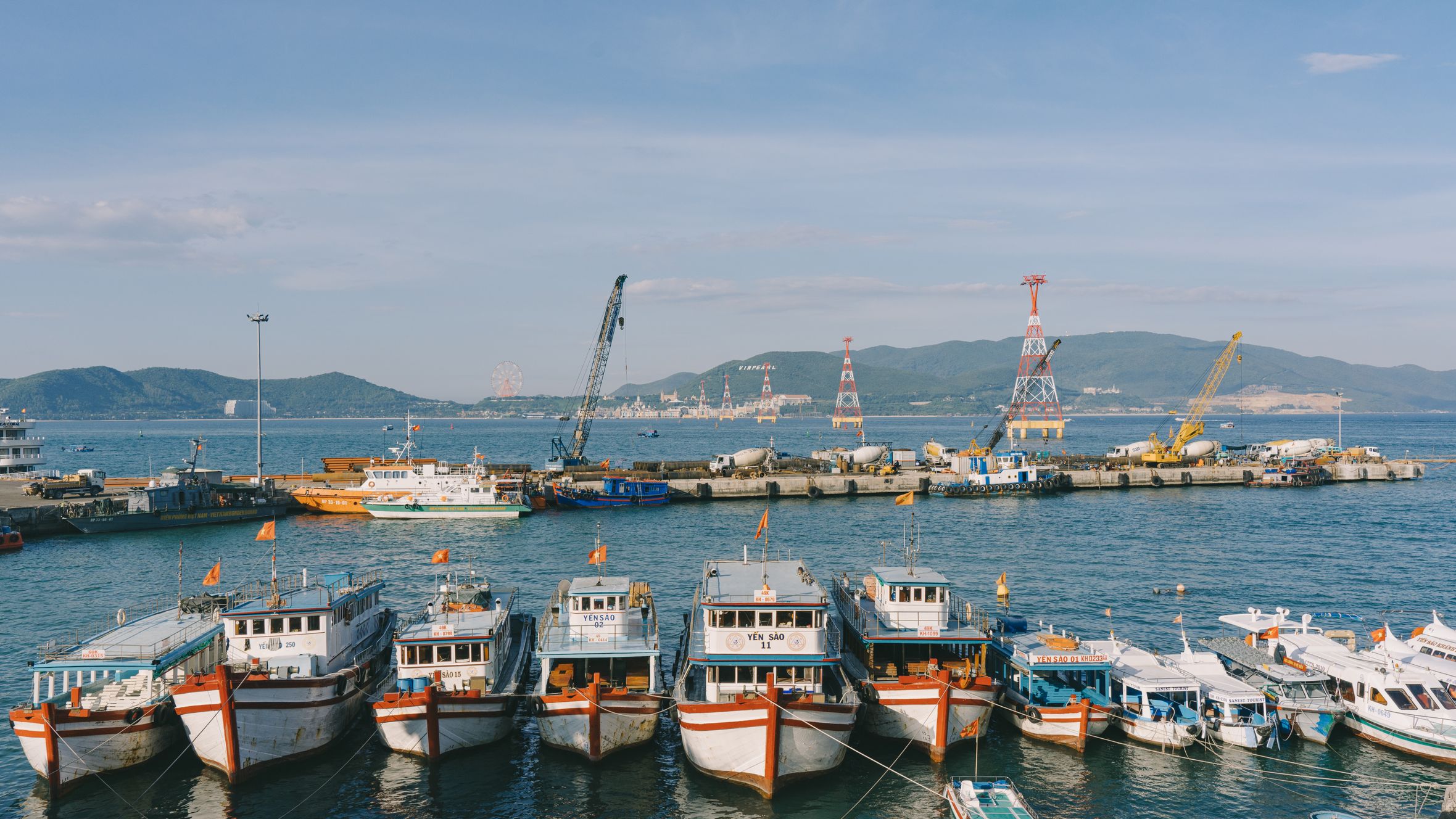
Thanh Hoa is not a tourist hotspot. It's a industrial and fishing port about 160 km south of Hanoi, and most travelers pass through on the way to Ninh Binh or Ha Long. But if you're staying a night or two—whether you're waiting for an onward bus, exploring the northern central coast, or interested in regional life beyond the guidebook circuit—here's what the accommodation landscape actually looks like.
Thanh Hoa city centre (Phan Chu Trinh and Le Loi area)
The city proper sits around the Red River estuary. The main north-south road is Phan Chu Trinh; the east-west spine is Le Loi. This is where 90% of hotels cluster—it's walkable, has street food, is close to the main bus station, and gives you the best sense of local life.
Budget (under 200,000 VND per night)
Don't expect much. Basic guesthouses here are barebones: a small room with a fan, thin mattress, thin walls, squat toilet (sometimes), and zero English at reception. You'll find a handful of places charging 100,000–200,000 VND for a single or double.
What to expect: No breakfast, no frills, no AC in the cheapest options. Cold water showers are common. Staff rarely speak English. These places are genuine—they're where blue-collar workers and local travelers stay, not retrofitted for tourists. Noise from street traffic (especially motorbikes at dawn) is loud. Most have no booking online; you walk in and ask, or ring the local phone number if you find one on Google Maps.
Who it suits: Budget backpackers who are traveling overland and need a cheap, safe place to sleep. Solo travelers comfortable with minimal interaction. Anyone not expecting amenities.
Logistics: Find them on Phan Chu Trinh or side streets near the market. Popular maps show a few under names like "Nha Khach" + street number. Arrive early afternoon if you're planning to book walk-in; better guesthouses fill by evening.
Mid-range (200,000–600,000 VND per night)
This is where Thanh Hoa actually offers comfort. A solid mid-range hotel here gives you a clean room with AC, hot water, a real bed, and usually a small breakfast (rice, pickled vegetables, instant coffee or tea). Many have a small restaurant downstairs. English at reception is basic but functional. Some have small pools or a cafe.
What to expect: Air conditioning that works, a private bathroom with hot water, possibly a window onto the street or a quiet courtyard. Rooms are compact but adequate. Wifi is reliable. Breakfast is simple and fresh. Staff are friendly and used to foreign guests, though they won't quote you poetry. No-frills decor—maybe white walls, a small TV, basic furniture.
Who it suits: Anyone wanting cleanliness and comfort without paying luxury prices. Travelers stopping one or two nights between Hanoi and Ninh Binh. Couples and families. Business travelers passing through.
Examples (estimated): A two-star or three-star property with 30–50 rooms, usually Vietnamese-owned. Reviews on Google Maps and Agoda reflect real feedback—look for mentions of "clean," "friendly," "good breakfast," "AC works." Prices hold steady year-round; no real high season here.
Luxury (600,000 VND and up)
Thanh Hoa has very few. There may be one or two hotels aiming at visiting business delegations or expat engineers, with modern decor, English-speaking staff, gym, laundry service, and decent restaurant. But they'll feel out of place—you'll often be the only guest. Prices can push 800,000–1,200,000 VND, which is high for the city's vibe and offerings.
Who it suits: Corporate travelers with a per-diem budget. Anyone who strongly dislikes guesthouses and willing to overpay for predictability.
Dong Son district (beaches, 30 km south)
Dong Son has a few small beach resorts and seafood restaurants. It's quieter, coastal, and appeals to travelers wanting to escape the city. Distance from Thanh Hoa city centre is about 30–40 km by car (1–1.5 hours). There's local buses, but taxis or hired cars are easier.
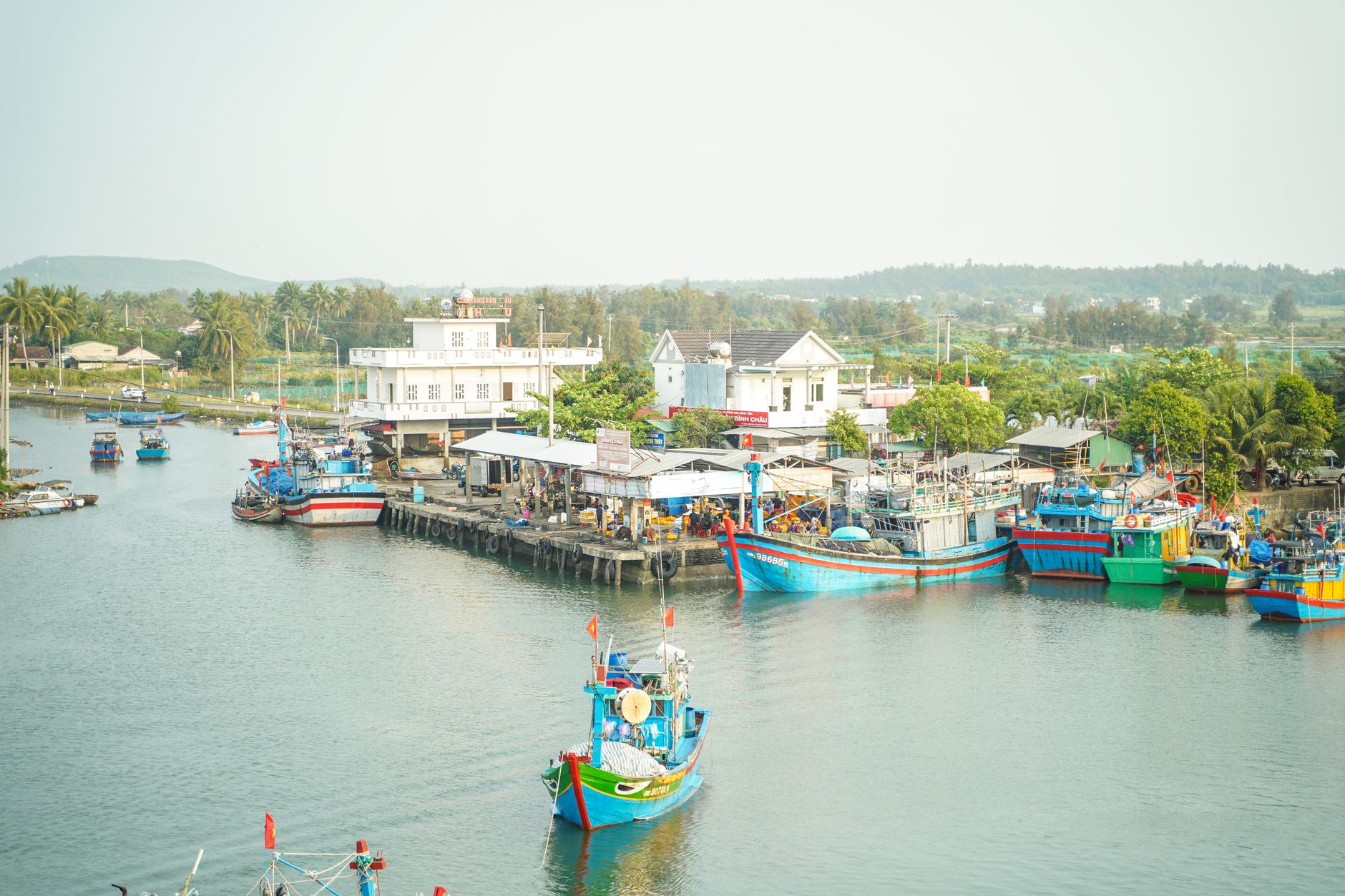
What you'll find: Simple beachside bungalows and small hotels, 300,000–500,000 VND. Often family-run, serve fresh seafood, cater to Vietnamese weekenders. English is minimal. The beach itself is working—fishing boats, nets, a lived-in feel, not curated.
Who it suits: Travelers wanting to slow down and eat "banh mi" and grilled fish by the coast. Budget travelers okay with isolation. Small groups or families.

Photo by Tuan Vy on Pexels
Practicalities
Getting around: Thanh Hoa is not large. From city centre to outlying areas (markets, temples, beaches) you'll take a taxi, motorbike taxi ("xe om"), or rented motorbike. Walking the main streets (Phan Chu Trinh, Le Loi) is safe and rewarding for street food and local life.
Arriving: Thanh Hoa has a main bus station on the southern edge of town. From there, it's 2–3 km to city centre hotels; a taxi costs 30,000–50,000 VND. If you're coming from Hanoi, expect 3–4 hours by bus (80–100 km). Ninh Binh is about 50 km south (1 hour by car).
Why stay here: You probably won't plan a Thanh Hoa holiday, but you might overnight here because of bus schedules, or to explore the beaches and fishing villages that tourists skip. It's genuine, affordable, and less crowded than the usual routes.
Booking: Mid-range and budget places are on Google Maps, Agoda, and Booking.com—though reviews are sparse compared to Hanoi or Saigon. Reading local Vietnamese reviews (on TripAdvisor or Agoda) is more reliable than English-language guides. For budget guesthouses, walk-in is often the best bet.

Photo by Theodore Nguyen on Pexels
Frequently Asked Questions
Where do most hotels cluster in Thanh Hoa city centre?
Most hotels concentrate along Phan Chu Trinh (the main north-south road) and Le Loi (the east-west spine). This area is walkable, close to the main bus station, and has street food nearby. Budget guesthouses often appear under the name "Nha Khach" plus a street number on Google Maps. Arriving early afternoon is advisable for walk-in bookings, as better guesthouses fill by evening.
What do mid-range hotels in Thanh Hoa typically include for the price?
Mid-range hotels priced at 200,000–600,000 VND per night generally provide air conditioning, hot water, a private bathroom, reliable wifi, and a simple breakfast of rice, pickled vegetables, and instant coffee or tea. Many have a small restaurant downstairs. Staff speak basic functional English. Decor is plain — white walls, small TV, basic furniture — but rooms are clean and adequate for one or two nights.
When is the best time to find available rooms in Thanh Hoa?
Thanh Hoa has no real high season, so hotel prices and availability hold steady year-round. For walk-in bookings at budget guesthouses, arriving early afternoon gives the best chance of securing a room, as popular spots fill by evening. Mid-range and higher properties can generally be booked in advance through Google Maps, Agoda, or similar platforms using real guest reviews as a guide.
Practical notes
Thanh Hoa is functional, not fancy. Stay here if you have a reason to be here—transit stop, local interest, beach day trip. Don't expect tourist infrastructure or English everywhere. Prices are genuinely cheap, and you'll see how a real working city lives, far from guidebook circuits.
Last updated · Jul 18, 2026 · independently researched, never sponsored.