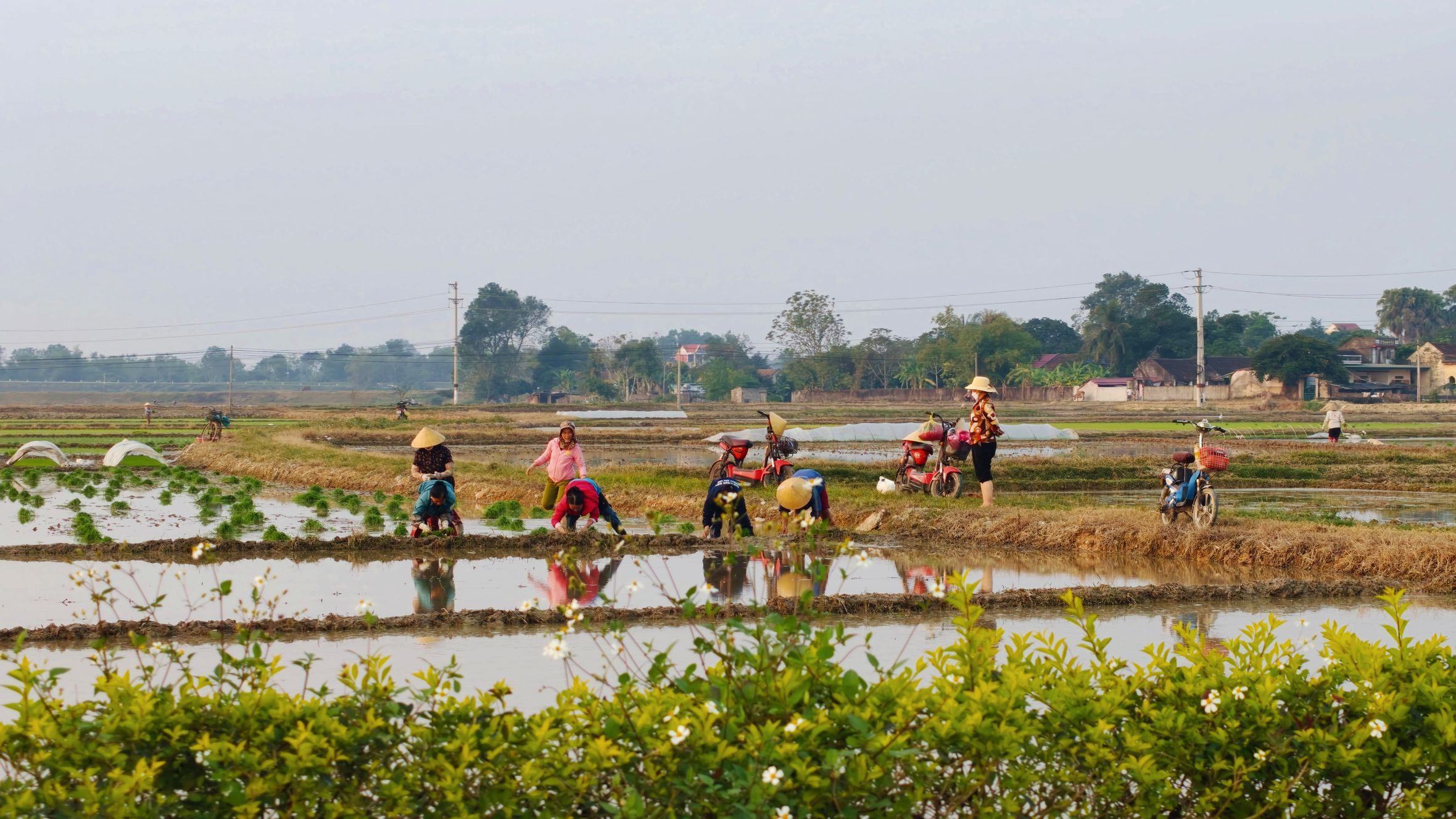
Thanh Hoa sits in a weather sweet spot between the Red River Delta and the Truong Son range—but that doesn't mean every month is equally good for a visit. The province swings hard between dry winters and monsoons that can make roads impassable. Knowing what to expect month by month will save you from booking a motorbike tour in September and spending three days waiting for rain to clear.
October to November — Peak Season
This is it. Cool enough to hike without melting, dry enough for beach days at Sam Son, and the light is sharp. Daytime temps hover around 20–25°C; nights drop to 15°C. You'll want a light jacket in the morning.
Crowds are moderate but noticeable, especially Sam Son Beach and Phong Nha Cave (just over the border in Quang Binh). Accommodation books up; book ahead if you're targeting weekends. Festival-wise, nothing major, but the province is clean and roads are reliably passable.
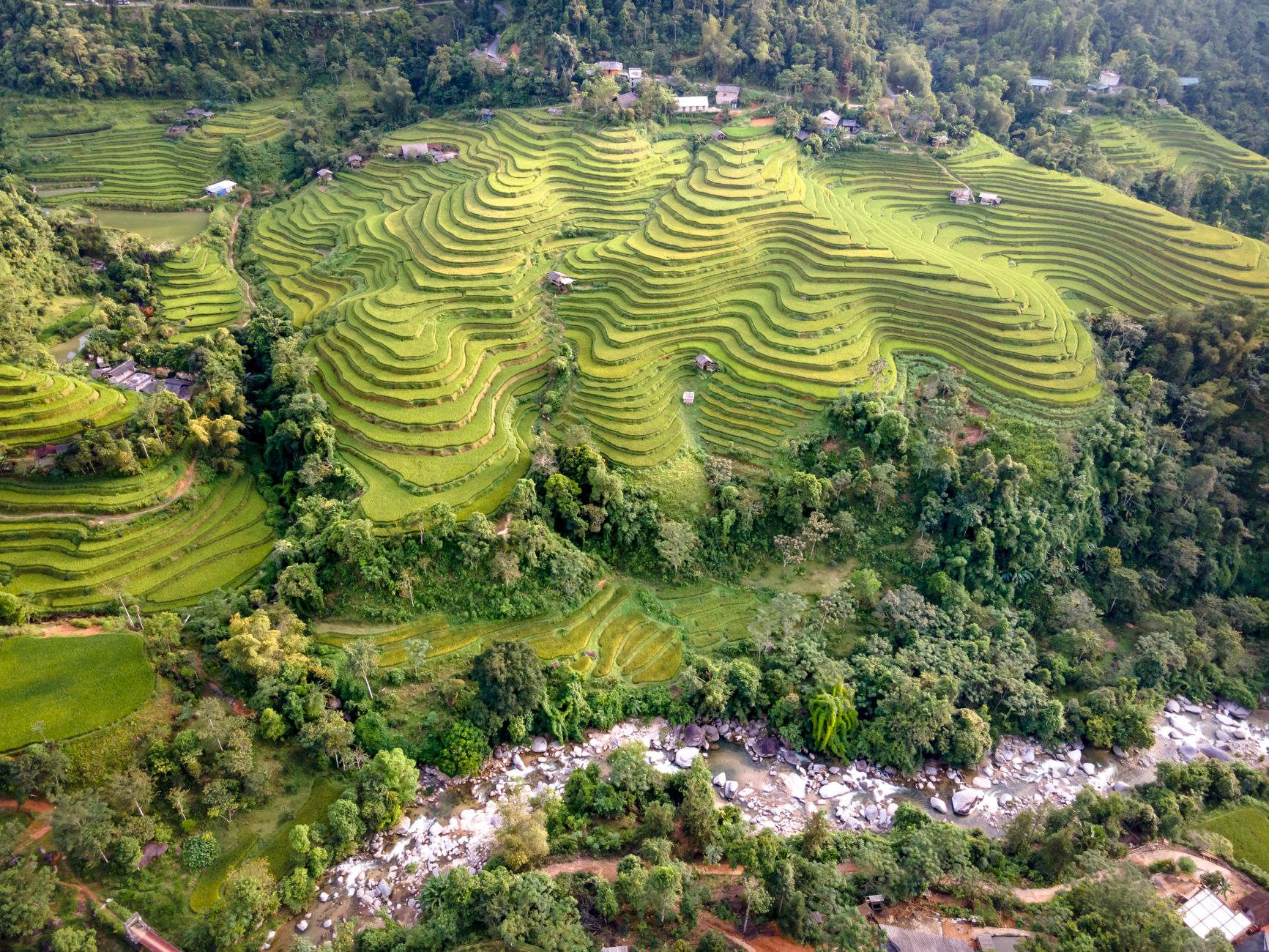
Practically, this is when long-distance cycling tours and cave treks run best. The Thanh Hoa Loop (a 40–50 km circuit through rice paddies around Thanh Hoa town) is popular with cyclists now; expect friendly faces but no major congestion.
December to February — Shoulder Season, Mild
Dry months continue. December and January are actually colder—temps dip to 10–15°C during the day—which catches some travelers off guard. By February, it warms slightly to 18–22°C. Rainfall is minimal (under 50 mm per month).
Crowds thin out after New Year's. Sam Son becomes quieter than October. Hotels cut rates. This is when backpackers hunting for quiet beaches find Thanh Hoa especially appealing.
The downside: winter fog rolls in from the coast, especially early mornings. Visibility drops to a few hundred meters. If you're planning cave photography or cliff-side motorcycle rides, afternoons are better than mornings. By February, fog lifts earlier in the day.
Festival note: Tet falls in late January or early February. Towns get festive, shops close for several days, but tourism infrastructure stays open (hotels, restaurants). Roads are quieter than usual because locals aren't traveling—they're at home.
March to April — Late Dry Season
Warmth creeps in. March averages 22–27°C; April hits 25–30°C. Rain is still light (50–80 mm). This is the tail end of good weather before the big monsoons arrive.
Crowds pick up again in March and April as tourists avoid the summer heat in the north and the typhoon risk further south. Hotels run at 60–70% capacity. Road conditions are perfect.
Mid-April marks the start of "pre-monsoon" heat and humidity. If you're sensitive to heat, aim for early March. If you like warmth and don't mind crowding, April works fine.
May to June — Transition / Early Monsoon
May is unpredictable: some days dry, some days heavy rain. Temperatures are high (28–32°C) and humidity climbs toward 75–80%. Rainfall jumps to 150–200 mm per month, with afternoon thunderstorms common.
June marks the real start of the southwest monsoon. Expect 300+ mm of rain. Roads stay passable, but single-track trails become slippery; cave visits might be cancelled if water levels rise. Crowds drop sharply because conditions are unpleasant.
If you're willing to travel light and flexible on plans, May–June offers cheaper accommodation and fewer tourists. But expect delays. Buses and motorbikes are slower on wet roads. Hiking is not recommended.
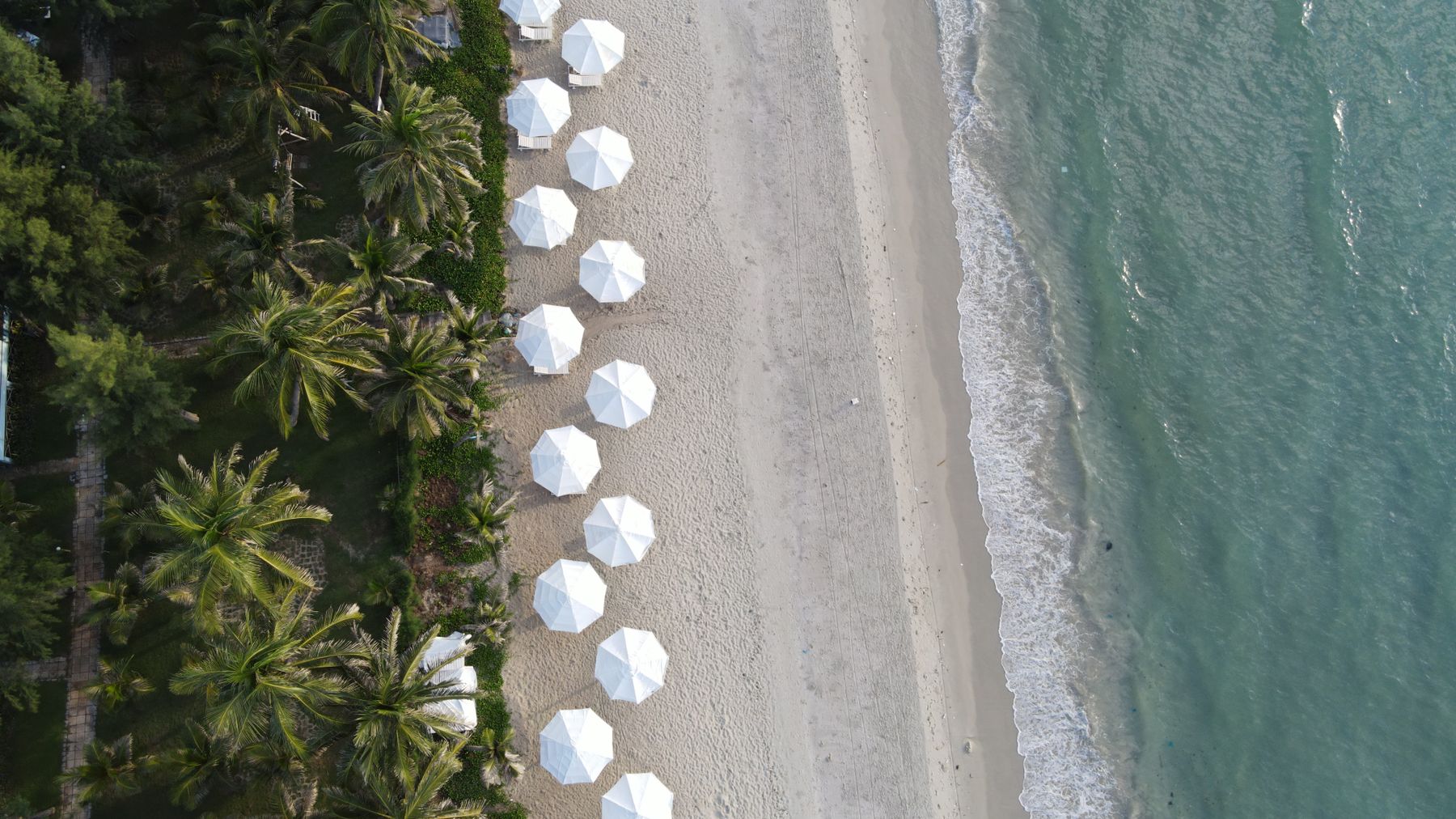
Photo by Quang Nguyen Vinh on Pexels
July to September — Full Monsoon / Typhoon Risk
This is the wet season. Rainfall peaks in August and September (300–400 mm per month). Typhoons spin up in late August and September, bringing sudden flooding and power cuts. Temperatures are warm (27–30°C) but feel stifling under the humidity and cloud cover.
Roads are sometimes washed out. Caves flood. Beaches are unsafe (strong rip currents, waves). Tourism essentially pauses. Accommodation is cheap and vacant, but many smaller hotels and restaurants close or run skeleton crews.
If you're in Thanh Hoa and weather turns bad, you may be stranded a day or two waiting for a road to dry or a bus to resume service. Avoid this window unless you have flexible itineraries and can laugh off delays.
Typhoon season overlaps with late August through September. Check weather alerts before booking flights or long-distance transport.
September to October — Monsoon Tail / Transition
September is still wet (250–300 mm), but the worst typhoon activity peaks mid-month and eases by late September. By late September and early October, rain drops off sharply, and the dry season re-establishes itself.
This window is a gamble. You might catch the end of monsoon chaos, or you might land in a clearing where the weather is turning. If you book flexibly (accommodation with free cancellation, no rigid tour bookings), late September into early October can offer a sweet spot: fewer crowds than peak season, decent weather, and lower prices than summer.
What to Pack and Expect by Season
October–November: Light jacket, sunscreen, sandals. Roads excellent; no weather delays.
December–February: Warm layers (mornings are cool), rain jacket (occasional drizzle, especially January). Fog early mornings; plan afternoon activities for photos.
March–April: Sunscreen, hat, light moisture-wicking clothes. Heat is building; find afternoon shade or air conditioning.
May–June: Waterproof bag, water-resistant shoes, patience. Expect delays; confirm plans by morning.
July–September: Avoid unless conditions change. Heavy rain gear, waterproof phone pouch, flexible booking.
September–October: Transitional pack (both rain and sun gear). Check forecasts daily.

Photo by Trinh Tuoi on Pexels
Crowd Patterns by Month
- Quietest: June, July, August (monsoon; tourist infrastructure slim)
- Moderately quiet: December, January, February (shoulder; locals traveling for Tet mid-window)
- Moderate: March, April, September, early October
- Busiest: October, November (peak season; Sam Son and cave sites packed on weekends)
Festivals and Events
Thanh Hoa doesn't host massive tourist festivals like Hue or Hanoi. But there are low-key local celebrations:
- Tet (late January or February): Towns decorate; flowers, incense, street fairs. A few days public holiday; most tourism services stay open.
- Hung Kings Festival (mid-March, though dates vary): Celebrated nationwide; not specific to Thanh Hoa, but some local temple gatherings occur.
- District fairs (scattered year-round): Check locally in towns like Ba Thuoc or Mu Cang Chai; these are not tourist events but authentic agricultural markets and local celebrations.
Summary: Best Month to Visit
If weather is your priority: October and November. Dry, cool, clear skies. Expect crowds and higher prices.
If you want solitude and don't mind cool mornings: February. Calm after Tet rush; prices drop; roads are empty.
If you're flexible and budget-conscious: Late September or early October, if forecasts look clear. Monsoon is lifting, crowds are sparse, hotels are cheaper.
Avoid: July and August entirely. Typhoon and flooding risk; tourist services thin out; nothing works reliably.
Frequently Asked Questions
When is the best time to visit Thanh Hoa for beach and hiking?
October to November is the strongest window. Daytime temperatures sit at 20-25°C, nights drop to 15°C, and rainfall is minimal. Sam Son Beach and the Thanh Hoa Loop (a 40-50 km cycling circuit through rice paddies) are both in good condition. Roads are reliably passable and cave treks run without weather disruptions. Book accommodation in advance if you are targeting weekends, as rooms fill up.
What is the weather like in Thanh Hoa during December and January?
December and January are dry but colder than many visitors expect, with daytime temperatures dropping to 10-15°C. Rainfall stays under 50 mm per month. Morning coastal fog is common, cutting visibility to a few hundred meters, which affects cave photography and motorbike rides. Plan outdoor activities for afternoons when conditions are clearer. Hotels lower their rates during this period and Sam Son Beach is noticeably quieter than in peak season.
How does the monsoon season affect travel in Thanh Hoa from July to September?
Rainfall peaks at 300-400 mm per month in August and September. Typhoons can bring sudden flooding and power cuts. Single-track trails become impassable and cave visits may be cancelled when water levels rise. May and June mark the lead-up, with 150-300 mm of monthly rain and afternoon thunderstorms. If a September motorbike tour is booked, plan for possible multi-day delays waiting for rain to clear.
Practical Notes
Thanh Hoa is less touristy than nearby Ninh Binh or Ha Long, so check local road conditions before long trips in May–June or August–September. Sam Son Beach fills up on weekends even in shoulder season; come mid-week if you want space. The province is about 170 km south of Hanoi; transport (minibus, hire car) takes 2–3 hours and runs daily regardless of season.
Last updated · Jul 19, 2026 · independently researched, never sponsored.