— 終 —
最終更新 · May 27, 2026 · 独自取材、スポンサーなし。
We use minimal analytics + ads (no personal tracking). See our privacy policy.
Ban Don in Dak Lak province is Vietnam's most famous elephant-keeping village — here's what an honest, ethical visit looks like today, without the riding.
最終更新 · May 27, 2026 · 独自取材、スポンサーなし。
この都市に関する他の記事。

Buon Ma Thuot produces most of Vietnam's coffee, yet few travelers bother to visit. Here's how to tour the farms, taste the harvest, and find what to bring home.

…
Hotels, homestays, hostels — strongest inventory in Vietnam.
Buon Ma Thuot is Vietnam's coffee capital, but the city's beef-centric street food is just as worth the trip — here's what to eat and drink.
From the misty highlands of Da Lat to the red-soil farms of Buon Ma Thuot, this 10-day trail follows Vietnamese coffee from the cherry to the cup.
この地域の他の記事。

Forget everything you know about standard noodle soup. In the Central Highlands city of Pleiku, the local obsession is 'pho kho', a two-bowl ritual that defines the region's breakfast culture.

Quy Nhon is often overlooked for its neighbors, but its rice-based specialties, particularly the local take on vermicelli, define the city's culinary identity.

Da Lat has quietly become Vietnam's most liveable remote-work base — cool air, cheap rent, and more cafes than you can reasonably test in a month.
More articles from the same category.
Y Ty is a Ha Nhi ethnic commune in Lao Cai province where sea-of-cloud mornings run from September to March — and almost nobody shows up compared to Sa Pa.

Y Ty's sea of fog is not a rumor — but it only appears reliably for a few weeks a year. Here's when to go, where to stand, and how to sleep close enough to catch it.

Yen Tu in Quang Ninh province is Vietnam's most significant Buddhist pilgrimage site — a forested mountain where a 13th-century king renounced his throne and founded a homegrown school of Zen.
Skip the crowds of Sapa for Y Ty, a remote highland outpost in Lao Cai where clouds settle in the valleys and ancient mud-walled houses dot the terraced hills.

Skip the mega-resort bubble and head south to the An Thoi archipelago. This independent day-trip route covers speedboat logistics, quiet snorkeling spots, and local seafood.

A practical, no-nonsense guide to visiting Phong Nha Cave independently, including how to navigate the boat-sharing system, costs, and what to expect.
Ban Don sits about 45 km northwest of Buon Ma Thuot, deep in the forested highlands of Dak Lak province, and it has been synonymous with elephants for centuries. The M'Nong people here were legendary elephant hunters and tamers long before tourism existed. That history is genuinely worth engaging with — but the experience on offer has changed significantly in recent years, and understanding what you're walking into makes the visit far more worthwhile.
Ban Don is not a single village but a loose cluster of M'Nong and Lao-origin communities strung along the Serepok River. The name translates roughly as "island village," a reference to the river geography. At its peak in the mid-20th century, M'Nong hunters and tamers here kept hundreds of wild-caught elephants, trading them across Southeast Asia. Today, the remaining domesticated elephants in Dak Lak number fewer than 50, down from around 300 in the 1980s. The village is both a living cultural site and a place dealing honestly with the consequences of that decline.
The main tourist entry point is a compound run by the Dak Lak Tourism Company, with a separate community-run area accessible on foot or by local guide. Entry fees vary — expect to pay around 60,000–80,000 VND for the main site — but the real texture of the place is in the surrounding stilt-house settlements, not the ticketed zone.
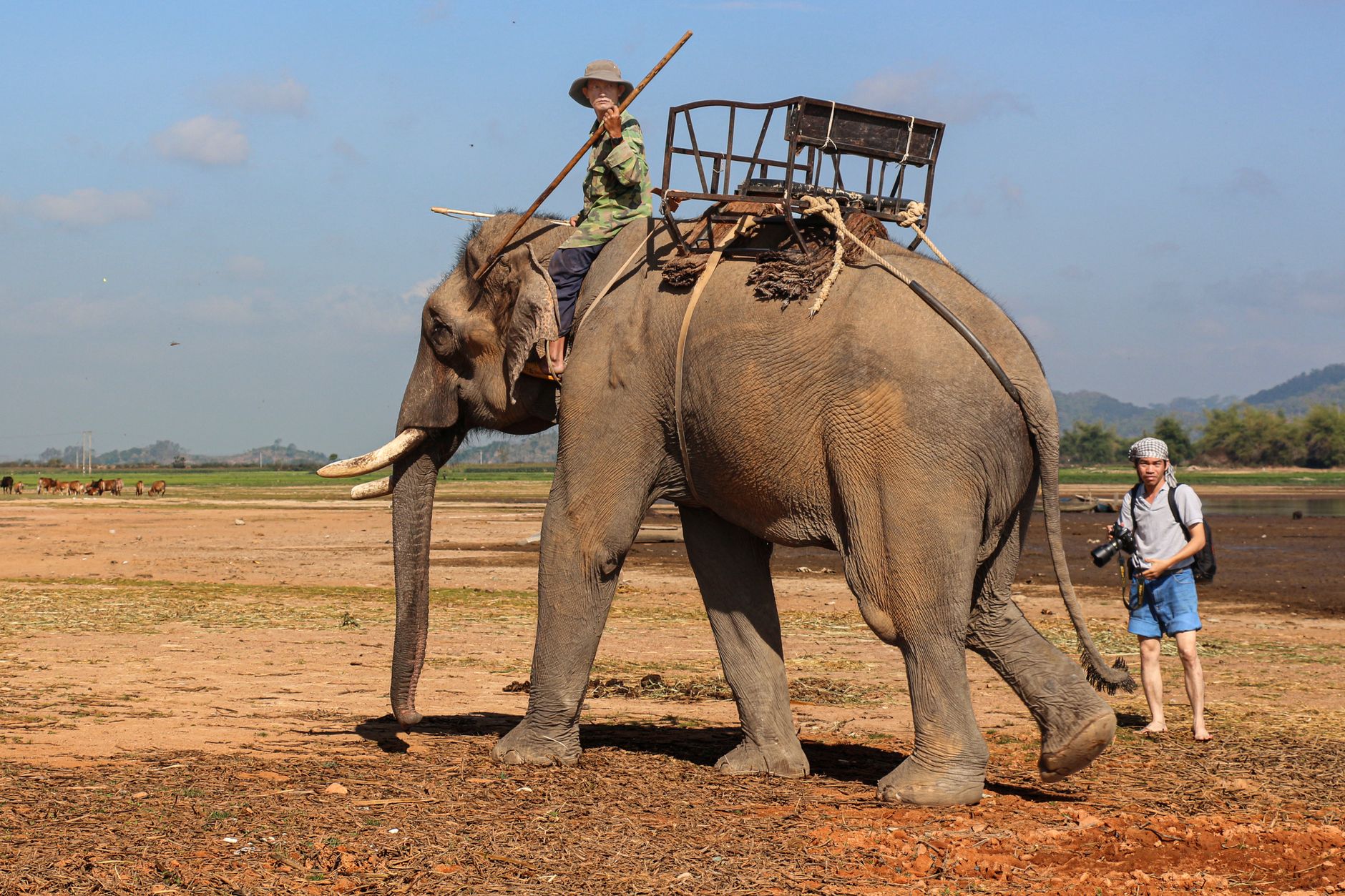
For years, Ban Don was known for elephant rides — tourists sitting in wooden howdahs while elephants walked set routes through scrubby forest. That practice drew sustained criticism from wildlife welfare organizations, and by the early 2020s most reputable operators had phased it out or were under pressure to do so. If a tour company is still actively selling elephant riding in Dak Lak, that's a signal to find a different operator.
What ethical engagement looks like now: walking alongside elephants in a forested area with no seating apparatus, watching them feed, and keeping a respectful distance. Some sanctuaries and family-run operations allow visitors to help prepare food — bundles of sugarcane and banana — and observe the mahout's daily care routine. The mahouts, almost all M'Nong men, often speak limited Vietnamese let alone English, so going with a bilingual local guide who can translate is worth the extra cost (usually 200,000–300,000 VND for a half-day).
The elephants you'll encounter are domesticated animals with individual names and decades-long relationships with their keepers. They are not tame in the petting-zoo sense — these are large, complex animals and the mahouts are managing working relationships. Watching that dynamic is more interesting than any staged interaction would be.

Photo by Quang Nguyen Vinh on Pexels
One of Ban Don's most-photographed features is the old suspension bridge over the Serepok River — a narrow, swaying structure that locals still use to cross between settlements. It's genuinely old, genuinely rickety in parts, and worth the slow walk across for the river views and the sensation of the whole thing moving underfoot. The Serepok eventually flows west into Cambodia and joins the Mekong system; standing on that bridge, the scale of the river feels much larger than the surrounding forest suggests.
The riverbanks are also where you'll find some of the best light in the late afternoon — a good reason to plan your visit to arrive around 3 PM rather than at midday when the heat is punishing. Temperatures in Dak Lak regularly hit 33–35°C in the dry season (November to April).
The M'Nong are one of the Central Highlands (중부 고원 / 中部高原 / 中部高原)' largest ethnic groups, and Ban Don contains some of the most accessible examples of traditional "nha san," or stilt-house, architecture outside of a museum context. The longhouses here are built on hardwood posts, with living areas elevated above ground level — practical design for a forested, flood-adjacent environment.
Wandering the village paths between stilt houses, past vegetable gardens and tethered cattle, gives more cultural context than the ticketed compound does. A few families run small homestays (book through guesthouses in Buon Ma Thuot rather than showing up cold). Meals in these homestays typically involve grilled pork or venison, sticky rice cooked in bamboo, and "ruou can," a communal rice wine drunk through long bamboo straws from a clay jar — an important part of M'Nong social ritual. Don't refuse it if it's offered in a home setting; it's a gesture of welcome.

Photo by Tuan Vy on Pexels
From Buon Ma Thuot city center, Ban Don is a 45-minute motorbike ride or about an hour by car via Highway 29. Renting a semi-automatic motorbike in Buon Ma Thuot costs roughly 120,000–150,000 VND per day. The road is paved and straightforward, passing rubber and coffee plantations for most of the route. There is no direct bus service to Ban Don itself, though Buon Ma Thuot has good connections to Da Nang, Hanoi, and Saigon by air.
Most visitors combine Ban Don with Yok Don National Park, which borders the village area and is the largest national park in Vietnam (베트남 / 越南 / ベトナム) by area — though wildlife spotting there requires time and realistic expectations rather than a half-day visit.
Visit in the dry season (November to April) for passable roads and manageable heat; the wet season makes the laterite tracks around the village difficult. Budget a full day if you want both the elephant experience and time in the village — half-day visits feel rushed. Skip any operator advertising elephant rides and look instead for those working with the Elephant Conservation Center based in Dak Lak, which has set a clearer standard for what responsible elephant tourism in the region should involve.