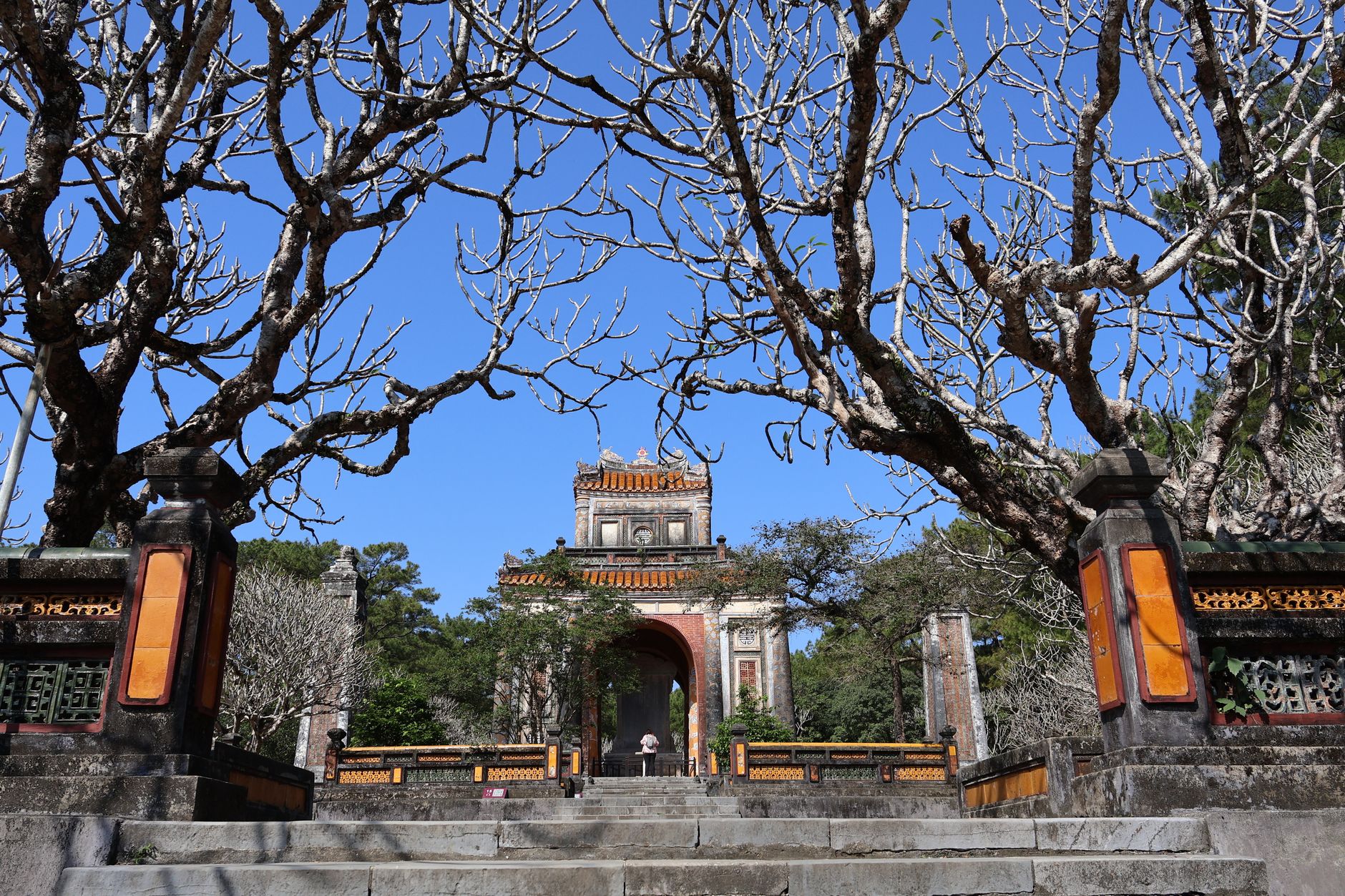
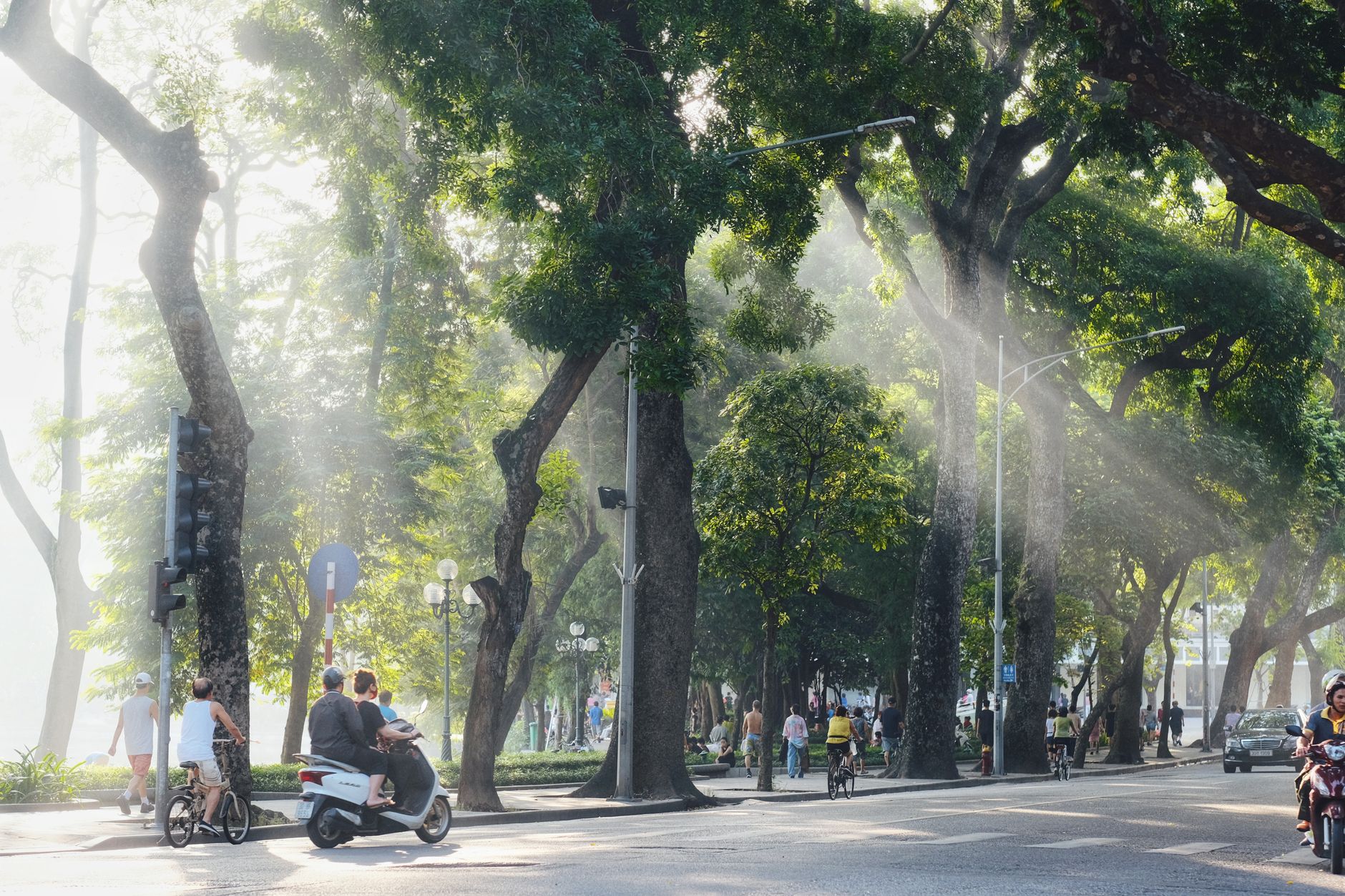
Ten days in Da Lat allows you to move past the superficial photo-booth parks and understand the complex layers of Central Highlands (중부 고원 / 中部高原 / 中部高原) history, French colonial architecture, and indigenous K'Ho culture. This itinerary avoids the generic tourist traps to focus on the authentic, slow-paced mountain life of this unique highland enclave.
Day 1 — French Quarter Architecture & Coffee Beginnings
Start your exploration in the French Quarter along Tran Hung Dao street, where dozens of colonial villas built in the 1920s and 1930s sit under towering pine trees. Walk the quiet residential lanes to observe the distinct European regional architecture adapted for the highland climate.
In the afternoon, head to a traditional cafe to experience "ca phe sua da (연유커피 / 越南冰咖啡 / ベトナムアイスコーヒー)" (Vietnamese iced coffee with condensed milk). Da Lat's high altitude makes it the premier coffee-growing region in Vietnam, and the local coffee culture is deeply ingrained.
- Off-script suggestion: Skip the restored tourist villas and seek out the decaying, ivy-covered abandoned villas near Cung Nam Phuong (the palace of the last empress) for a raw look at how nature reclaim these historic structures.
Day 2 — Market Realities & Street Food Culture
Spend your morning at the historic Da Lat Market (Cho Da Lat), designed in part by architect Ngo Viet Thu. The concrete steps leading down to the market are a hub of local life. Here, vendors sell fresh artichokes, mountain berries, and local flowers.
For lunch, seek out "banh mi" xiu mai (warm meatballs in broth served with crispy baguettes) on Hoang Dieu street. In the evening, return to the market steps to try "banh trang nuong", often called Da Lat pizza, which consists of grilled rice paper topped with egg, green onions, and dried shrimp.
- Off-script suggestion: Head to the damp, bustling basement level of the market where older women sell home-fermented wild strawberry wine and pickled highland vegetables by the jar.
Day 3 — Art & Avant-Garde Architecture
Explore the creative and sometimes bizarre architectural expressions of Da Lat. Visit the Hang Nga Guesthouse, globally known as the Crazy House, designed by Vietnamese architect Dang Viet Nga. It is a living piece of expressionist art that reflects the city's long-standing status as an artistic refuge.
Later, take a short drive to Linh Phuoc Pagoda in Trai Mat. This temple is a masterpiece of recycling, with its entire facade and giant dragon sculptures covered in intricate mosaics made from broken beer bottles and ceramic plates.
- Off-script suggestion: Visit the lesser-known Du Sinh Pagoda, built in the mid-20th century, which features a rare blend of traditional Buddhist temple design and Gothic architectural elements.
Day 4 — Indigenous K'Ho Heritage
Dedicate this day to the K'Ho people, the indigenous ethnic group of the Lang Biang plateau who lived here long before the French established the hill station. Travel 12 km north of the city center to Lat Village at the foot of Lang Biang mountain.
Visit the K'Ho Coffee cooperative, a family-run farm managed by Rolan Co Lieng, a K'Ho community leader. Here, you will learn about traditional weaving, agricultural practices, and the history of heirloom Arabica coffee cultivation in the highlands.
- Off-script suggestion: Ask the cooperative guides to show you the small, private family museum of traditional K'Ho agricultural tools and musical instruments.
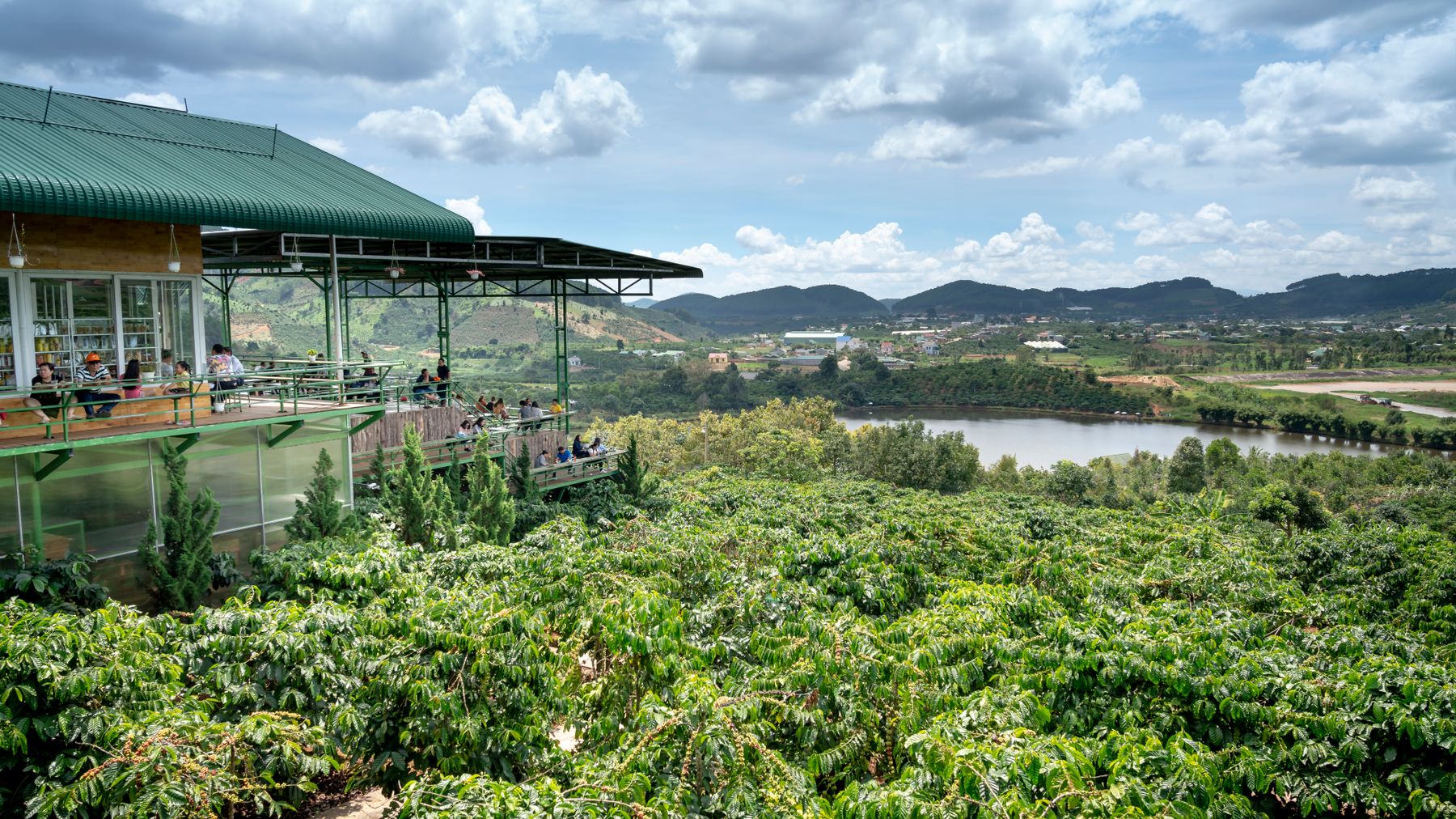
Photo by Quang Nguyen Vinh on Pexels
Day 5 — The Historic Railway & Trai Mat
Visit the Da Lat Railway Station, an Art Deco gem built in 1938 that mirrors the shape of Normandy's Trouville-Deauville station mixed with the high-pitched roofs of Central Highlands communal houses.
Board the historic wood-paneled tourist train for a slow, 7 km journey through vegetable patches and flower greenhouses to the small town of Trai Mat. The slow speed allows you to observe the rural-urban fringe of the highlands.
- Off-script suggestion: Instead of taking the train straight back, spend two hours walking the narrow dirt paths that run parallel to the tracks in Trai Mat, where locals dry persimmons on their porches.
Day 6 — Agricultural Culture & Greenhouse Realities
Da Lat is the agricultural powerhouse of Vietnam, supplying flowers and temperate vegetables nationwide. Visit the Van Thanh Flower Village to see how modern greenhouse technology has transformed the local landscape.
In the afternoon, seek out a local farm specializing in "tra ati so" (artichoke tea). Artichokes were introduced by the French and have become a cornerstone of local health culture.
- Off-script suggestion: Walk along the backroads of Ward 11 after dark. The entire valley lights up as thousands of greenhouses turn on their yellow lights, creating a glowing golden grid across the hills.
Day 7 — Zen Buddhism & Lake Solitude
Take the cable car from Robin Hill down to Truc Lam Zen Monastery. This active monastery sits on a pine-forested hill overlooking Tuyen Lam Lake. The quiet gardens and simple wooden architecture offer a stark contrast to the busy city center.
Spend the afternoon walking the dirt trails that hug the edge of Tuyen Lam Lake, away from the motorboat docks.
- Off-script suggestion: Rent a basic wooden paddleboat from the far southern end of the lake to reach the quiet, undeveloped inlets where local fishermen camp.

Photo by HONG SON on Pexels
Day 8 — Literary & Musical Legacies
Da Lat has long been a sanctuary for Vietnamese writers, poets, and musicians. Spend your morning at Cafe Tung, a historic, smoky cafe in the center of town that has barely changed since the 1950s. This is where legendary songwriter Trinh Cong Son met singer Khanh Ly.
In the evening, attend an acoustic music performance at one of the rustic wooden cafes hidden in the hills of Ward 11, where local artists perform classic Vietnamese ballads.
- Off-script suggestion: Look for vintage book stalls along Tang Bat Ho street, where you can find old French-era maps and pre-war Vietnamese poetry collections.
Day 9 — Rural Industry in Nam Ban
Drive 30 km down the winding Ta Nung pass to the rural town of Nam Ban. Here, the altitude drops, and the landscape transitions to traditional agricultural industries. Visit the Cuong Hoan Silk Factory to see the entire silk production process, from silkworm cocoons to hand-loomed textiles.
Nearby, stop by the Elephant Waterfall, a powerful cascade that remains much wilder than the manicured waterfalls closer to Da Lat.
- Off-script suggestion: Stop at a small family-run workshop in Nam Ban to taste "ruou can" (traditional mountain rice wine fermented in clay jars and drunk through long bamboo straws).
Day 10 — The Modern Creative Scene
Conclude your trip by exploring Da Lat's contemporary creative culture. Visit local art spaces and independent galleries that showcase the work of young Vietnamese artists who have relocated from Saigon and Hanoi for the quiet mountain lifestyle.
For your final dinner, try "nem nuong" (grilled pork skewers wrapped in rice paper with herbs and a rich peanut dipping sauce) on Phan Dinh Phung street, a favorite gathering spot for local families.
- Off-script suggestion: Skip the touristy night market and spend your final evening at a small, independent craft cider house in the hills, chatting with young locals about the city's changing identity.
Practical notes
Expect temperatures to drop significantly in the evening, so pack light layers and a windbreaker. The best way to navigate the steep, winding streets of Da Lat is by renting a semi-automatic scooter for about 120,000 VND per day, but always exercise caution on the mountain passes.
Last updated · May 30, 2026 · independently researched, never sponsored.