What it is
Bao Tang Quang Ninh — Quang Ninh Museum — sits on the waterfront of Ha Long city, a massive black glass box that reflects the sky and Bai Chay Bay depending on the hour. Designed by Spanish architect Salvador Perez Arroyo and opened in 2013, the building alone is worth the detour. Three floors cover the natural history, ethnic cultures, and modern development of Quang Ninh province. It's one of the better-curated regional museums in northern Vietnam (베트남 / 越南 / ベトナム), and unlike many Vietnamese museums, the English signage is actually useful.
The museum was built partly with revenue from the province's coal mining industry — fitting, since the black exterior panels are meant to evoke coal, Quang Ninh's most famous export after Ha Long Bay itself.
Why travelers go
Most people visiting Ha Long Bay (하롱베이 / 下龙湾 / ハロン湾) spend their time on cruise boats and never set foot in Ha Long city proper. That's a missed opportunity. Bao Tang Quang Ninh gives you context for everything you see on the water — the geology behind those limestone karsts, the communities that have fished these waters for centuries, and the fossils pulled from local caves. If you have a half-day gap before or after a bay cruise, this is the best way to fill it.
The building photographs well too. That reflective black facade against the waterfront promenade is genuinely striking, especially in the late afternoon when the glass catches the sunset over the bay.
Best time to visit
The museum is climate-controlled, so it works year-round as a rainy-day backup — and you'll want one in Quang Ninh, where drizzle is common from February through April. That said, the waterfront promenade outside is best enjoyed in October or November, when skies clear up and temperatures sit around 22-26°C. Avoid major holiday weeks around Tet and summer breaks (June-July) when domestic visitor numbers spike.
The museum is open daily except Mondays, from 8:00 to 17:00. Last entry is around 16:30.
How to get there
From Hanoi, the most common route is by bus or car along the Ha Long Expressway. Express buses from My Dinh or Gia Lam bus stations run frequently and cost 100,000-150,000 VND one way, taking about 2.5 hours. If you're coming from Noi Bai Airport, some shuttle services run direct to Ha Long for around 250,000 VND.
Once in Ha Long city, the museum is on Tran Quoc Nghien street along the Bai Chay waterfront. A taxi from Ha Long bus station costs roughly 50,000-70,000 VND, or you can walk if your hotel is in the Bai Chay area — it's about 2 km from most waterfront hotels.
If you're returning from a Ha Long Bay cruise at Tuan Chau Marina, the museum is about 8 km east, a 15-minute cab ride.

Photo by skydesign on Pexels
What to do inside
Walk the geology floor
The ground floor covers Quang Ninh's natural history with a solid fossil and mineral collection. The geological displays explain how Ha Long Bay's karsts formed over 500 million years — it makes the bay cruise afterward (or the one you just took) more interesting. Real coal samples and mining equipment are displayed alongside geological cross-sections of the province.
Explore the ethnic culture exhibits
The second floor focuses on the ethnic communities of Quang Ninh, including the Dao, Tay, and San Diu peoples. Traditional clothing, tools, and reconstructed village scenes fill the galleries. The craftsmanship on display — especially the Dao embroidery — is worth slowing down for. If you're interested in "ao dai" and traditional Vietnamese textiles, this floor puts regional variations in context.
Check out the marine life section
A wing dedicated to Ha Long Bay's marine biodiversity includes preserved specimens and a modest aquarium section. It's not oceanarium-level, but the displays on coral ecosystems and local fishing traditions connect well to what you see on the water.
Catch the rotating exhibitions
The museum hosts temporary exhibitions that change every few months — recent ones have covered local lacquerware, provincial photography, and archaeological finds from nearby caves. Check the museum's signboard in the lobby when you arrive.
Spend time on the waterfront promenade
Don't skip the area outside. The museum sits on a landscaped promenade that stretches along the bay, with benches and views across to Tuan Chau Island. It's a pleasant 20-minute walk in either direction and a good spot for "ca phe sua da" from one of the nearby cafes.
Where to eat nearby
The Bai Chay waterfront area has plenty of seafood restaurants, but for something local, look for "cha muc" — Ha Long's signature squid cake. It's a dense, chewy patty of pounded squid, deep-fried and served with dipping sauce. Vendors along Bai Chay Beach Road sell it for 30,000-50,000 VND a portion. For a sit-down meal, the restaurants clustered around Ha Long Night Market (about 1.5 km from the museum) serve fresh grilled seafood — clams, mantis shrimp, and scallops — at reasonable prices, typically 150,000-300,000 VND per person for a full spread.
If you want something quick before heading back, grab a bowl of "bun rieu" — crab noodle soup — from one of the small shops on the streets behind the waterfront. A bowl runs about 35,000-45,000 VND.
Where to stay
Bai Chay has the widest range of accommodation near the museum. Budget hotels and guesthouses line the streets one block back from the waterfront, starting around 300,000-500,000 VND per night. Mid-range options with bay views go for 800,000-1,500,000 VND. A handful of international-brand hotels sit closer to Tuan Chau, in the 2,000,000-4,000,000 VND range, though they're further from the museum.
Staying in Bai Chay puts you within walking distance of the museum, the night market, and the cruise pier — it's the most practical base.

Photo by Mochammad Algi on Pexels
Tips locals would tell you
- Bring your own water. The museum cafe is overpriced and limited. Fill a bottle before you go.
- Start on the top floor and work down. Most tour groups begin on the ground floor, so heading upstairs first means fewer crowds in the galleries.
- Admission is 30,000 VND for adults (as of early 2024). Students get a discount with ID. Children under 6 are free.
- Photography is allowed in most galleries, but no flash. The staff are relaxed about phone cameras.
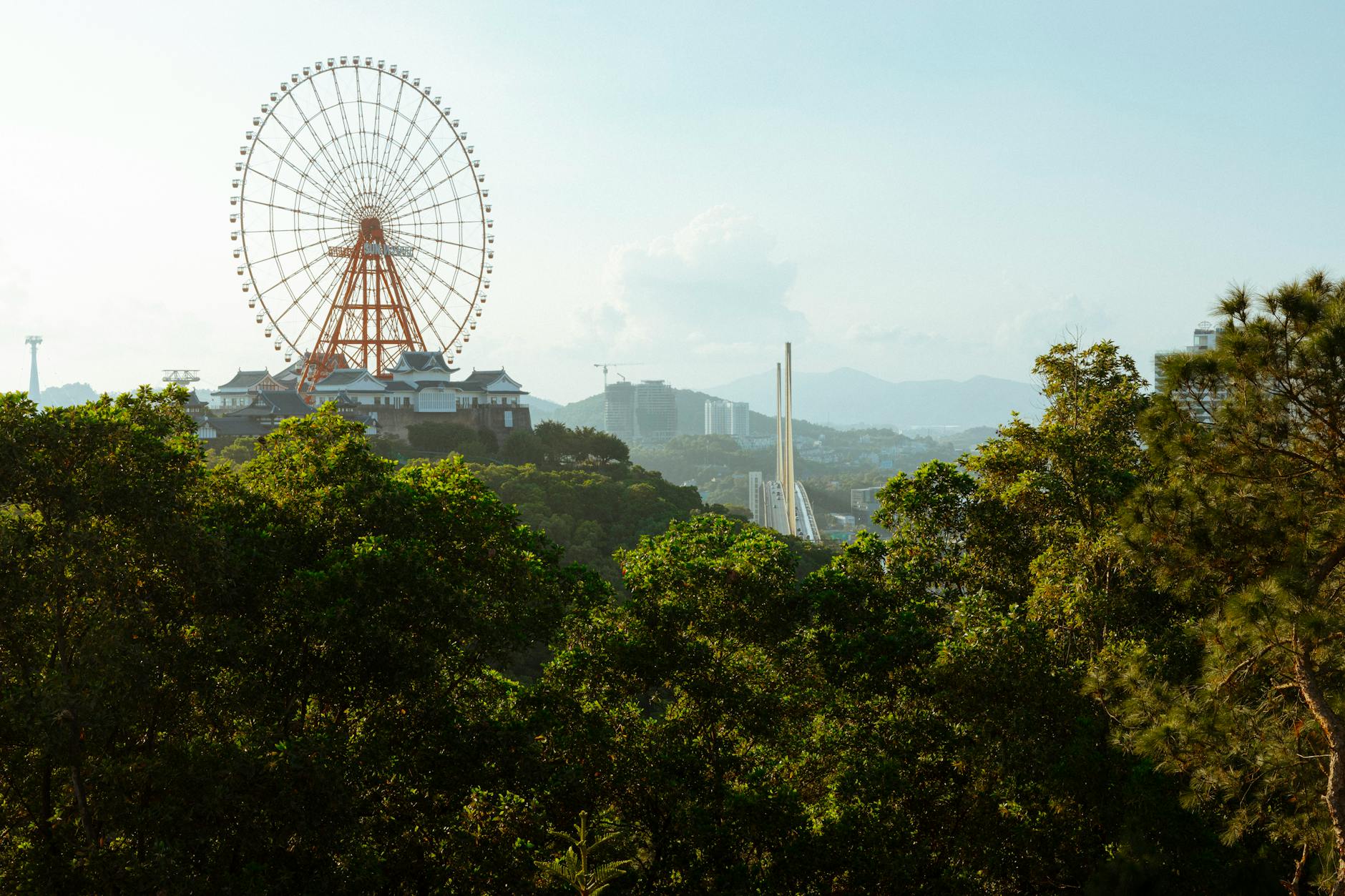
- Combine it with the Sun World complex across the bay if you're traveling with kids — the cable car over to Ba Deo Hill is visible from the museum promenade.
Common mistakes to avoid
- Skipping it entirely for another bay cruise. A lot of travelers book back-to-back boat trips and never explore Ha Long city. One afternoon here adds depth to the whole trip.
- Visiting on a Monday. The museum is closed. This catches people off guard, especially those with tight itineraries around Ha Long Bay.
- Rushing through in 30 minutes. Give it at least 90 minutes. The exhibits reward a slower pace, and the waterfront walk afterward is part of the experience.
- Taking a taxi without agreeing on a price first. Ha Long taxis are generally metered, but some drivers near tourist spots try flat rates. Use Grab or insist on the meter.
Practical notes
Bao Tang Quang Ninh is one of those places that quietly improves a Ha Long Bay trip. It won't be the highlight of your time in Quang Ninh — the bay itself handles that — but it gives you the background to appreciate what you're looking at. Budget half a day, pair it with seafood and a waterfront walk, and you'll leave Ha Long city feeling like you actually understood the place.
Last updated · Jun 29, 2026 · independently researched, never sponsored.