Quan Lan is the kind of island that people in Hanoi talk about when they want a beach without the resort markup. It sits in Bai Tu Long Bay, about 50 km east of Ha Long Bay, and draws a slow trickle of Vietnamese weekenders and a handful of foreign travelers who heard about it from someone who'd actually been. The beaches are long, the seafood is fresh, and the pace is genuinely slow — not resort-brochure slow, but nothing-is-open-past-9pm slow.
What Quan Lan Is
Quan Lan is one of the larger inhabited islands in the Van Don archipelago, Quang Ninh province. It's about 11 km long and narrow, with a few villages connected by a single concrete road that runs roughly north-south. The island has been settled for centuries — it was a trading post during the Tran Dynasty, and you can still find the remains of Quan Lan communal house ("dinh") dating back several hundred years. A small temple complex on the island commemorates the Tran Dynasty naval victories in the 13th century.
Today, most islanders fish or farm. Tourism is growing but still modest. There are no ATMs on the island, no international hotels, and the electricity used to cut out regularly (it's more reliable now, but don't count on air conditioning working through every brownout).
Why Travelers Go
Three reasons, really. First, the beaches. Quan Lan has three main ones — Minh Chau, Quan Lan, and Son Hao — and they're the wide, flat, pale-sand type that you associate with central Vietnam (베트남 / 越南 / ベトナム) but rarely find this far north. Minh Chau beach stretches about 2 km and on weekdays you might share it with a dozen people.
Second, the seafood. This is a fishing island, not a tourist island that happens to have fish. Prices reflect that.
Third, the quiet. If you've just spent three days navigating Hanoi traffic or dodging selfie sticks in Ha Long Bay (하롱베이 / 下龙湾 / ハロン湾), Quan Lan feels like decompression.
Best Time to Visit
June through August is peak season — warm water, long days, and the beaches are at their best. This is also when Vietnamese domestic tourists come, so weekends in July can get busy by Quan Lan standards (which still isn't very busy).
April, May, September, and October are shoulder months. Water is swimmable, weather is mostly cooperative, and you'll have more space. Avoid November through February unless you genuinely enjoy grey skies and 18°C water. The island gets windy, ferries occasionally cancel, and half the guesthouses close.
How to Get There
From Hanoi, drive or bus to Cai Rong port in Van Don district, Quang Ninh. That's roughly 230 km and takes about 4.5 hours by car, or 5-6 hours by bus from My Dinh station (around 200,000-250,000 VND one way).
From Cai Rong, you catch a ferry or speedboat to Quan Lan. The slow ferry takes about 2 hours and costs around 80,000-100,000 VND per person. Speedboats cut it to 45 minutes for roughly 200,000-250,000 VND. Ferries run a few times daily, typically with early morning and midday departures, but schedules shift seasonally — confirm times a day ahead.
If you're coming from Ha Long Bay, you can arrange a transfer through Cai Rong, though there's no direct boat connection from Ha Long tourist wharves.
Getting Around the Island
Rent a motorbike from your guesthouse for 100,000-150,000 VND per day. The island is small enough that you can ride end to end in 20 minutes. Some guesthouses also lend bicycles, but the midday heat makes that a sweaty proposition from May onward.

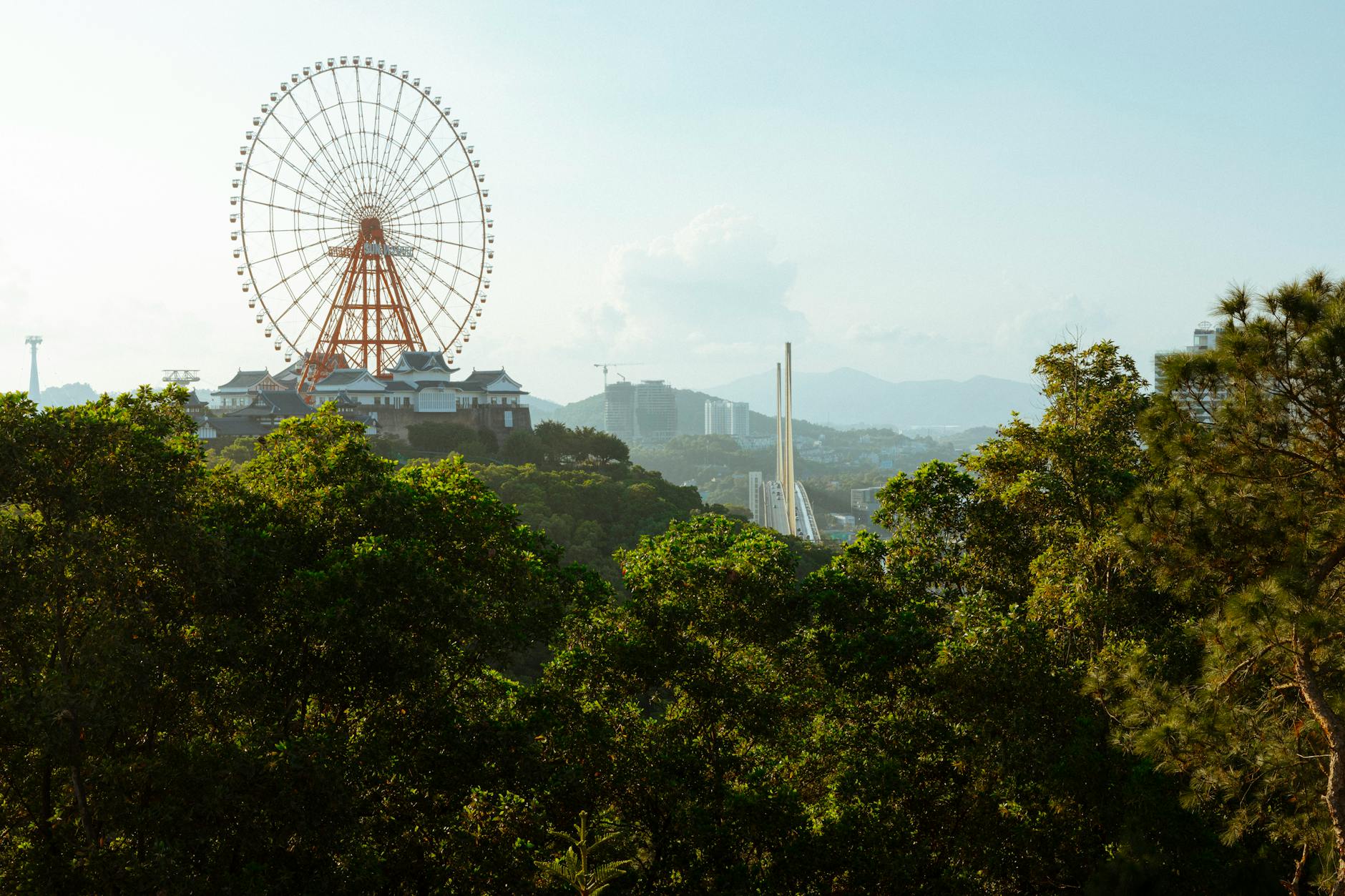
Photo by Quang Nguyen Vinh on Pexels
What to Do
Minh Chau Beach
The best beach on the island. Walk north past the tree line and you'll find stretches where it's just you and the casuarina pines. The sand is firm enough to walk on for a couple of kilometers. Swimming is good from May to September — the water is shallow and the current is mild.
Quan Lan Beach and Son Hao Beach
Quan Lan beach sits closer to the main village and has a few drink shacks. Son Hao is the most remote of the three — fewer facilities, rougher access road, and the most solitude. Worth the ride if you want to feel properly alone.
Quan Lan Communal House and Tran Dynasty Temple
The communal house is a modest wooden structure with old carvings and a courtyard. The Tran Dynasty temple nearby honors the 13th-century naval battles. Neither takes more than 30 minutes to visit, but they give the island a sense of history that most Vietnamese beach destinations lack.
Sunset From the West Side
The west coast of the island faces back toward the mainland and the karst formations of Bai Tu Long Bay. Ride to the western shore around 5:30 pm and you get the limestone silhouettes against the evening light. No entrance fee, no crowd.
Seafood Market in the Morning
Walk to the small harbor in Quan Lan village around 6 am when the boats come in. You can buy directly from fishermen — mantis shrimp, crab, clams — and most guesthouses will cook what you bring back for a small fee (30,000-50,000 VND).
Where to Eat
Quan Lan isn't a food destination in the way that Hanoi or Hoi An are. You eat seafood, and you eat it simply — grilled, steamed, or stir-fried with garlic and fish sauce.
The local specialty worth seeking is "sam bien" (horseshoe crab), typically served in a salad with herbs and green mango. It's seasonal and not always available, so ask around. Grilled "tu hai" (geoduck clam) is the other signature — briny, tender, and usually priced around 250,000-400,000 VND per plate depending on the season.
Most guesthouses serve meals. There are a handful of small restaurants along the main road in Quan Lan village. Don't expect menus in English — point-and-order works fine.
Where to Stay
Accommodation is basic. You're choosing between family-run guesthouses and a few small hotels, mostly clustered near Quan Lan village or along the road to Minh Chau beach.
- Budget: 200,000-400,000 VND per night for a fan room with shared bathroom. Clean enough, usually includes breakfast.
- Mid-range: 500,000-900,000 VND gets you air conditioning, a private bathroom, and sometimes a balcony. A few newer places near Minh Chau fall in this range.
- Top end: There's no luxury option. The nicest rooms on the island top out around 1,200,000 VND in peak season.
Book ahead for July and August weekends. The rest of the year, you can show up and find something.

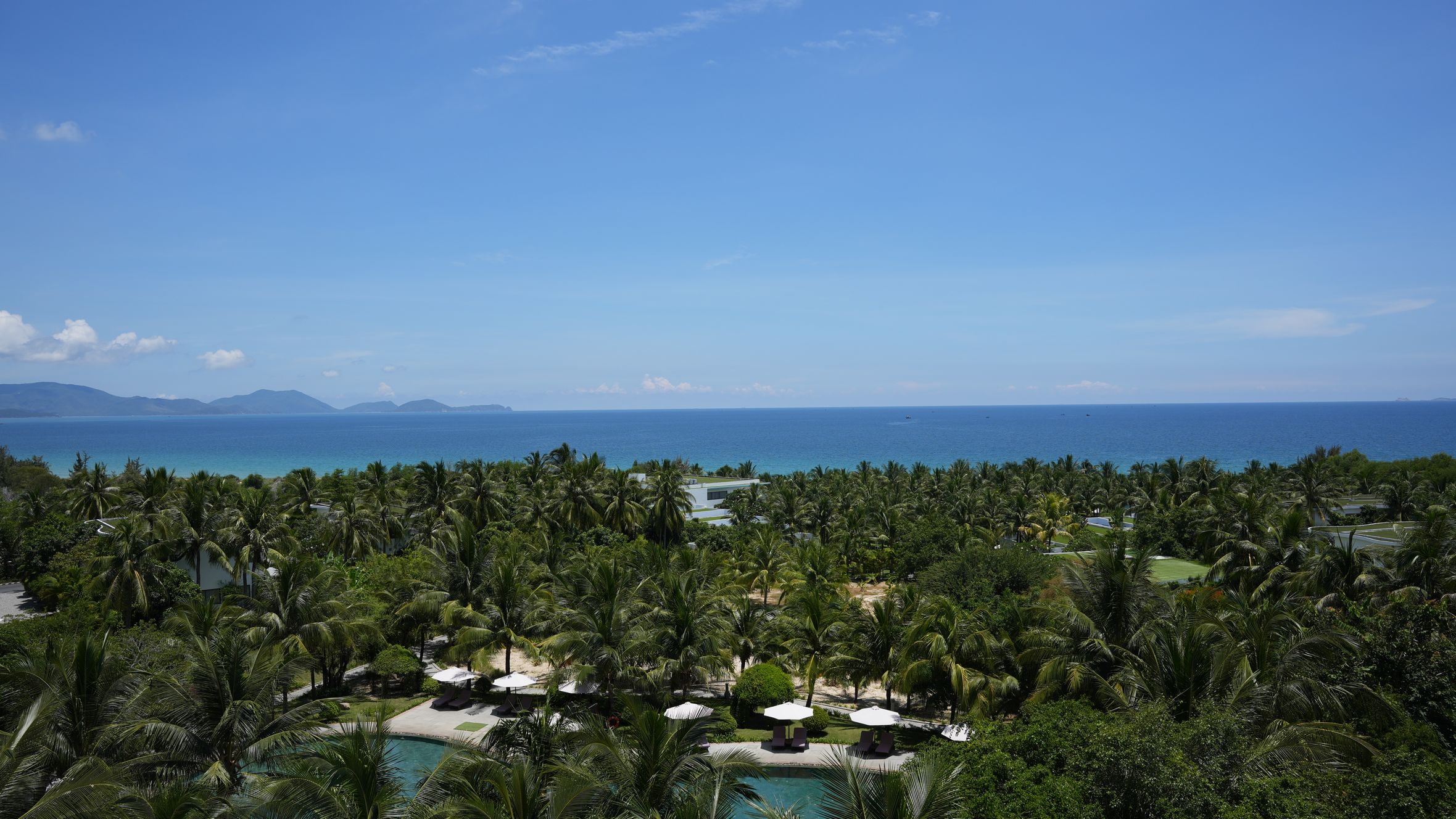
Photo by Quang Nguyen Vinh on Pexels
Practical Tips
- Bring cash. No ATMs on the island. The nearest ones are in Cai Rong. Bring more than you think you'll need.
- Pack sunscreen and mosquito repellent. There's one small shop that might have sunscreen, but the selection is limited and the markup is real.
- Charge your devices before arriving. Power outages still happen, especially during storms. A portable battery bank is worth the bag space.
- Learn three Vietnamese phrases. "Bao nhieu" (how much), "cam on" (thank you), and "khong" (no) will cover most interactions. English is rare here.
- Check the ferry schedule the night before departure. Missing the last boat means an unplanned extra night.
Common Mistakes
Showing up on a holiday weekend without a reservation — Quan Lan is increasingly popular with Hanoi families during Tet holidays and summer breaks, and beds fill up fast. Assuming you can use cards or mobile payment — cash only on the island. Trying to do Quan Lan as a day trip from Ha Long Bay — the ferry schedule doesn't really allow it, and the island rewards at least two nights. Packing light on food expectations — if you're a picky eater, bring snacks from the mainland.
Practical Notes
Quan Lan works best as a 2-3 night stay, ideally midweek. Pair it with time in Ha Long Bay or a stop in Van Don on the way back to Hanoi. It's not polished, it's not convenient, and that's the whole point.
Last updated · May 29, 2026 · independently researched, never sponsored.