Mong Cai is one of those Vietnamese towns that most tourists skip entirely, which is exactly why it's worth knowing about. Sitting at the far northeastern corner of Quang Ninh province, roughly 300 km from Hanoi, it's a border trading town with a personality shaped more by commerce than tourism — but it has real pull if you know what you're coming for.
What Mong Cai actually is
Mong Cai is a city in Quang Ninh province, right on the Ka Long River that marks the border with China's Dongxing city. It's been a trading hub for centuries, and that identity defines the place today. The streets are lined with wholesale shops, the markets are enormous, and the energy is transactional in a way that feels honest rather than performative. Unlike Ha Long Bay — the province's headline act — Mong Cai doesn't try to charm you. It just is what it is.
The population is a mix of Kinh, Dao, and Tay communities, and you'll notice that diversity in the food and the faces around the morning markets.
Why travelers actually go
Three reasons, mostly. First: the border crossing. Mong Cai is one of Vietnam (베트남 / 越南 / ベトナム)'s busiest land crossings into China, so it sees a steady flow of people heading to or from Dongxing. Second: the markets. If you've ever wanted to see Vietnamese wholesale trade at full volume, this is the place. Third: Tra Co Beach, a long stretch of sand about 8 km southeast of the city center that sees almost zero international visitors.
It's not a place you'd plan a week around. But as a stop on a longer northeastern loop — maybe combined with Ha Long Bay (하롱베이 / 下龙湾 / ハロン湾) or Lang Son — it fills a day or two easily.
Best time to visit
April through June and September through November are the sweet spots. Summers (July–August) bring heavy rain and occasional typhoon warnings along the coast. Winters (December–February) are cool and grey, with temperatures dropping to 10–14°C — not freezing, but not beach weather either.
If you're passing through for the markets, weather matters less. If Tra Co Beach is on your list, aim for May or October when it's warm, dry, and relatively uncrowded.
How to get there from Hanoi
Mong Cai is about 300 km northeast of Hanoi. The most common route:
- Bus from My Dinh or Gia Lam station: Several operators run daily services. The trip takes 6–7 hours via the Ha Long–Van Don expressway. Tickets run 250,000–350,000 VND depending on the bus company. Kumho Viet Thanh and Phuc Xuyen are reliable names.
- Via Ha Long Bay: If you're already in Ha Long, local buses and minivans cover the remaining 180 km in about 3.5–4 hours. Around 150,000–200,000 VND.
- Private car/motorbike: The expressway has cut travel time significantly. Hanoi to Mong Cai by car is doable in 5 hours if traffic cooperates. The coastal stretch from Ha Long onward is genuinely scenic — rice paddies giving way to limestone hills and then flat coastal plains.
There's no commercial airport in Mong Cai. The nearest is Van Don International Airport (about 150 km southwest), with limited domestic flights from Saigon and Da Nang. From Van Don, you'd still need a bus or taxi to Mong Cai.

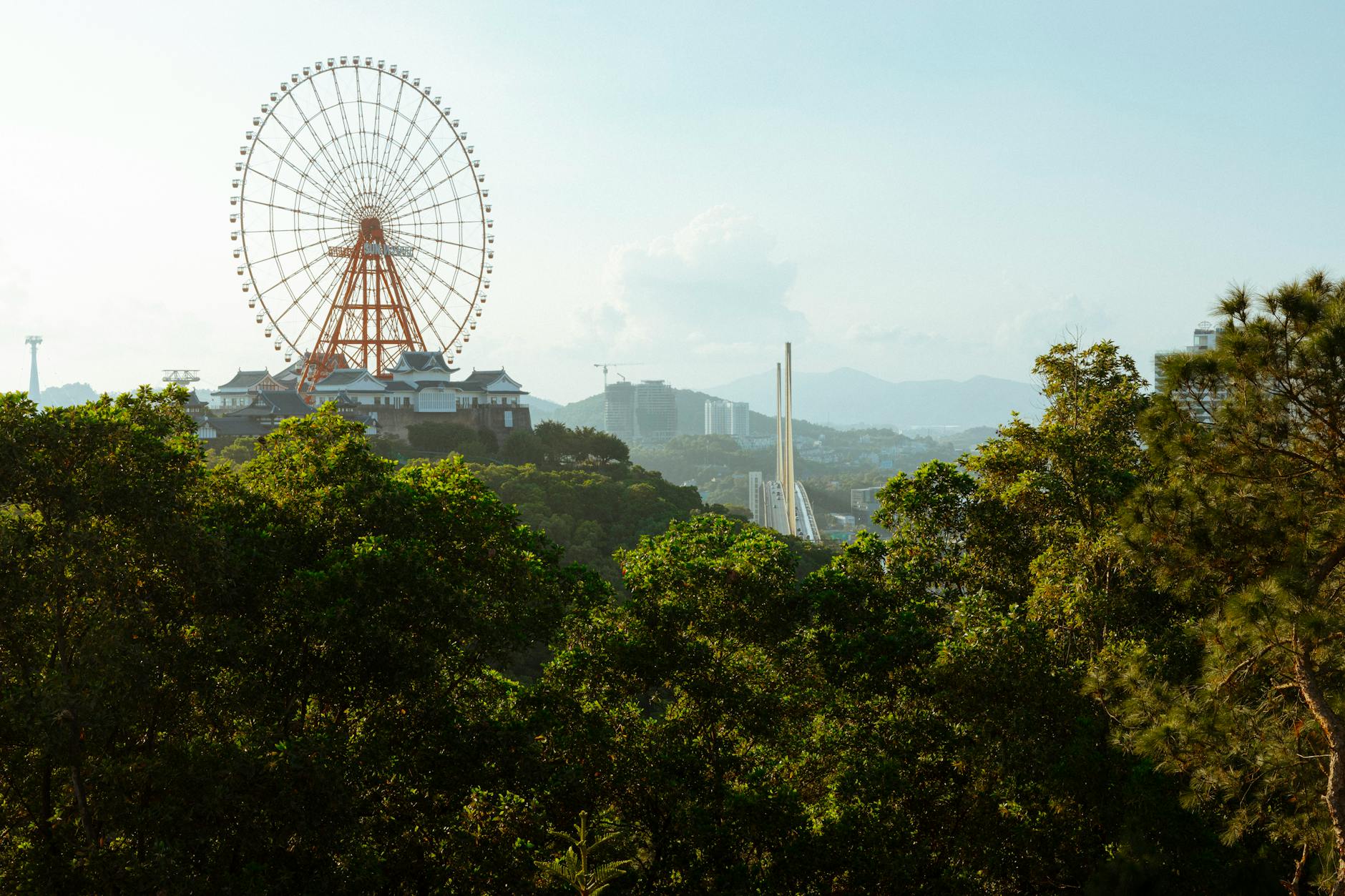
Photo by Hải Băng on Pexels
What to do
Tra Co Beach
A 17 km crescent of sand starting about 8 km from the city center. It's not polished — think local seafood shacks, plastic chairs, and Vietnamese families on weekend trips rather than resort loungers. The water is calm, the sand is decent, and the lack of tourist infrastructure is part of the appeal. A xe om (motorbike taxi) from the center costs around 40,000–50,000 VND.
Tra Co Church
Sitting near the beach, this Catholic church dates back to 1880 and is one of the oldest in the northeast. The architecture is French colonial with Vietnamese touches, and the surrounding village has a quiet, salt-air atmosphere that contrasts sharply with the market chaos in town.
Mong Cai International Market (Cho Mong Cai)
This is the main event for most visitors. A sprawling complex where Vietnamese and Chinese traders move everything from textiles to electronics to dried seafood. Even if you're not buying, the scale is impressive. Go in the morning — by mid-afternoon, energy drops. Bargaining is expected and aggressive.
Nui Bai Tho viewpoint area
Just outside town, the low hills offer decent views over the Ka Long River and the border area. It's not a hike — more of a 20-minute walk — but it gives you a sense of the geography and the strange feeling of standing at the edge of the country.
Vinh Thuc Island
About 15 km offshore from Tra Co, Vinh Thuc is a small island with fishing villages and empty beaches. Boats leave from Tra Co pier and cost around 80,000–120,000 VND for the crossing. There's almost nothing in the way of tourist services — bring water and snacks. It's a genuine day trip for people who want quiet.
Where to eat
Mong Cai's food scene is dominated by seafood — reasonable, given the coast. Two things worth seeking out:
- "Banh cuon" Mong Cai style: The local version uses a slightly thicker rice sheet than what you'd find in Hanoi, often stuffed with minced pork and wood ear mushroom, served with a sweeter dipping sauce. Morning market stalls near Cho Mong Cai serve it for 25,000–35,000 VND a plate.
- Grilled "goi cuon" with seafood: Fresh spring rolls here lean heavily on crab and shrimp pulled from local waters. Street vendors along the Tra Co beach road sell them in the afternoon. Expect to pay 10,000–15,000 VND per roll.
For a proper seafood meal — crab, clams, grilled fish — the restaurants along the Tra Co beach strip charge 200,000–400,000 VND per person depending on what you order. Point at what looks fresh in the tank and negotiate the price before they cook it.
Where to stay
- Budget: Local guesthouses ("nha nghi") near the market area go for 200,000–350,000 VND/night. Basic but functional — expect a bed, AC, and hot water.
- Mid-range: A few proper hotels near the waterfront and along the main road offer clean rooms with breakfast for 500,000–800,000 VND/night.
- Higher-end: The Mong Cai International Hotel and a couple of newer properties near Tra Co Beach charge 900,000–1,500,000 VND/night. Nothing fancy by international standards, but comfortable.
Booking apps work here, but availability can be patchy — Vietnamese holidays and trading seasons fill rooms fast.

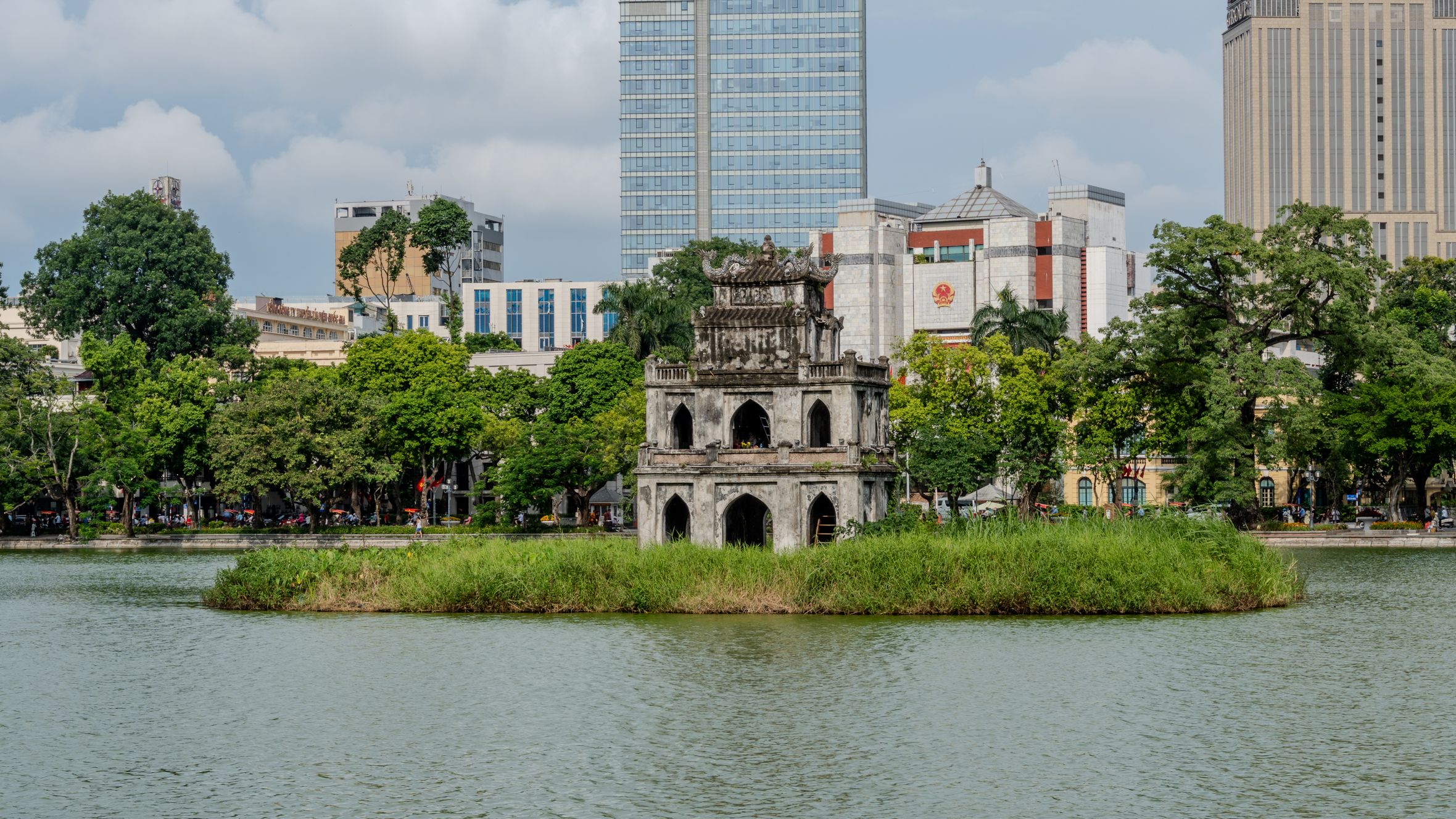
Photo by Quang Nguyen Vinh on Pexels
Practical tips locals would tell you
- Carry cash. Card acceptance is minimal outside the better hotels. ATMs exist but can be unreliable — withdraw in Ha Long if you can.
- Learn the phrase "bao nhieu" (how much). Market vendors here are used to fast-paced haggling and will quote high to foreign faces.
- Don't drink the tap water. This applies everywhere in Vietnam, but Mong Cai's water infrastructure is older than most cities.
- Phone signal is strong. If you already have a Vietnamese SIM, 4G coverage is solid throughout the city and even on Tra Co Beach.
Common mistakes to avoid
- Expecting Ha Long Bay vibes. Mong Cai is a working town. If you come looking for scenic tourism, you'll be confused. Come for the food, the market, and the atmosphere.
- Skipping Tra Co Beach. Plenty of people pass through Mong Cai for the border crossing and never go 8 km further. The beach isn't spectacular, but it's a genuine local scene and worth the detour.
- Overpaying at the market. First prices at Cho Mong Cai can be 2–3x what locals pay. Don't be rude about it, but do push back.
- Trying to do it as a day trip from Hanoi. Six hours each way makes a round trip exhausting. Stay at least one night.
Practical notes
Mong Cai works best as part of a wider Quang Ninh loop — combine it with Ha Long Bay and maybe Van Don for a 4–5 day northeastern trip. It's not glamorous, but it's real, and the seafood alone justifies the detour.
Last updated · May 29, 2026 · independently researched, never sponsored.