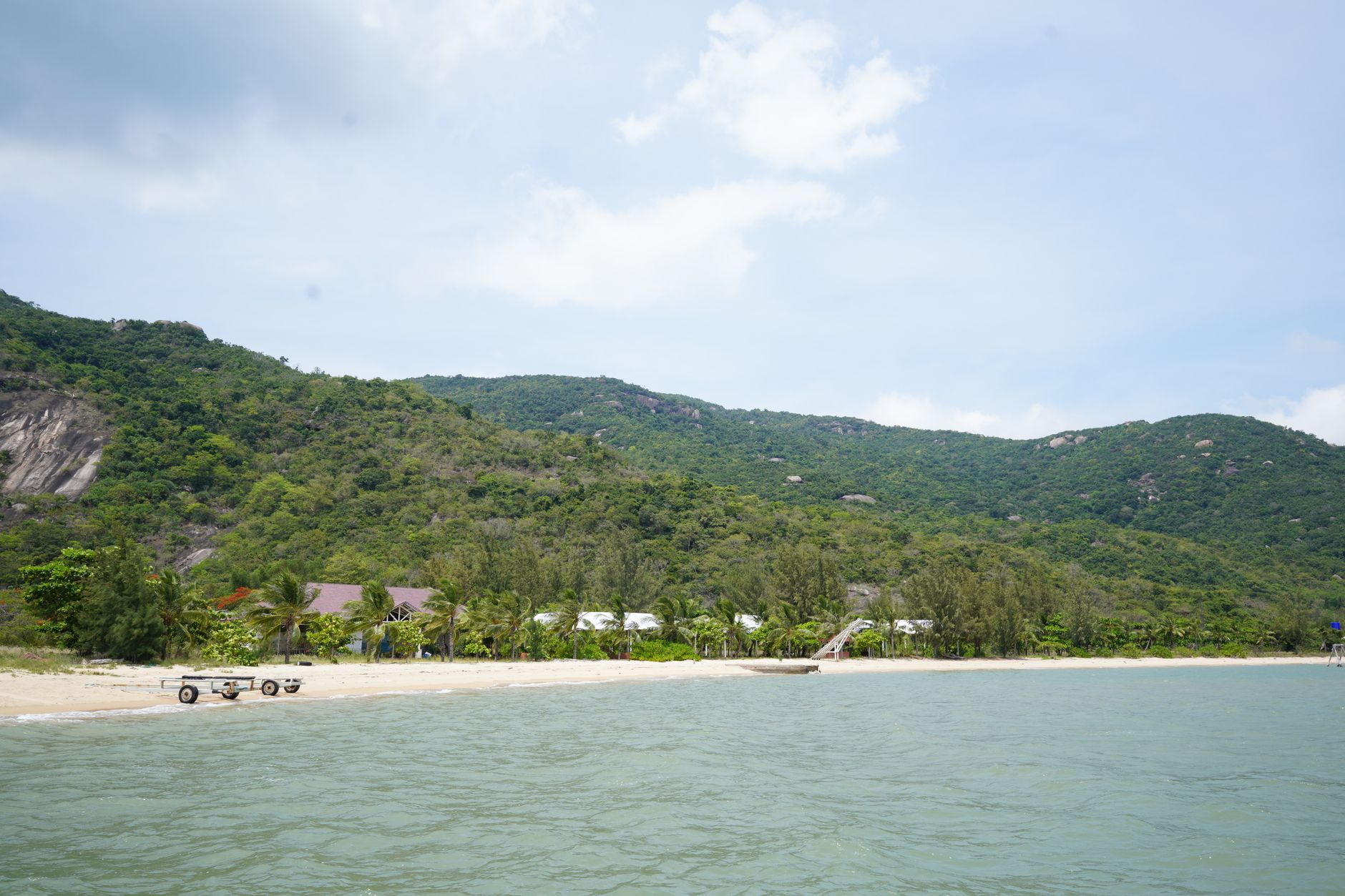
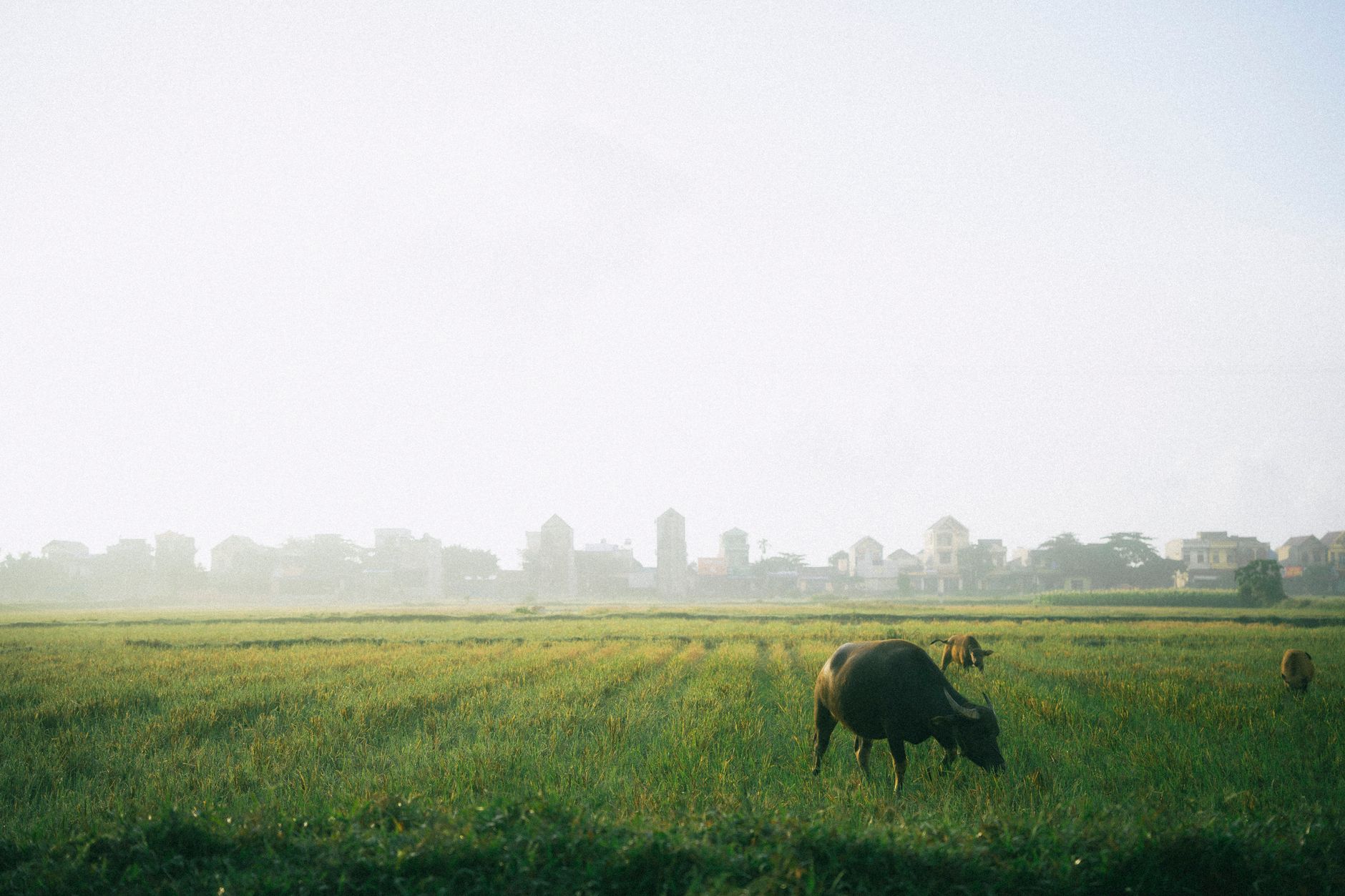
Cai Mon has been growing fruit trees longer than most places in the Mekong Delta (메콩 델타 / 湄公河三角洲 / メコンデルタ) have had paved roads. This commune — historically part of Ben Tre province and now administered under Vinh Long following a provincial merger — is where nurseries supply saplings to orchards across southern Vietnam. For travelers, it's a chance to walk through working gardens rather than tourist-staged ones, eat fruit straight off the branch, and see a side of Delta life that revolves around soil and seasons.
What Cai Mon is and why it matters
Cai Mon (full name: Vuon Cay An Trai Cai Mon) is a cluster of fruit orchards and plant nurseries spread across a low-lying island commune between the Ham Luong and Co Chien rivers. The area has been a center for horticulture since the French colonial period, when Catholic missionaries introduced grafting techniques that locals adapted and refined. Today, Cai Mon supplies an enormous share of Vietnam (베트남 / 越南 / ベトナム)'s fruit tree saplings — durian, mangosteen, rambutan, longan, jackfruit, sapodilla, and dozens of other varieties.
This isn't an amusement park with a fruit theme. It's a real agricultural area where families have tended orchards for generations. The appeal is exactly that: no ticket booths, no staged photo ops, just narrow dirt paths between rows of trees, canal-side nurseries, and farmers who'll let you taste whatever's ripe if you ask politely.
Why travelers go
Most visitors come for one or more of these reasons: to eat seasonal fruit at its absolute freshest, to see the nursery trade that supplies the entire Delta, or simply to get onto the quieter waterways south of the main Mekong tourism corridor. Cai Mon is a good counterpoint to the busier floating markets near Can Tho — less performative, more lived-in. If you've been doing the standard Mekong loop and want a half-day that feels unscripted, this is it.
Best time to visit
Fruit season peaks from May through July, when durian, mangosteen, rambutan, and longan are all bearing at once. This is the ideal window — orchards are heavy with fruit, prices drop, and farmers are in good spirits because business is strong.
The secondary window is December through February, when citrus varieties (pomelo, orange, tangerine) are at their best. This also overlaps with the dry season, so paths between orchards are less muddy.
Avoid September and October if you can. Heavy rains flood the lower paths, some orchards close to visitors, and the fruit selection narrows.
How to get there
The nearest major hub is Can Tho (about 90 km, roughly 2–2.5 hours by road) or Saigon (about 100 km, roughly 2.5–3 hours depending on traffic through Long An).
From Saigon: Take a bus from Mien Tay bus station toward Ben Tre town (around 90,000–120,000 VND). From Ben Tre, hire a xe om (motorbike taxi) or grab a local bus to Cai Mon commune in Cho Lach district — about 15 km, around 30,000–50,000 VND by xe om. Total travel time from Saigon: 3–3.5 hours with connections.
From Can Tho: Buses run to Ben Tre via Vinh Long city. Alternatively, if you have your own motorbike, the ride through the Delta backroads is flat, scenic, and manageable — stick to QL57 once you're south of Vinh Long.
By tour: Many Mekong Delta day tours from Saigon include Cai Mon as a stop, usually combined with a coconut candy workshop or a homestay lunch. These run 600,000–1,200,000 VND per person depending on group size. They're convenient but limit your time in the orchards to 30–45 minutes.
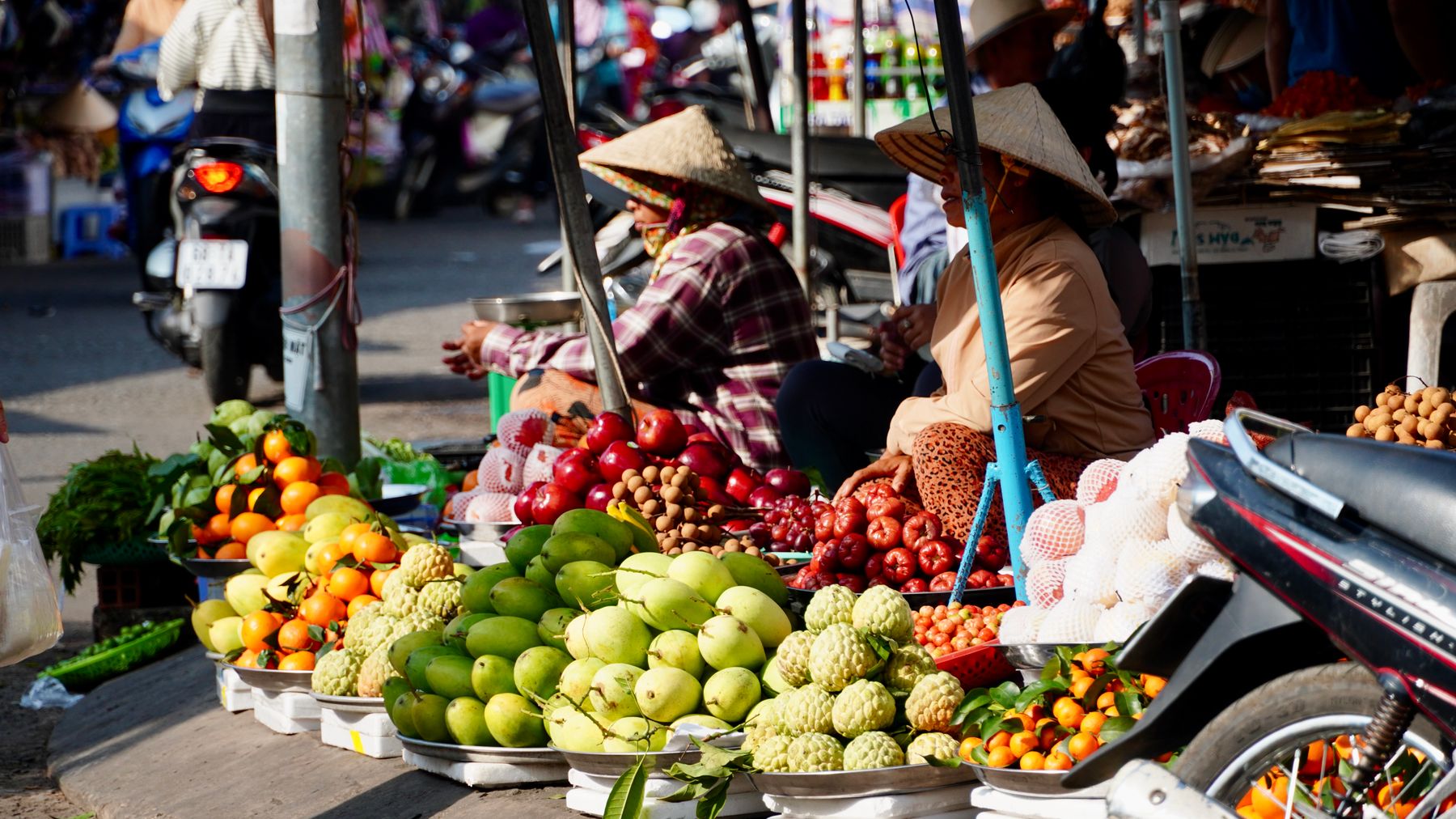
Photo by Tuan Vy on Pexels
What to do
Walk the nursery lanes
Cai Mon's nursery area stretches along both sides of narrow concrete lanes. You'll see thousands of saplings in plastic bags, grafting stations, and hand-painted signs listing varieties. It's genuinely interesting even if you have zero interest in agriculture — the scale of it is something you don't expect.
Eat fruit at the source
Most orchard owners will invite you in if you stop and show interest. You'll typically pay a small entrance fee (20,000–50,000 VND) and eat as much fruit as you want while inside. Durian from Cai Mon orchards is noticeably different from what's sold in Saigon supermarkets — creamier, less sulfurous, and still warm from the sun.
Take a sampan on the canals
Small boats (sampans) can be hired at several points along the main canal for 100,000–200,000 VND per hour. The waterways between orchards are narrow and quiet — a different experience from the wide-river boat tours elsewhere in the Delta.
Visit the Cai Mon Church
The local Catholic church dates to the missionary period and is one of the older churches in the Delta. It's a quick stop, not a destination in itself, but it adds context to how this area developed its grafting and nursery traditions.
Browse the local plant market
If you visit on a morning, the roadside plant market near Cho Lach town center is worth a walk-through. Ornamental plants, bonsai, and fruit saplings sold wholesale — a glimpse of the supply chain that feeds gardens across southern Vietnam.
Where to eat nearby
Cai Mon isn't a restaurant destination, but there are a few things worth seeking out.
"Hu tieu" — the clear pork-broth noodle soup native to the Delta — is served at small stalls around Cho Lach market for 25,000–35,000 VND. The local version uses thinner noodles than what you'll find in Saigon and comes with a generous pile of fresh herbs.
Also look for "banh xeo" at roadside stands, particularly in the late afternoon. Mekong Delta "banh xeo" are smaller and crispier than the Saigon version, stuffed with shrimp and bean sprouts, wrapped in mustard leaf rather than lettuce.
If you're staying through lunch, several homestays serve home-cooked meals featuring river fish (ca tai tuong, ca loc) grilled over coconut husk charcoal — 80,000–150,000 VND per person for a full spread.
Where to stay
Cai Mon itself has limited accommodation. Your options:
- Homestays in Cho Lach district: Basic but clean rooms, often in family orchards. Expect 200,000–400,000 VND per night. Meals usually available for an extra fee. Book through local tourism offices or just ask around — not everything is on Booking.com.
- Ben Tre town (15 km away): Several mid-range hotels in the 400,000–800,000 VND range. Ham Luong Hotel and Hung Vuong Hotel are reliable, nothing fancy.
- Vinh Long city (about 30 km): More hotel options, including a few with river views. Useful if you're combining Cai Mon with a visit to Vinh Long's own floating market.

Photo by Flint Huynh on Pexels
Practical tips
- Wear shoes you don't mind getting dirty. Orchard paths are packed earth and can be slippery after rain. Flip-flops are a bad idea.
- Bring cash. There are no ATMs in the orchard area itself. The nearest reliable ATMs are in Cho Lach or Ben Tre town.
- Learn the phrase "an thu duoc khong?" (Can I taste?) — it goes a long way. Most farmers will say yes, but asking first is basic courtesy.
- Hire a local guide if your Vietnamese is limited. Orchard owners are friendly but rarely speak English. A guide from Ben Tre town costs around 300,000–500,000 VND for a half-day and makes the experience significantly richer.
- Don't confuse Cai Mon with Cai Be. Cai Be floating market is a different place, about 40 km north. Tour operators sometimes conflate the two.
Common mistakes
- Rushing through on a day tour. The 30-minute orchard stop that most Saigon tours offer barely scratches the surface. If you're interested, stay at least a half-day or overnight.
- Visiting outside fruit season and being disappointed. Come in May–July for the full experience. Off-season visits are still pleasant but you won't get the durian-and-mangosteen spread.
- Expecting Instagrammable infrastructure. There are no manicured walking paths or bilingual signage. That's the point, but manage your expectations if you're used to more polished tourism setups.
Practical notes
Cai Mon rewards patience and curiosity more than planning. Show up, walk around, talk to people, eat what's ripe. The Delta's best moments are usually the ones you didn't schedule.
Last updated · May 29, 2026 · independently researched, never sponsored.