The short answer
Go between November and April. The dry season keeps skies clear, beaches swimmable, and boat tours reliable. June to September is wet, hot, and humid — plan around that, not into it.
The seasons explained
Dry season: November to April
This is when Kien Giang works. Humidity drops, rain is rare, and the Gulf of Thailand settles into a gentle rhythm. Days are warm (27–32°C) without the crushing wet-season heat. Nights cool to a pleasant 20–22°C.
Weather like this is why you can actually visit Phu Quoc's beaches, take a boat to Ha Tien's limestone caves, or spend a morning at Rach Gia market without sweating through your clothes by 9 a.m. The sea is calm enough for island hops and snorkeling.
Downside: this is peak season. Phu Quoc (푸꾸옥 / 富国岛 / フーコック) fills with package tourists, guesthouses raise prices 20–40%, and popular streets get crowded. If you hate crowds, shift to shoulder months (see below).
Wet season: May to October
Rain arrives in May, heaviest from June to September. Afternoon downpours are quick but intense. The province gets 2,000+ mm of annual rainfall, and most falls in these months. Humidity climbs above 80%. Temperature peaks at 33–35°C.
Boat tours become unpredictable — captains cancel if waves get rough. Coastal roads occasionally wash out. Hiking (if you planned any) turns to mudslide risk.
Tourists thin out. Hotels drop prices 30–50%. If you don't mind rain and want solitude, May and October are workable — the fringe months bring occasional sun. June to September: expect rain as a daily fixture.
Month-by-month breakdown
November
The ideal month. Dry season opens, humidity breaks, and weather flips from "oppressive" to "pleasant." Highs 28–30°C, lows around 22°C. Rain is rare. This is when budget travelers and tour groups start arriving, so prices nudge up but haven't peaked.
Good for: island boat tours, beach days, market exploration, hiking (if you want any).
December–January
Peak season. Clear skies, minimal rain, warm days (29–31°C), cool nights (20–21°C). Schools are out, holidays hit, and tourism swells. Phu Quoc and Ha Tien are busy. Prices are highest. Book accommodations ahead.
Good for: everything — just expect crowds and higher costs.
February–March
Still dry, still warm (30–32°C). Tourist crowds linger but start to ease compared to January. Prices hold steady but may drop slightly if you book direct with guesthouses. Rain is minimal.
Good for: all activities, fewer crowds than December–January.
April
Last month of dry season. Heat intensifies (32–34°C), but rain is still rare. Crowds thin as European holidays end and Southeast Asian families don't yet travel. Prices dip 10–20% from peak.
Good for: budget travelers, shoulder-season vibe, still good weather.
May
Transition month. Occasional rain arrives, but not constant. Still warm (32–33°C). Tourist flow slows significantly. Prices drop 20–30%. If you time it right (avoid late May), you can catch dry spells and save money.
Good for: budget travel, fewer tourists, still partly swimmable weather.
June–September
Wet season in full swing. Rain comes daily, especially June–August. Humidity is oppressive (85%+). Temperatures stay high (32–34°C). Most organized tours don't run; boat captains are scarce. Prices are at their lowest.
Good for: very budget-conscious travelers, if you don't mind wet days, or if you're a monsoon-chaser. Not ideal for sightseeing.
October
Wet season winds down. Rain is less frequent than June–September but still present. Prices remain low. Weather is hot and humid but starting to clear. Toward mid-late October, conditions improve.
Good for: budget travel with improving weather conditions, fewer tourists.

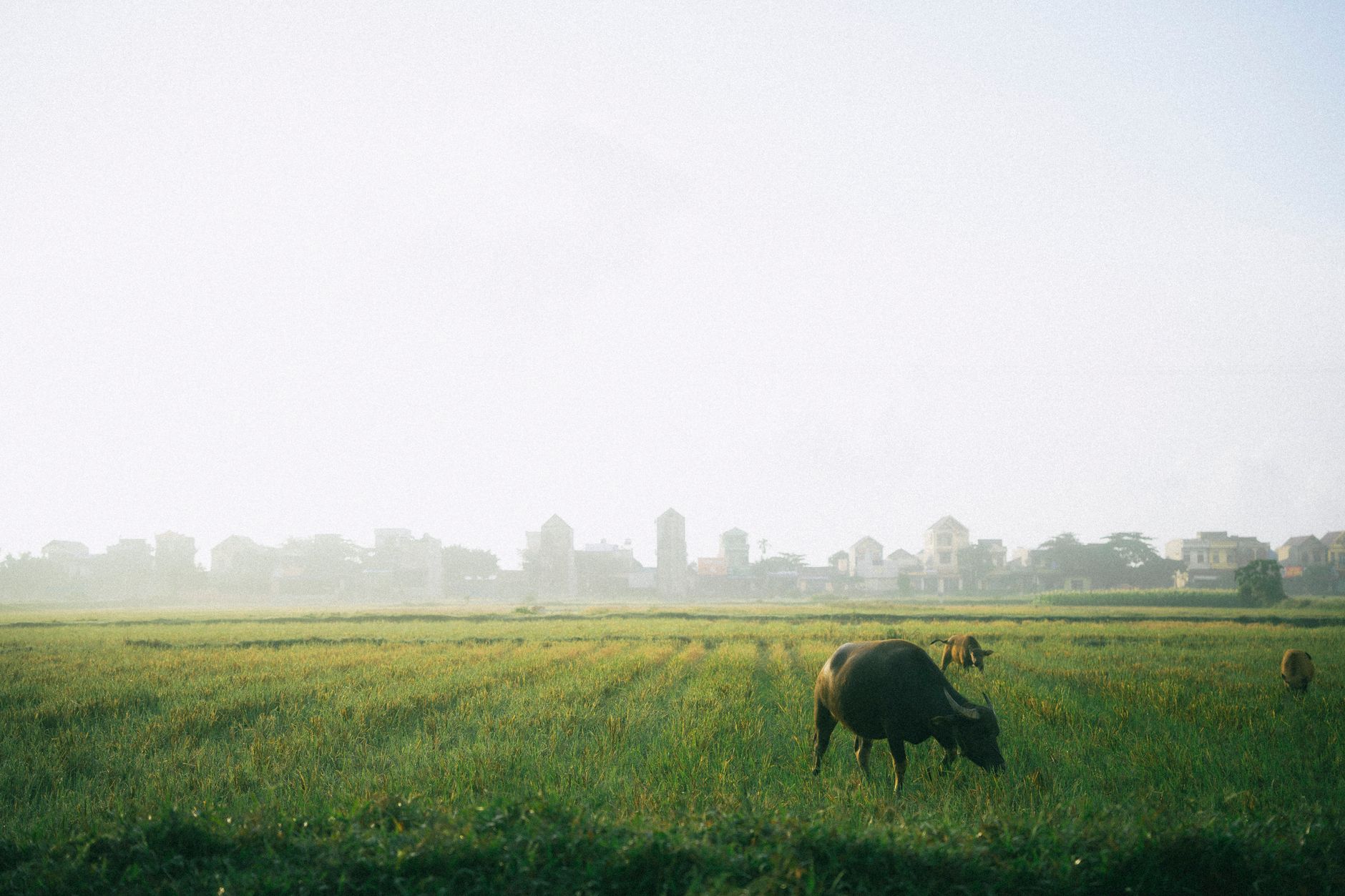
Photo by Anh Nguyen on Pexels
Festivals and events
Tet (late January or February)
Tet dominates Kien Giang, as it does everywhere in Vietnam (베트남 / 越南 / ベトナム). Family reunions mean domestic tourism surges. Rach Gia and Phu Quoc see fireworks, temple visits, and street closures. Guesthouses book solid; prices spike. If you're visiting during Tet, expect festive chaos and limited English speakers in some areas. Many smaller shops close for 2–3 days.
Tet Trung Thu (Mid-Autumn Festival, September–October)
A secondary holiday, less crowded than Tet / 越南春节 / テト) but still significant. Markets get lanterns, children wear masks, and there's a celebratory vibe. If you're in Kien Giang in late September or early October, you'll catch this.
Phu Quoc Seafood Festival (varies, typically October–November)
When exact dates are confirmed locally, this festival celebrates the province's fishing heritage. Seafood stalls, live music, and local crowds make it a genuine cultural event, not a tourist attraction. Check with local tourism offices for current dates.
Crowd levels by period
Peak (December–February): Beaches packed, restaurants full, boat tours booked days ahead, prices high, English widely spoken.
Shoulder (November, March–April): Moderate crowds, prices reasonable, weather excellent, English common in tourist areas.
Low (May–October): Few tourists, prices low, weather variable to poor, English spotty outside Phu Quoc town.
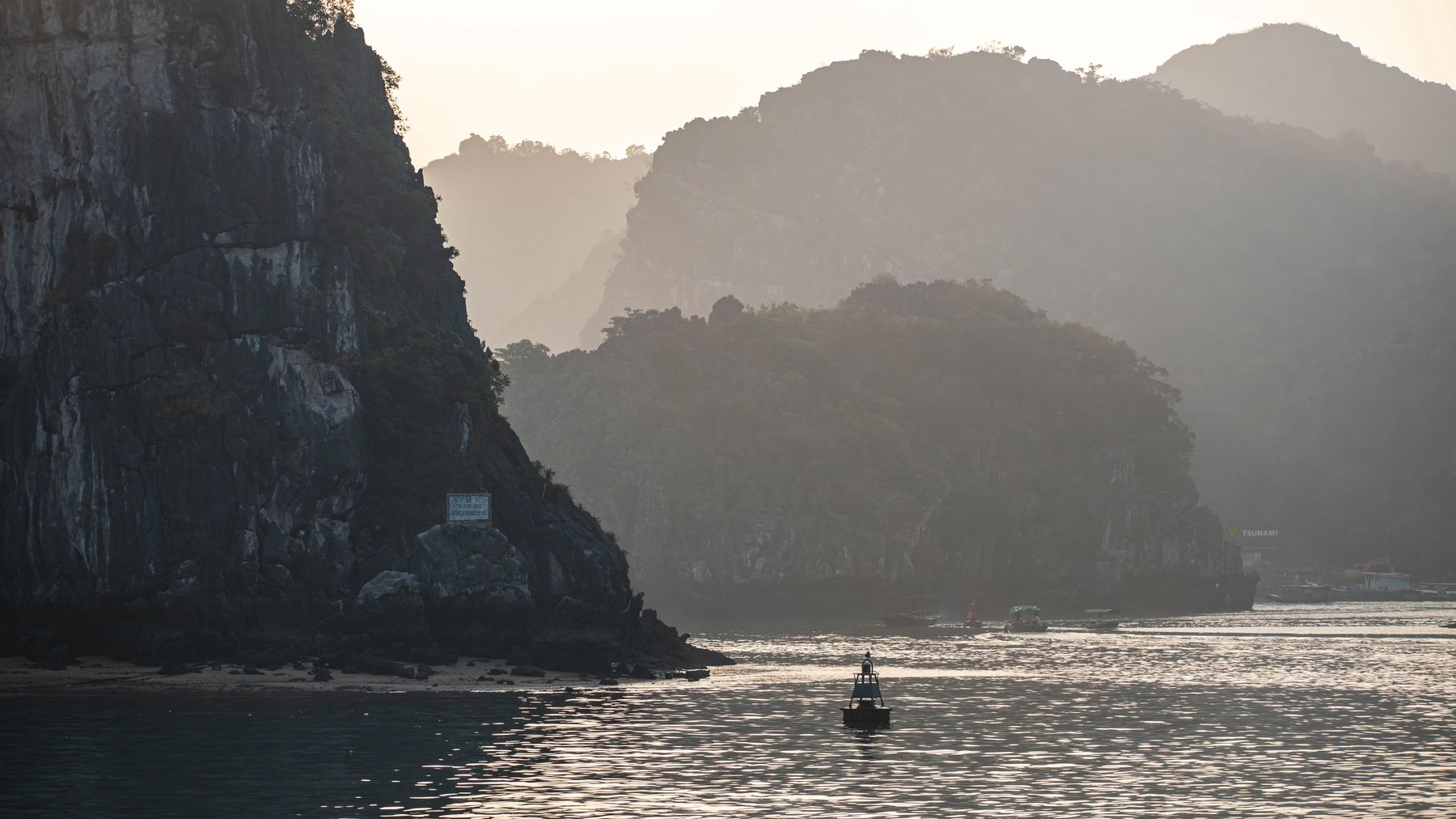
Photo by Karolina on Pexels
What to pack
Dry season (Nov–Apr): Light clothes, sunscreen, a light rain jacket (just in case). Nights can be cool in boats or air-conditioned rooms.
Wet season (May–Oct): Waterproof bag, rain jacket, quick-dry clothes, water shoes for muddy markets. Bring anti-fungal cream.
Where you'll actually go
Kien Giang is mostly Phu Quoc, Ha Tien, and Rach Gia. Phu Quoc is the resort destination — long beaches, diving, upscale guesthouses. Ha Tien is smaller and less touristy, built against limestone cliffs. Rach Gia is the working port city, good for markets and local flavor, not beaches.
Dry season makes all three accessible and enjoyable. Wet season keeps Phu Quoc functional (it's developed enough to ride out rain) but makes Ha Tien's cave tours less reliable and Rach Gia's charm harder to access through downpours.
Practical notes
If you have flexibility, aim for November or March–April: the weather is perfect, crowds are manageable, and prices are fair. December–January will be busier and costlier, but if those are your only dates, go ahead — the weather is still excellent. Skip June–August unless you're a monsoon enthusiast or on a very tight budget. May and October are workable if you accept rain as a factor.
Last updated · May 29, 2026 · independently researched, never sponsored.