What is Ho Song Be?
Ho Song Be is a man-made reservoir fed by the Song Be River, sitting in the northeastern corner of what is now Dong Nai province (the area was formerly part of Binh Phuoc before administrative redistricting). The dam was built in the early 1980s primarily for hydroelectric power and irrigation, and the resulting lake spread across a wide stretch of basalt plateau covered in rubber plantations and scrubby forest.
The reservoir itself is large — roughly 17 square kilometers of surface water — but it doesn't have the dramatic karst scenery of Ha Long Bay or the postcard colors of lakes further north. What it does have is quiet. On weekdays, you might share the shoreline with a handful of local anglers and nobody else. That's the draw.
Why travelers go
Ho Song Be isn't a destination you'll find on most itineraries, and it doesn't pretend to be. People come here for a few specific reasons:
- Fishing. The reservoir holds tilapia, snakehead, and various carp species. Local anglers set up along the dam wall and the muddy inlets on the northern shore. You can rent basic tackle from nearby shops for around 50,000-80,000 VND.
- Weekend escape from Saigon. At roughly 100 km from central Saigon, it's close enough for an overnight trip but far enough to feel disconnected from the city's noise.
- Birdwatching and quiet walks. The surrounding forest, a mix of rubber trees and secondary growth, shelters kingfishers, bee-eaters, and various egrets, especially in the early morning along the reservoir's western edges.
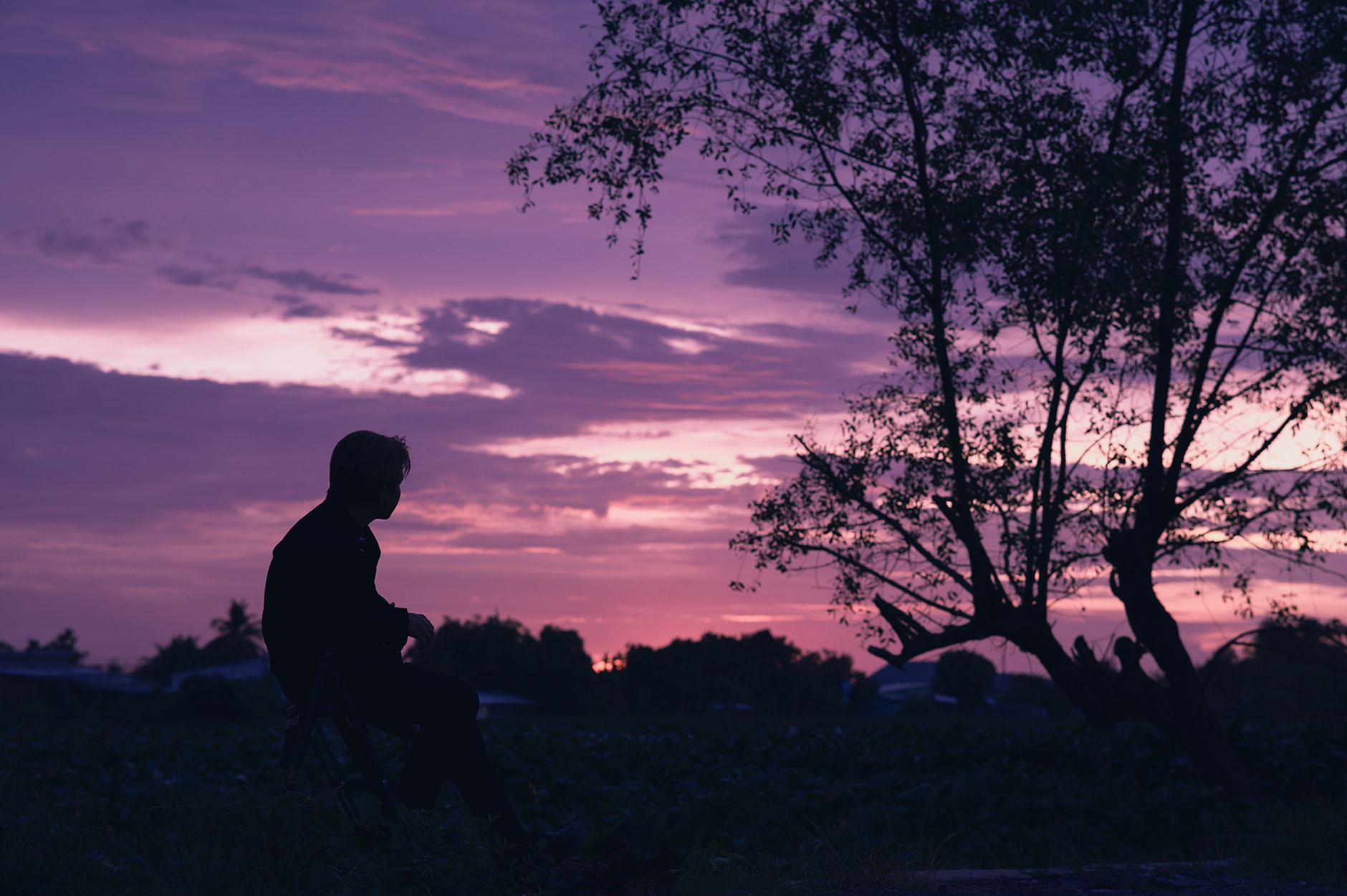
This is not a place with organized tours, ziplines, or Instagram spots. If that's what you're after, Da Lat or Phu Quoc will serve you better. Ho Song Be rewards people who are happy to sit with a coffee and watch the water.
Best time to visit
The dry season — November through April — is the most comfortable window. Mornings are cool by southern standards (22-26°C), the roads are dry, and the reservoir level is stable enough for shoreline access.
Avoid the peak of the rainy season from June to September. The roads leading to some of the quieter access points turn to red mud, and the mosquitoes along the shore go from annoying to aggressive. October is borderline — you might get lucky with a dry stretch, or you might spend the weekend watching rain from a hammock.
How to get there from Saigon
The most practical route is by motorbike or private car. There's no direct public bus to the reservoir itself.
By motorbike
From central Saigon (사이공 / 西贡 / サイゴン), take National Highway 13 (QL13) north through Thu Dau Mot and Binh Duong province, then follow QL14 northeast toward the reservoir area. Total distance is about 100-110 km depending on your starting point. Expect 2.5 to 3 hours with stops, longer if you hit truck traffic around the industrial zones in Binh Duong.
Fuel up before you leave the main highway. Gas stations thin out once you turn off toward the reservoir.
By car or taxi
A private car (Grab or a local driver) from Saigon runs about 1,200,000-1,500,000 VND one way. Not cheap for a solo traveler, but reasonable if you split it between three or four people. Book a round trip — you won't find ride-hailing drivers waiting at the reservoir.
By bus + xe om
You can take an intercity bus from Saigon's Mien Dong bus station toward Dong Xoai or Phuoc Long (around 100,000-130,000 VND), then negotiate a "xe om" (motorbike taxi) for the last 15-20 km to the reservoir. This works but requires patience and some Vietnamese, or at least a translation app.

Photo by Thái Trường Giang on Pexels
What to do
1. Walk the dam wall
The dam structure itself offers the best panoramic view of the reservoir. It's not a long walk — maybe 1 km across — but the vantage point gives you a sense of how the water stretches into the surrounding forest. Go early, before 7 AM, when the light is soft and the air hasn't thickened with heat.
2. Rent a boat
Local fishermen near the southern access point sometimes rent out small wooden boats for 200,000-300,000 VND for a few hours. There's no formal rental operation — you ask around and negotiate. Bring sunscreen and water. The boats have no shade.
3. Cycle the perimeter roads
The dirt roads and paved lanes circling parts of the reservoir pass through rubber plantations and small farming hamlets. Bring your own bike or rent one in the nearest town. A half-day loop of 25-30 km covers the most accessible southern and western shores.
4. Visit a rubber plantation
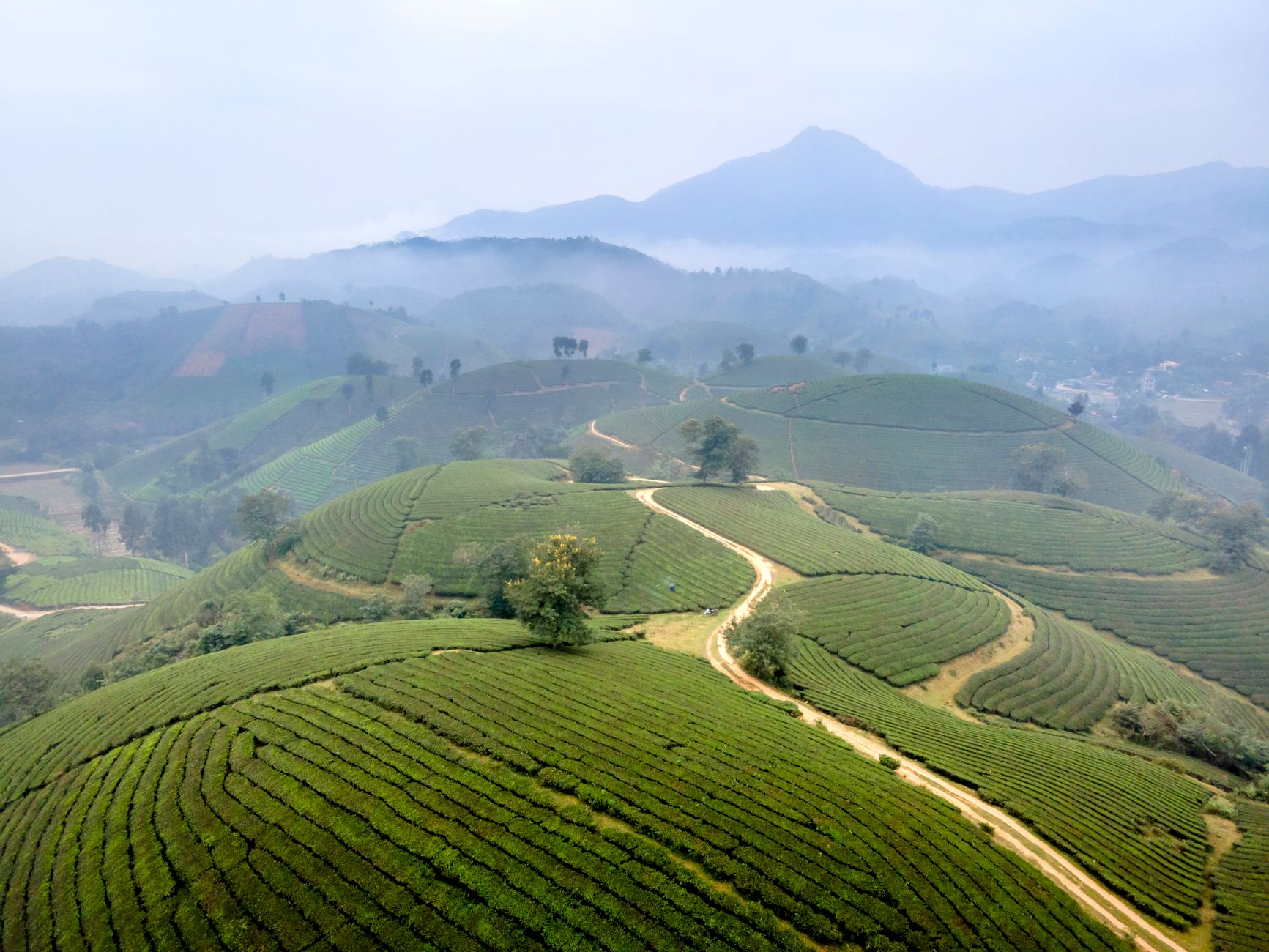
The area surrounding the reservoir is one of Vietnam (베트남 / 越南 / ベトナム)'s key rubber-growing zones. You'll see tappers working the trees in the early morning, collecting latex into small cups. Nobody runs official tours, but if you're polite and curious, workers are usually happy to show you the process.
5. Sit and do nothing
Seriously. Bring a book, a hammock, and some "ca phe sua da" in a flask. The shoreline under the cashew and eucalyptus trees is one of the more peaceful spots within a half-day's ride of Saigon.
Where to eat nearby
Don't expect a restaurant scene. The closest town has a handful of "com binh dan" (everyday rice) shops serving plates of rice with grilled pork, fried egg, pickled vegetables, and broth for 30,000-45,000 VND.
Two things worth seeking out:
- Ca loc nuong trui — snakehead fish roasted in straw, a Mekong Delta and southeastern specialty. The fish is packed in straw and set on fire, then served with rice paper, herbs, and dipping sauce. Some of the roadside spots near the reservoir do this well.
- Com tam — broken rice with grilled pork chops. You'll find this at nearly every small-town eatery in the south. It's reliable, filling, and cheap at around 35,000-50,000 VND.
Where to stay
Accommodation options are limited and basic.
- Guesthouses (nha nghi): A few bare-bones guesthouses operate in the nearest town, charging 200,000-350,000 VND per night. Expect a fan room, a hard bed, and a squat toilet. Air-con rooms, where available, cost closer to 400,000 VND.
- Homestays: Occasionally listed on local booking apps, though availability is inconsistent. Check before you go.
- Hammock camping: Some travelers bring their own gear and set up along the reservoir's quieter northern shore. There are no designated camping areas, but nobody seems to mind as long as you clean up.
If you want more comfort, consider staying in Dong Xoai (about 20 km away) where hotel options are slightly better, with rooms in the 400,000-600,000 VND range.

Photo by Nhi Huynh on Pexels
Practical tips locals would tell you
- Bring mosquito repellent. The reservoir shore breeds them generously, especially at dusk.
- Carry cash. There are no ATMs at the reservoir and most vendors don't use QR payments.
- Download offline maps. Google Maps coverage of the smaller access roads is patchy. Maps.me tends to have better trail data for this area.
- Fill your fuel tank on the highway. The last reliable gas station is on the main road before the turnoff.
- Bring your own drinking water and snacks. There's no convenience store at the reservoir.
Common mistakes to avoid
- Coming without transport. This isn't a place you can reach easily by public bus. A motorbike or car is effectively required.
- Expecting resort infrastructure. There are no cafes, lounge chairs, or tour desks. This is a working reservoir in a rural area.
- Visiting in heavy rain. The access roads flood and turn to clay. If it's been raining for two days straight, postpone.
- Skipping sun protection. The reservoir reflects hard. Even on overcast days, you'll burn on the water without a hat and sunscreen.
Practical notes
Ho Song Be is best treated as a half-day or overnight side trip, ideally combined with exploring the rubber plantation country northeast of Saigon. It won't compete with the south's bigger-name destinations, but if you've already covered Saigon's food scene, the Cu Chi Tunnels, and the Mekong Delta towns like Can Tho, this is a legitimate option for a quieter day out. Just bring your own supplies and low expectations — the reservoir delivers exactly what it promises, which is not much besides calm water and empty space.
Last updated · May 29, 2026 · independently researched, never sponsored.