Dong Thac Bo sits on the banks of the Da River reservoir, a limestone cave complex that most foreign visitors have never heard of. It draws domestic pilgrims, weekend day-trippers from Hanoi, and the occasional traveler who's run out of obvious things to do in the north. The cave is worth the detour — not because it's spectacular in a postcard way, but because it's a genuine slice of northern Vietnamese spiritual geography that hasn't been theme-parked into oblivion.
What it is
Dong Thac Bo is a natural limestone cave system located along the Hoa Binh reservoir on the Da River. The cave has been a site of local worship for generations — inside you'll find Buddhist and animist shrines, stalactite formations that locals have named after animals and deities, and a series of chambers that extend deeper than most visitors bother to explore.
The site technically falls within the administrative boundaries of what was formerly Hoa Binh province (now merged into Phu Tho following recent boundary changes). The cave's name translates roughly to "Waterfall Shore Cave," referencing its position where water meets rock at the reservoir's edge. Getting there requires a short boat ride, which is half the appeal.
Why travelers go
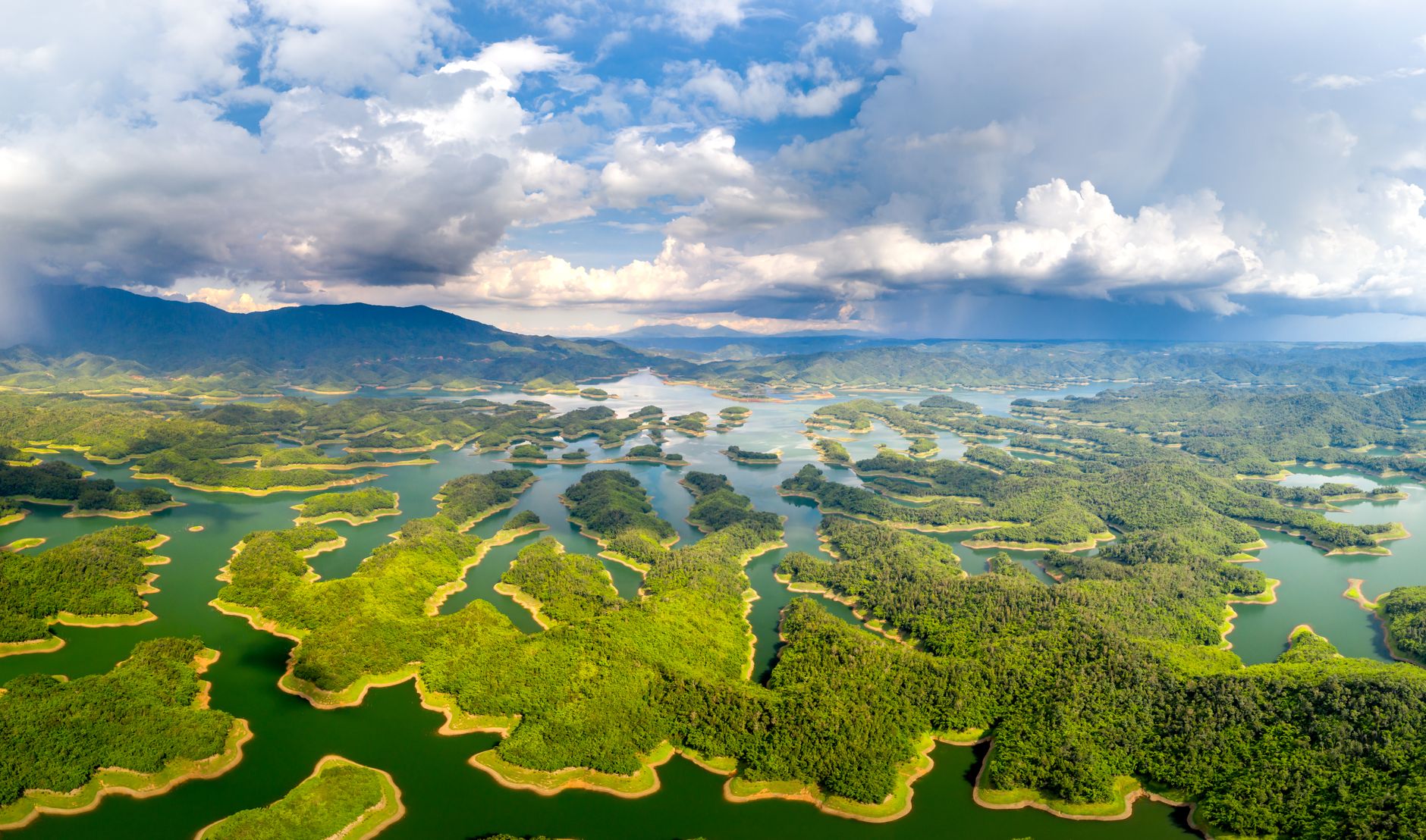
Three reasons. First, the boat ride across the reservoir is genuinely pleasant — calm green water, karst hills, minimal engine noise. Second, the cave interior is extensive enough to spend 60-90 minutes exploring without feeling rushed. Third, the whole experience sits firmly outside the tourist-bus circuit. You won't share the cave with 200 people wearing matching hats.
For anyone interested in how northern Vietnamese communities blend Buddhism with older folk traditions, the shrines inside are worth paying attention to. Incense smoke, fruit offerings, and small altars appear at natural rock formations throughout the chambers. During the Hung Kings Festival period, the area sees increased pilgrimage traffic.
Best time to visit
October through April gives you the driest, most comfortable conditions. The reservoir is calmest, boat crossings are smooth, and the cave interior stays cool without being damp to the point of slippery.
Avoid July and August if you can — heavy rains raise the water level, occasionally making the cave entrance tricky to access. Weekends year-round bring more domestic visitors, particularly during lunar festival periods. A Tuesday or Wednesday morning in November is about as quiet as it gets.
How to get there from Hanoi
Dong Thac Bo is roughly 100 km from central Hanoi (하노이 / 河内 / ハノイ), but the road quality means you should budget 2.5-3 hours by car or motorbike.
By motorbike: Take the Ho Chi Minh (호치민 / 胡志明 / ホーチミン) Highway (QL6) heading west toward Hoa Binh city, then continue along the reservoir road. The route is scenic — rice paddies, Muong villages, river views. Expect to pay around 150,000-200,000 VND in fuel for a round trip on a 125cc bike.
By car/taxi: A private car from Hanoi runs about 1,500,000-2,000,000 VND for a day trip (round trip, including waiting time). Grab doesn't reliably service this area, so arrange a driver in advance or rent through your hotel.
By bus + boat: Catch a bus from My Dinh station to Hoa Binh city (around 80,000 VND, 2 hours), then hire a local xe om or taxi to the boat dock (30,000-50,000 VND). The boat crossing to the cave costs approximately 50,000-80,000 VND per person for a shared boat, or 300,000-400,000 VND to charter one.
The boat ride itself takes 15-20 minutes depending on water conditions.

Photo by Ian Gabaraev on Pexels
What to do
Explore the main cave chambers
The primary cavern opens into several connected chambers. Bring a headlamp or phone flashlight for the deeper sections — the installed lighting covers maybe 60% of the accessible space. The stalactite formations in the third chamber are the most impressive, with some columns reaching floor to ceiling over what must be 15 meters.
Visit the interior shrines
Don't rush past the altars. The main shrine hall inside the cave is active — locals maintain it, replace offerings, and burn incense daily. You can light incense yourself (usually available for 10,000-20,000 VND from a vendor near the entrance). Remove your hat, keep your voice down.
Take the long boat route
If you charter a private boat, ask the driver to take the scenic loop along the reservoir rather than the direct crossing. Adds 20 minutes and maybe 100,000 VND, but the views of the karst formations from the water are the best part of the trip.
Hike the surrounding trails
A rough trail leads up from the boat dock area to a viewpoint above the reservoir. It's maybe 30 minutes up, not marked, and you'll want proper shoes. Ask the boat operator to point you in the right direction.
Talk to the shrine keepers
The older women who maintain the cave shrines are usually happy to explain the formations and their spiritual significance, assuming you speak some Vietnamese or bring a phrasebook. They've been doing this for decades.
Where to eat nearby
The boat dock area has a handful of small restaurants serving reservoir fish — grilled or steamed, usually priced by weight (150,000-250,000 VND for a plate big enough for two). The "ca song Da" (Da River fish) is the thing to order. It's freshwater fish, simply prepared, and better than it sounds.
If you're heading back through Hoa Binh city, stop for "com lam" — sticky rice cooked inside bamboo tubes, a Muong specialty. Pair it with grilled pork and dipping salt. Several stalls along the main road sell it for 30,000-50,000 VND per tube.
Where to stay
Most visitors do Dong Thac Bo as a day trip from Hanoi. If you want to stay overnight:
- Budget: Nha nghi (guesthouses) near the reservoir run 200,000-350,000 VND/night. Basic but functional — expect a fan room, hard mattress, and instant coffee.
- Mid-range: A few homestays in Muong villages nearby offer cleaner rooms with better food for 400,000-600,000 VND/night including dinner and breakfast.
- Comfortable: Hoa Binh city (30-40 minutes away) has proper hotels in the 500,000-900,000 VND range with air conditioning and hot water.
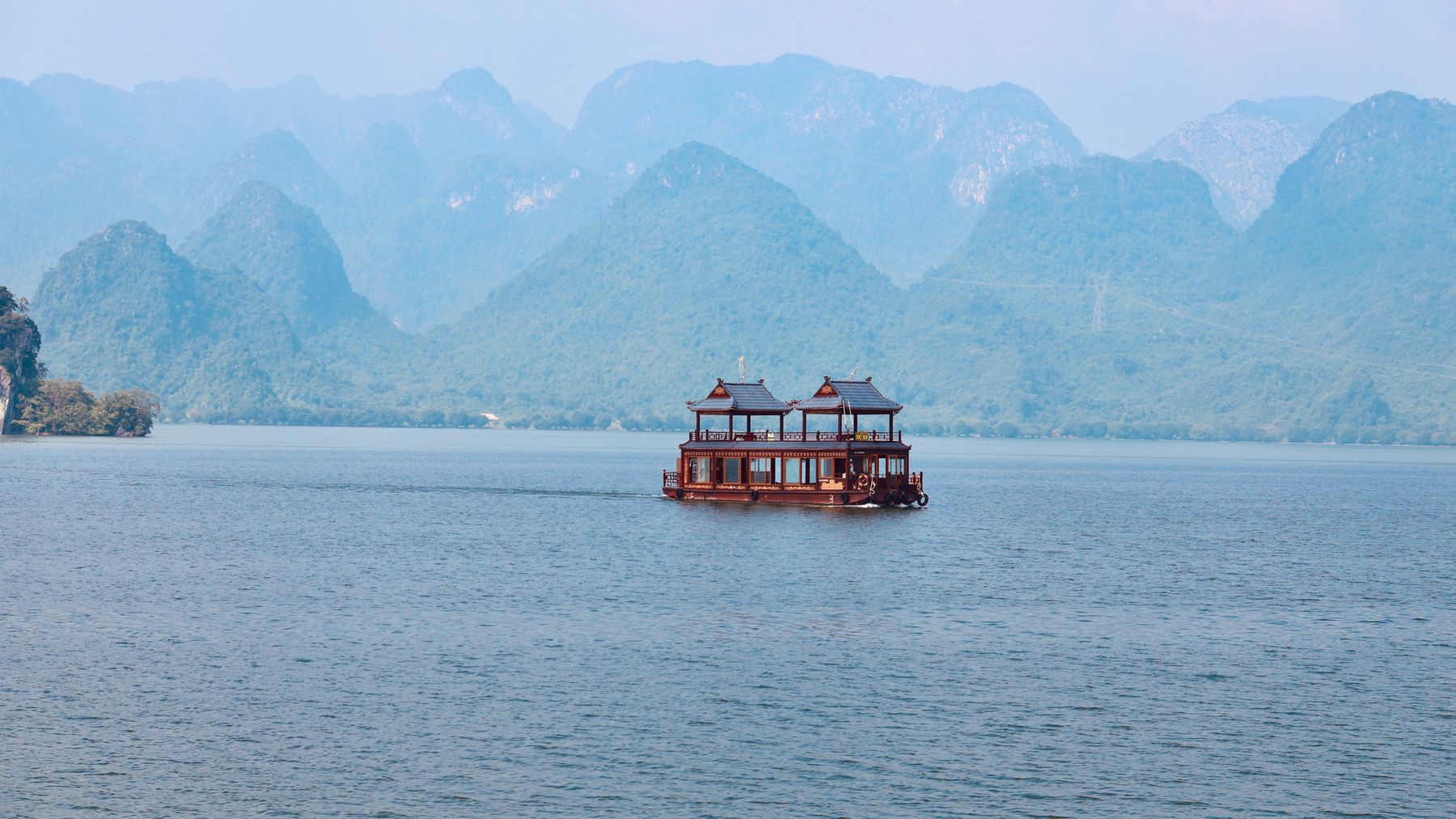
Photo by Haneul Trac on Pexels
Practical tips
- Bring cash. There are no ATMs at the cave site and card payment doesn't exist here.
- Wear shoes with grip. The cave floor is uneven limestone, wet in places, and sandals will betray you.
- The cave entrance fee is 40,000-50,000 VND per person (subject to change — it's been creeping up).
- A basic Vietnamese phrasebook goes far. English is not spoken here.
- If visiting during a festival period, arrive before 9 AM or accept crowds.
Common mistakes
Showing up without a headlamp and relying on phone battery alone — the deeper chambers eat light and you'll drain your phone in 20 minutes on flashlight mode. Wearing flip-flops (the cave floor has slick patches that will put you on your back). Assuming you can Grab a ride back — you can't. Arrange return transport before your boat crosses. Skipping the boat ride in favor of driving around to the "back entrance" — the boat IS the experience.
Practical notes
Dong Thac Bo works best as part of a longer day exploring the Da River reservoir area, or as a stop on a motorbike loop through the northern hills between Hanoi and Mai Chau. Combine it with the reservoir scenery and a Muong village lunch and you have a full, unhurried day outside the city.
Last updated · May 26, 2026 · independently researched, never sponsored.