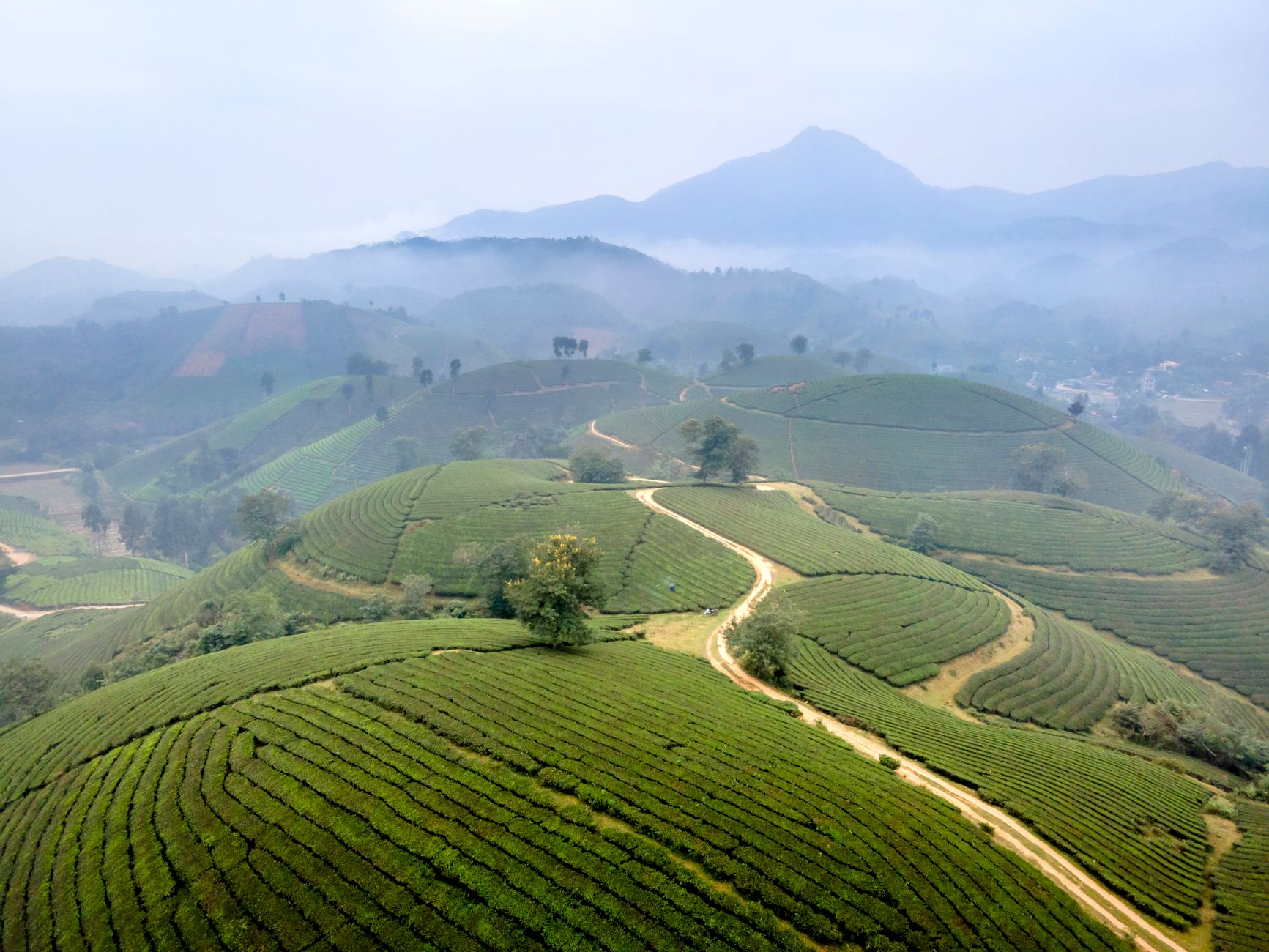
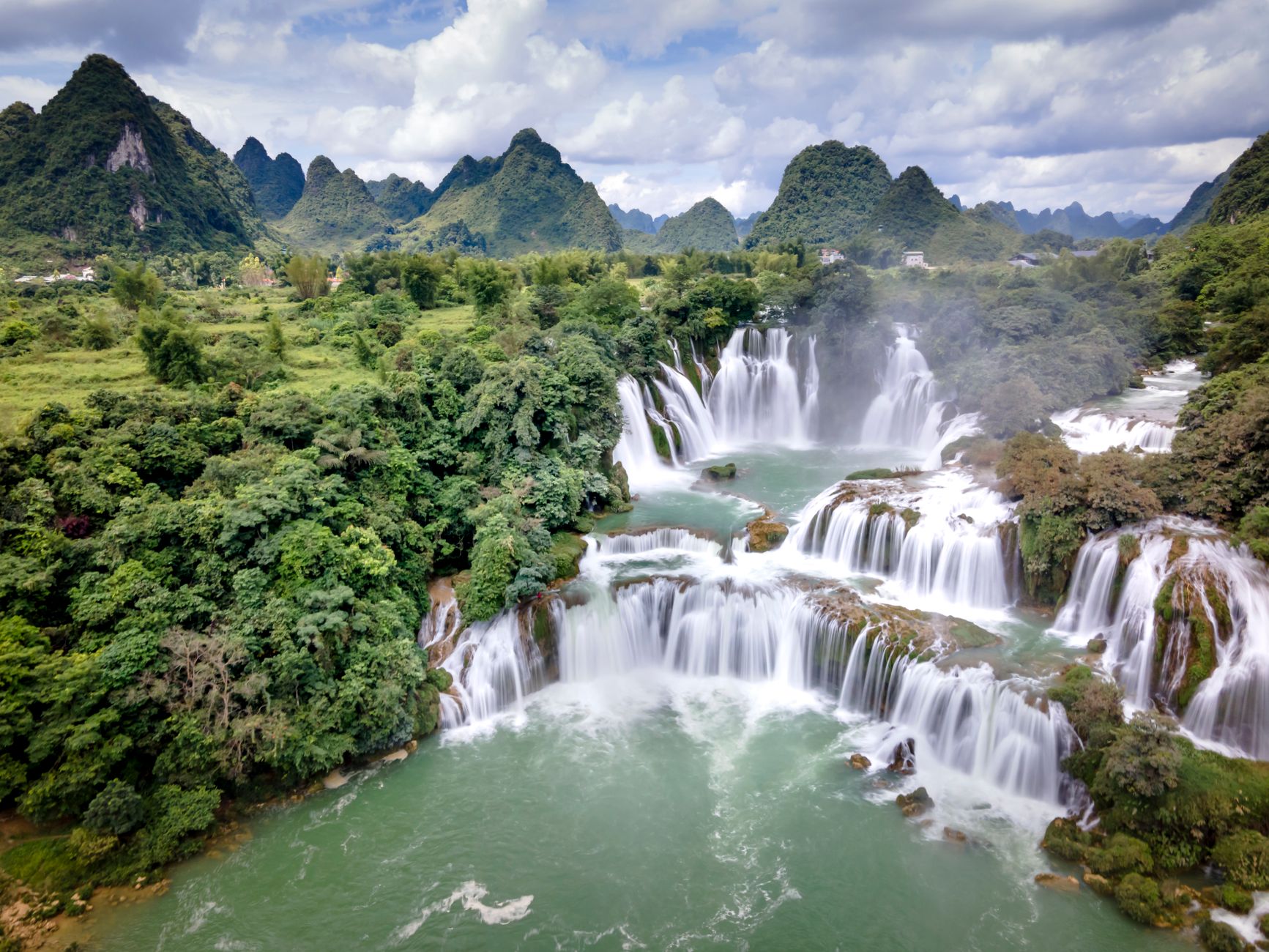
Dao O - Dong Truong sits in the middle of Tri An Reservoir, a massive man-made lake about 60 km northeast of Saigon. It's the kind of place most foreign travelers have never heard of, which is exactly why it's worth knowing about.
What it is
Tri An Reservoir was created when the Tri An hydroelectric dam was completed in 1987, flooding a large stretch of forest and farmland in what was then Dong Nai province. Dao O (sometimes called O Island) and the surrounding Dong Truong area emerged as islands and peninsulas within the reservoir. The landscape is a patchwork of secondary forest, rubber plantations, and scrubby hills rising out of flat, calm water that stretches to the horizon.
The area straddles what is now the border zone between Dong Nai and Binh Phuoc provinces following recent administrative changes. For travelers, this is mostly irrelevant — you'll approach from the Dong Nai side, and the vibe is consistent: rural, quiet, and thoroughly southern Vietnamese.
This is not a resort island. There are no beach clubs or infinity pools. What you get is open water, cheap seafood, hammock time, and a landscape that feels completely disconnected from the Saigon (사이공 / 西贡 / サイゴン) sprawl less than two hours away.
Why travelers go
Dao O - Dong Truong draws mostly domestic weekenders from Saigon and Bien Hoa looking to camp, fish, or just sit by the water without driving all the way to the coast. The appeal is simple: it's close, it's cheap, and it's genuinely peaceful. The reservoir is wide enough that standing on the island's shore, you could mistake it for a lake in the Central Highlands (중부 고원 / 中部高原 / 中部高原) — except you're at about 50 meters elevation and the air is thick and warm year-round.
Birdwatchers occasionally come through. The reservoir's edges support herons, kingfishers, and cormorants, especially in the early morning. Photographers like the light at dawn when mist sits on the water.
Best time to visit
The dry season — November through April — is the most comfortable window. Skies are clear, humidity drops slightly, and the reservoir water level is lower, exposing more shoreline and making island access easier.
Avoid the peak of rainy season (July–September) unless you enjoy navigating muddy tracks and sudden downpours on open water. Weekdays year-round are noticeably quieter than weekends, when Saigon families arrive in numbers.
How to get there from Saigon
From central Saigon, head northeast on National Highway 1A toward Bien Hoa, then take DT768 (or follow signs toward Vinh Cuu district and Tri An Lake). The drive is roughly 70–80 km and takes about 1.5–2 hours depending on traffic out of Saigon.
You have a few options:
- Motorbike: The most flexible choice. Fuel cost around 40,000–60,000 VND each way. The road is paved the whole way until the last few kilometers near the reservoir, where it gets narrower and rougher.
- Car/private driver: A return trip with a Grab car or hired driver runs about 800,000–1,200,000 VND for the day. Worth it if you're splitting with friends.
- Bus + xe om: Take a bus from Saigon's Mien Dong bus station to Vinh Cuu or Dinh Quan (around 60,000–80,000 VND), then hire a local "xe om" (motorbike taxi) for the final stretch to the boat landing — expect 50,000–100,000 VND.
Once at the reservoir's edge, you'll need a boat to reach the island. Local fishermen offer rides for roughly 100,000–200,000 VND per trip depending on group size and your negotiation skills. There's no fixed ferry schedule — you arrange it on the spot or call ahead if you have a local contact.

Photo by Lam Kiên on Pexels
What to do
Camp on the island
Dao O is one of the better spots near Saigon for overnight camping. Bring your own tent and gear — there's no rental shop on the island. Flat ground near the shoreline works well. Build a fire (carefully), cook what you've brought or caught, and fall asleep to the sound of water and insects. No light pollution means the stars are genuinely good.
Fish the reservoir
Tri An Reservoir is one of the most productive freshwater fishing spots in the south. Locals pull out tilapia, snakehead, and catfish regularly. You can bring your own rod or rent basic tackle from boat operators for around 50,000 VND. Fishing from the island's banks or from a small boat both work.
Explore by kayak or small boat
If your boat operator has a kayak or canoe available (some do), paddle the smaller inlets around the island. The water is calm, the channels are narrow, and it's the best way to see birdlife up close.
Hike the interior
The island isn't large, but walking its trails through secondary forest and scrub takes a pleasant hour or two. Wear decent shoes — the ground is uneven and can be slippery after rain.
Visit the floating fish farms
Scattered around the reservoir, local families operate floating fish farms — wooden platforms with net enclosures underneath. Some are happy to show you around and will sell fresh fish directly. A kilo of snakehead runs around 80,000–120,000 VND.
Where to eat nearby
On the island itself, you're mostly self-catering. Bring food from Vinh Cuu town or Saigon.
Back on the mainland near the reservoir, small roadside spots serve ca loc nuong trui — whole snakehead fish roasted over straw and eaten wrapped in rice paper with herbs. It's a Mekong Delta classic that's equally popular here. Expect to pay around 150,000–250,000 VND for a whole fish.
Also look for lau ca (fish hot pot) at the lakeside restaurants near Ma Da area. These places are basic — plastic chairs, tin roofs — but the fish comes straight from the reservoir. A pot for two runs about 200,000–300,000 VND.
If you pass through Bien Hoa on the way, grab "banh mi" from one of the street carts near the old market — a solid breakfast stop before hitting the road.
Where to stay
Accommodation options are limited and basic:
- Camping on the island: Free, but bring everything you need including water.
- Homestays near the reservoir: A handful of family-run places in Vinh Cuu or near Ma Da charge 200,000–400,000 VND/night for a fan room. Don't expect hot water or English speakers.
- Guesthouses in Vinh Cuu town: Slightly more comfortable, with air conditioning and Wi-Fi. Budget 350,000–600,000 VND/night.
If you want something more polished, the nearest proper hotels are back in Bien Hoa — about 40 km away.

Photo by HONG SON on Pexels
Practical tips locals would tell you
- Bring mosquito repellent. The reservoir at dusk is insect paradise. Long sleeves help too.
- Carry cash. There are no ATMs on the island and very few near the boat landing. Load up in Bien Hoa or Saigon.
- Download offline maps. Phone signal is patchy on the reservoir and unreliable on the island.
- Bring your own water. At least 3–4 liters per person if camping overnight. There's no shop on the island.
- Negotiate boat prices before boarding, not after. Agree on the return trip and pickup time upfront.
Common mistakes to avoid
- Coming without supplies. This isn't Phu Quoc. There's no convenience store, no restaurant, no nothing on the island. Pack like you're actually camping.
- Arriving too late in the day. Boat operators head home by late afternoon. If you show up at 4 PM expecting a ride out and back, you'll be disappointed.
- Underestimating the sun. The reservoir reflects heat and UV hard. Sunscreen, a hat, and shade are non-negotiable, even in the "cooler" dry season.
- Skipping the insect prep. People who forget repellent and long pants for the evening regret it within minutes of sunset.
Practical notes
Dao O - Dong Truong is a genuine escape from Saigon that doesn't require a flight or a full day of travel. It's rough around the edges and that's the point — pack properly, keep your expectations calibrated for rural southern Vietnam, and you'll have a good time on the water.
Last updated · May 29, 2026 · independently researched, never sponsored.