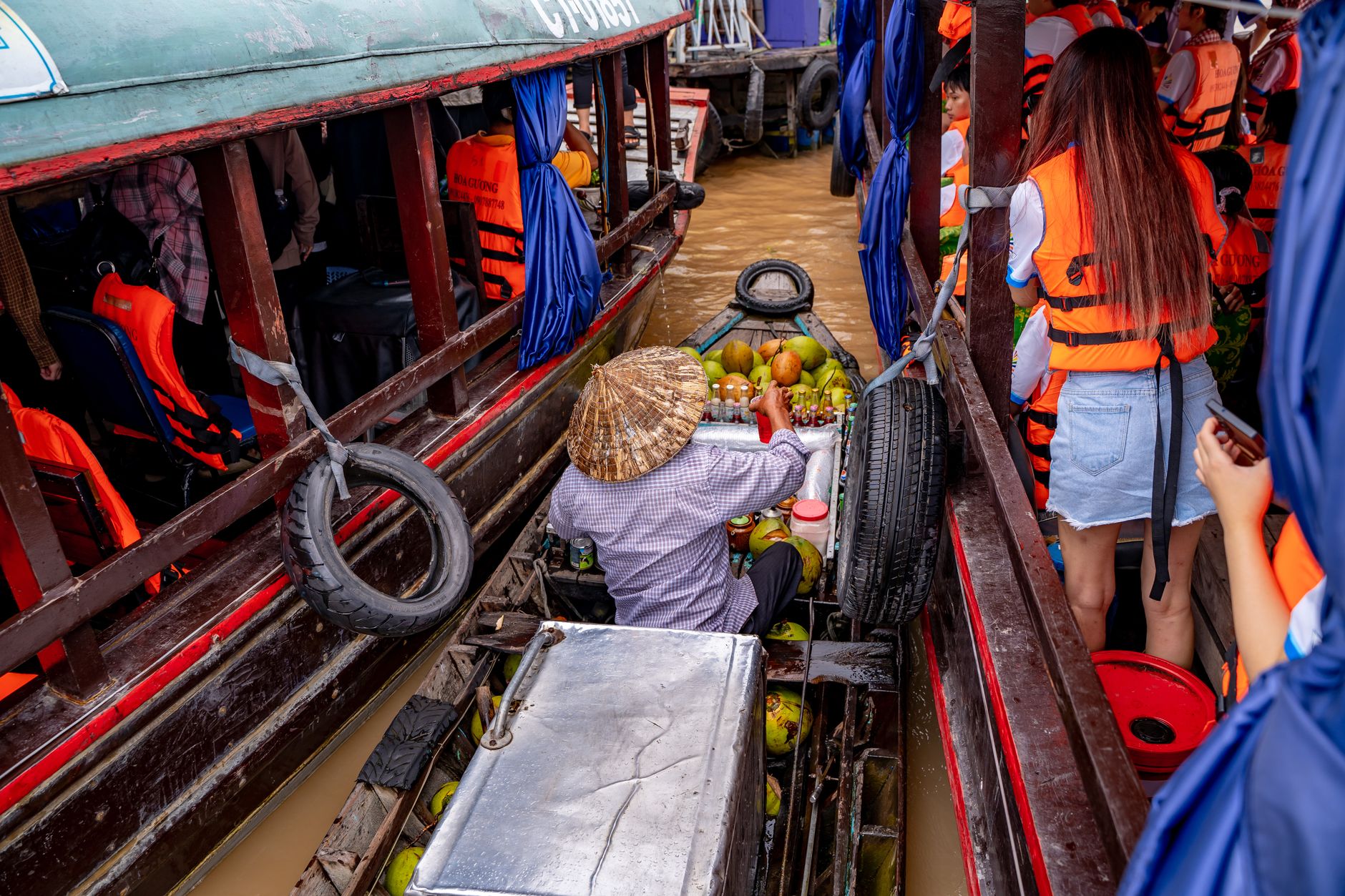
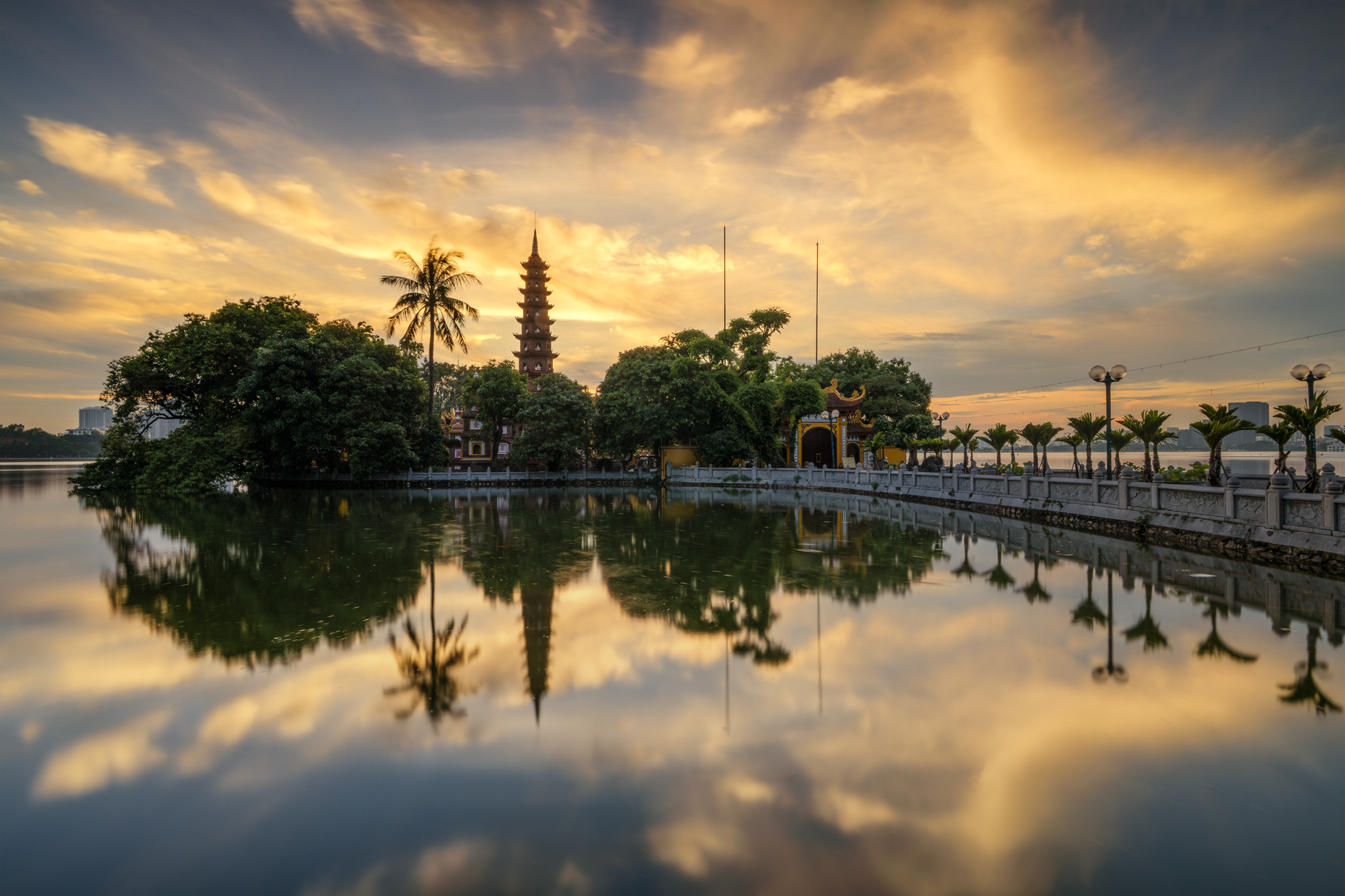
Dong Thap Muoi is one of the largest freshwater wetlands in Southeast Asia, and the eco-tourism area built within it gives you a way to actually experience the place without needing a research permit or a boat you organized yourself. It sits in Dong Thap province, deep in the Mekong Delta (메콩 델타 / 湄公河三角洲 / メコンデルタ), and it's the kind of destination that rewards people who like birds, quiet, and eating well more than it rewards people who want Instagram backdrops.
What it is
The Dong Thap Muoi Eco-Tourism Area — sometimes called Khu Du Lich Sinh Thai Dong Thap Muoi — is a managed nature and tourism zone within the broader Plain of Reeds (Dong Thap Muoi wetland). The Plain of Reeds is a vast floodplain that stretches across parts of Dong Thap, Long An, and Tien Giang provinces. During the wet season, much of it goes underwater. During the dry months, it turns into grassland and lotus ponds.
The eco-tourism area was developed to give visitors access to the wetland ecosystem — cajuput forests, lotus fields, bird sanctuaries — with basic infrastructure: walkways, boat docks, observation points. It's not a theme park. It's a functioning wetland with tourism facilities bolted on, which is exactly why it works.
Why travelers go
Three reasons, mostly. First, the lotus fields. Dong Thap is Vietnam (베트남 / 越南 / ベトナム)'s lotus capital, and when the flowers bloom (roughly June through September), the pink stretches to the horizon. Second, the birdwatching. The wetlands host storks, herons, cormorants, and — if you're lucky and quiet — sarus cranes, which are endangered and genuinely impressive up close. Third, the pace. This isn't Saigon. There are no horns. You drift through cajuput forests in a small boat and the loudest sound is a bird taking off from the water.
If you've done the standard Mekong Delta day trip from Saigon — the one with coconut candy factories and motorized sampans on the Mekong — Dong Thap Muoi is a different register entirely.
Best time to visit
The sweet spot is July through September. This is peak lotus season and also when water levels are high enough that you can boat through the cajuput forest — the flooded forest experience is the highlight and it's only possible when the water is up. The birdwatching is also best during these months as migratory species settle in.
October and November still work but the lotus blooms thin out. December through March is dry season: the landscape turns brown, water levels drop, and boat routes shrink. You can still visit, but you'll miss the best of it.
One note — July to September is also rainy season. Expect afternoon downpours. Bring a rain jacket, not an umbrella (you'll be on boats).
How to get there
The nearest major hub is Cao Lanh, the capital of Dong Thap province, about 35 km from the eco-tourism area.
From Saigon to Cao Lanh: Buses run from Mien Tay Bus Station (Ben Xe Mien Tay) in Binh Chanh district. The ride takes about 3.5-4 hours and costs around 120,000-150,000 VND. Phuong Trang (FUTA) and Hung Cuong are the main operators. Departures every 30-60 minutes from early morning.
From Cao Lanh to the eco-tourism area: You'll need a motorbike, car, or taxi. The drive takes about 40-50 minutes. Grab is spotty in this area — book a local taxi through your guesthouse or rent a motorbike in Cao Lanh (around 150,000-200,000 VND/day). The roads are flat and manageable, though some sections near the wetland are narrow.
If you're riding from Can Tho, it's about 80 km and roughly 2 hours by motorbike or car.
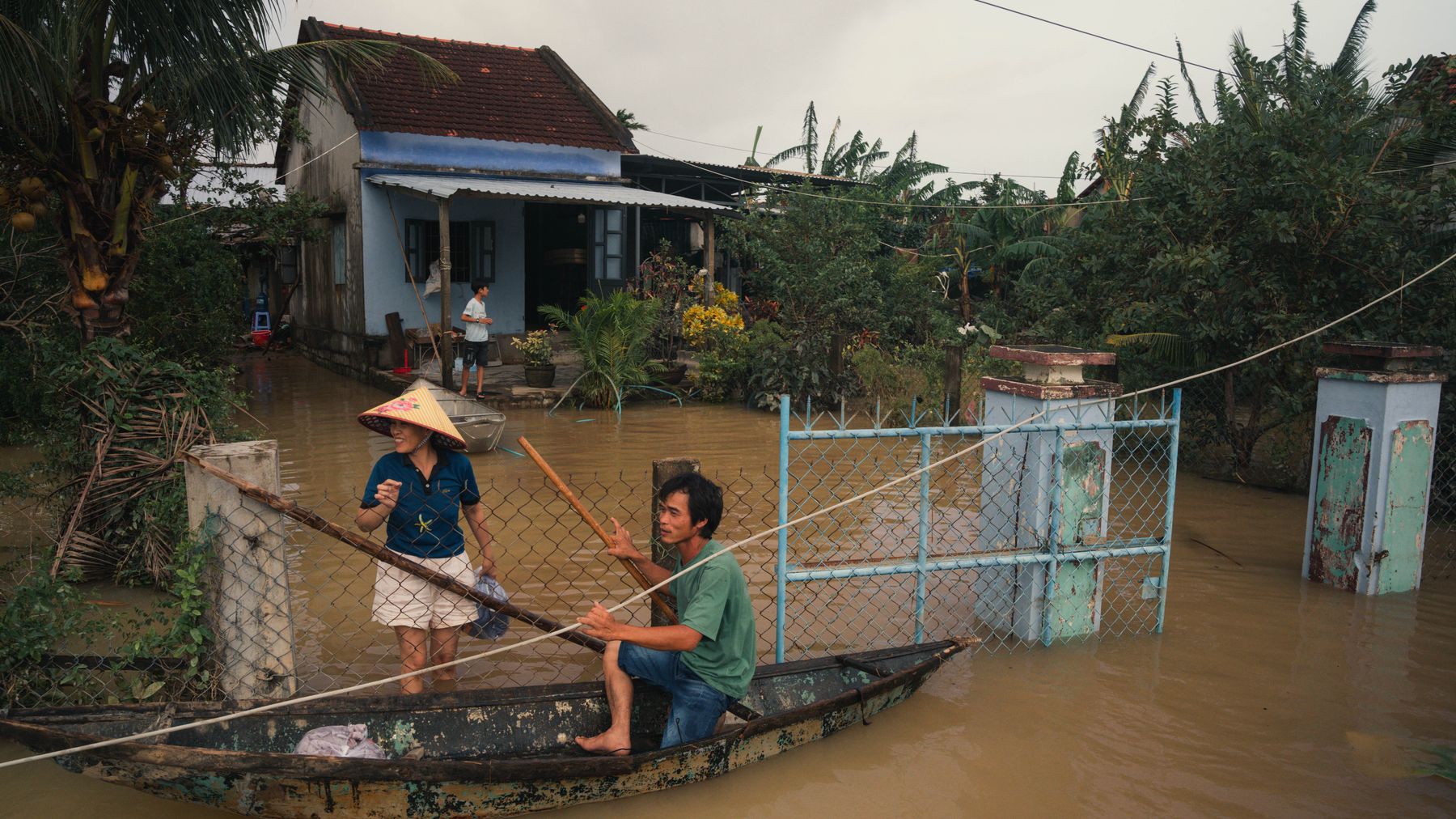
Photo by Long Bà Mùi on Pexels
What to do
Boat through the cajuput forest
This is the main event. Small rowing boats (or motorized ones for larger groups) take you through flooded "tram" (cajuput) forest. The water is tea-colored from tannins, the trees grow straight out of it, and it's genuinely atmospheric. Boat trips run 30-60 minutes and cost around 50,000-100,000 VND per person depending on group size and route.
Walk the lotus fields
Raised wooden walkways cut through the lotus ponds. Early morning is best — the flowers open with the sun and the light is soft. This is where most people take photos, but it's also just a pleasant walk. If you're visiting in bloom season, vendors near the entrance sell fresh lotus seeds and lotus tea.
Birdwatching at the sanctuary
The bird sanctuary within the complex has observation towers. Binoculars help — bring your own if you have them, as rentals aren't always available. Early morning and late afternoon are peak activity times. The stork colonies are visible without binoculars; the cranes require patience.
Try honey harvesting
Some local operators offer guided sessions where you join beekeepers harvesting honey from hives in the cajuput forest. It's hands-on, slightly nerve-wracking, and you get to taste the honey straight from the comb. Expect to pay around 50,000 VND for the experience.
Cycle the levee roads
The flat terrain makes for easy cycling. Some guesthouses lend bikes; otherwise, you can rent in Cao Lanh. The raised levee roads between rice paddies and wetland give wide-open views, and you'll pass through small villages where people are genuinely surprised to see foreigners.
Where to eat nearby
Dong Thap's signature dishes lean on what the wetland produces. Look for "ca loc nuong trui" — snakehead fish roasted in straw, then wrapped in rice paper with herbs and green banana. It's served at most local restaurants around Cao Lanh and along the road to the eco-area. Expect to pay 80,000-120,000 VND per fish.
Also worth trying: "lau mam" (fermented fish hotpot), a Mekong Delta staple that's pungent and rich. It's a communal dish — order one pot for the table. Most eateries in Cao Lanh town serve it for around 150,000-250,000 VND.
If you're in Cao Lanh proper, the riverfront strip along the Cao Lanh bridge has a row of local restaurants. Nothing fancy, but the food is honest and cheap. "Hu tieu" — the southern noodle soup — is a solid breakfast option everywhere in the province.
Where to stay
Options near the eco-tourism area itself are limited to basic guesthouses and homestays, typically 200,000-400,000 VND per night. Facilities are simple: clean room, fan or air conditioning, shared or private bathroom.
For more comfort, stay in Cao Lanh town, where you'll find mid-range hotels in the 400,000-800,000 VND range with proper amenities. Song Tra Hotel and Hoa Binh Hotel are both reliable. A few newer places have popped up with decent Wi-Fi and breakfast included.
There's no resort-level accommodation out here. That's part of the appeal.

Photo by Dang vu hai on Pexels
Practical tips locals would tell you
- Sunscreen and a hat are mandatory. There's almost no shade on the lotus walkways and the Delta sun is brutal, even on cloudy days.
- Bring cash. Card payments don't exist out here. ATMs are in Cao Lanh — stock up before you head out.
- Mosquito repellent. Wetland. Dusk. You do the math.
- Go early. The eco-area opens around 7:00 AM. The first two hours are the best for light, birds, and avoiding tour groups that arrive mid-morning.
- Learn two words: "cam on" (thank you) goes a long way. English is scarce in this part of the Delta.
Mistakes to avoid
- Day-tripping from Saigon and back. It's technically possible but exhausting — 8+ hours of driving for a few hours on-site. Stay overnight in Cao Lanh and give yourself a full morning at the wetland.
- Visiting in dry season expecting the full experience. If the cajuput forest isn't flooded, you're missing the best part. Time your trip for the wet months.
- Skipping the boat for the walkways only. The walkways are fine, but the boat ride through the flooded forest is the thing that makes this place distinct. Don't skip it.
Practical notes
Entry fees to the eco-tourism area are modest — typically 30,000-50,000 VND per person, with boat rides charged separately. The whole area can be covered in half a day, but a full day lets you catch both morning birds and afternoon light on the lotus ponds. Combine it with a night in Cao Lanh and a side trip to Tram Chim National Park (another wetland reserve 45 km north) if you want to go deeper into Dong Thap's bird country.
Last updated · May 29, 2026 · independently researched, never sponsored.