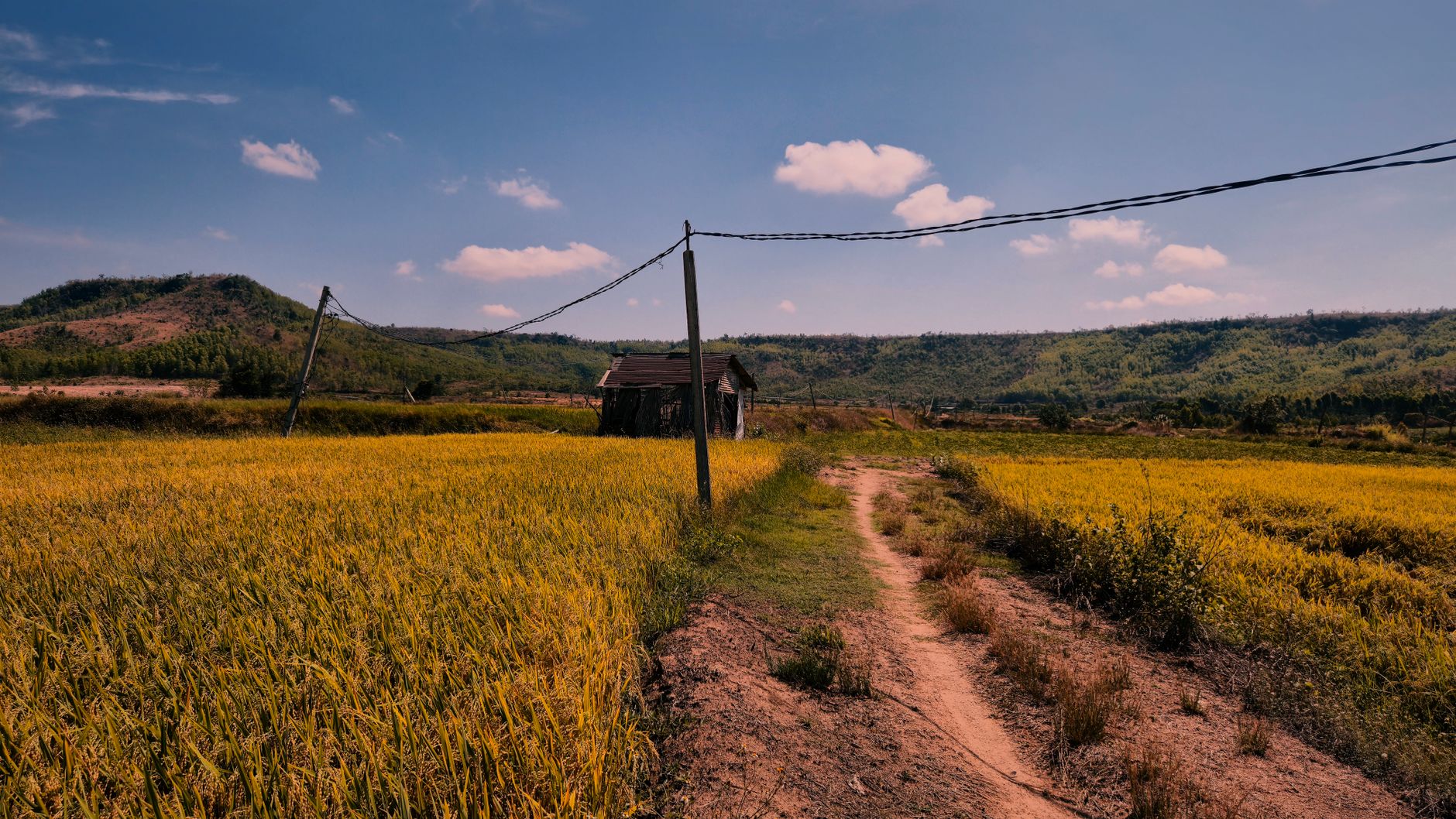
Gia Lai sits in the Central Highlands (중부 고원 / 中部高原 / 中部高原), 240 km northeast of Saigon by road, and it's not on most tourists' radar. That's partly because it lacks the hype of nearby Da Lat or the beach appeal of Da Nang. But if you're interested in coffee plantations, indigenous culture, and trekking without crowds, there's plenty here. Fair warning: Gia Lai requires patience. Roads are improving but still slow. And the province is better as a 3–5 day detour than a rushed 1-day stop.
Coffee Plantations and Roastery Culture
Gia Lai produces about 35% of Vietnam (베트남 / 越南 / ベトナム)'s coffee. Unlike the industrial plantations you'll drive past, a handful of farms welcome visitors for tastings and tours.
Chu Prong Coffee (on the road toward Chu Prong town) offers a half-day walk through their "phu san" (coffee estate) with explanations of harvesting, processing, and cupping. You'll taste their single-origin robusta and arabica. It's not Instagram-slick, but honest. Around 150,000 VND per person.
Trung Nguyen Legend (Buon Ma Thuot branch) is 40 km south toward Daklak, but if you're driving through, the cafe and museum are worth a stop. Many tourists skip it thinking it's a tourist trap; parts are, but the roastery and tasting bar show the journey from cherry to cup. Coffee runs 25,000–60,000 VND a cup.
If you're staying in Pleiku town, local cafes near the market serve excellent cheap coffee (10,000–15,000 VND) without ceremony. Ask for "ca phe sua da" (iced coffee with sweetened condensed milk) at a streetside stall and sit with locals.
Bahnar and Jarai Villages: Real Talk
Gia Lai is home to Bahnar, Jarai, and other highland minorities. Tourism here sits in an awkward zone: villages are accessible, but not yet packaged into the sanitized theme-park style of some northern hill-tribe tours.
Kon Kotu Village (Bahnar, about 30 km west of Pleiku) is the most visited. A few families have opened their homes and gardens to visitors. You'll see traditional stilt houses, learn about shifting cultivation, help with cooking if timing works. Homestays cost 200,000–400,000 VND per night including meals. It's intimate but also means you're directly supporting the family. Go with a local guide (hire one in Pleiku or through your accommodation; expect 300,000–600,000 VND for a full day). Avoid the hard sell to buy crafts or trinkets; if you want to support them, fair-trade coffee or school supplies are better bets.
Chu Mom Ray National Park (a 1.5-hour drive from Pleiku) has trekking trails through Jarai territory and old-growth forest. The park office arranges guides (required). A half-day trek costs around 500,000 VND for a guide plus entry. You'll pass bamboo groves, waterfalls, and maybe see the park's resident gibbons if you're lucky at dawn. The logistics are basic; bring water and insect repellent.
Don't expect English-speaking guides everywhere. A translator (or Vietnamese phrase-book) is genuinely useful.

Photo by Minh Trần on Pexels
Outdoor Activities
Yaly Falls (Thac Yaly), about 50 km southwest of Pleiku, is a 40-meter cascade in a forested gorge. It's less touristy than Ha Giang's silver waterfalls. The drive is long and the road rough. Get there via motorbike tour (arrange through your hotel) or rent a motorbike if you're confident. Admission is 30,000 VND. Go in the wet season (May–October) when water flow is impressive.
Ia Krang Waterfall is smaller and closer to town (20 km), easier for a half-day outing. Less crowded than Yaly. Swimming is possible in the pool below.
Motorbike routes through the highlands are solid. The loop from Pleiku to An Khe, then north to Kon Tum and back, is 200 km of relatively quiet road, coffee plantations, and village scenery. Rent from your hotel (100,000–150,000 VND/day for a manual 100cc). Fuel is cheap. Roads are paved but potholed; ride defensively and avoid night driving.
Rock climbing and canyoning are emerging. Gravity Adventure (based in Pleiku) runs multi-day trips in Chu Mom Ray. Around 1,200,000 VND for a 2-day intro package. It's niche; book ahead.
Town and Street Food
Pleiku, the capital, is a practical hub but not visually striking. It's a place to eat, sleep, and arrange onward travel. The Old Quarter (around Hung Vuong Street) has narrow lanes and local eateries.
Com tam (broken-rice) stalls dot the market area. Grab a bowl with grilled pork, egg, and tomato for 15,000–20,000 VND. Banh chung (sticky rice cakes wrapped in bamboo) are sold at street corners, especially around Tet.
Banh mi at bakeries on Tran Hung Dao Street is solid. 10,000–15,000 VND. Coffee culture dominates; spend time at a local ca phe sua da stall and you'll see how central it is to daily life here.
Restaurant 1970 (casual, family-run) serves highland-style pork dishes and bun cha (grilled pork with noodles). Mains 40,000–80,000 VND. It's on the main drag and English-menu-friendly for tourists.

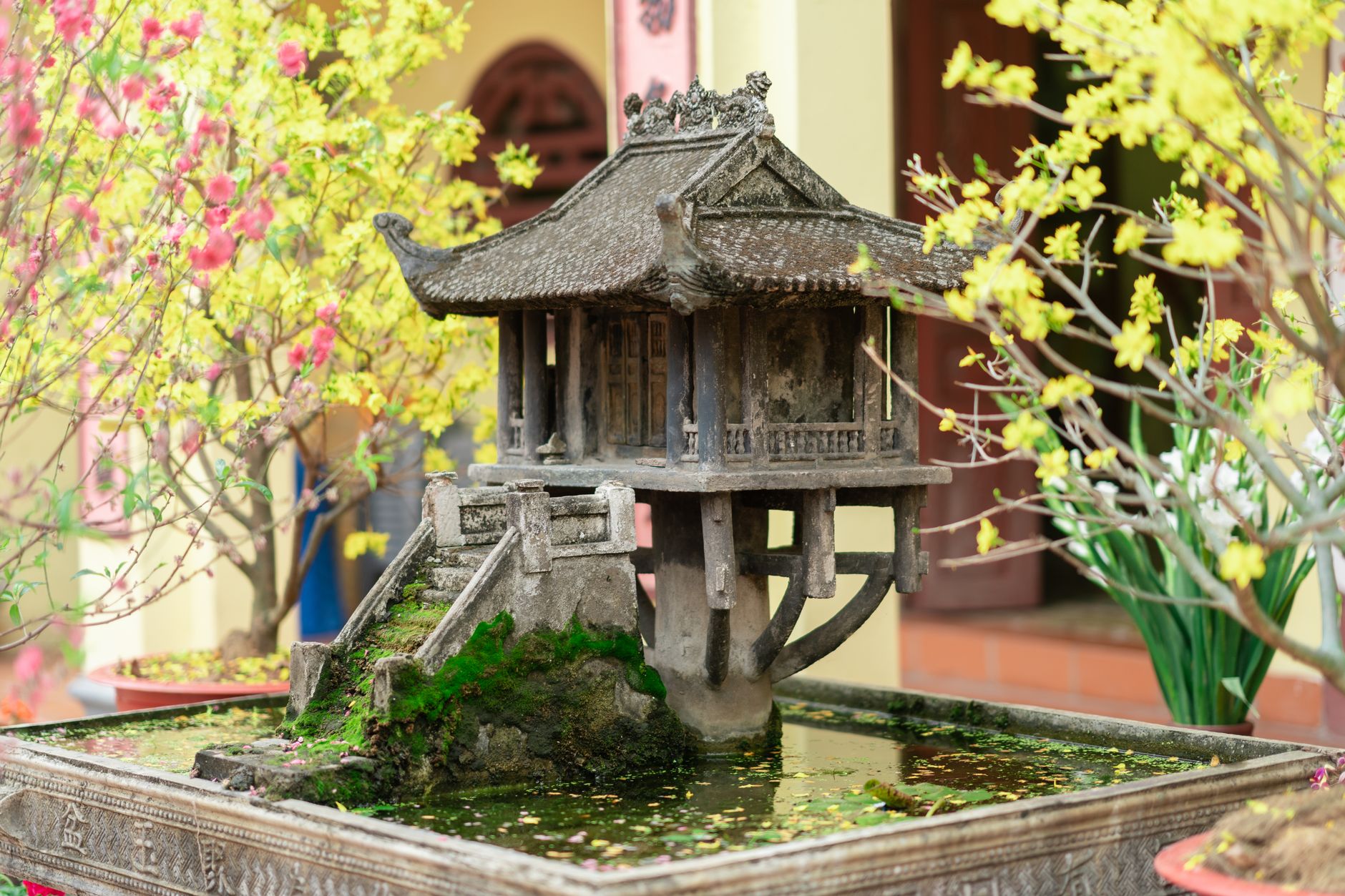
Photo by Quang Nguyen Vinh on Pexels
What to Skip
Pleiku Museum — small, poorly lit, minimal English labeling. Unless you're really into ethnographic detail, skip it.
"Homestays" in Pleiku town itself — they're often just guesthouses with a forced hospitality vibe. The real value is staying in actual villages like Kon Kotu.
Trekking in dry season (November–April) — waterfalls diminish, trails are dusty, and some are closed for maintenance. The highlands are best in wet season.
Practical Notes
Gia Lai works best as part of a larger Central Highlands loop (Da Lat → Dalak → Gia Lai → Kon Tum). Plan 3–5 days if coffee and village culture interest you. Pleiku is connected by bus from Saigon (12 hours, 200,000–300,000 VND) or Da Nang (8 hours). Domestic flights to Pleiku are rare and expensive; bus is standard. Book accommodation in advance during festivals (Tet, Hung Kings Festival) when supply tightens. A motorbike and local guide unlock the best experiences; solo wandering often leads to dead ends or overly touristy setups.
Bring cash. Many villages and family-run cafes don't accept cards. ATMs in Pleiku are reliable.
Last updated · May 29, 2026 · independently researched, never sponsored.