What it is
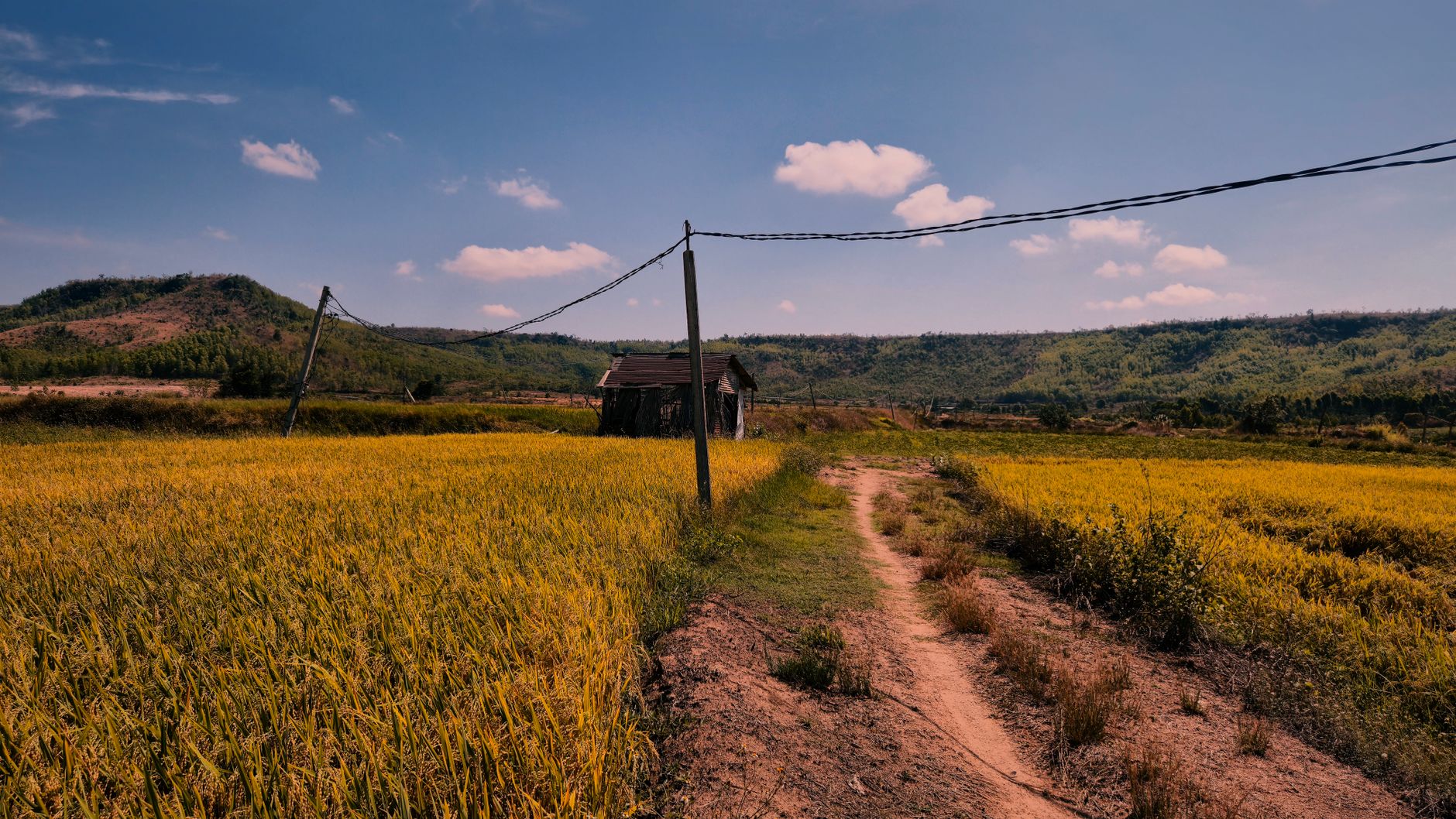
Ho Ayun Ha is a man-made reservoir sitting about 50 km southeast of Pleiku, straddling the border area between Gia Lai and Binh Dinh provinces. The dam was completed in 1994 as an irrigation project for the surrounding farmland — cassava, rubber, and coffee plantations that define this stretch of the Central Highlands (중부 고원 / 中部高原 / 中部高原). The lake covers roughly 37 square kilometers when full, making it one of the larger bodies of water in the region. It's fed by the Ayun River, a tributary of the Ba River system, and surrounded by low hills covered in scrubby forest and patches of farmland worked by Jarai and Bahnar communities.
This isn't a manicured tourism destination. There's no ticket booth, no shuttle bus, no selfie platform. That's precisely the point.
Why travelers go
Most people visiting Gia Lai are already off the standard Vietnam (베트남 / 越南 / ベトナム) circuit — they're here for the red earth roads, the gong culture of highland ethnic minorities, and the slow pace that disappeared from places like Da Lat a decade ago. Ho Ayun Ha fits that profile. The lake draws a small number of domestic fishermen, birdwatchers tracking migratory species in the surrounding wetlands, and motorcyclists doing loops through the highlands who want a place to camp or just sit.
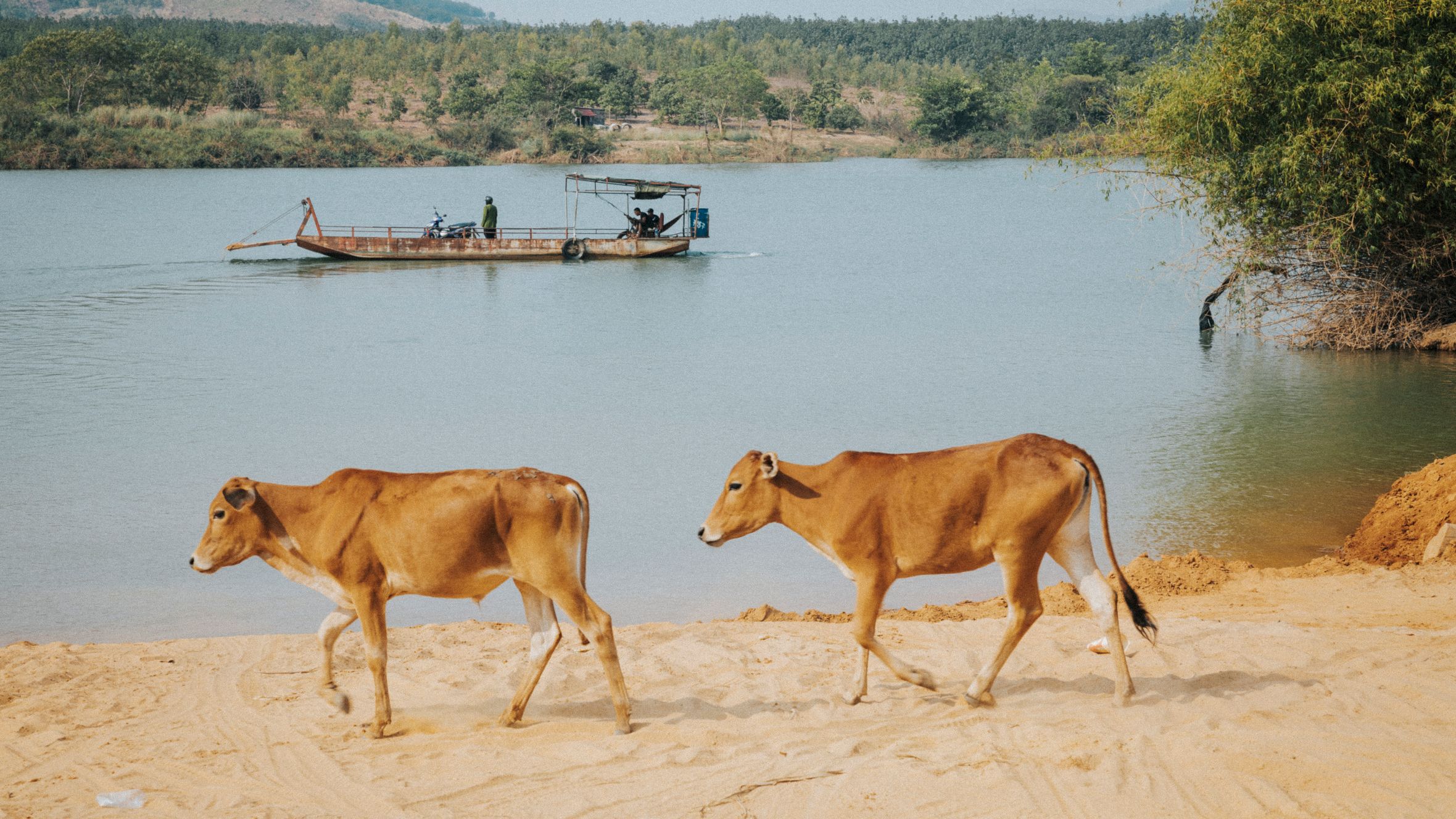
The landscape around the reservoir shifts with the seasons — bone-dry and amber-brown from January to April, then progressively greener through the wet months. When the water level is high (September–November), the lake feels enormous, spilling into flooded forest edges. When it's low, red mudflats emerge and local farmers graze cattle on the exposed banks.
Best time to visit
The sweet spot is October to December. The rains are tapering off, the reservoir is full, and the surrounding hills are green without being waterlogged. Mornings are cool — 18–22°C — and the light is good for photography.
Avoid March–May if you dislike dust and heat. The reservoir drops significantly, roads get dusty, and temperatures push past 35°C in the afternoons. The rainy core (July–August) brings heavy afternoon downpours that can turn dirt tracks around the lake into mud.
How to get there
From Pleiku: Take QL19 east toward Quy Nhon for about 25 km, then turn south onto DT669 (signposted toward Ayun Pa). The reservoir appears after another 20-odd km. Total ride from Pleiku center: around 50 km, about 1.5 hours by motorbike accounting for the road quality on DT669.
From Quy Nhon (Binh Dinh coast): Head west on QL19 over the An Khe pass. After An Khe town, continue west and watch for the DT669 turnoff south. Total distance roughly 130 km, about 3 hours by car or motorbike.
From Ayun Pa town: The reservoir is just north — 10–15 km. This small district town has basic guesthouses and is the closest settlement with fuel, ATMs, and a market.
There's no public bus to the lake itself. You'll need your own wheels — a motorbike rental in Pleiku runs 150,000–200,000 VND/day for a Honda Wave or similar.

Photo by Tiểu Bảo Trương on Pexels
What to do
Ride the perimeter
The dirt and concrete tracks circling portions of the lake make for a solid half-day motorbike ride. Expect sections of packed red earth, some loose gravel, and the occasional water buffalo blocking the path. The eastern bank has better views across the full expanse of the reservoir.
Visit the dam wall
The Ayun Ha dam itself is a modest earth-fill structure, not a dramatic concrete arch. But the spillway area, especially when water is being released, gives a sense of scale. You can walk along the top of the dam wall — no barriers, no guards, just you and the wind.
Birdwatching
The wetland fringes attract herons, cormorants, and during migration season (October–March), various waders. Bring binoculars. There's no hide or organized birding infrastructure — just pick a quiet bank and wait.
Explore Jarai villages
Several Jarai communities sit along the roads approaching the reservoir. Their communal houses ("nha rong") with steep thatched roofs are distinctive. Be respectful — ask before photographing, buy something from a roadside stall if you stop. A few villages still practice traditional gong music; if you hear it, you're lucky.
Where to eat
Don't expect lakeside restaurants. The eating options are back in the towns:
- Ayun Pa town has a handful of "com binh dan" (everyday rice) spots along the main road. Expect 30,000–50,000 VND for a plate of rice with grilled pork, greens, and soup.
- Pleiku is the real food base. Try "com tam" with broken rice and grilled pork chops along Hung Vuong street, or bowls of "pho" at the morning stalls near Pleiku's central market. Gia Lai is also known for its "bo mot nang" (sun-dried beef) — chewy, peppery, and good with beer.
- Pack snacks and water for the lake itself. There's nothing out there.
Where to stay
Ayun Pa has 2–3 basic guesthouses ("nha nghi") in the 200,000–350,000 VND range. Clean enough, fan or AC, hot water if you're lucky.
Pleiku offers more options — mid-range hotels on Hung Vuong and Tran Phu streets run 400,000–700,000 VND/night with AC, WiFi, and breakfast. Pleiku isn't a tourist town, so prices stay honest.
Camping at the reservoir is technically possible — locals do it during fishing trips — but there are no facilities. Bring everything, pack out your trash, and be aware that the ground can be uneven and exposed.

Photo by Tường Chopper on Pexels
Practical tips
- Fuel up before you go. The last reliable petrol station is in Ayun Pa or along QL19. Don't rely on finding fuel near the lake.
- Cash only. No card payment anywhere near the reservoir. ATMs exist in Ayun Pa and Pleiku.
- Phone signal is patchy around the lake — Viettel has the best coverage in rural Gia Lai.
- Language: Almost no English spoken in this area. A translation app or basic Vietnamese phrases go a long way. "Xin chao" (hello) and pointing at menu items will get you through meals.
- Sun protection: The highlands sun is deceptive. You'll burn at elevation even when it feels cool.
Common mistakes
Trying to do it as a day trip from Quy Nhon. The 130 km each way over mountain roads is exhausting in a single day. Base yourself in Pleiku or Ayun Pa instead.
Expecting infrastructure. There are no boat tours, no floating restaurants, no viewpoint cafes. If you need those things, this isn't your stop. If you want quiet and space, it's perfect.
Skipping the surrounding area. Ho Ayun Ha works best as part of a broader Gia Lai loop — combine it with Pleiku's Bien Ho (a volcanic lake inside the city), the Chu Dang Ya volcano crater, and the Jarai cemetery sites east of town. Three to four days covers it well without rushing.
Final note
Ho Ayun Ha isn't going to top anyone's Instagram highlights. It's a big, quiet lake in a part of Vietnam that most travelers drive past on the way between the coast and the highlands. But if you're the kind of person who likes empty roads, unfamiliar landscapes, and the feeling of being somewhere that hasn't been packaged for consumption — it's worth the ride.
Last updated · Sep 17, 2026 · independently researched, never sponsored.