What Ho Tay Dak Mil actually is
Ho Tay Dak Mil — sometimes written as Ho T'Nung Dak Mil or just "the western lake" by locals — is a natural lake sitting at around 600 meters elevation in Dak Mil district, in what is now part of the expanded Lam Dong province in Vietnam's Central Highlands (중부 고원 / 中部高原 / 中部高原). The lake formed in an old basaltic depression, fed by seasonal streams running off the surrounding plateau. It's not large — maybe 2 km across at its widest — but it sits in a shallow basin ringed by coffee plantations, pepper farms, and patches of secondary forest.
Unlike the heavily developed lakes around Da Lat, Ho Tay Dak Mil has stayed mostly agricultural. There's no waterfront promenade, no swan boats, no Instagram cafes cantilevered over the water. That's precisely the point. The lake is a working part of the landscape, and visiting it means stepping into the rhythm of highland farming communities rather than a curated tourist zone.
Why travelers go
Honestly, most don't — yet. Ho Tay Dak Mil draws a small but steady trickle of domestic travelers, mostly motorbike tourers doing loops through the Central Highlands, plus a handful of foreign visitors who've already done Da Lat (달랏 / 大叻 / ダラット) and Buon Ma Thuot and want something quieter.
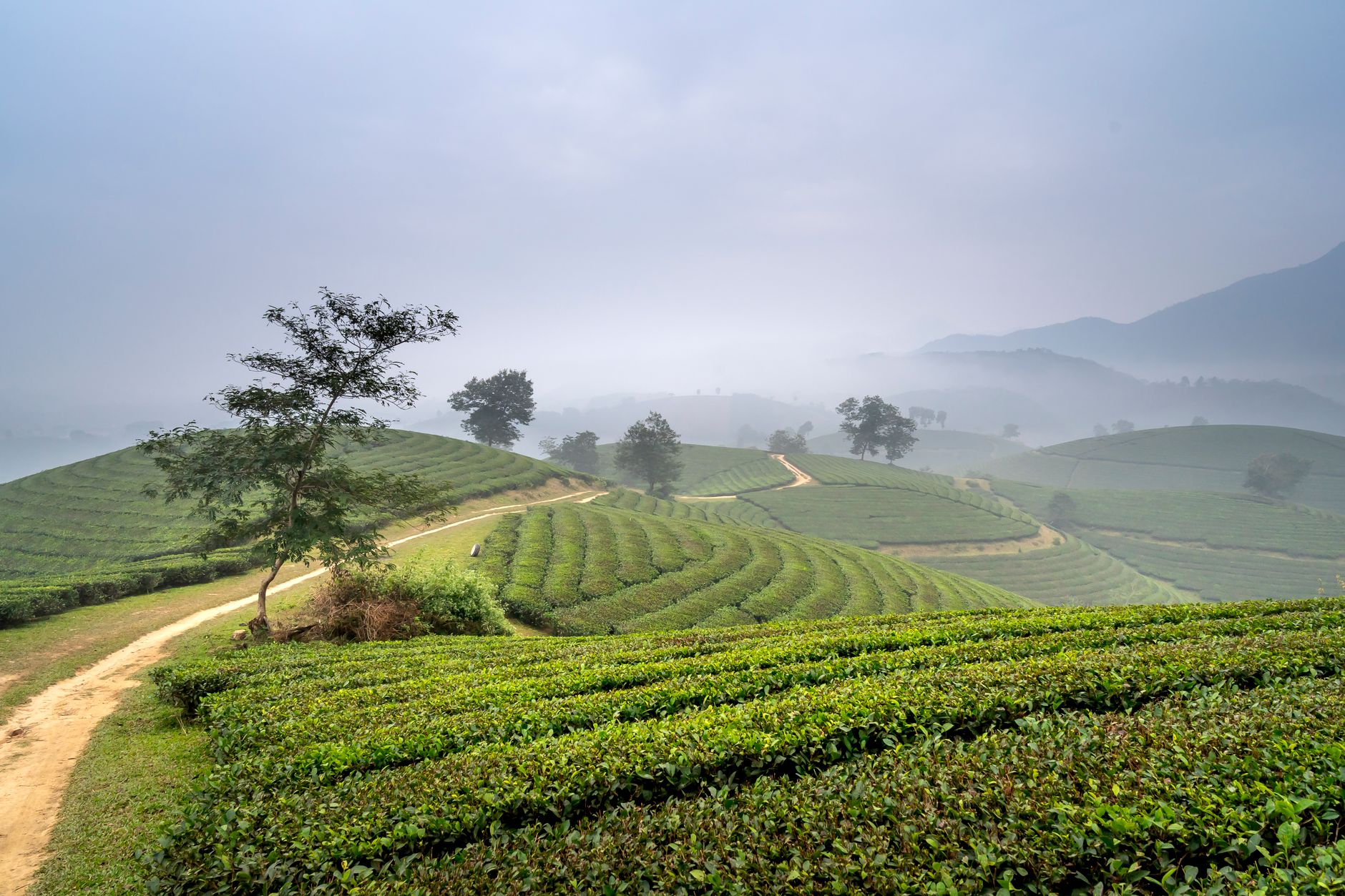
The appeal is simple: this is the highlands without the crowd. The air is cooler than the lowlands (though warmer than Da Lat), the scenery is all red earth roads cutting through green coffee rows, and the lake itself is a calm, flat mirror in the early morning before the wind picks up. Birdwatchers have reported egrets, kingfishers, and various waders around the marshy edges. If you've been grinding through bus stations and tourist queues, a day or two here resets the pace.
Best time to visit
The Central Highlands have two broad seasons: dry (November through April) and wet (May through October). For Ho Tay Dak Mil, November to March is the sweet spot. The lake is fullest from the tail end of the rains, the air is dry and clear, and morning temperatures dip to 18-22°C — comfortable for walking or cycling without turning into a sweat-soaked mess.
Avoid late April and May if you can. The lake level drops, the exposed banks aren't particularly scenic, and the heat builds before the rains break. During peak wet season (July-September), roads to the lake can get muddy, especially the last few kilometers of red laterite track.
How to get there
The nearest major hub is Buon Ma Thuot, roughly 80 km north. From there, you can:
- Motorbike: The most practical option. Take QL14 south toward Dak Mil town (about 1.5-2 hours depending on traffic and road conditions). From Dak Mil town center, the lake is another 8-10 km west on local roads — ask for "Ho Tay" and people will point you right. Total ride: around 2 hours. Fuel cost: maybe 50,000-70,000 VND round trip.
- Local bus: Buses run from Buon Ma Thuot's main bus station to Dak Mil town (around 60,000-80,000 VND, 2 hours). From Dak Mil, you'll need a "xe om" (motorbike taxi) to the lake — negotiate 40,000-60,000 VND one way.
- From Da Lat: It's a longer haul, roughly 200 km via QL28 and QL14. Doable in a day on a motorbike (5-6 hours with stops), but it's a committed ride through some winding mountain roads. No direct bus.

Photo by 1500m Coffee on Pexels
What to do
Walk or cycle the lake perimeter
A dirt path traces most of the shoreline, weaving between coffee plots and small farms. On foot, it takes 2-3 hours at an easy pace. On a bicycle (bring your own or ask your guesthouse), about an hour. Early morning is best — the water is glassy, the light is soft, and you'll have it largely to yourself.
Visit a coffee farm
This is robusta country. The red volcanic soil here produces some of Dak Nong's better beans. Several small farms near the lake welcome visitors informally — no ticket counter, just knock and ask. You'll likely get a tour of the drying beds and a cup of strong "ca phe sua da" for free or a small tip. If you're into Vietnamese coffee, this is a chance to see the supply chain before it reaches Saigon's specialty cafes.
Kayak or float on the lake
A couple of local families near the lake's eastern shore rent basic kayaks or small wooden boats for 50,000-100,000 VND per hour. Don't expect life jackets or safety briefings — this is informal. The lake is shallow and calm, so the risk is low, but swim at your own judgment.
Catch sunrise from the northern bank
The north side of the lake faces east with an unobstructed view across the water. Get there by 5:30 AM. The mist lifts off the surface in slow columns. It's the kind of quiet that makes you wonder why you spent three days fighting for space at a Da Lat viewpoint.
Drive the surrounding plateau roads
The area between Dak Mil and Krong No to the east is a patchwork of pepper plantations, rubber estates, and M'Nong ethnic minority villages. A half-day motorbike loop through these back roads gives you a feel for highland life that's hard to find on the main tourist circuits.
Where to eat nearby
Dak Mil town has a handful of "com binh dan" (everyday rice) shops along the main road — expect to pay 30,000-45,000 VND for a plate of rice with grilled pork, greens, and broth. Look for places with the most motorbikes parked outside.
Two things worth seeking out: "com tam" with grilled ribs at the market stalls (the Central Highlands version uses a slightly sweeter marinade than the Saigon standard), and "bun bo" — the local riff leans closer to "bun bo Hue" in its spice level but uses highland beef that has a distinctly richer flavor. There's a bun bo stall near the Dak Mil post office that locals swear by — no sign, just look for the steam.
Where to stay
Don't expect resorts. Accommodation options around Ho Tay Dak Mil are basic:
- Guesthouses in Dak Mil town: 200,000-350,000 VND/night. Clean enough, fan or air-con, hot water if you're lucky. Nha Nghi Thanh Binh near the market is a reliable default.
- Homestays near the lake: A few families have started offering rooms — 150,000-250,000 VND/night, sometimes including dinner. Ask around at the lake; availability is informal and seasonal.
- Buon Ma Thuot hotels: If you want reliable comfort, base yourself in Buon Ma Thuot (hotels from 400,000-800,000 VND/night) and day-trip to the lake.

Photo by Tường Chopper on Pexels
Practical tips locals would tell you
- Bring cash. There are no ATMs at the lake and only a couple in Dak Mil town (Agribank, sometimes out of service). Withdraw in Buon Ma Thuot before heading south.
- Sunscreen and a hat matter more than you think at 600 meters — the UV is strong even when it feels cool.
- If you're riding a motorbike, fill up in Dak Mil town. There's no fuel between town and the lake.
- Learn the phrase "Ho Tay o dau?" (Where is the western lake?) — GPS coverage is spotty on the back roads.
Common mistakes to avoid
- Showing up expecting Da Lat-level infrastructure. This is a rural agricultural area. There are no cafes, no Wi-Fi hotspots, no convenience stores at the lake. Pack water and snacks.
- Trying to visit as a rushed day trip from Da Lat. The 200 km drive each way leaves you exhausted with barely an hour at the lake. Either overnight in Dak Mil or build it into a longer Central Highlands loop through Buon Ma Thuot.
- Skipping the surrounding area. The lake alone is a half-day visit. The real value is combining it with the coffee farms, plateau roads, and M'Nong communities nearby. Budget at least one full day, ideally two.
Practical notes
Ho Tay Dak Mil works best as part of a broader Central Highlands motorbike loop — pair it with Buon Ma Thuot, Lak Lake, and the roads south toward Da Lat for a 4-5 day circuit. It's not a destination that justifies a flight and a taxi. It's a place you find when you're already moving slowly through the highlands, and that's exactly how it should be visited.
Last updated · May 29, 2026 · independently researched, never sponsored.