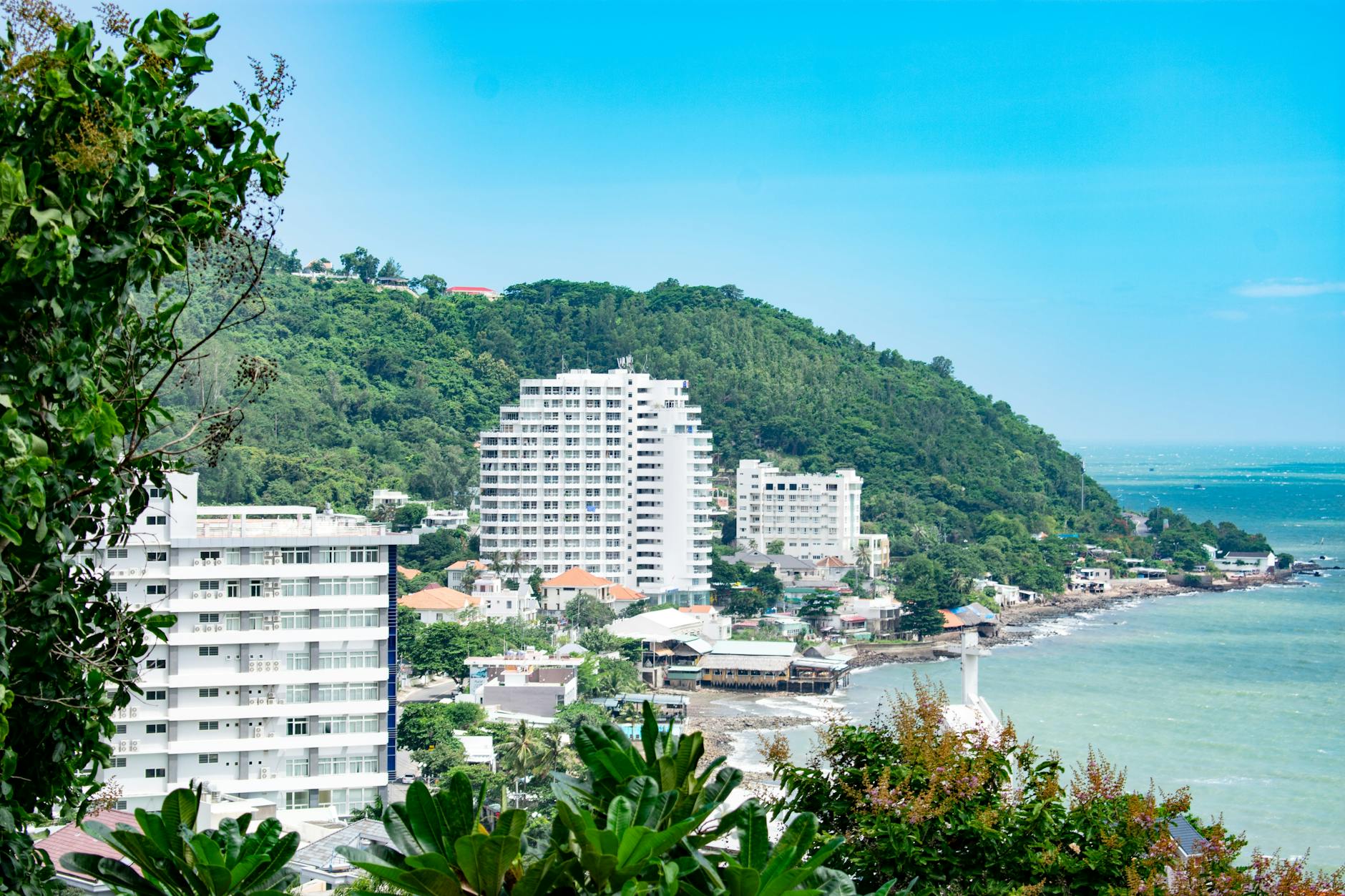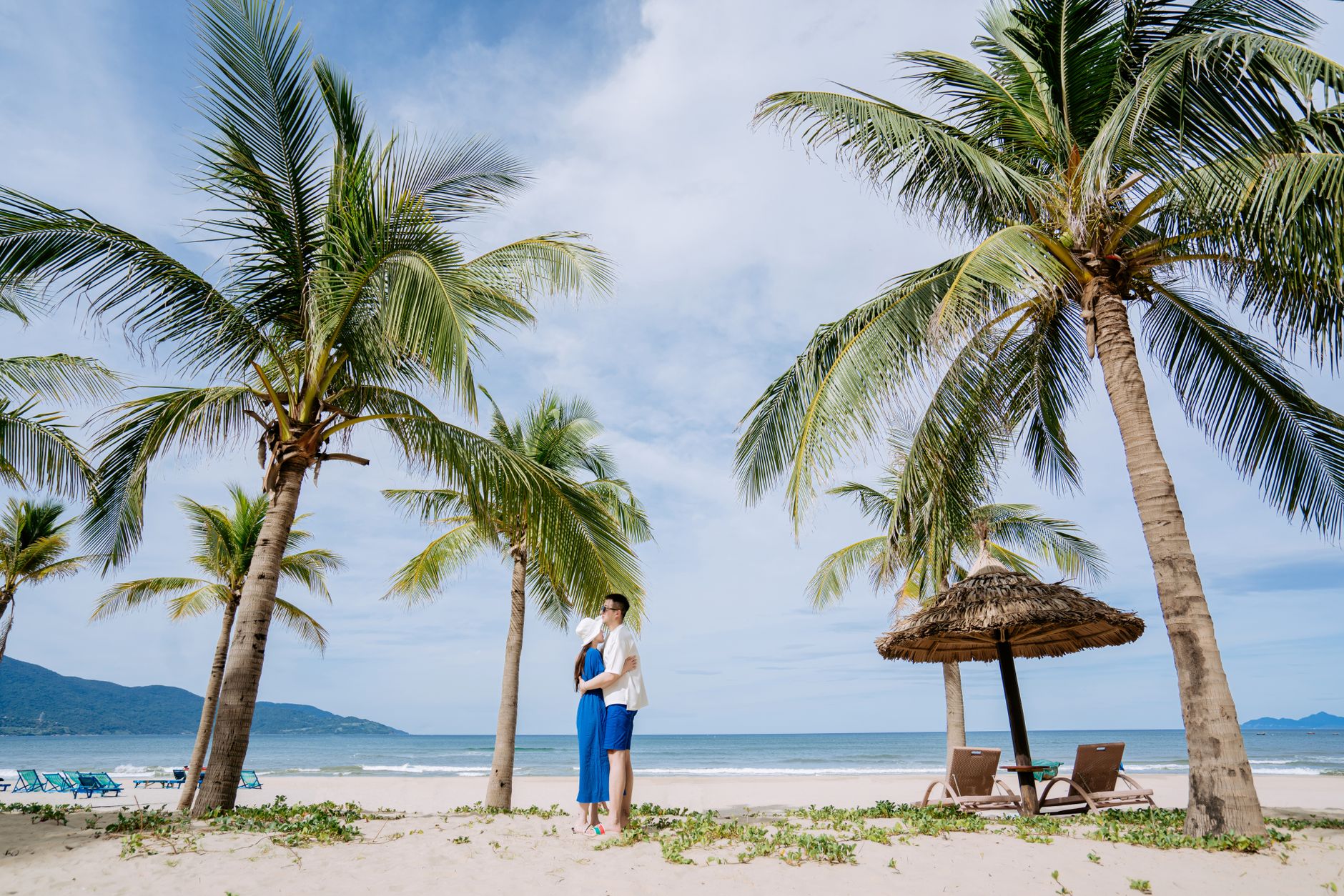
Ho Tram sits about 125 km southeast of Saigon (사이공 / 西贡 / サイゴン) on a long, wide stretch of sand that faces the open South China Sea. If you live in or are visiting Ho Chi Minh City and want salt water without the weekend circus of Vung Tau, this is where you go.
What Ho Tram is — and isn't
Ho Tram is a coastal commune strung along roughly 10 km of beach between the fishing town of Phuoc Hai and the more resort-heavy stretch of Ho Coc to the east. For years it was a quiet patch of casuarina trees and seafood shacks. That changed when a handful of large resorts — The Grand Ho Tram, Melia, Novotel — opened along the main coastal road, but the area still hasn't tipped into full-blown resort-town mode. Outside the hotel compounds, you'll find fishing boats, empty sand, and not much nightlife. That's the point.
Don't expect Hoi An-level charm or Da Nang-level infrastructure. Ho Tram is a beach trip, not a cultural destination. You come here to swim, eat seafood, do very little, and drive back to Saigon feeling like a person again.
Why travelers go
Three reasons, all simple. First, proximity — it's the nearest stretch of clean, swimmable beach to Saigon that doesn't involve a flight. Second, the water is genuinely better than Vung Tau (붕따우 / 头顿 / ブンタウ)'s main beaches. Ho Tram faces open ocean, the sand is coarse and dark but the water runs clearer, especially midweek. Third, the seafood-to-price ratio is excellent. A spread of grilled clams, steamed crab, and beer for two people rarely breaks 400,000 VND at the local spots near Phuoc Hai market.
Best time to visit
The south's dry season — November through April — is the safe window. Skies are clear, seas are calm, humidity drops a notch. December to February is the sweet spot: less rain, lower temperatures by southern Vietnam standards (28-31°C), and thinner weekday crowds.
Avoid the peak of rainy season (June through September) unless you don't mind afternoon downpours and rougher surf. The beach gets hit by strong currents during this period, and some stretches post red-flag warnings. Weekends year-round bring Saigon day-trippers, so aim for Tuesday-to-Thursday if you have flexibility.

Photo by Quang Nguyen Vinh on Pexels
How to get there from Saigon
By car or motorbike: Take the Ho Chi Minh City - Long Thanh - Dau Giay expressway, exit toward Ba Ria, then follow QL55 south to Ho Tram. Total distance is about 125 km, and in decent traffic you're looking at 2 to 2.5 hours. Expressway tolls run around 50,000-75,000 VND depending on vehicle class.
By bus: Phuong Trang (FUTA) and Kumho Samco run buses from Saigon's Mien Dong bus station to Ba Ria or Vung Tau (around 120,000-160,000 VND). From Ba Ria town, you'll need a local bus or Grab bike for the remaining 35 km to Ho Tram — budget another 150,000-200,000 VND for that leg.
By private car (Grab/taxi): A Grab car from central Saigon runs 800,000-1,200,000 VND one way. Split between three or four people, this is the most comfortable option and not much more than the bus when you factor in the last-mile hassle.
There's no airport or train station near Ho Tram.
What to do
Swim at the public beach near Phuoc Hai
Skip the resort-fronted sections (some charge non-guests for beach access) and head toward the public stretches near Phuoc Hai fishing village, east of The Grand Ho Tram. The sand isn't manicured, but the water is the same and you won't pay an entry fee. Bring your own shade — there's limited tree cover.
Walk the Phuoc Hai fish market at dawn
The fishing boats come in early, usually between 5:00 and 6:30 AM. Phuoc Hai market is loud, wet, and genuinely interesting — baskets of squid, mantis shrimp, red snapper, and whatever else the nets brought in. If you're staying nearby, buy a kilo of something fresh and ask a beachside restaurant to grill it for you. Most will do it for a small cooking fee (30,000-50,000 VND).
Ride to Ho Coc beach
Ho Coc is about 10 km east of Ho Tram along the coastal road and tends to be even quieter. The sand here is lighter, the shoreline is backed by low dunes, and there are a few basic seafood restaurants with plastic chairs right on the beach. Worth a half-day trip on a motorbike.
Visit the Binh Chau hot springs
About 15 km northeast of Ho Tram, Binh Chau hot springs sit inside a nature reserve. Entry is around 80,000 VND. The mineral pools range from warm to genuinely hot — locals bring eggs to boil in the spring water, which is a more entertaining activity than it sounds. The surrounding forest has short walking trails.
Do nothing, deliberately
Ho Tram rewards inactivity. Rent a hammock at one of the beachside "quan nhau" (drinking-and-eating spots), order a round of "bia hoi" or a cold Saigon beer, and let the afternoon pass. This is what Saigon residents actually come here to do.
Where to eat nearby
Seafood is the obvious play. The cluster of restaurants along the road into Phuoc Hai village serves grilled scallops with peanut and scallion oil, steamed blood clams, and salt-and-pepper squid — all cheap and all good. Look for places where Vietnamese families are eating, not where the menus are in English first.
For something specific, try "banh khot" — small crispy turmeric rice cakes topped with shrimp, a specialty of the Ba Ria-Vung Tau coast. Dip them in the fish sauce and eat them wrapped in lettuce and herbs. A plate of 10-12 runs about 50,000-70,000 VND. If you're heading back through Vung Tau, the "banh khot" stalls on Nguyen Truong To street are well-known, but the versions at Ho Tram's smaller shops hold their own.

Photo by Long Bà Mùi on Pexels
Where to stay
Budget (under 500,000 VND/night): Guesthouses and homestays along the Ho Tram strip. Basic but functional — expect air conditioning, hot water, and not much else. Book via apps; walk-in rates are often higher.
Mid-range (800,000-1,500,000 VND/night): Small boutique hotels and villa-style places with pools. Anoasis Resort and a few newer properties on the Ho Coc side offer decent rooms without the corporate resort feel.
High-end (2,500,000 VND+/night): The Grand Ho Tram, Melia Ho Tram, and Novotel. Full-service resorts with private beach access, pools, restaurants. The Grand also has a casino, which mainly caters to foreign passport holders.
Practical tips locals would tell you
- Bring cash. ATMs exist but are unreliable outside the big resorts. Many seafood spots and all market vendors are cash-only.
- Rent a motorbike locally (150,000-200,000 VND/day) to move between Ho Tram, Ho Coc, and Binh Chau. The coastal road is flat and easy.
- Sunscreen and a hat are non-negotiable. There's almost no natural shade on the public beaches.
- Check the tide schedule. At low tide the beach is massive and great for walking. At high tide, some stretches near the rocks get narrow.
Common mistakes to avoid
Don't drive from Saigon on a Saturday morning and expect a peaceful beach — you'll share the road with a few thousand other people who had the same idea. Go midweek or leave Friday night.
Don't stay exclusively inside a resort and call it a Ho Tram trip. The resorts are fine, but the coast's personality lives in Phuoc Hai village, the fish market, and the no-name seafood shacks.
Don't swim where red flags are posted during rainy season. The undercurrents here are real and claim lives every year. If locals aren't in the water, you shouldn't be either.
Last updated · May 29, 2026 · independently researched, never sponsored.