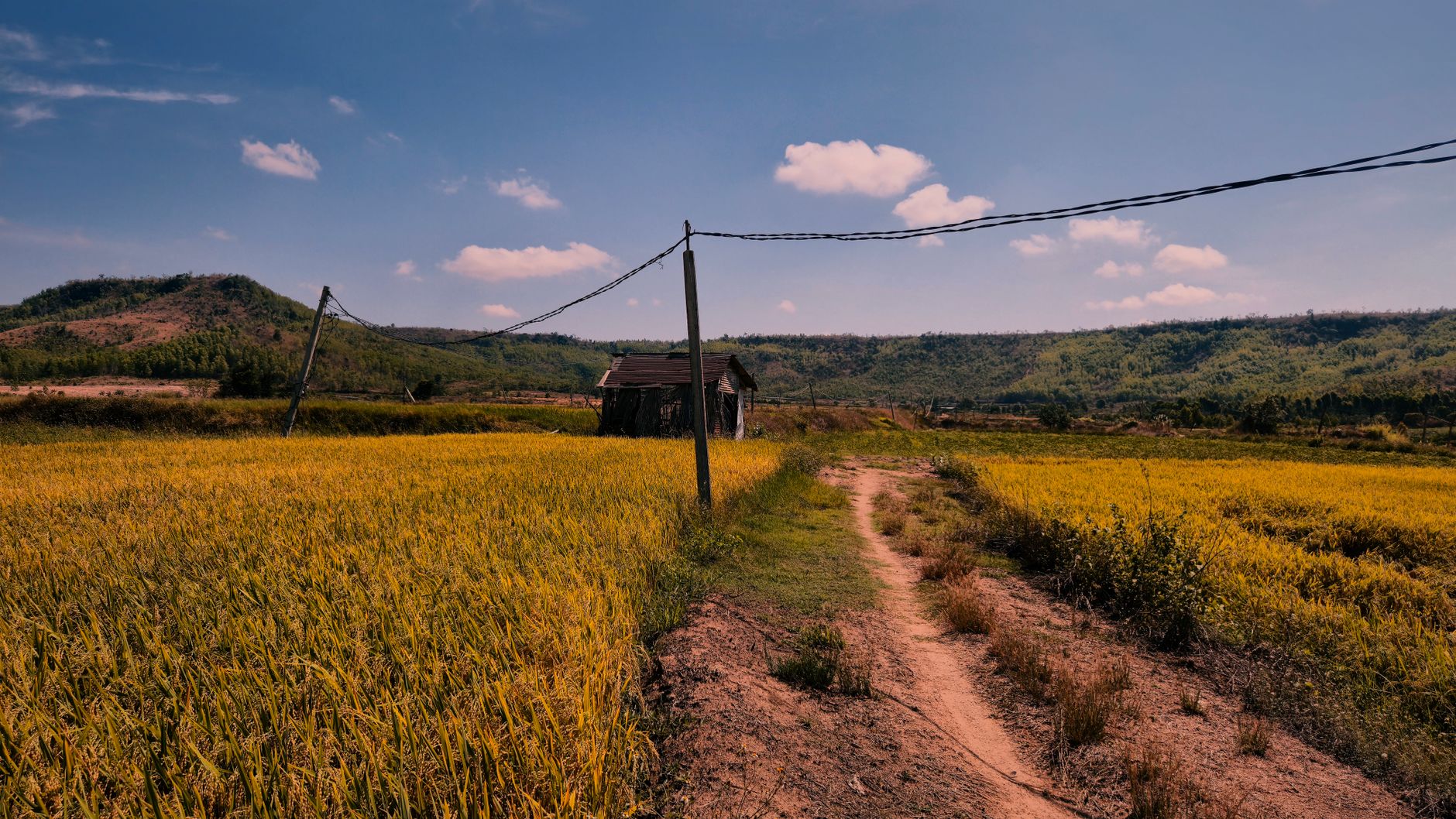
Gia Lai is not on most tourist radar, which is exactly why it deserves a visit. The province sits in Vietnam's central highlands (중부 고원 / 中部高原 / 中部高原), known for coffee plantations, Jarai and Ede ethnic villages, and roads that reward slow travel. Getting there requires a bit more planning than flying into Hanoi or Saigon, but the options are straightforward.
From Hanoi
Hanoi (하노이 / 河内 / ハノイ) to Gia Lai is roughly 1,050 km via Route 1 south and then inland. Most travelers break it into two or three legs rather than drive it in one push.
Bus. Open-tour companies run overnight buses from Hanoi to Pleiku (the largest city in Gia Lai province) — roughly 19–22 hours depending on stops. Tickets run 300,000–500,000 VND. Companies like Kumho and Phuong Trang operate these routes; book through your hotel or a travel agency. You'll arrive early morning, jet-lagged but door-to-door. Not glamorous, but cheap and painless if you sleep well on buses.
Train. There's no direct rail to Gia Lai anymore. The nearest station is at Tuy Hoa (Phu Yen province, 2 hours south of Pleiku). You can take the SE1 or SE19 overnight train from Hanoi (16–18 hours, 300,000–800,000 VND depending on cabin class), then hire a taxi or minibus to Pleiku (about 200,000 VND for a shared ride, 3–4 hours). This route is more scenic but slower door-to-door than a direct bus.
Motorbike. Hanoi to Pleiku on a rented or purchased motorbike is a 3–4 day journey for most riders. You'll pass through Hoa Binh, Mai Chau, Thanh Hoa, and Nghe An before heading inland. Budget 800,000–1,200,000 VND in fuel, tolls, and guesthouses. Only attempt this if you're comfortable riding unpaved mountain roads; Route 6 between Mai Chau and the highlands is rutted but rewarding. Rent a motorbike in Hanoi (150,000–250,000 VND/day for a reliable 110–125cc bike) and plan rest days.
From Saigon (Ho Chi Minh City)
Saigon to Gia Lai is 650 km and easier to manage in one leg than from Hanoi.
Bus. Direct overnight buses run from Saigon to Pleiku, about 14–16 hours. Tickets are 250,000–450,000 VND. The same major carriers operate this route. Daytime buses exist but are longer and less comfortable. Overnight is the standard move.
Flight. Saigon (Tan Son Nhat) to Pleiku is a 1-hour flight, around 900,000–1,800,000 VND one-way depending on how far ahead you book. Budget airlines like Vietjet and Bamboo Airways run this route 2–3 times weekly. Add 2 hours for airport procedures on each end, so it's faster point-to-point than a bus but not by much once you factor in getting to/from the airport. Worth it if you're short on time or hate long bus rides.
Motorbike. Saigon to Pleiku via Route 19 (through Binh Duong, Binh Phuoc, and Dak Lak provinces) is 500 km of steady, mostly paved road. Plan 2 days; most riders do it in a long day but you'll be exhausted. Fuel, tolls, and guesthouses run 600,000–900,000 VND. This route is flatter and faster than coming from the north, good for riders who prefer highway speed to mountain scenery.

Photo by Thái Trường Giang on Pexels
From Da Nang
Da Nang to Pleiku is 350 km via Route 14 south through Quang Nam and Kon Tum — one of Vietnam's most scenic drives.
Bus. Minibuses and local buses run this route throughout the day; it's a popular connection for travelers moving through the central region. Expect 6–8 hours and 150,000–250,000 VND. You can book through your hotel or flag down a bus at Da Nang bus station (Tien Son). This is slower than flying or driving your own bike but much cheaper.
Motorbike. Da Nang to Pleiku is the gold standard route for riders. Route 14 is serpentine and forested, passing through hill-tribe villages and tea plantations. 5–7 hours of riding, usually split into a 2-day trip with a night in Kon Tum (halfway). Fuel and guesthouses total 400,000–600,000 VND. This is the most rewarding overland journey to Gia Lai if you have the time and comfort level.
Shared taxi. Minibuses leaving Da Nang bus station head to Pleiku several times daily (6–8 hours, 200,000–300,000 VND). Slower than renting a motorbike but less physically demanding.
Where to Base Yourself
Pleiku is the commercial hub and your likely entry point. It's dusty, sprawling, and no tourist showpiece, but it's functional. Restaurants serve "com tam" and pho; guesthouses run 150,000–250,000 VND/night. Use Pleiku as a base for 1–2 days to visit nearby Jarai villages, Lake Ea Sup, and coffee farms. The Gia Lai Museum (on Nguyen Hue Street) is worth an hour if you want context on the province's ethnic groups and history.
Kon Tum, 60 km north of Pleiku, is smaller and sits on the Dak Bla River. It has more character — wooden colonial-era buildings, a wooden church — and serves as a better base for exploring Ede and Bahnar villages. Guesthouses are cheaper (100,000–180,000 VND/night), and the town has a slower, more lived-in feel. If you're coming from Da Nang, Kon Tum is worth an overnight stop anyway.
Ia Grai town is a tiny alternative north of Pleiku, but it has almost no tourist infrastructure. Skip it unless you're hiking deep into ethnic villages with a local guide.

Photo by 1500m Coffee on Pexels
Getting Around Within Gia Lai
Once you arrive in Pleiku or Kon Tum, you'll need transport to reach villages and plantations. Options:
- Shared taxis run set routes from Pleiku and Kon Tum bus stations (30,000–80,000 VND per journey).
- Motorbike rental from your guesthouse (100,000–150,000 VND/day) is ideal if you're confident riding; roads are rough but not chaotic.
- Guided tours booked through your hotel (500,000–1,200,000 VND per day) include transport, a local guide, and visits to village cooperatives. Worth it for your first day to learn village etiquette and get context.
Practical notes
Gia Lai's dry season (October–April) is the best time to visit; roads are passable and highland weather is cooler. Rainy season (May–September) can wash out smaller roads and make motorbike travel miserable. Book buses and flights 2–3 days ahead if traveling during Tet / 越南春节 / テト) or national holidays; the central highlands fill up quickly. Bring cash (VND); ATMs exist in Pleiku but can be unreliable in smaller towns. If you're planning to hire a motorbike, a Vietnamese or International Driving Permit isn't strictly enforced at rental shops, but carry it anyway to avoid police hassle on the road.
Last updated · May 29, 2026 · independently researched, never sponsored.