Why One Province, Not the Whole Country
The standard Vietnam (베트남 / 越南 / ベトナム) itinerary is a logistical gauntlet: Hanoi to Ha Long Bay, down to Hue, sideways to Hoi An, then a sprint to Saigon, maybe Phu Quoc if you're quick. You spend half the time in buses and trains, half the time in hotel check-in lines, and by day ten you've confused three different pho broths and can't remember which city had the water puppets.
Quang Nam province is purpose-built for the opposite approach. It's roughly the size of Connecticut. You can drive from the coast to the mountains in ninety minutes. The food tastes regionally distinct—not "Vietnamese food" but specifically Central Vietnamese. You'll recognize the same faces in different towns. You'll skip the Instagram line-ups and find the actual work of the region: fishing, farming, weaving, woodcarving.
This itinerary doesn't require a car or guide, though both help. It costs less than the standard tourist trail and leaves you rested instead of hollowed out.
Day 1 — Hoi An: Lanterns, Breakfast, Streets
Arrive in Hoi An (호이안 / 会安 / ホイアン). Get lost immediately.
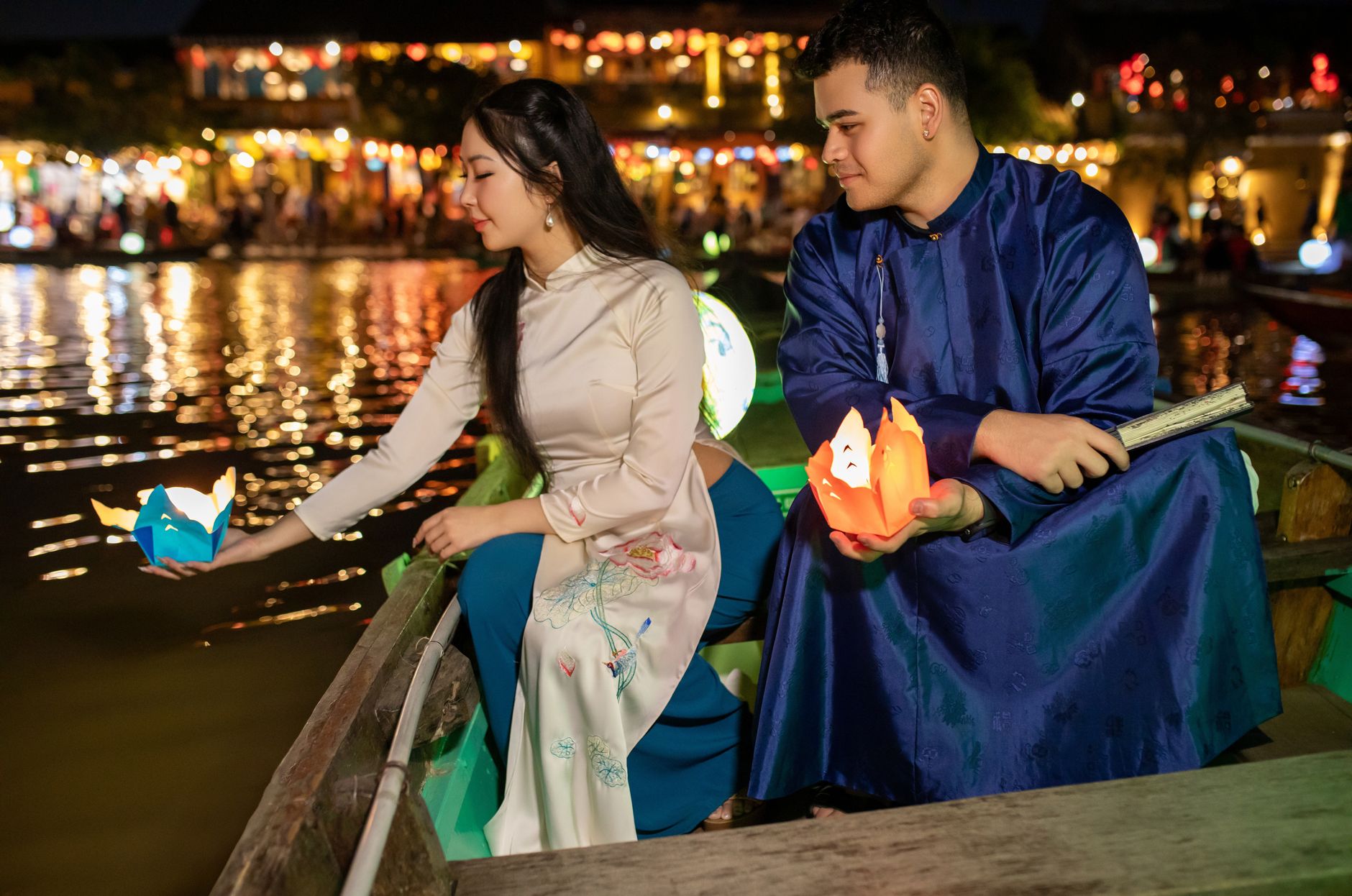
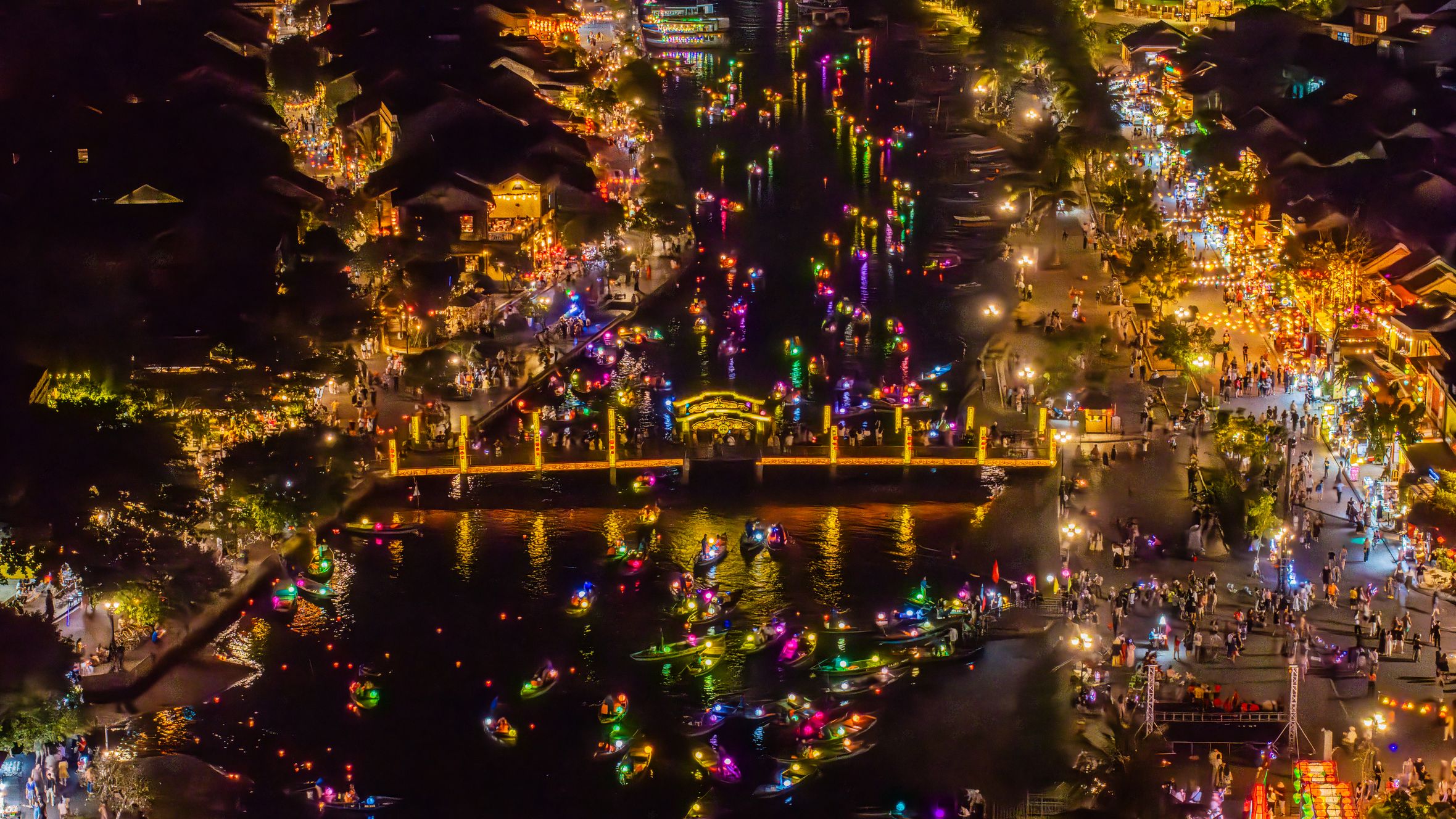
The Old Town is small enough to navigate by wandering: Japanese Covered Bridge, Assembly Halls, narrow shopfront streets where a "street" is really just a footpath between fabric shops and coffee carts. The lanterns and UNESCO labels are real, not invented for tourism, though tourism has definitely arrived. That's okay. You're here to eat and to feel the bones of the place.
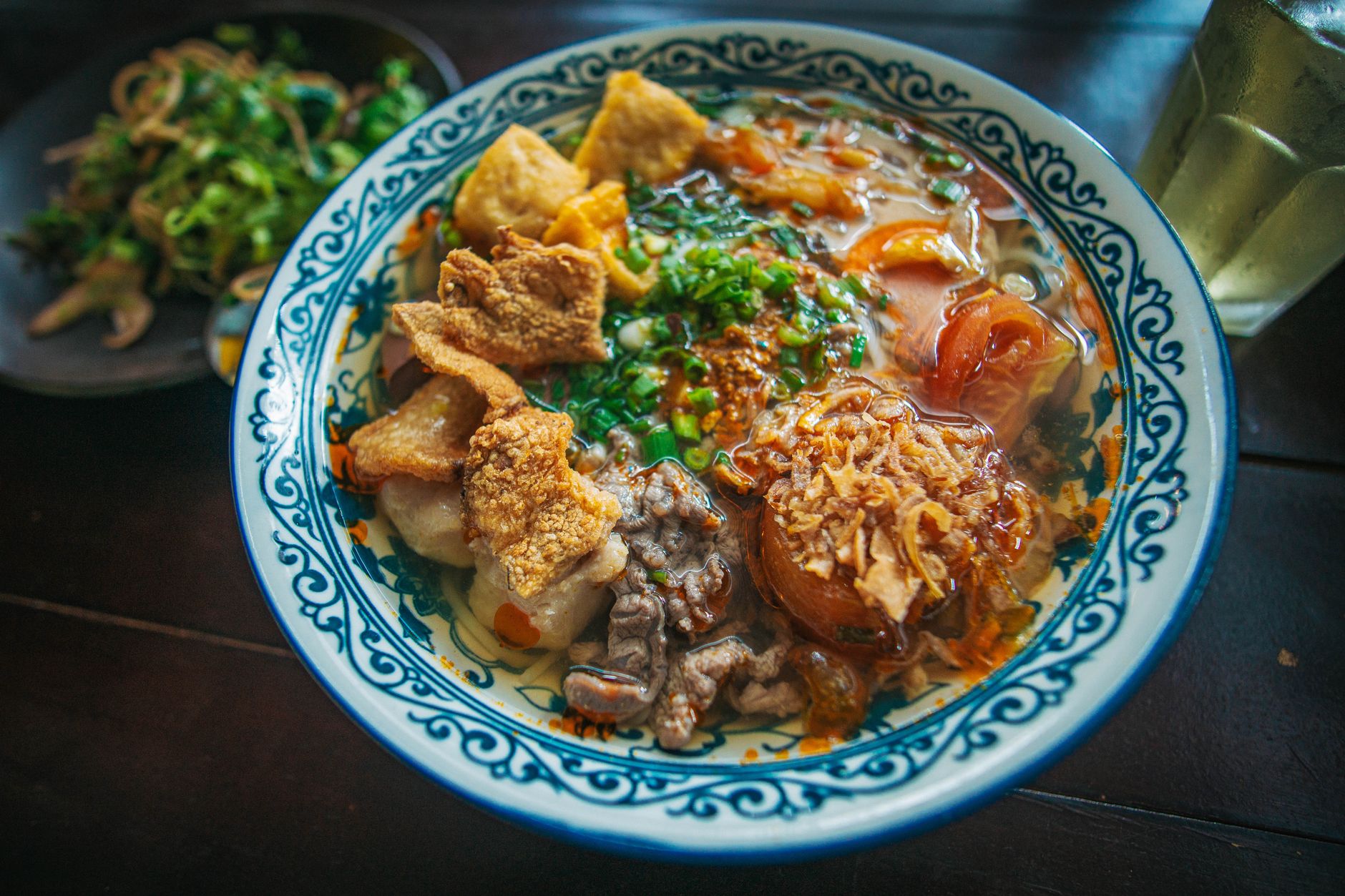
Breakfast at a "cao lau" stall on Tran Phu Street (just ask locals, they know)—that's the local noodle dish, pork broth, croutons, and greens, unique to this town. It tastes like nowhere else in Vietnam. Cost: 30,000 VND (€1.20).
Walk to Thanh Ha Pottery Village, ten minutes by motorbike taxi from the center. The ceramicists still work here; you can watch them throw clay and buy a bowl for 50,000–150,000 VND. It's functional pottery, not tourist art.
Lunch: "banh mi" from a shop without a name, just a counter and a queue. Hanoi and Saigon claim banh mi as theirs; Hoi An's version is lighter, more herb-forward.
Afternoon: sit in a cafe overlooking the river. Read. Watch fishing boats. Drink "ca phe sua da"—Vietnamese iced coffee with condensed milk. The café will cost you 20,000 VND and will occupy two hours of your day in the best way.
Dinner: seafood on the riverside. Grilled fish, salt-and-pepper shrimp, morning glory stir-fried with garlic. The restaurant won't have English menus. Point at a fish in the tank. Cost: 150,000–250,000 VND per person for a full meal.
Day 2 — My Son: Temples and the Slow Walk
My Son is a complex of brick-and-stone Hindu temples built by the Champa Kingdom between the 7th and 13th centuries. You can reach it by minibus tour (touristy but convenient, 250,000 VND) or by motorcycle (slower, cheaper, more memorable).
If you motorcycle: take Highway 40 south from Hoi An toward Tam Ky, then branch west. Ask a local. You'll pass rice paddies, water buffalo, and fruit orchards. The road is decent. Stop for fruit at a roadside stand. Stop for lunch at a family restaurant in a village where no tourists eat.
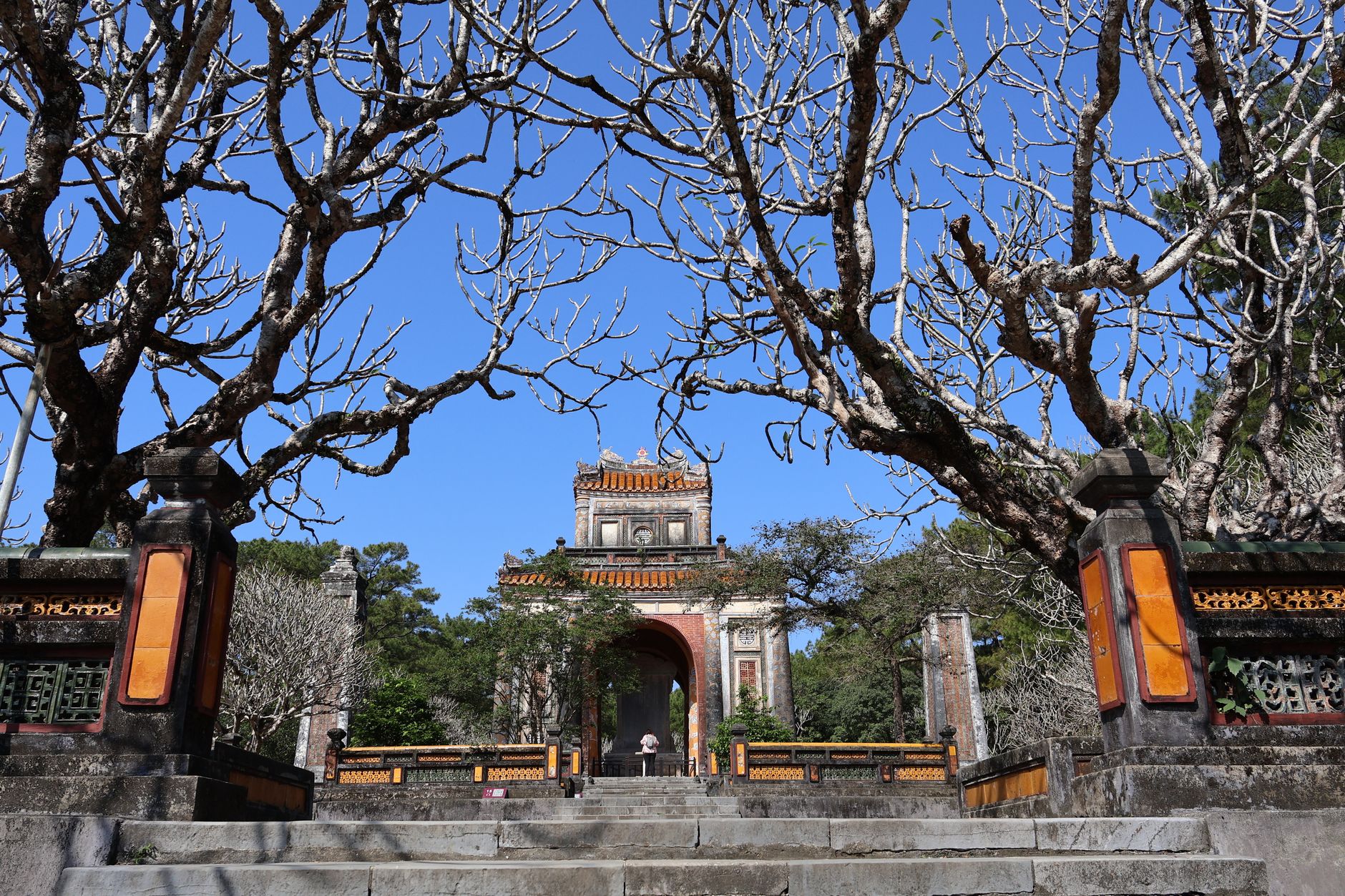
At My Son, skip the timed tour. Pay the 150,000 VND entry fee and wander on your own. The temples are scattered across a valley; some are reconstructed, some are half-rubble, some are hidden in the forest. Sit under the trees. The guides will find you if you want a guide; ignore them if you don't.
The stones are old. The craftsmanship is obvious. You don't need anyone to tell you that. Spend three hours here, minimum.
Return to Hoi An for dinner, or stay in Tam Ky town (closer to My Son, cheaper, more authentic). Tam Ky's restaurants serve fish "ca tru"—freshwater fish steamed in salt and herbs—which is excellent and unavailable in tourist areas.
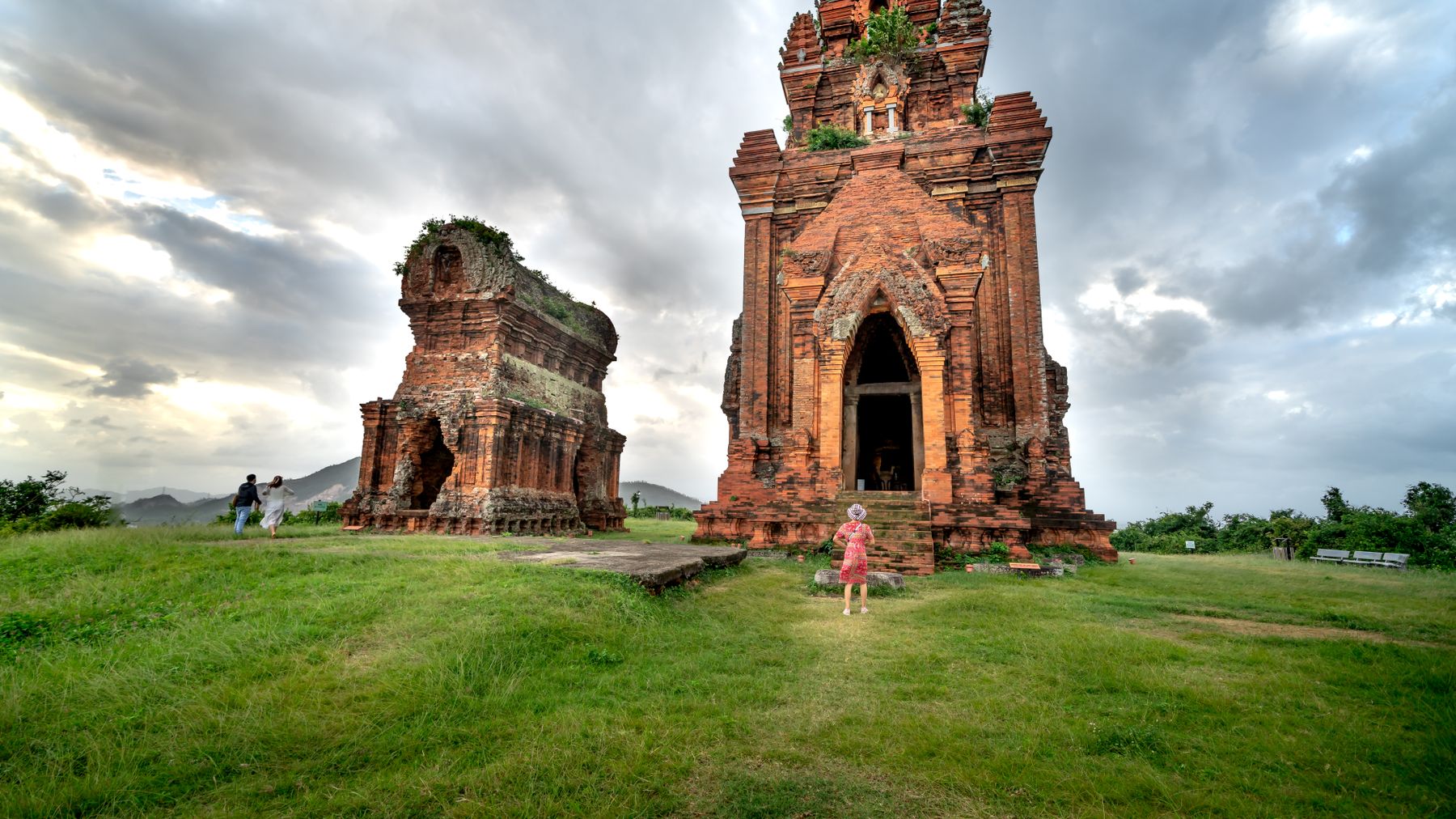
Photo by Quang Nguyen Vinh on Pexels
Day 3 — Cu Lao Cham: Island Quiet
Cu Lao Cham (also called Cham Island) is about forty kilometers offshore from Hoi An. The boat ride is ninety minutes. You'll see fishing boats, squid farms, and water that changes color from brown to turquoise as you approach the island.
There's a national park here, but it's underdeveloped compared to other Vietnamese islands. The beaches are quiet. The snorkeling is decent (bring your own gear or rent for 100,000 VND). The fish are real, not tame resort fish.
Stay in one of the basic guesthouses in the main settlement. Dinner is whatever the family cooked that day—usually seafood soup, grilled squid, and rice. Cost: 100,000–150,000 VND per night for a room; meals are communal and inexpensive (50,000–80,000 VND).
Wake up early. Walk the beaches at dawn. The light is soft. You'll see zero other tourists. Spend the day reading, swimming, eating fruit. Take the afternoon boat back to Hoi An.
Day 4 — Tam Ky: No Landmarks, Real Place
Tam Ky is the provincial capital of Quang Nam. It's not on most tourist itineraries, which is exactly why you should go.
There are no temples, no lantern streets, no Instagram moments. There's a wet market (Tam Ky Market, early morning), a riverfront with fishing boats and repair yards, and dozens of small restaurants where locals actually eat.
Spend the morning at the market. Buy fruit from the vendors. Buy a bag of "banh canh"—a thick, soupy noodle dish—from a stall near the entrance. Sit and eat with everyone else. Cost: 20,000 VND.
Walk the riverside. Sit in a coffee shop. Watch motorcycles pass. Eat "com tam"—broken-rice, a humble Central Vietnamese staple, with grilled pork and a fried egg. Cost: 30,000 VND.
In the afternoon, visit a silk weaving workshop (Vietnam Silk, near the city center, or ask at your guesthouse). You'll see women at looms, threads dyed in traditional indigo and turmeric. Buy a scarf or pillowcase if you like it. Skip it if you don't. There's no pressure.
Dinner: pick a restaurant at random. Point at what someone else is eating. This is how you find the best food.

Photo by 🇻🇳🇻🇳 Việt Anh Nguyễn 🇻🇳🇻🇳 on Pexels
Day 5 — Mountain Villages: Upland Quiet
Drive west from Tam Ky into the mountains. The landscape changes: limestone peaks, terraced farms, villages of the Kor and Gie Trieng ethnic minorities (though these distinctions matter less to tourists than to locals—just listen to the languages and dialects change).
Stop in Tien Phuoc district. Visit a "non la" weaving workshop—the conical bamboo hats. The craft is still alive; old women weave for local use, not just for tourists. Watch them work. Buy a hat for 80,000–200,000 VND, depending on quality.
Hike or drive to a waterfall—Ask locals for the nearest one; it changes by season. Swimming holes exist in the wet season; dry season waterfalls are dramatic but less swimmable.
Eat lunch at a family restaurant in a small village. The menu will be limited. That's the point. You'll eat rice, vegetables from the back garden, chicken or fish, maybe something you can't identify. It will be delicious because it was made for people who live there, not for tourists.
Return to Hoi An or Tam Ky for your final night. Pack for departure.
Frequently Asked Questions
How far is My Son from Hoi An and how do you get there?
My Son is reachable from Hoi An by minibus tour for 250,000 VND or by motorcycle via Highway 40 south toward Tam Ky, then branching west. The motorcycle route passes rice paddies, water buffalo, and fruit orchards. Entry to the temple complex costs 150,000 VND. Plan at least three hours on site to explore the valley, which holds temples ranging from reconstructed structures to forest-covered ruins.
What is cao lau and where can you eat it in Hoi An?
Cao lau is a noodle dish specific to Hoi An made with pork broth, croutons, and greens. It is considered unique to the town and distinct from anything else in Vietnam. Stalls selling it can be found on Tran Phu Street — locals can point you to the right spot. A bowl costs around 30,000 VND (approximately 1.20 euros), making it one of the cheapest and most regional meals you can eat in Quang Nam province.
When is the My Son temple complex worth visiting without a guided tour?
My Son can be visited independently any time the site is open. Paying the 150,000 VND entry fee and wandering without a timed tour gives you the freedom to move between scattered temples at your own pace. The complex spans a valley with structures in varying states of preservation, some hidden in forest. The article recommends spending a minimum of three hours here, and notes that guides are available on site if you change your mind.
Practical Notes
Transport: rent a motorbike (100,000–150,000 VND/day) if you're comfortable, or hire a motorbike taxi for specific trips (10,000–30,000 VND per journey). Buses connect cities cheaply; minibuses are slightly faster and slightly pricier. Book accommodation the night before; Hoi An books up, Tam Ky rarely does.
Budget: food is cheap (30,000–80,000 VND per meal for street food, 100,000–200,000 VND for restaurant meals). Guesthouses range from 150,000 VND (basic) to 500,000 VND (comfortable). Budget 150–200 USD for the full five days, including boats and entry fees.
Language: English is spoken in Hoi An but disappears fast outside it. Download Google Translate offline. Smile. Point. Eat. You'll be fine.
Last updated · May 29, 2026 · independently researched, never sponsored.