
Buon Ma Thuot sits at roughly 500 metres above sea level in Dak Lak province, and on a clear morning the air around the city smells faintly of roasted coffee. This is not incidental — the Central Highlands (중부 고원 / 中部高原 / 中部高原) surrounding the city produce around 40% of Vietnam's total coffee output and a significant slice of global robusta supply. If you drink "vietnamese coffee" anywhere in the world, there is a strong chance the beans passed through here.
Why Dak Lak Runs on Robusta
Vietnam (베트남 / 越南 / ベトナム) is the world's second-largest coffee exporter, and the dominant variety is robusta (Coffea canephora), not the arabica that dominates specialty menus in Hanoi or Saigon. Robusta thrives at lower altitudes, tolerates heat and humidity, and yields more fruit per plant. The red basalt soil of the Dak Lak plateau — locally called dat do — drains well and holds nutrients, which is why yields here outperform most of Southeast Asia.
Arabica does grow in the highlands, primarily in the cooler pockets above 1,000 metres near Cau Dat and parts of Lam Dong province. But robusta accounts for roughly 95% of what Dak Lak ships. The flavour profile is earthier and more bitter than arabica, with a thick body and lower acidity — qualities that translate well into "ca phe sua da", the iced milk coffee that Vietnam runs on. Roasters compensate for robusta's rougher edges by blending with a small percentage of arabica or adding butter and salt during roasting, a technique you'll see at any traditional roadside stall.
The Names Behind the Beans
Trung Nguyen is the brand most visitors encounter first. Founded in Buon Ma Thuot in 1996, it grew into a national chain and now exports to over 60 countries. Their G7 instant blend is ubiquitous in Vietnamese convenience stores. For visitors, the Trung Nguyen Legend Cafe on Nguyen Tat Thanh street in the city centre is a legitimate destination — a multi-floor space where you can order drip, pour-over, and traditional phin-filtered coffee side by side and compare the difference in extraction. Prices run 35,000–65,000 VND per cup.
Less famous outside Vietnam but respected among coffee traders is Mehadi Coffee, a smaller roaster that works directly with Ede and M'nong ethnic minority farmers on single-origin lots. Their dry-processed robusta has a distinctly fermented, jammy quality that surprises people who write off the variety as purely utilitarian. Their shop near the Dak Lak Museum is worth a stop if you want to buy beans to take home — expect to pay around 120,000–180,000 VND per 200g for their better lots.
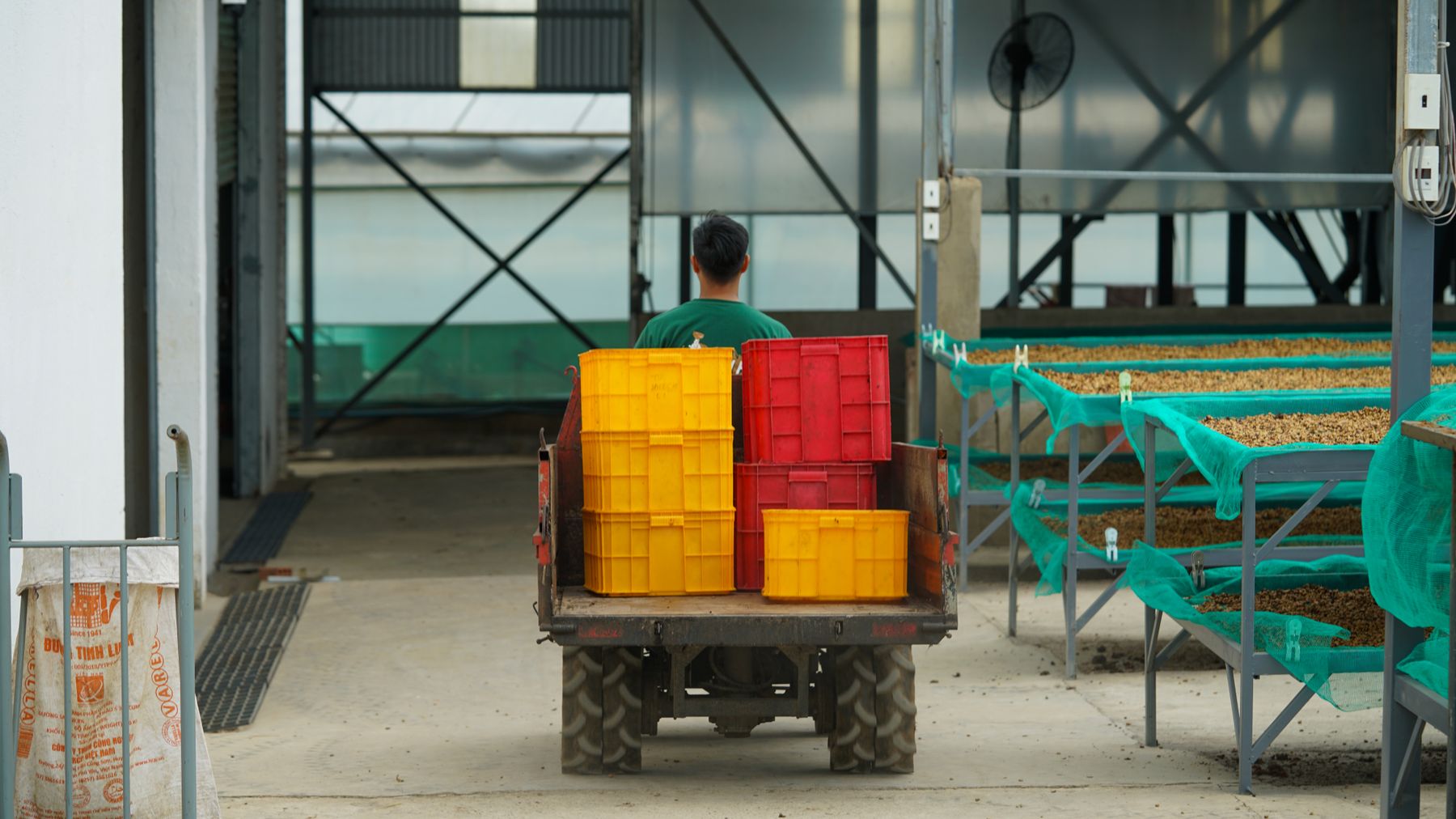
Photo by 1500m Coffee on Pexels
Coffee Festival: Every Two Years in March
The Buon Ma Thuot Coffee Festival runs biennially in even-numbered years, typically across five days in mid-March. It is genuinely worth scheduling a trip around if you have flexibility. The festival draws growers, processors, and roasters from across the highlands alongside buyers from Korea, Japan, and Germany. The main events are held at the Thang Loi cultural centre and the surrounding plazas: cupping competitions, live roasting demonstrations, cultural performances from local Ede communities, and a street market where you can buy green and roasted beans directly from farm cooperatives at prices well below what you'd pay in Hanoi or Saigon.
The 2024 edition drew roughly 50,000 visitors over its run. Accommodation in Buon Ma Thuot books out fast — reserve at least six weeks ahead if you plan to attend.
Plantation Tours
Several farms within 15–30 km of the city centre offer half-day and full-day tours. Cao Nguyen Coffee Farm on the road toward Buon Don (about 25 km west) lets visitors walk the rows during harvest season (October to January), see the wet and dry processing methods side by side, and cup the results. Entry is free; a guided tour with tasting runs around 150,000 VND per person.
If you have a motorbike, riding out through the farming villages southwest of the city on Highway 14 is worthwhile on its own. The landscape is flat and open — coffee and pepper plantations alternating with rubber trees — and the small family-run stalls along the road serve filtered phin coffee for 10,000–15,000 VND a glass. Bring cash; nothing out here takes cards.
For a more immersive experience, some guesthouses near Buon Don can arrange an overnight stay with an Ede family that operates a small farm. These are informal arrangements, not polished tours, but you'll spend a morning picking and see the whole chain from cherry to dried bean in about 12 hours.

Photo by Sóc Năng Động on Pexels
Brewing at Home
The standard Vietnamese method uses a "phin", a small aluminium or stainless drip filter that sits on top of the glass. Medium-coarse grind, about 20g of coffee, 90°C water poured slowly to let the grounds bloom, then the rest in one pour. The whole process takes four to five minutes and produces roughly 120ml of concentrated brew.
For robusta specifically, most local roasters recommend a slightly longer steep than you'd use with arabica — the denser cell structure means extraction takes more time. If you find phin coffee too bitter, the most common fix locally is to add a teaspoon of condensed milk directly into the filter before brewing, which smooths the extraction rather than just sweetening the cup after the fact.
Beans travel well if you vacuum-seal them; most shops in Buon Ma Thuot will heat-seal a bag for you on request.
Frequently Asked Questions
Where does most of Vietnam's robusta coffee actually come from?
Buon Ma Thuot, the main city in Dak Lak province, sits at roughly 500 metres above sea level in the Central Highlands. The surrounding region produces around 40% of Vietnam's total coffee output. Robusta accounts for roughly 95% of what Dak Lak ships, grown in red basalt soil called dat do that drains well and holds nutrients — conditions that make yields here outperform most of Southeast Asia.
What coffee brands and cafes are worth visiting in Buon Ma Thuot?
Trung Nguyen, founded in Buon Ma Thuot in 1996, has a multi-floor cafe on Nguyen Tat Thanh street where drip, pour-over, and phin-filtered coffee cost 35,000–65,000 VND per cup. Mehadi Coffee, near the Dak Lak Museum, works directly with Ede and M'nong farmers on single-origin robusta lots and sells beans for around 120,000–180,000 VND per 200g — a practical option if you want to bring beans home.
When does the Buon Ma Thuot Coffee Festival take place?
The festival runs biennially in even-numbered years, typically across five days in mid-March, at the Thang Loi cultural centre and surrounding plazas. It includes cupping competitions, live roasting, and a street market selling green and roasted beans directly from farm cooperatives at prices below Hanoi or Saigon rates. The 2024 edition drew roughly 50,000 visitors, so book accommodation at least six weeks ahead.
Practical Notes
Buon Ma Thuot is a 45-minute flight from Hanoi or Saigon (around 600,000–900,000 VND each way if booked early on VietJet or Vietnam Airlines) or a 10–12 hour overnight bus from Saigon via Da Lat. The city itself is compact and navigable by Grab motorbike. Harvest season, October through January, is the best time to visit for plantation activity; the Coffee Festival is the draw in March of even years.
Last updated · May 29, 2026 · independently researched, never sponsored.





