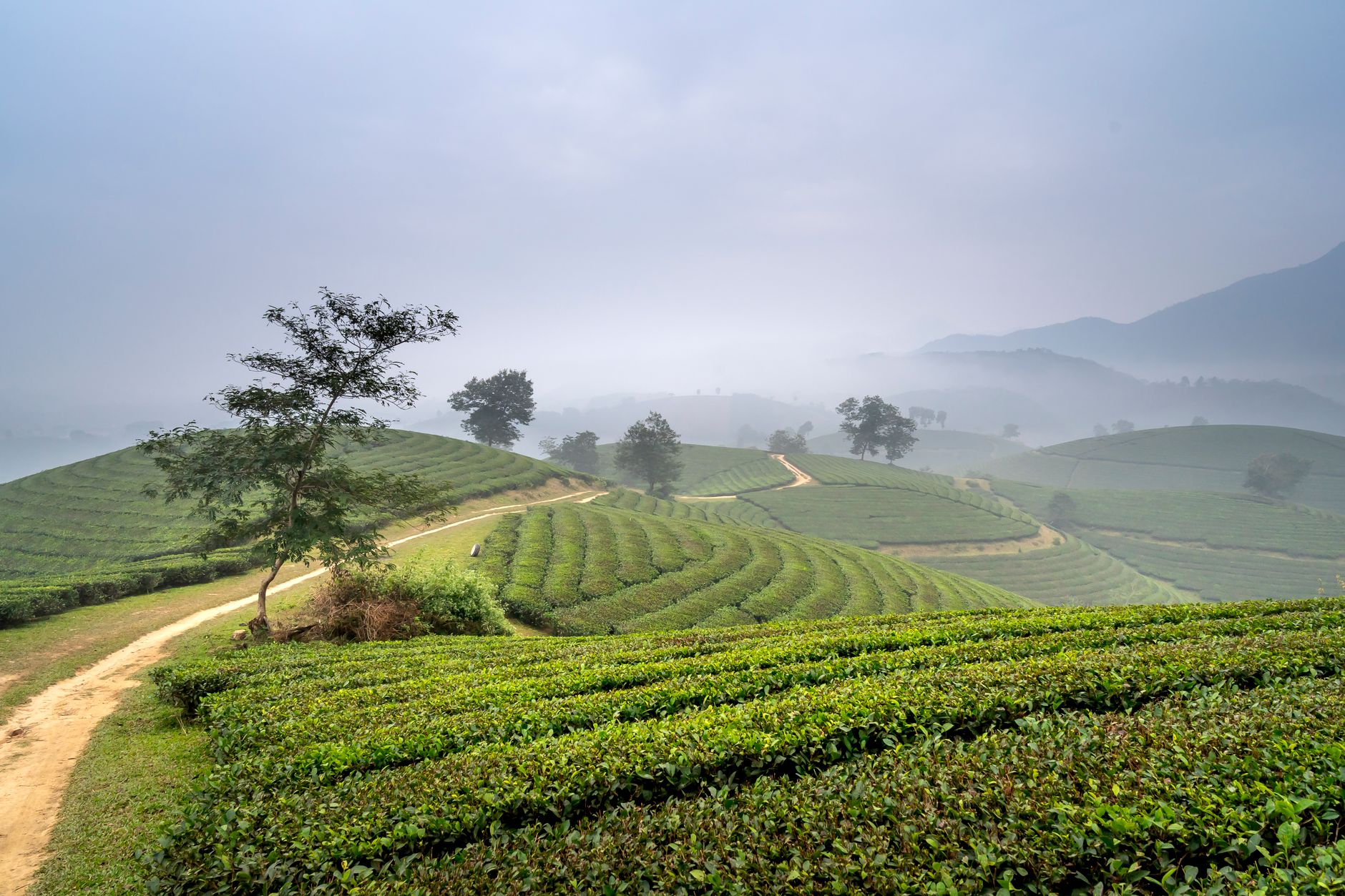
Lam Dong Province sits in Vietnam's central highlands (중부 고원 / 中部高原 / 中部高原), and its appeal shifts season to season. Unlike the swampy heat of the lowlands, you're dealing with genuine cool-weather patterns at elevation — sometimes even damp and chilly. Know when to go, and you'll enjoy crisp mornings on a motorcycle through coffee farms. Get the timing wrong, and you'll be wrapped in persistent fog or caught in monsoon rain.
The weather pattern
Lam Dong has two distinct seasons. From November to April, it's cool and mostly dry — this is the easiest travel window. May through October flips to hot, humid, and wet, with rain concentrated from June to September.
The elevation keeps temperatures moderate year-round. Hanoi or Saigon in summer will cook you; Da Lat (the main city in Lam Dong) rarely exceeds 25°C even in peak heat. But that coolness also means mornings and evenings can drop to 10–15°C, and during the rainy season, fog rolls in thick enough to cut visibility to 50 meters.
November to December: early cool season
This is arguably the best two months. Skies clear, temperatures are crisp (15–22°C), and rain is rare. The landscape is lush from earlier monsoon rains, so the pine forests and flower gardens look their best. Crowds are starting to build — weekends in Da Lat get busy with Saigon (사이공 / 西贡 / サイゴン) day-trippers — but it's nothing like peak season yet.
Booking a motorcycle tour to Bi Dap, the coffee region south of Da Lat, or a hike to Pongour Waterfall is straightforward. Accommodation is affordable, and roads are dry. Expect to pay 200,000–400,000 VND per night for a mid-range guesthouse.
January to March: peak season
School holidays in late December and early January bring families from the lowlands. Tet / 越南春节 / テト) (lunar new year, typically late January or early February) is when Lam Dong fills up: hotels raise prices 20–30%, and popular spots like Dalat Flower Gardens and Thien Vien Truc Lam Pagoda get crowded. But the weather is still excellent — dry and cool, with occasional sunny afternoons.
February and March are slightly less hectic than January but still busy. If you want to avoid the crowds entirely, January is your sacrifice month; if you can stomach some foot traffic for perfect weather, it's worth it. Rooms in this period: 400,000–700,000 VND for mid-range places, higher if you're booking a popular spot.

Photo by Hồng Quang Official on Pexels
April to May: shoulder season turning wet
April starts dry but temperatures climb toward 28–30°C by month's end. Rain picks up in May, and by the second week, you're in the rainy season proper. Visitors thin out significantly after March, so prices drop and roads are quieter.
If you don't mind occasional showers and moody, overcast skies, this period is actually rewarding. The rain keeps things green, and the crowds are gone. Expect 10–15% discounts on accommodation compared to peak season. The trade-off: visibility on mountain roads can get poor, and muddy trails are common.
June to September: monsoon and off-season
This is the wet season. Rain is heavy and frequent, fog clings to the hills, and roads — especially rural ones to coffee plantations or waterfalls — can turn slippery. Temperatures hover around 20–24°C, which is still cool, but the humidity and overcast skies make everything feel damp.
Tourist numbers drop sharply. A mid-range guesthouse in Da Lat might cost 150,000–250,000 VND. Motorcycling through the highlands is possible but requires caution; visibility is unpredictable, and rain can be sudden. However, if you're flexible and enjoy moody landscapes, the quiet is valuable. The flower gardens are less photogenic, but hiking in the mist has its own appeal.
Late September marks the tail end; by early October, rain starts to ease.
October: transition month
Rain diminishes, fog clears, and temperatures stabilize around 22–26°C. It's the bridge between the wet and cool seasons. Roads dry out, crowds remain light, and prices are still low. If you're visiting in October, you've basically won the lottery — good weather with minimal tourism.

Photo by Dongdilac on Pexels
Festivals and local timing
Lam Dong doesn't have a major provincial festival that draws huge crowds, unlike some northern provinces. However, Tet Trung Thu), typically mid-September) sees family-oriented activity, and Tet itself (late January or early February) brings temporary surges. The Dalat Flower Festival (December, every two years in even-numbered years) is worth checking for — it's smaller than peak-season crowds but focused on horticulture.
If you're interested in coffee culture, harvest season is July to October. Visiting a coffee plantation during this period means seeing actual work, though the rainy season aesthetics (fog, overcast) are less picturesque.
What to pack by season
November to March: Light layers, a light jacket or sweater for mornings/evenings, comfortable walking shoes. Sunscreen. The sun at elevation is intense even though it's cool.
April to October: Waterproof jacket, quick-dry clothing, waterproof bag for electronics if you're motorcycling. An umbrella is useless in heavy rain here; a rain jacket works better. Layers still — mornings are cooler.
Practical notes
For most travelers, November to early March is ideal: the weather is reliable, the landscape is vibrant, and while crowds are present, they're manageable outside peak Tet. If you want isolation and don't mind weather trade-offs, October or April offer good value. Avoid June to mid-September unless rain and fog don't bother you.
Last updated · May 29, 2026 · independently researched, never sponsored.