Why Nghe An matters
Nghe An province sits in Vietnam's north-central region, about 350 km south of Hanoi and roughly 400 km north of Da Nang. It's not a tourist-clogged destination—many travelers pass through without stopping—but that's exactly the point. The province has a slower rhythm, cheaper food, and some of the best regional cuisine you'll eat. The capital, Vinh, is your main hub.
From Hanoi
By bus
The most common option. Sleeper buses depart Hanoi's Tran Quy Cap or My Dinh stations multiple times daily. Journey time is 6–7 hours depending on stops and traffic. A sleeper seat (two-tier bunk) costs 120,000–180,000 VND. Some operators run day buses (slightly faster, cheaper) at 100,000–150,000 VND.
Buses stop at Vinh Central Station, about 3 km south of the city centre—taxis or Grab are 30,000–50,000 VND into town.
Book online via 12Go Asia or ask your hotel. Reputable operators include Sinh Cafe and Yen Huong (both run daily services with decent seats).
By train
The Hanoi–Saigon line passes through Vinh. Express trains (like SE1) take 8–10 hours; slower regional trains add another 2–3 hours. Tickets range from 150,000 VND (hard seat, slow train) to 450,000 VND (soft sleeper, express). Book at the Hanoi Railway Station ticket office or online via dsv.vn.
Vinh Railway Station sits in the city centre, making it convenient for onward transport.
Train is more comfortable than budget buses but slower and less frequent (roughly 3–4 departures daily).
By motorbike
If you're renting a motorbike in Hanoi or already have one, the ride south to Vinh takes 5–6 hours via National Highway 1A. Fuel costs around 50,000–70,000 VND one-way. The road is busy but well-maintained. You'll need an International Driving Permit (IDP) and your home country's driving license.
Stop in Thanh Hoa province midway if you're tired. Vinh has plenty of motorbike parking.
By rental car + driver
Private car services (through your hotel or Traveloka) cost 1.2–1.8 million VND for a one-way journey with driver. Takes 6 hours. Worth it if you're traveling with others.
From Saigon (Ho Chi Minh City)
By bus
Sleeper buses run the 600+ km journey in 10–14 hours, depending on operator. Seats cost 250,000–400,000 VND. Depart from Ben Thanh Station or Mien Dong. Companies like Phuong Trang and Hung Thanh run daily services.
You'll arrive at Vinh Central Station early morning (usually 6–8 am).
By train
Express trains from Saigon take 12–16 hours to Vinh. Soft sleeper bunks cost 500,000–700,000 VND. The train is slower than the bus but more restful if you book a cabin.
By flight
Vietnam Airlines and Viet Jet operate Saigon–Vinh flights (about 1 hour) on most days. Expect 1.5–2.5 million VND return flights during low season; higher in peak times. However, Vinh Airport is small and flights can be cancelled due to weather. Not always reliable.

Photo by Quang Nguyen Vinh on Pexels
From Da Nang
By bus
Da Nang to Vinh is 300 km (4–5 hours). Daytime buses cost 80,000–120,000 VND and depart from Da Nang bus station. Less frequent than Hanoi routes, but doable.
By motorbike
The scenic Highway 1A ride takes 5–6 hours, passing through Hue and Dong Ha en route. This is a popular stop if you're doing a motorbike loop of central Vietnam.
By train
The express train from Da Nang to Vinh takes 6–7 hours. Tickets cost 150,000–300,000 VND depending on seat class. Only 1–2 daily departures.
Flying to Vinh
Vinh Nhat Xuan Airport is small but does receive domestic flights from Hanoi and Saigon. Flight times are 1–1.5 hours. One-way fares typically run 600,000–1.2 million VND depending on season and how far in advance you book.
The airport is 6 km from the city centre. Airport buses run 50,000 VND, or Grab taxis cost 80,000–120,000 VND.
Flying is fastest but not always cheaper than buses once you factor in airport time and transport. Use it if you're short on time or hate long bus rides.
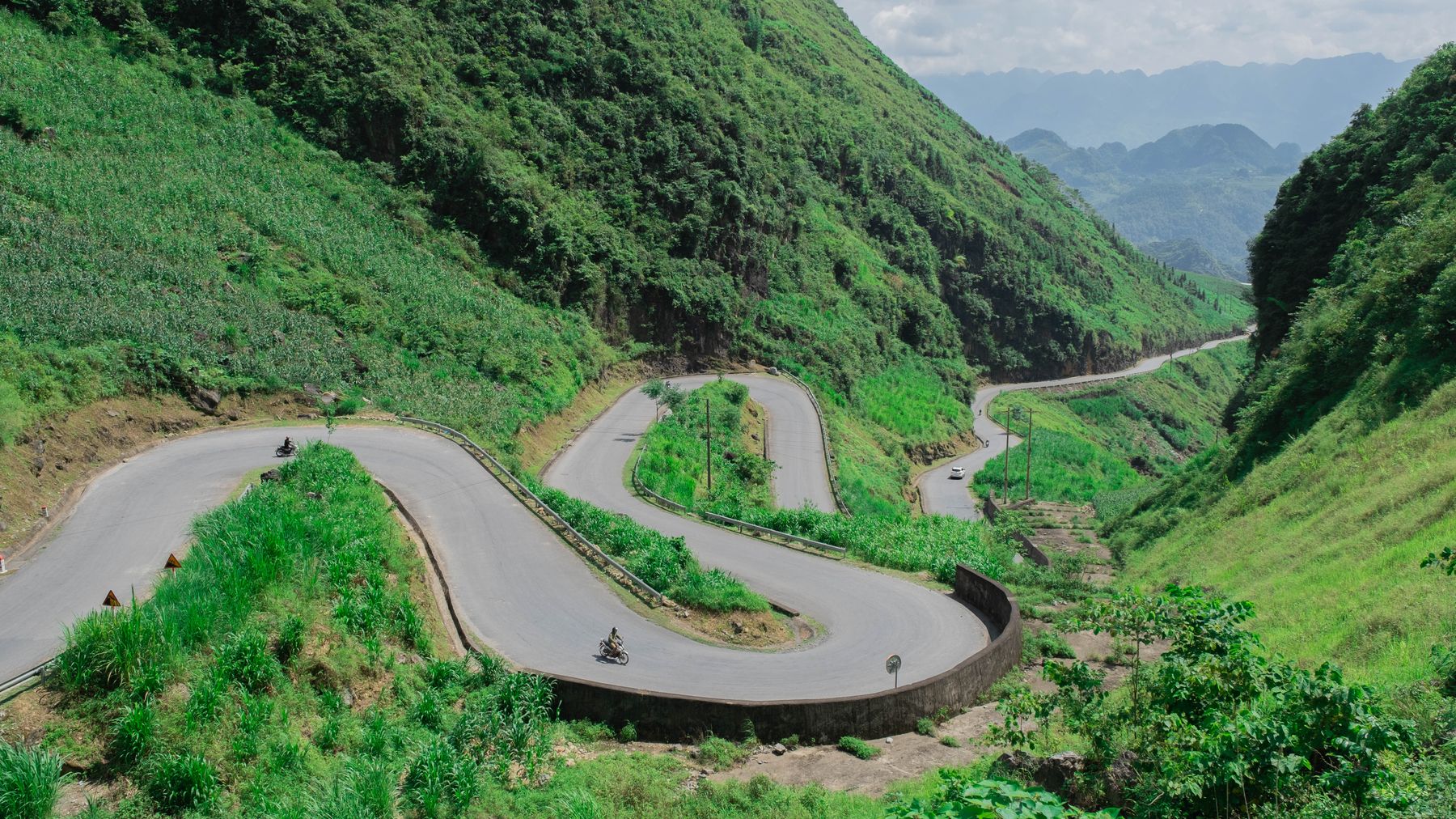
Photo by Quang on Pexels
Where to base yourself in Nghe An
Vinh City
The provincial capital is your main hub. It's an ordinary Vietnamese city—not a tourist resort. You'll find basic hotels (200,000–500,000 VND/night), decent "pho" stalls, and regional specialities like "banh chung". The Seaport area has a few small restaurants. Plan 1–2 nights here as a base, or pass through in a day.
Hotels: Saigon Vinh (4-star, around 800,000 VND), Nhat Phuong or Huong Duong (budget options, 250,000–400,000 VND).
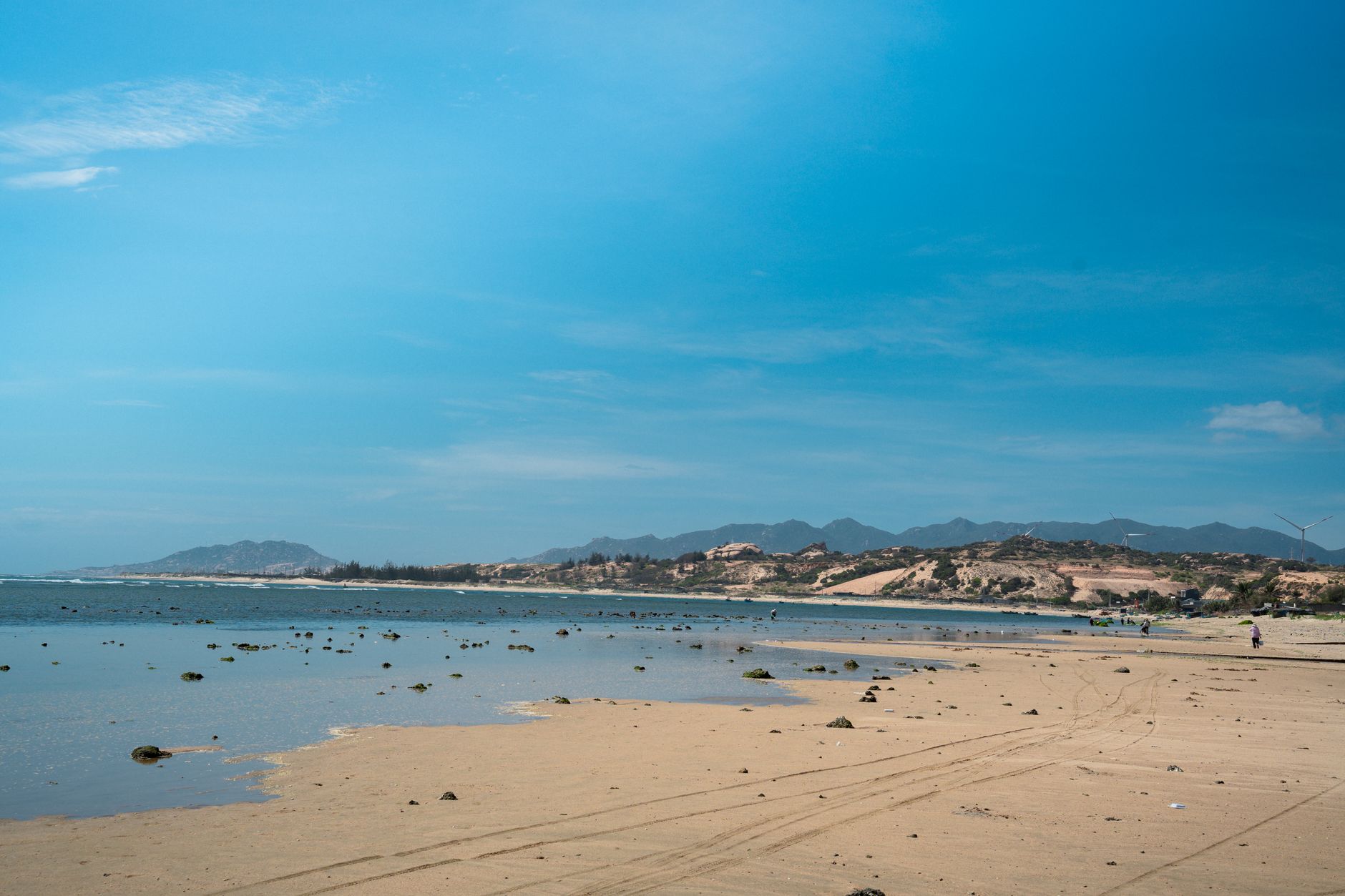
Cua Lo Beach
40 km east of Vinh. A quieter, sleepier beach town with a handful of guesthouses and seafood restaurants. Perfect if you want a slower pace. Buses from Vinh to Cua Lo run every 30 minutes (30,000 VND, 1 hour). Grab motorbikes are 50,000–80,000 VND.
Hotels here are budget-focused: expect 200,000–350,000 VND/night. Few foreign tourists, which is part of the appeal.
Practical notes
Nghe An has no major tourist infrastructure—no tour desks, limited English, minimal ATMs outside Vinh. Bring cash (VND) from Hanoi or Saigon. SIM cards are easy to buy at convenience stores. The best time to visit is October–April (cooler, dry). Transport connections are regular and cheap, making the province ideal for a 2–3 day stopover between Hanoi and Da Nang, or as a day trip from nearby cities.
Last updated · Apr 9, 2026 · independently researched, never sponsored.