Vietnam (베트남 / 越南 / ベトナム)'s drink scene has quietly become one of the more interesting in Southeast Asia — not just because the coffee is genuinely good, but because a generation of bartenders and roasters is doing things with local ingredients that nobody outside the country is paying enough attention to yet. This trail runs south to north, five days, two cities you already know plus a few stops in between.
Day 1 — Saigon: The Baseline
Land in Saigon and resist the urge to do anything before coffee. The city's third-wave scene is concentrated in Districts 1, 3, and Binh Thanh. Start at one of the specialty roasters on Nguyen Thi Minh Khai — a flat white here costs around 65,000–80,000 VND, which tells you what kind of room you're in.
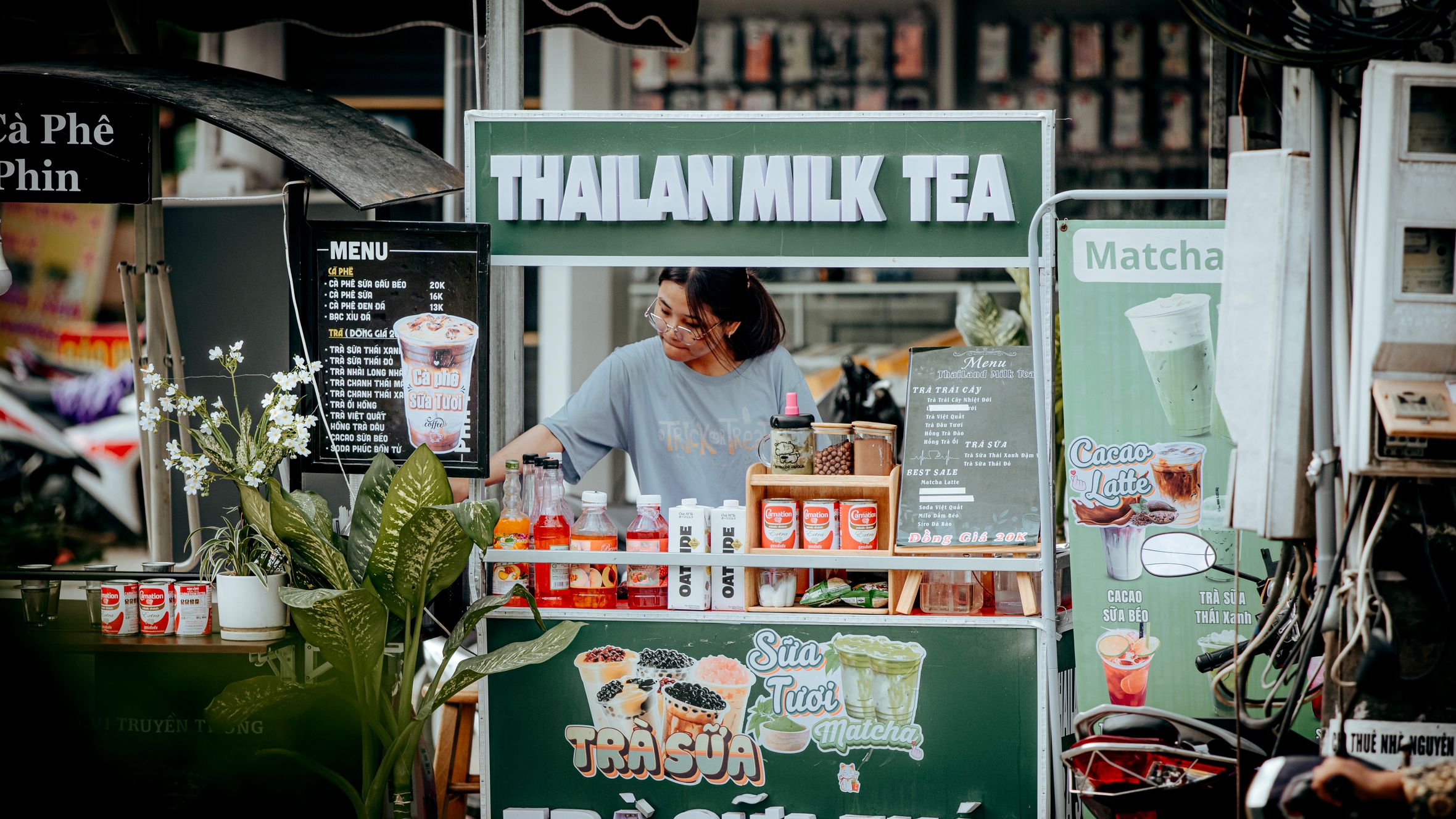
For the afternoon, work your way toward the classic: "ca phe sua da", iced coffee with sweetened condensed milk, from a plastic-stool place rather than a design-forward café. The contrast is the whole point. District 1's backstreets between Bui Vien and De Tham still have these — look for the metal filter drip ("phin") sitting on a glass of ice.
Evening is for cocktails. Saigon (사이공 / 西贡 / サイゴン)'s craft bar scene runs late and skews inventive. Several bars around the Bui Vien–Pham Ngu Lao corridor use local ingredients — calamansi, pandan, kumquat, Vietnamese whisky — in ways that actually make sense rather than novelty-menu sense. Expect to pay 120,000–180,000 VND per cocktail at serious spots. The rooftop bars in District 1 are fine but tourist-priced; the better cocktail work happens at street level.
Day 2 — Da Nang: Transit Day With Stops
A morning flight Saigon–Da Nang takes around 75 minutes. Da Nang itself isn't the coffee destination — Hoi An, 30 km south, is — but Da Nang has a handful of good independent cafés along the Han River waterfront worth a stop if your flight lands before noon.
"Vietnamese coffee" in Da Nang often means strong, dark-roasted robusta, served hot in a small ceramic cup. The robusta belt running through the Central Highlands supplies most of the country's output. Da Nang's cafés tend to use it straight, without much ceremony, which is honest.
Get a ride south to Hoi An by early afternoon. The road runs along the coast and takes about 40 minutes.

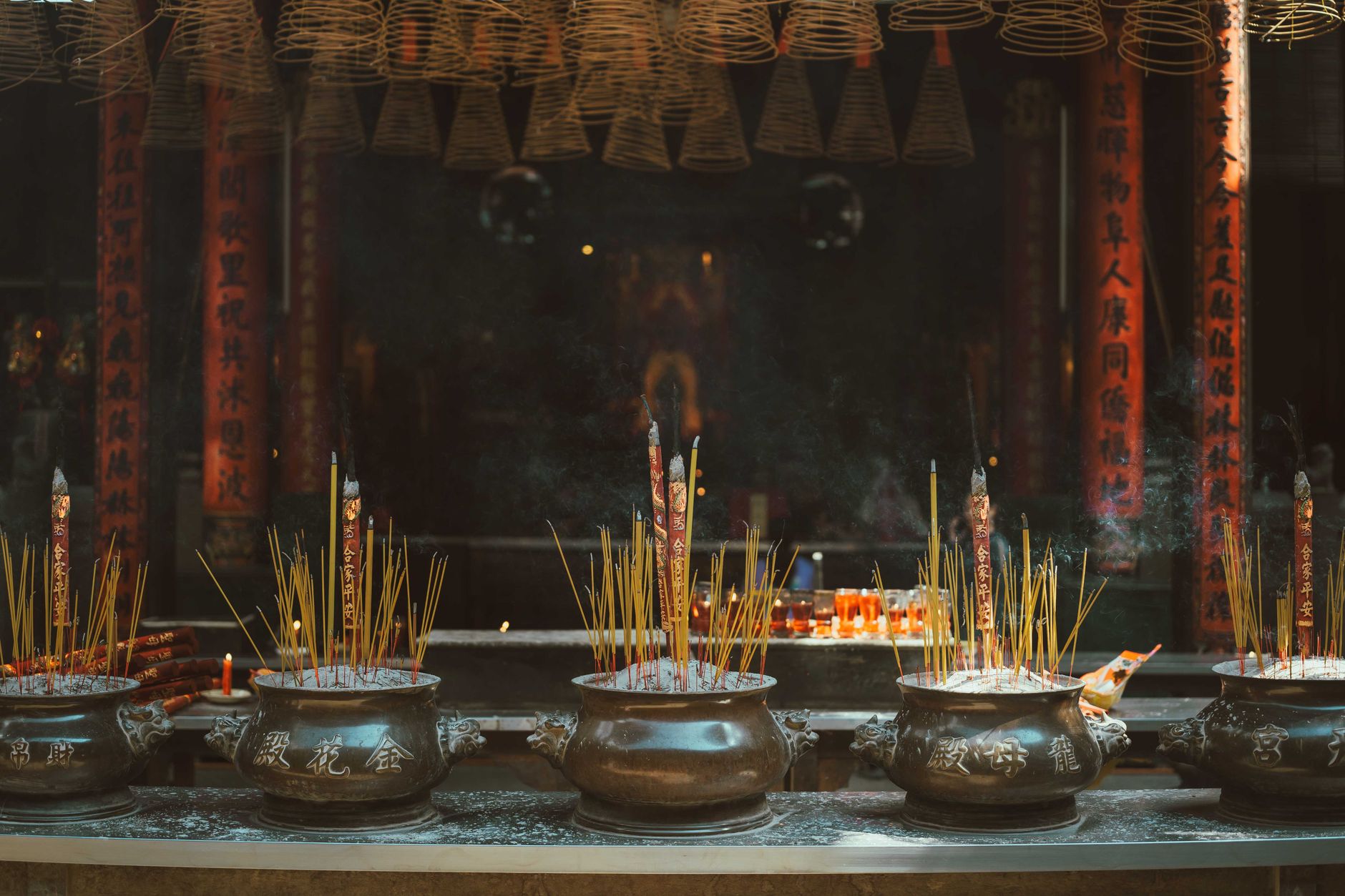
Photo by jakub on Pexels
Day 3 — Hoi An and Hue: Slow Coffee, Stronger Drinks
Hoi An's Ancient Town is tourist-dense but its café culture has held up surprisingly well. A few roasters have set up in the shophouse lanes — Tran Phu and Nguyen Thai Hoc streets — and the quality is higher than you'd expect given the foot traffic. Hoi An is also one of the better places to try "ca phe trung" outside Hanoi; a couple of spots have adopted it with their own tweaks.
Spend the morning in Hoi An, then take a car or bus north to Hue — about 120 km, two to two-and-a-half hours through the Hai Van Pass. The drive earns the transit.
Hue is underrated on the drink side. The city has a quiet cocktail scene centered on a few bars near the Perfume River (Song Huong), and several craft beer spots have opened in the last few years. More interesting is Hue's own coffee culture: the city has a tradition of slow café-sitting that predates the third-wave movement by decades. Find a garden café ("quan ca phe vuon") in the residential streets north of the Citadel and stay an hour longer than you planned.
Dinner in Hue is almost compulsory — "bun bo hue", the city's spicy beef noodle soup, at around 40,000–60,000 VND a bowl, is one of those dishes that tastes noticeably different here than it does anywhere else in the country.
Day 4 — Hue to Hanoi: Night Train
Book a soft-sleeper berth on the SE train from Hue to Hanoi. The overnight journey takes roughly 14 hours. It costs around 500,000–700,000 VND depending on class and season, and it's a genuinely pleasant way to travel — bring snacks, the dining car is functional but not exciting.
Before boarding, use the afternoon to hit one more Hue café. A few specialty spots have opened near Hung Vuong Street in the last couple of years. Ask locally; the scene moves faster than any published list.

Photo by Tuấn Kiệt Jr. on Pexels
Day 5 — Hanoi: The North's Coffee Obsession
Hanoi takes coffee seriously in a way that feels almost personal. The city's café density in the Old Quarter and Hoan Kiem area is extraordinary — five or six places per block in some stretches — and the range goes from ancient family-run spots to polished specialty shops.
The first stop has to be "egg coffee" — "ca phe trung" — invented at Cafe Giang on Hang Gai in the 1940s and still served there for around 25,000–30,000 VND. It's a whipped egg yolk and condensed milk foam over robusta, hot or iced. It sounds strange; it drinks like a dessert that also wakes you up. The original Giang location, up a narrow staircase, is the right place to have it the first time.
Spend the morning walking the Old Quarter's café circuit — Ca Phe Pho Co, tucked behind a silk shop on Hang Gai, has one of the better lake views in the city. Then cross into the French Quarter for Hanoi's best specialty roasters, several of which have opened on and around Trieu Viet Vuong and To Ngoc Van.
Evening is for "bia hoi" first — the draft beer served at sidewalk corners for around 7,000–10,000 VND a glass, with no pretension whatsoever — and then cocktails. Hanoi's craft cocktail bars have matured quickly. A cluster near Truc Bach Lake and another in the Tay Ho area are working with local spirits, "lotus tea" infusions, and seasonal fruit in ways worth an extra night if your schedule has room.
Practical Notes
Budget roughly 300,000–500,000 VND per day for drinks if you're mixing street coffee with one or two cocktail bars each evening — more in Hanoi and Saigon where bar tabs add up fast. The Saigon–Da Nang flight books cheapest two to three weeks ahead; the Hue–Hanoi train sells out on weekends, so reserve online as soon as dates are set. A local SIM with data is the only logistics tool you actually need.
Last updated · May 29, 2026 · independently researched, never sponsored.