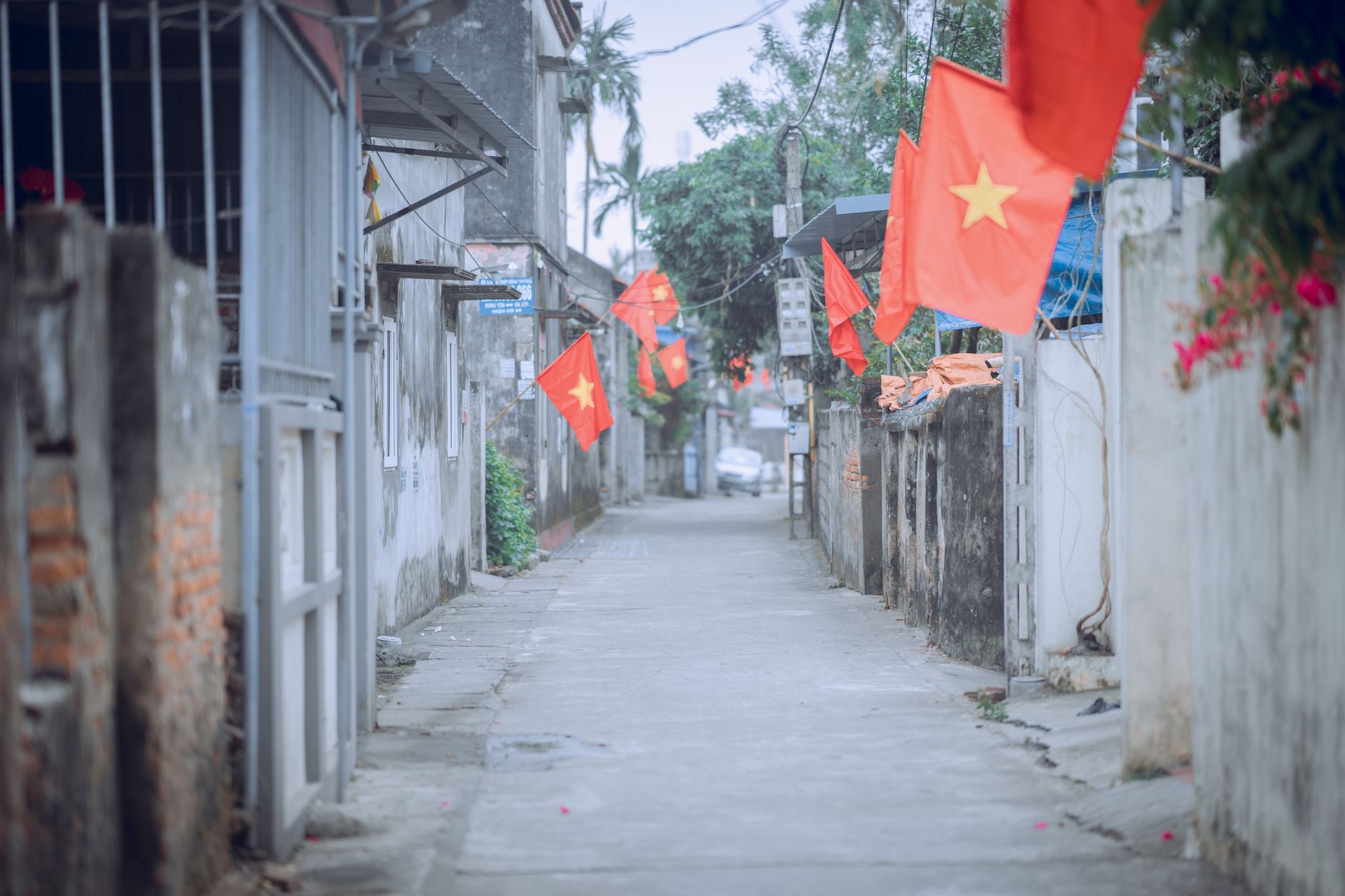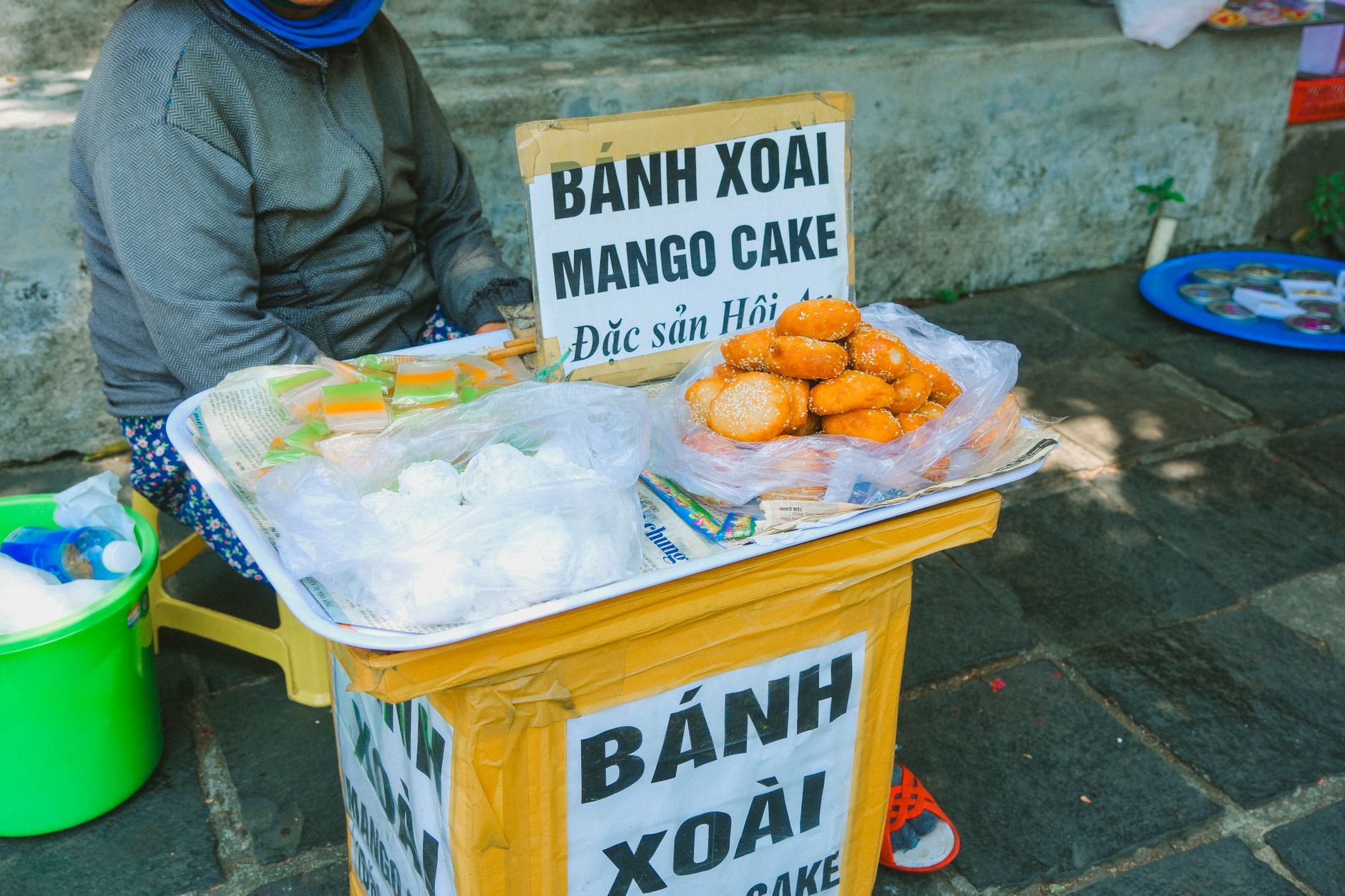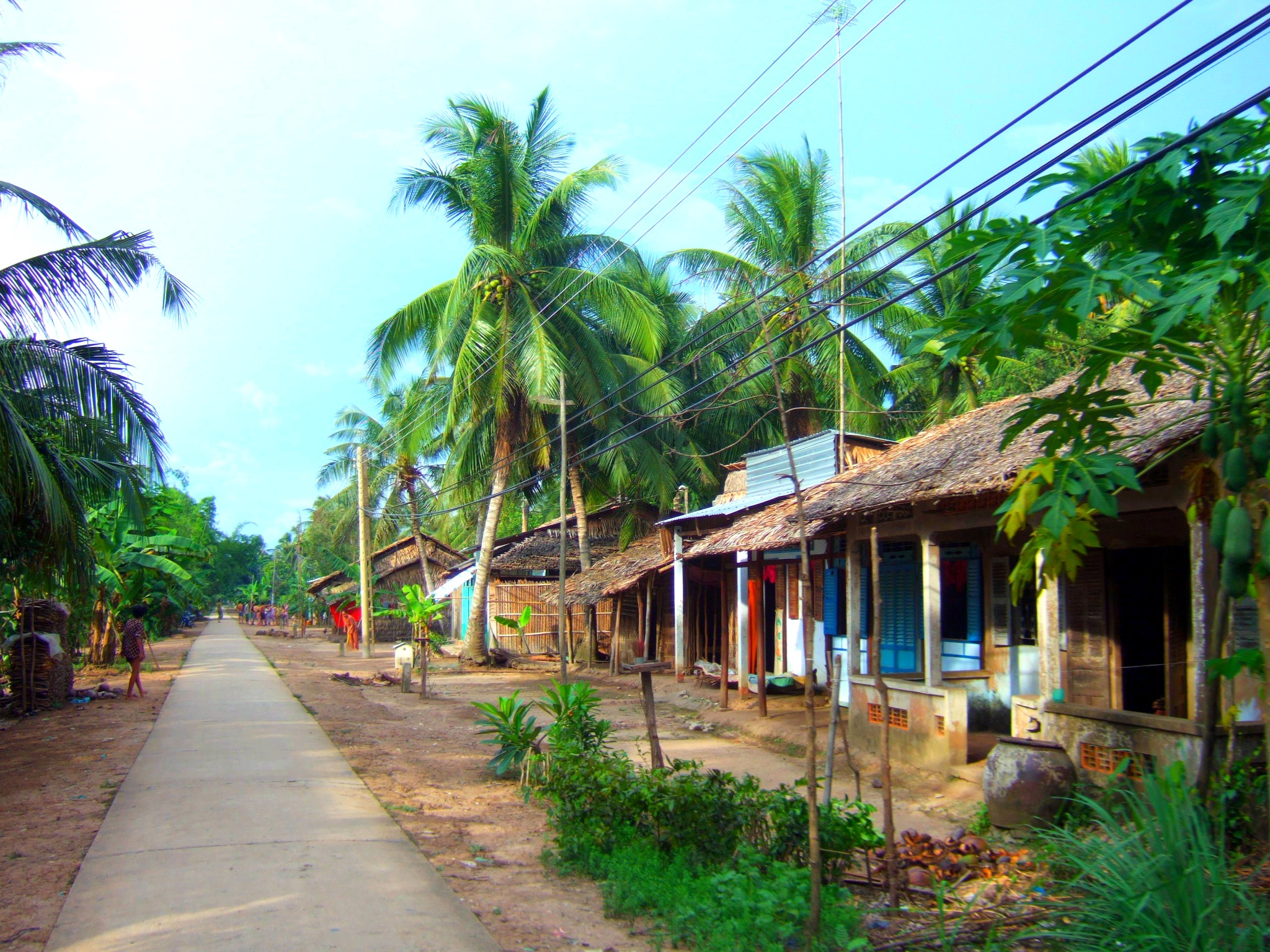
Soc Trang sits in the southern Mekong Delta (메콩 델타 / 湄公河三角洲 / メコンデルタ), 231 kilometers from Ho Chi Minh City. Its name comes from the Khmer "Srok Khleang"—meaning "Land of Depositories"—a nod to its historical role as a storage hub. What draws visitors now is the blend of Vietnamese and Khmer cultures, visible in everything from daily life along the Maspero River to the pagodas scattered across the province.
The Khmer Pagodas
Soc Trang's religious architecture sets it apart. These aren't just worship sites; they're architectural statements and windows into local devotion.
Bat Pagoda (Mahatup), in Ward 3 of Soc Trang City, is the most famous draw. It's a working Theravada Buddhist monastery—and home to hundreds of fruit bats. At dusk, they wake and scatter across the city. The experience feels closer to wildlife encounter than temple visit. There's no entry fee, but a donation box sits near the main hall—20,000–50,000 VND is a reasonable contribution. The grounds open around 6:00 a.m. and close at 6:00 p.m., though the best time to show up is between 5:00 and 5:30 p.m. when the bats start stirring. A resident monk sometimes walks the grounds and will talk about the pagoda's history if you ask politely. Try "Xin chao, cho toi hoi" ("Hello, may I ask") to open the conversation.
Khleang Pagoda, in Ward 6, showcases Khmer architectural style in full: sloped roofs, ornate carvings, a sense of deliberate craftsmanship. It dates back over 400 years and houses a small museum of Khmer cultural artifacts—traditional textiles, wooden tools, old palm-leaf manuscripts. If you've visited the Imperial Citadel in Hue and appreciated Vietnamese royal heritage, Khleang offers the Khmer counterpart in a quieter, more personal setting. Buu Son Pagoda (Clay Pagoda) is nearby, known for intricate clay sculptures—human figures, animals, religious motifs—all carved and assembled on-site. It's raw craftwork, not mass-produced souvenir material. The pagoda sits about 2 km from Khleang, easy to combine in a single morning walk or short motorbike ride.
La Han Pagoda in Ward 8 rounds out the circuit. Som Rong Temple, with its stupa, adds another layer of spiritual geography. Its large reclining Buddha statue—visible from the road—makes it the easiest pagoda to spot, and the surrounding gardens are well maintained enough to justify sitting for twenty minutes doing nothing at all.
Geography and River Life
Two rivers define the landscape: the Hau River and the My Thanh River. Soc Trang has a 72-kilometer coastline, but the real appeal is inland—low-lying, flat terrain crisscrossed by waterways and rice paddies.
The province was historically divided into 8 districts and 2 district-level towns (Vinh Chau and Nga Nam are the notable ones for travelers). Soc Trang City, the former capital, remains the hub for exploring temples, eating local food, and finding river-based boat tours. The Maspero River, which cuts through the city, is where you see morning fish drying, kids playing, vendors setting up.
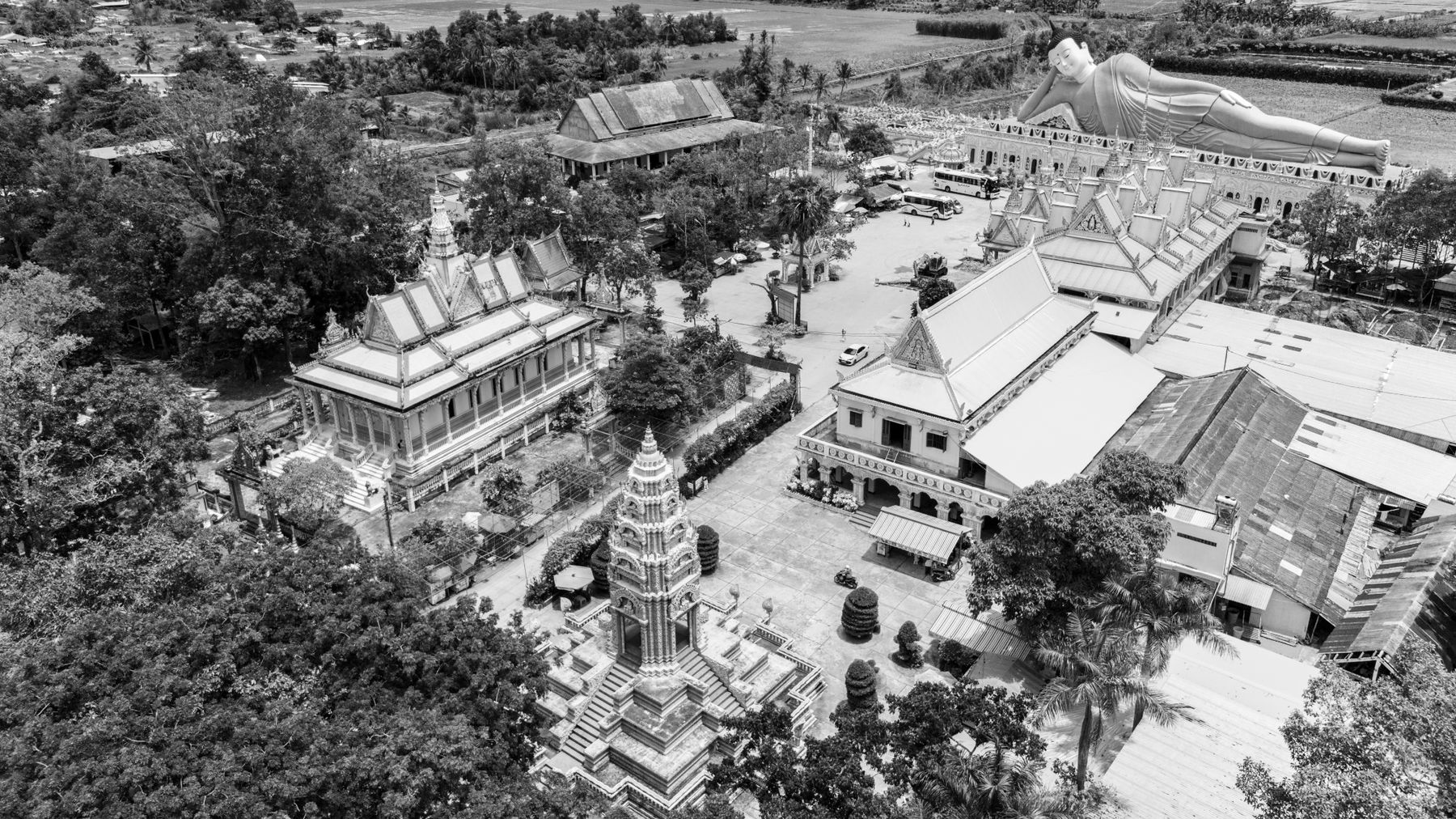
Photo by Duy Nguyen on Pexels
What to Eat in Soc Trang
Food here reflects the Khmer-Vietnamese overlap, and a few dishes are genuinely local—not just regional Mekong Delta staples you can find anywhere south of Saigon.
"Bun nuoc leo" is the signature dish. It's a rice-vermicelli soup with a broth made from fermented fish ("mam") and pounded lemongrass, topped with roasted pork, shrimp, and fresh herbs. The flavor is deep, funky, and savory in a way that's different from "pho" or bun rieu. Look for it at market stalls near Soc Trang Central Market (Cho Soc Trang) on Hai Ba Trung Street. A bowl runs 25,000–35,000 VND. Best eaten for breakfast or early lunch—by 1:00 p.m. most stalls have sold out.
"Banh pia" is the province's famous pastry: a flaky, layered cake filled with durian and mung bean, or taro, or pandan. Vuong Hong bakery on Le Loi Street is one of the older producers. A box of 6 costs around 60,000–80,000 VND and travels well if you're continuing through the delta. It pairs surprisingly well with "ca phe sua da" (iced milk coffee) from any streetside "quan ca phe."
For something more familiar, com tam (broken rice with grilled pork) and hu tieu are everywhere. The hu tieu here leans toward the clear-broth Mekong style—lighter than what you'd get in Saigon, heavier on fresh herbs and bean sprouts. Expect 30,000–45,000 VND per serving at local shops.
Nga Nam floating market, about 60 km southwest of Soc Trang City, is worth a detour for anyone interested in food sourcing. It's smaller and less touristy than the floating markets near Can Tho. Boats sell seasonal fruit, vegetables, and fresh fish starting around 5:00 a.m. The market winds down by 8:00 a.m. Hire a boat from the Nga Nam town dock—expect to pay around 150,000–250,000 VND for a 30–40 minute loop.
Getting Around and What to Expect
Soc Trang is not a tourist hotspot like Hoi An or Ha Long Bay. That's partly its appeal. You'll encounter fewer tour groups, lower prices, and a stronger sense of unfiltered local routine. Budget accommodations cluster in Soc Trang City; restaurants serve straightforward Mekong fare—river fish, rice, seasonal vegetables.
Best visited as part of a broader Mekong Delta loop: Soc Trang → Can Tho → Chau Doc, or as a quieter alternative to the busier delta towns. Pagoda visits work best early morning (6–8 a.m.) before heat peaks and crowds arrive (though crowds are modest).
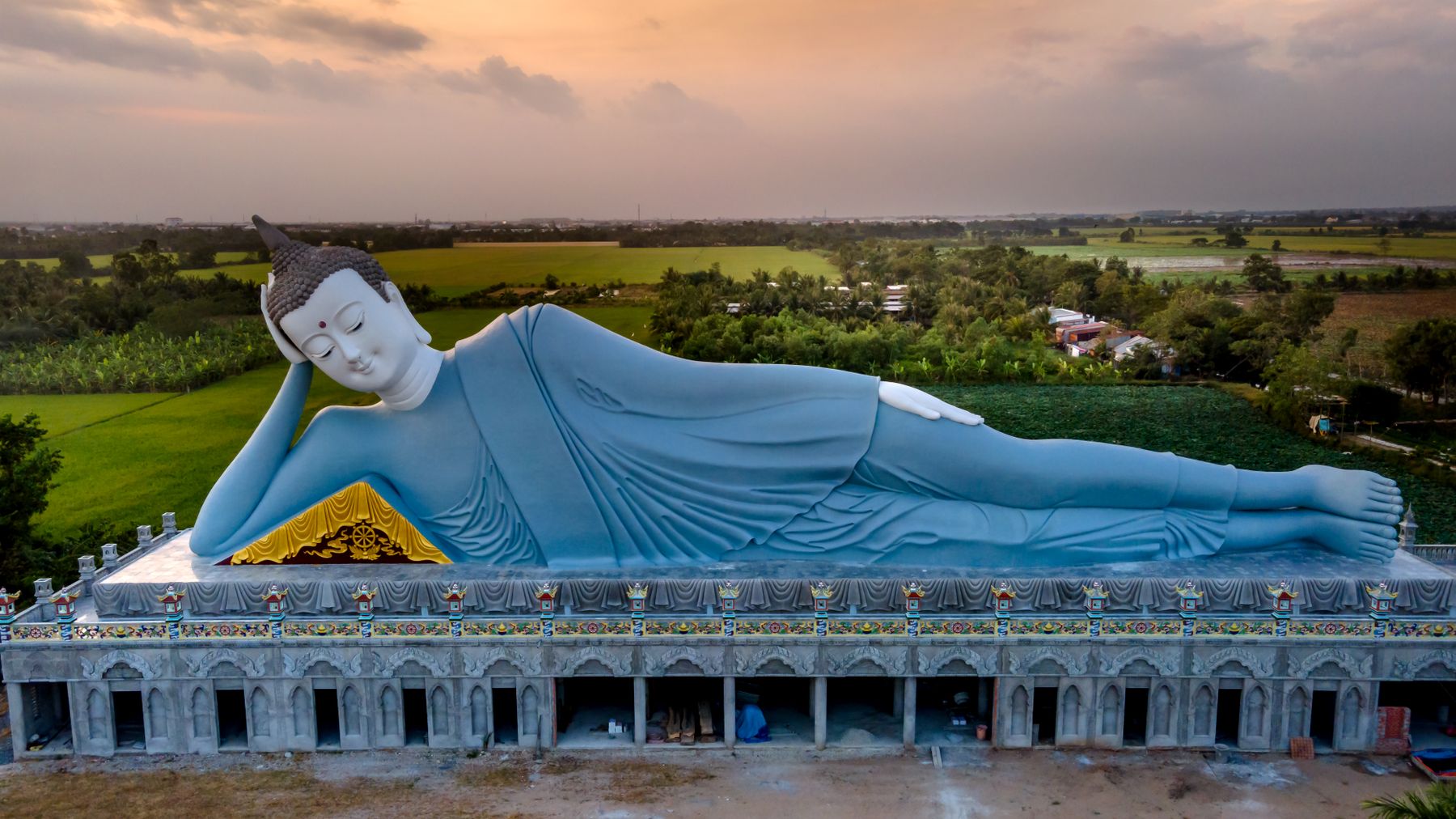
Photo by Quang Nguyen Vinh on Pexels
Oc Om Boc and the Boat Racing Festival
If you can time your trip, the annual "Oc Om Boc" festival (usually in October or November, tied to the Khmer lunar calendar) is the province's biggest cultural event. It centers on the "ngo" boat races on the Maspero River—long, narrow boats with 40-plus rowers, competing in heats that draw thousands of local spectators along the riverbanks.
The festival also includes offerings to the moon god, lantern releases on the river, and temporary food stalls selling Khmer sweets and grilled skewers. It's a genuine community event, not a staged performance for visitors. Accommodation in Soc Trang City fills up during the festival weekend, so book a few days ahead. Room rates at basic guesthouses jump from the usual 200,000–350,000 VND per night to closer to 400,000–500,000 VND.
Outside of festival season, Soc Trang's calendar is quiet. That silence is part of the point.
What Surprises Foreigners
The Khmer language is everywhere. Signage at pagodas, chanting from temple loudspeakers at dawn, conversations at the market—Soc Trang has one of the highest concentrations of Khmer-Vietnamese people in the country. This isn't Cambodia, but the cultural footprint is unmistakable. If you've traveled in Phnom Penh, you'll recognize script on temple walls.
The bats are not optional. At Bat Pagoda, they hang in the trees directly above the courtyard. They're large fruit bats, not cave-dwelling microbats. Guano falls freely. Wear a hat, don't carry open food, and accept the situation. It's a working monastery with a bat colony, not a manicured attraction.
There's no ATM network to speak of outside the city center. Soc Trang City has a handful of ATMs (Vietcombank and Agribank branches along Tran Hung Dao Street), but once you head toward Vinh Chau or Nga Nam, cash is king. Carry enough VND for a full day—500,000 to 1,000,000 VND should cover food, transport, and incidentals.
Motorbike taxis ("xe om") don't use apps here. In Saigon or Hanoi, you'd open Grab. In Soc Trang, you flag a driver at a street corner, agree on a price, and go. A ride across town runs about 15,000–30,000 VND. For longer trips to outlying pagodas, renting a motorbike through your guesthouse (120,000–150,000 VND per day) is more practical.
The food schedule is early. Markets peak by 7:00 a.m. Bun nuoc leo stalls close after lunch. Dinner options in the city are limited after 8:00 p.m. If you're used to Saigon's all-hours eating culture or the late-night banh mi runs of Da Nang, adjust your clock.
Quick Reference
- Distance from Ho Chi Minh City: 231 km (3–3.5 hours by car or bus)
- Distance from Can Tho: 60 km (1–1.5 hours)
- Bus: Phuong Trang (FUTA) runs daily buses from Saigon's Mien Tay station to Soc Trang bus station; tickets around 130,000–160,000 VND
- Best months: November to April (dry season); October/November for Oc Om Boc festival
- Budget accommodation: 200,000–350,000 VND per night (basic guesthouses in Soc Trang City)
- Key pagodas: Bat Pagoda (Mahatup), Khleang Pagoda, Buu Son (Clay) Pagoda, La Han Pagoda, Som Rong Temple
- Signature dish: Bun nuoc leo (25,000–35,000 VND per bowl)
- Signature pastry: Banh pia (60,000–80,000 VND per box)
- ATMs: Vietcombank, Agribank on Tran Hung Dao Street in Soc Trang City
- Useful phrase: "Bao nhieu tien?" ("How much?")
On the Ground
The province underwent administrative restructuring in mid-2025, merging into a larger city administration, but the towns and pagodas remain accessible. Local transport is cheap (shared minibuses, motorbike taxis). Street-level food—breakfast "pho", bun cha, fresh sugarcane juice—is abundant and costs 20,000–40,000 VND.
Soc Trang doesn't offer the dramatic landscapes or famous-name sites of northern or central Vietnam. What it offers is slower immersion: river time, temple quiet, a genuine glimpse of how the Mekong Delta functions when tourists aren't the main event.
Final Note
Soc Trang rewards the kind of traveler who doesn't need a checklist. You come here to sit in a pagoda courtyard at 6:30 a.m. while monks chant and bats resettle overhead, to eat a bowl of bun nuoc leo at a market stall where nobody speaks English, to watch the Maspero River do nothing in particular. It's not trying to impress you—and that's exactly why it stays with you.
Last updated · May 29, 2026 · independently researched, never sponsored.