Ta Con Airstrip sits on a red-earth plateau near the town of Khe Sanh in what is now Quang Binh province (following the merger of the former Quang Tri province). It's one of the most tangible war-history sites in central Vietnam (베트남 / 越南 / ベトナム) — a place where rusted helicopters, sandbagged bunkers, and a small museum tell the story of the 77-day siege of Khe Sanh Combat Base in early 1968.
What it is and why it matters
Ta Con was the main airstrip for the American military base at Khe Sanh, a remote outpost in the hills near the Lao border. During the siege from January to April 1968, the base became one of the most intensely fought-over positions of the war. The airstrip was the lifeline — supplies came in by cargo plane under fire, and wounded soldiers went out the same way.
Today the site operates as the Khe Sanh Combat Base Museum. The original runway is still visible, and the grounds are dotted with decommissioned military hardware: UH-1 Huey helicopters, tanks, artillery pieces, and a C-130 transport plane. A small exhibition hall houses photographs, maps, and personal artifacts from both sides of the conflict.
For anyone traveling the former DMZ corridor, Ta Con is a key stop — arguably the most evocative site on the route.
Why travelers go
Most visitors come as part of a DMZ tour from Hue or Dong Ha. But Ta Con rewards a slower, more independent visit. The plateau sits at roughly 500 meters elevation, surrounded by coffee plantations and pepper farms. The landscape itself is striking — rolling red hills, thick vegetation creeping back over what was once bare, cratered ground. It's a place where the contrast between past and present hits you without anyone needing to explain it.
History aside, it's also a window into rural life in the central highlands (중부 고원 / 中部高原 / 中部高原) borderlands. Khe Sanh town has a frontier feel — Van Kieu ethnic minority communities, weekend markets, and roads that wind toward the Lao border crossing at Lao Bao.
Best time to visit
The dry season from March to August is ideal. The plateau gets cool mornings and warm afternoons, and the red laterite soil stays firm underfoot. September through February brings heavy rain — the museum grounds turn muddy, and fog can settle over the hills for days. If you're combining with a broader Hue or Phong Nha trip, April and May offer the best overlap of decent weather across the region.
How to get there
From Hue (the nearest major hub): Drive west on the Ho Chi Minh Highway (QL14) or take National Road 1A north to Dong Ha, then head west on QL9. Total distance is about 170 km. By private car or motorbike, expect 3–3.5 hours. A hired car with driver from Hue runs around 1,500,000–2,000,000 VND for a day trip that includes Ta Con and other DMZ sites.
From Dong Ha (the former Quang Tri provincial capital): Head west on QL9, about 65 km. By motorbike it takes roughly 1.5 hours. Local buses run the Dong Ha–Lao Bao route and can drop you at Khe Sanh town, from which the airstrip is about 2 km south. Bus fare is around 50,000–70,000 VND.
From Phong Nha: If you're coming from the caves, it's about 200 km south via the Ho Chi Minh Highway. A scenic ride, but count on 4–5 hours by motorbike with stops.

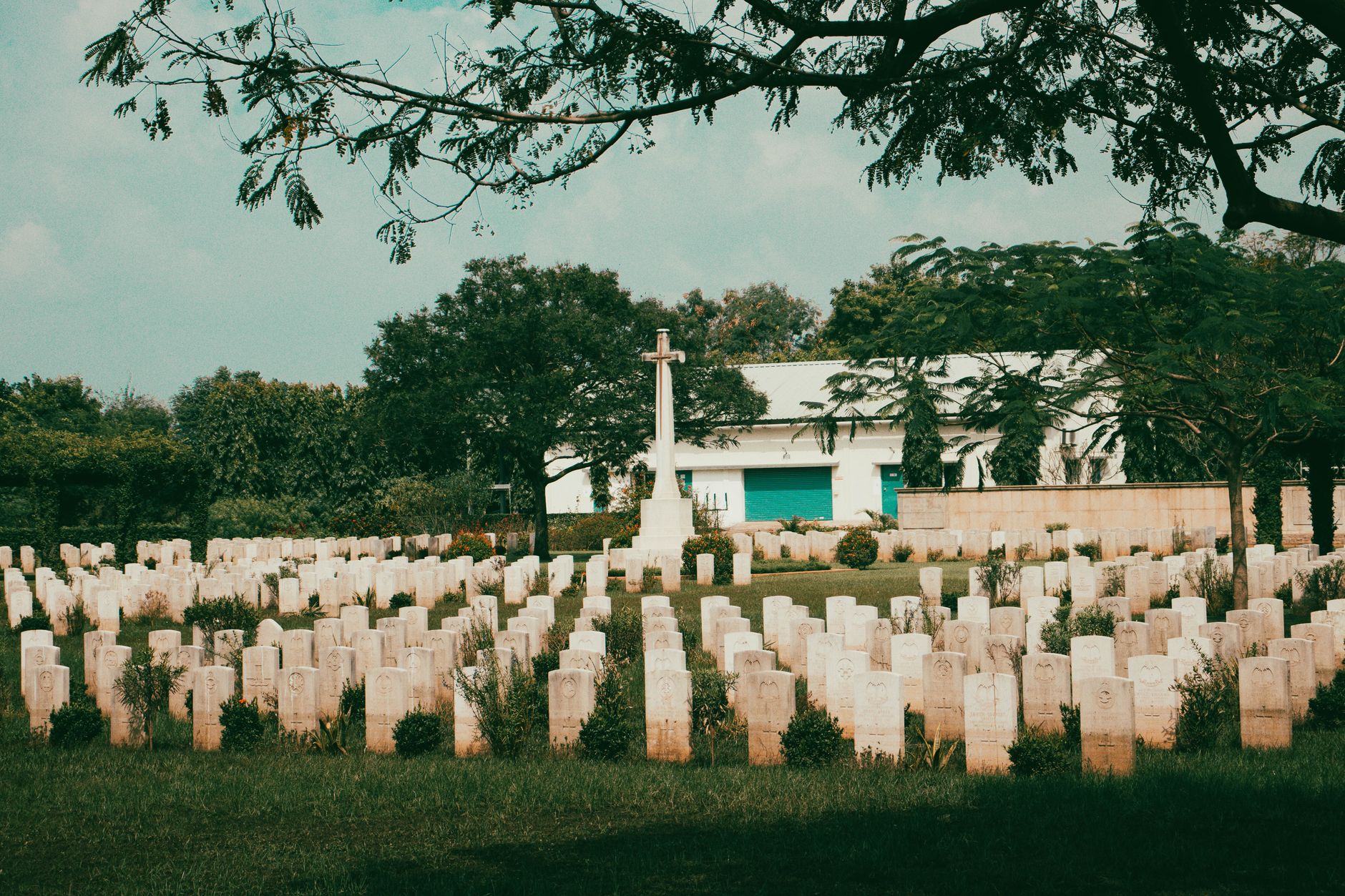
Photo by Du Tử Mộng on Pexels
What to do
Walk the runway and bunker network
The old airstrip runs roughly 1,200 meters. Walk the full length — the scale of the base only makes sense on foot. Reconstructed bunkers along the perimeter give a sense of the defensive positions. The command bunker is partially underground and claustrophobically small.
Spend time in the exhibition hall
The museum is modest but well-organized. Aerial photographs from 1968 overlaid on the current landscape are particularly effective. Entry is about 40,000 VND. Allow 30–45 minutes.
Examine the military hardware up close
The Huey helicopters and the C-130 are the main draws, but don't skip the smaller pieces — mortar tubes, communication equipment, medical stretchers. They humanize the history in ways the big machines don't.
Drive to the nearby hilltop positions
Several former fire support bases sit on hills within 10 km of Ta Con. The roads are rough but passable by motorbike. These spots are usually deserted and offer wide views over the plateau. Ask at the museum ticket office for directions — they're not well-signposted.
Visit the Khe Sanh town market
The morning market (busiest before 8 AM) is small and local. Van Kieu women sell forest herbs, fresh pepper, and handwoven textiles. It's not a tourist market, so prices are honest and no one hassles you.
Where to eat nearby
Khe Sanh town has a handful of "com binh dan" (everyday rice) shops along the main road. Look for "bun bo" — the central Vietnamese beef noodle soup that's a regional staple here, leaning closer to the Hue style with its lemongrass-chili broth. A bowl runs 30,000–40,000 VND.
For something more specific to the area, try "com hen" (baby clam rice) if any vendor has it — it occasionally appears at lunch spots. Otherwise, grilled chicken with pepper salt made from local Khe Sanh pepper is the thing to order at any sit-down place. A chicken plate with rice and sides goes for about 80,000–120,000 VND.
Where to stay
Khe Sanh town has basic guesthouses ("nha nghi") in the 200,000–400,000 VND range — clean enough, with hot water and Wi-Fi, but don't expect luxury. Hung Thanh Guesthouse near the town center is a reliable option.
For more comfort, most travelers base in Dong Ha (more hotel choices, 300,000–800,000 VND) or make Ta Con a day trip from Hue, where accommodation ranges from 250,000 VND hostels to mid-range hotels at 1,000,000–1,500,000 VND.

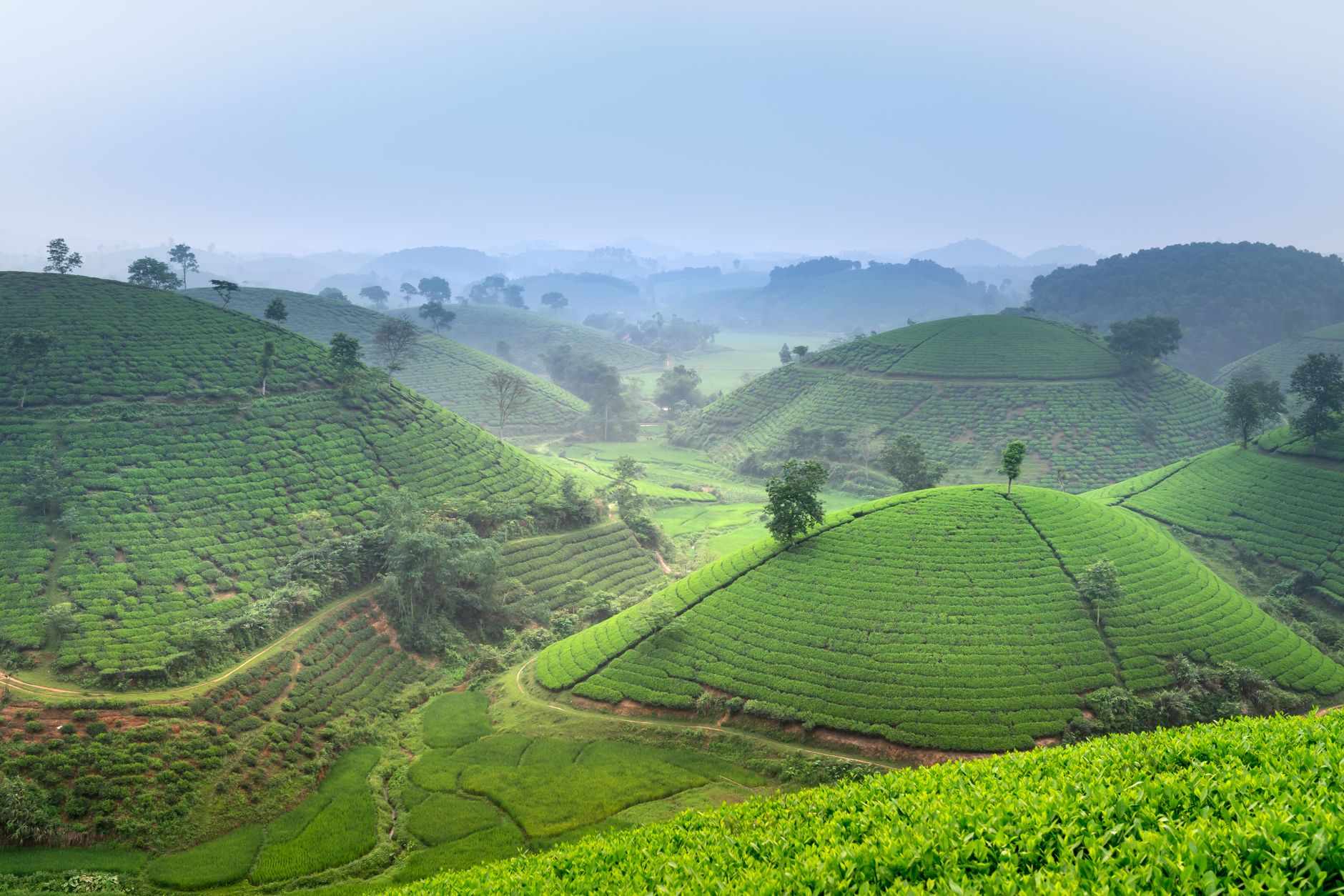
Photo by XT7 Core on Pexels
Practical tips locals would tell you
- Bring water and sunscreen. The plateau is exposed and there's no shade on the runway. In dry season it gets properly hot by midday.
- Hire a local guide at the museum if you want deeper context. Guides cost around 200,000–300,000 VND and some are children or grandchildren of people who lived through the siege.
- Fill your fuel tank in Dong Ha if you're on a motorbike. Petrol stations exist along QL9 but they're spaced far apart and some close early.
- Combine with Lao Bao border market — it's only 20 km further west, and worth a look if you have time.
Common mistakes to avoid
- Rushing through on a tour bus. Most DMZ group tours from Hue give you 45 minutes here. That's not enough. If the history matters to you, go independently or book a private tour.
- Skipping the perimeter walk. Most visitors cluster around the helicopters and leave. The bunker reconstructions on the northern edge are quieter and more affecting.
- Visiting in heavy rain. The red clay becomes a slick mess, and the outdoor exhibits lose their impact when you're hiding under an umbrella. Check the forecast and adjust your day if needed.
Practical notes
Ta Con Airstrip / Khe Sanh Combat Base Museum is open daily, roughly 7:00–17:00. Entry is about 40,000 VND. Photography is allowed everywhere. The site pairs naturally with a longer trip through the DMZ zone or as a stopover between Hue and Phong Nha.
Last updated · May 29, 2026 · independently researched, never sponsored.