What Deo Da Deo actually is
Deo Da Deo is a mountain pass cutting through limestone karst along the Ho Chi Minh (호치민 / 胡志明 / ホーチミン) Highway (Duong Ho Chi Minh, also called Highway 15/QL15 on older maps) in western Quang Tri province. It sits at roughly 700 meters elevation, threading between dense jungle ridgelines about 40 km west of Phong Nha. The name translates loosely to "Chiseled Stone Pass" — and once you see the raw, exposed cliff faces flanking the road, the name makes sense.
The pass gained its reputation during the American War as part of the old Ho Chi Minh Trail supply network. Trucks and porters moved through here under heavy jungle canopy, and you can still spot remnants of old military infrastructure along the route. Today it's a paved two-lane road, lightly trafficked, connecting the lowland coast to the highlands near the Lao border.
Most travelers blow through Quang Tri province on the train or bus between Hue and Phong Nha (퐁냐 / 峰牙 / フォンニャ). Deo Da Deo rewards anyone willing to take the slower inland route instead.
Why travelers go
Three reasons, and none of them involve Instagram hashtags.
First, the riding. Whether you're on a motorbike or in a car, the 25 km stretch through the pass is one of the best driving roads in central Vietnam — smooth tarmac, sweeping curves, minimal truck traffic. It's what the Hai Van Pass would feel like if nobody else showed up.
Second, the landscape. Vertical limestone walls, jungle spilling over the ridgeline, mist pooling in the valleys below. The geology here is continuous with the karst system that makes Phong Nha famous, just without the tour buses.
Third, the quiet. You might see a handful of local motorbikes, a logging truck, a couple of long-distance cyclists. That's it. The pass doesn't appear on most tourist itineraries, which is precisely why it's worth the detour.
Best time to visit
The sweet spot is February through April. Skies are mostly clear, temperatures at elevation hover around 22-26°C, and the road is dry.
Avoid September through November. This stretch of the Ho Chi Minh Highway is prone to landslides during heavy rains, and fog can cut visibility to 20 meters on the pass. The road occasionally closes entirely after major storms — there's no advance warning system, just a pile of dirt blocking the lane.
May through August works but expect afternoon thunderstorms. Mornings are usually clear, so start early.
How to get there
The nearest major hub is Dong Hoi, roughly 70 km to the southeast. From Dong Hoi:
- Motorbike: The most popular option. Rent a semi-automatic (Honda Wave or Yamaha Sirius) in Dong Hoi for 150,000-200,000 VND/day. Head west on QL16 toward Phong Nha, then pick up the Ho Chi Minh Highway (QL15) heading north. Total ride time is about 1.5-2 hours depending on stops. The road is well-paved the entire way.
- Car/private driver: Arrange through your hotel in Dong Hoi. Expect 800,000-1,200,000 VND for a full-day trip that includes Deo Da Deo plus stops along the Ho Chi Minh Highway.
- Bus: There's no direct public bus to the pass itself. You can catch a local bus from Dong Hoi heading to the highland towns along the Ho Chi Minh Highway, but schedules are unreliable and you'll be dropped at the base, not on the pass. Not recommended unless you're very patient.
If you're coming from Hue (about 170 km south), the inland route via the Ho Chi Minh Highway through Khe Sanh and then north to the pass makes for a full-day ride through some of the emptiest countryside in Vietnam.

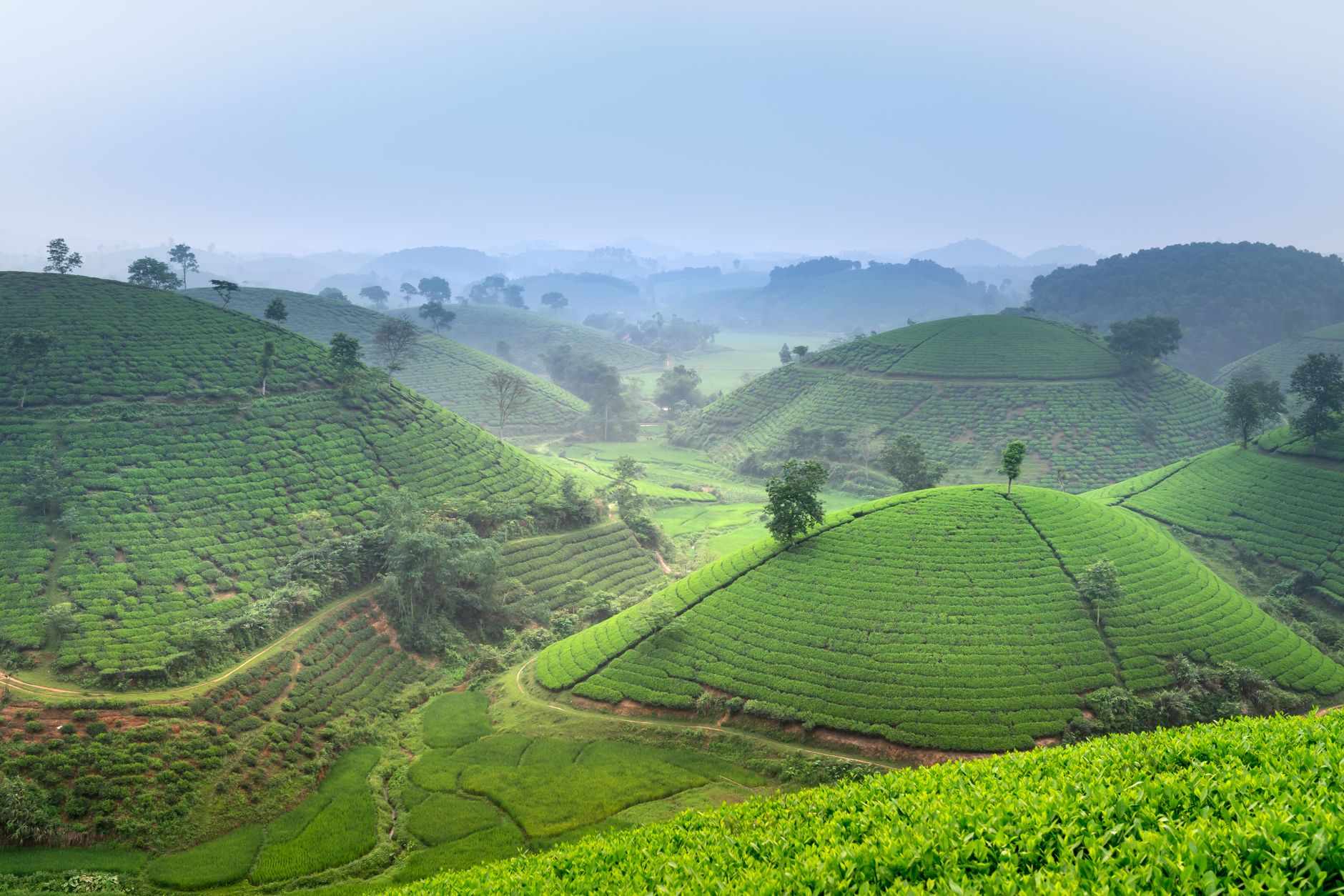
Photo by Tuan Vy on Pexels
What to do
Ride the full pass, both directions
The northbound climb is the dramatic one — tighter switchbacks, the cliff face right beside you, jungle overhead. But don't skip the descent on the other side. The southern approach is more gradual, with wider valley views opening up below. Budget 45 minutes to an hour for the full crossing, with stops.
Stop at the war memorial markers
Several small monuments along the highway mark sites from the Ho Chi Minh Trail era. They're modest — concrete pillars with inscriptions — but they anchor the landscape in its history. This was a supply corridor, not a scenic drive, and the markers remind you of that.
Explore the side roads to minority villages
Small dirt tracks branch off the main highway near both ends of the pass, leading to Van Kieu and Bru ethnic minority hamlets. These aren't tourist villages. Don't expect guesthouses or English signs. But if you ride slowly and wave, people are generally welcoming. Bring small gifts (fruit, snacks from the market) if you plan to stop.
Combine with Phong Nha
Deo Da Deo works best as part of a longer loop. Ride west from Phong Nha, hit the Ho Chi Minh Highway, take the pass north, then loop back east to the coast. The full circuit is about 180 km and makes a solid day trip.
Watch the sunset from the summit
If your timing works out, the western-facing summit area catches good light in the late afternoon. There's a wide shoulder where you can pull off safely. No guardrail, no viewing platform — just you and the valley.
Where to eat nearby
There's almost nothing on the pass itself. Plan accordingly.
At the southern base, small roadside "com binh dan" (everyday rice) shops serve the standard plate: rice, a protein (usually pork or fish), greens, and broth for 30,000-40,000 VND. Look for places with truck drivers parked outside — usual rule applies.
If you loop through the Phong Nha area, seek out "banh cuon" in Bo Trach town, about 50 km southeast of the pass. The rice crepes here come stuffed with minced pork and wood ear mushroom, served with a fish sauce that's sharper and less sweet than what you get further south. A plate runs 20,000-25,000 VND.
For something more substantial, Dong Hoi has a decent seafood scene along Nhat Le beach — grilled squid and "banh xeo" with shrimp are the local go-tos.
Where to stay
There are no hotels on the pass. Your options:
- Dong Hoi: Widest range. Budget guesthouses from 200,000-350,000 VND/night. Mid-range hotels around 500,000-800,000 VND. A few boutique places near Nhat Le beach for 1,000,000+ VND.
- Phong Nha village: Plenty of hostels and homestays catering to backpackers, from 150,000 VND dorm beds to 600,000 VND private rooms. Better atmosphere than Dong Hoi if you want to meet other travelers.
- Khe Sanh: Basic guesthouses if you're approaching from the south via Hue. 200,000-300,000 VND. Don't expect much beyond a bed and a fan.
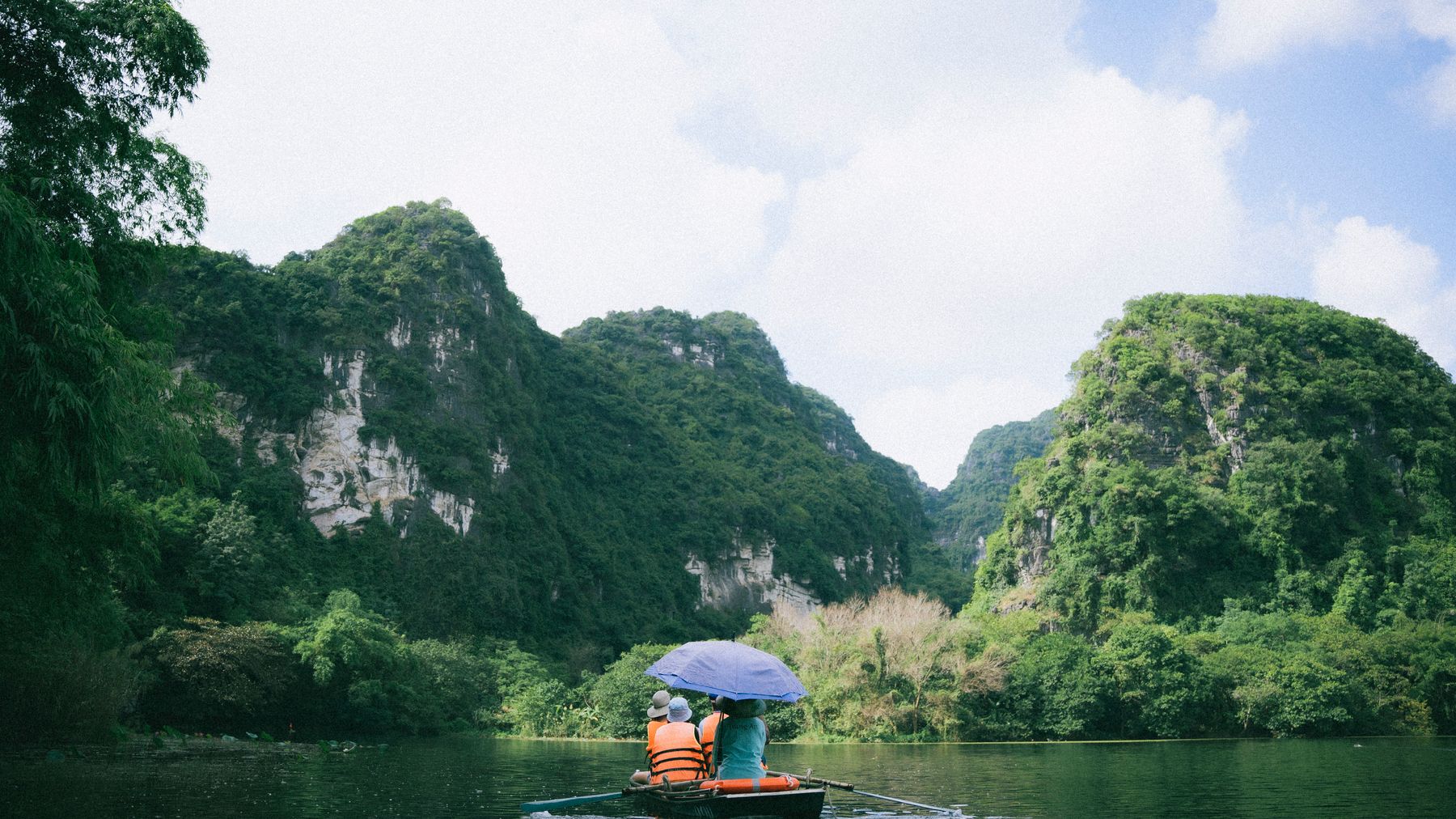
Photo by Bid on Pexels
Practical tips locals would tell you
- Fill your tank in Dong Hoi or Phong Nha. There's one fuel stop near the base of the pass, but its hours are unpredictable. Don't count on it.
- Carry water and a rain jacket. Weather shifts fast at elevation. You can go from dry to soaked in ten minutes.
- Honk before blind corners. Logging trucks use this road and they take the full lane on curves. Short horn blasts are standard practice, not rudeness.
- Phone signal drops out for most of the pass. Download offline maps before you go. Maps.me or Google Maps offline both work.
Common mistakes to avoid
- Attempting the pass in the dark. No street lights, no reflectors, stray animals on the road. Time your ride so you're through before 5 PM.
- Underestimating the distance. On a map it looks like a quick side trip from Phong Nha. In practice, the winding road eats time. Allow a full half-day minimum.
- Wearing shorts and sandals on a motorbike. The jungle sections have biting insects and the road surface can throw gravel. Long pants, closed shoes, and gloves make the ride significantly more comfortable.
Practical notes
Deo Da Deo doesn't need a full day of planning or a tour company. It's a road, a pass, and a reason to take the slow route through central Vietnam. Pair it with a couple of days in Phong Nha, bring a full tank of gas, and leave early. That's all you need.
Last updated · May 29, 2026 · independently researched, never sponsored.