What It Is
Nghia Trang Duong 9 — the Highway 9 National Cemetery — sits about 10 km west of Dong Ha town in Quang Tri province. It holds the remains of over 10,000 Vietnamese soldiers who died along the Route 9 corridor during the war, one of the most heavily contested stretches of road in the country. The cemetery was established in 1977 and expanded over the decades into a landscaped memorial spanning several hectares, with a central monument, individual headstones arranged in careful rows, and groves of frangipani that bloom white through the hot months.
This isn't a place people visit for fun. But if you're traveling through central Vietnam (베트남 / 越南 / ベトナム) and have any interest in the region's 20th-century history, Nghia Trang Duong 9 gives you something no museum can — a sense of scale.
Why Travelers Go
Quang Tri province sits on what was once the DMZ, the former demilitarized zone that divided the country. Route 9 — running east-west from Dong Ha toward the Lao border — was a critical supply and combat route. The Khe Sanh Combat Base, Dakrong Bridge, and the Truong Son (Ho Chi Minh (호치민 / 胡志明 / ホーチミン) Trail) network all connect along this road.
Travelers come here for a few reasons. History students and veterans' families often make this a dedicated stop. Motorcycle tourers riding the Ho Chi Minh Road or crossing from Laos via Lao Bao pass through anyway and find the detour worth the 20 minutes. And for anyone heading to or from Phong Nha, the cemetery sits roughly on the route and provides context for the landscape you're riding through — a landscape still scarred by bomb craters in places.
Best Time to Visit
Quang Tri is hot and dry from March through August, with temperatures regularly above 35°C. The cemetery is mostly open-air with limited shade, so early morning visits (before 9 AM) are far more comfortable. September through November brings rain — sometimes heavy — but the grounds turn intensely green and visitor numbers drop to nearly zero.
The best window is February to April: warm but manageable, relatively dry, and the frangipani trees are in bloom. Avoid mid-June through mid-July if you're sensitive to heat; this is when Quang Tri regularly hits 38-40°C with the Lao wind blowing in from the west.
How to Get There
The nearest major transport hub is Dong Ha, the capital of Quang Tri province.
- From Hue: 70 km north on the AH1. Buses from Hue's southern bus station run frequently (around 60,000-80,000 VND, 1.5 hours). Grab cars cost roughly 500,000-600,000 VND one way.
- From Dong Ha to the cemetery: Head west on Route 9 for about 10 km. A xe om (motorbike taxi) runs 40,000-60,000 VND. If you're on your own motorbike, the road is flat, paved, and well-signed — you can't miss the gate.
- From Da Nang or Hoi An: Take the train or bus to Dong Ha (3-4 hours from Da Nang), then continue by local transport. The SE trains stop at Dong Ha station.
If you're riding the Ho Chi Minh Road south toward Phong Nha, the cemetery is a natural first or last stop before you leave Route 9.

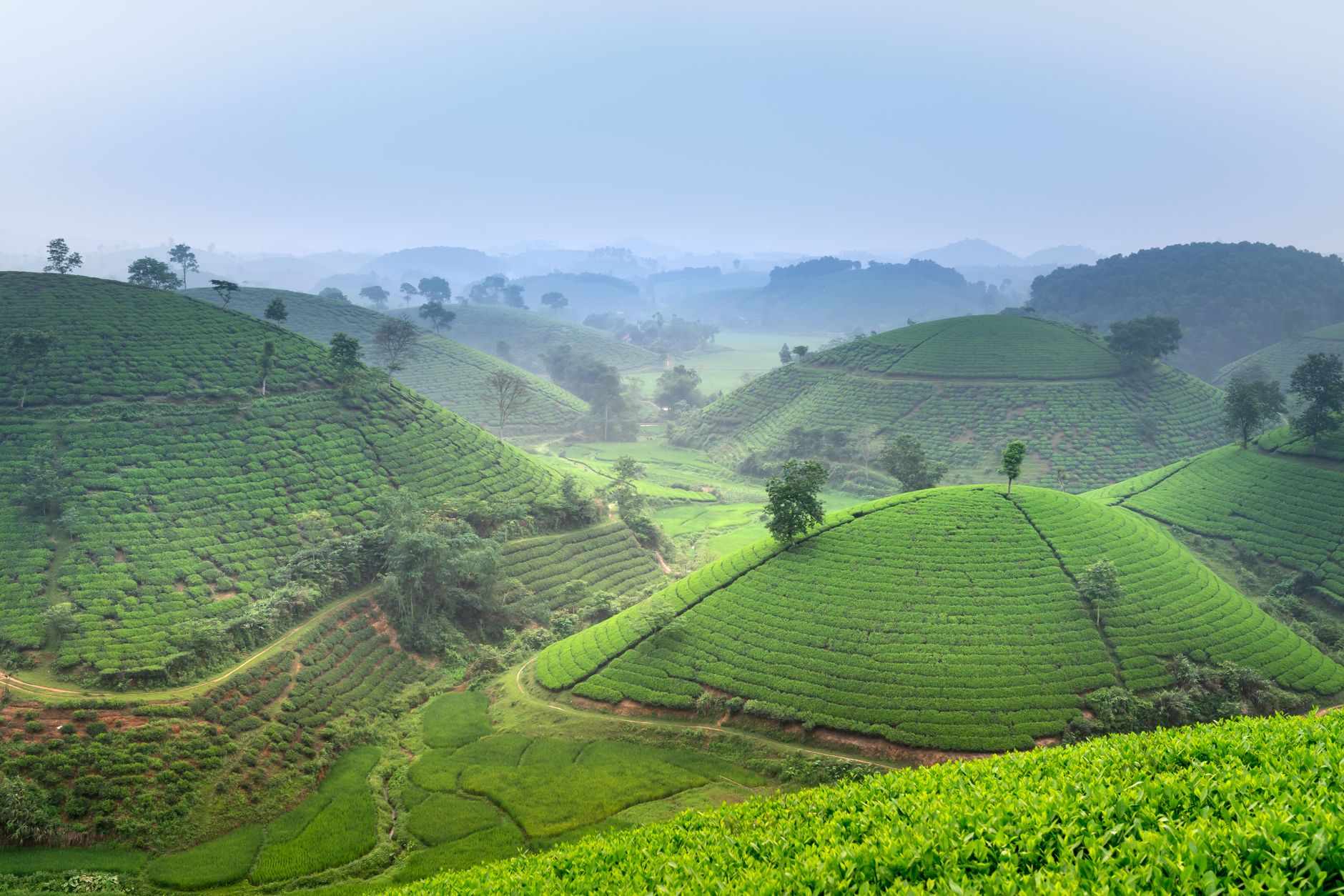
Photo by Anh Tuấn Lê on Pexels
What to Do
Walk the Full Grounds
Most visitors see the central monument, snap a photo, and leave within 15 minutes. If you take the time to walk the full perimeter — through the older sections in the back, past the unnamed graves — you'll get a much deeper sense of the place. Budget 45 minutes to an hour.
Read the Monument Inscriptions
The central stele and surrounding plaques include dates, unit designations, and battle references. Some are translated. Even without Vietnamese, the numbers alone tell a story.
Combine with Khe Sanh and the DMZ Sites
Route 9 continues west past the cemetery to the Dakrong Bridge (about 25 km further) and eventually to the Khe Sanh Combat Base (roughly 60 km from Dong Ha). A full day trip from Dong Ha covering Nghia Trang Duong 9, Dakrong Bridge, and Khe Sanh is the classic DMZ route. You can hire a car and driver in Dong Ha for around 1,200,000-1,500,000 VND for the day, or book through any guesthouse.
Visit the Quang Tri Citadel
Back in Quang Tri town (about 15 km southeast of Dong Ha), the old citadel was nearly leveled during the 81-day battle of 1972. What remains is a memorial park with a small museum. It pairs well with the cemetery as a half-day history loop.
Stop at Truong Son National Cemetery
If the subject draws you in, Truong Son National Cemetery — about 38 km northwest of Dong Ha — is even larger, with over 10,000 graves of soldiers who died along the Ho Chi Minh Trail. The two cemeteries together take a full morning.
Where to Eat Nearby
Dong Ha isn't a food destination, but you can eat well. Look for "banh canh" — the thick tapioca-and-rice noodle soup that's a Quang Tri staple. The local version uses crab or fish broth and has a texture unlike anything you'll find in Hanoi or Saigon. Stalls along Le Duan street in Dong Ha serve bowls for 25,000-35,000 VND.
Also worth trying: "nem chua" from the area. Quang Tri's fermented pork rolls are tangier and more aggressively spiced than the Thanh Hoa version. Buy them wrapped in banana leaf from market vendors for around 5,000-10,000 VND per piece.
Where to Stay
Dong Ha has a handful of decent options:
- Budget: Local nha nghi (guesthouses) along Le Duan or Tran Hung Dao streets, 200,000-350,000 VND/night. Basic but clean enough for one night.
- Mid-range: Muong Thanh and Saigon-Dong Ha hotels, 500,000-800,000 VND/night. Air-con, hot water, reliable wifi.
- Alternative: Some riders prefer to push on to Phong Nha (about 150 km south) and use Dong Ha as a lunch stop only. That's a reasonable plan if you're on a motorbike and leave early.
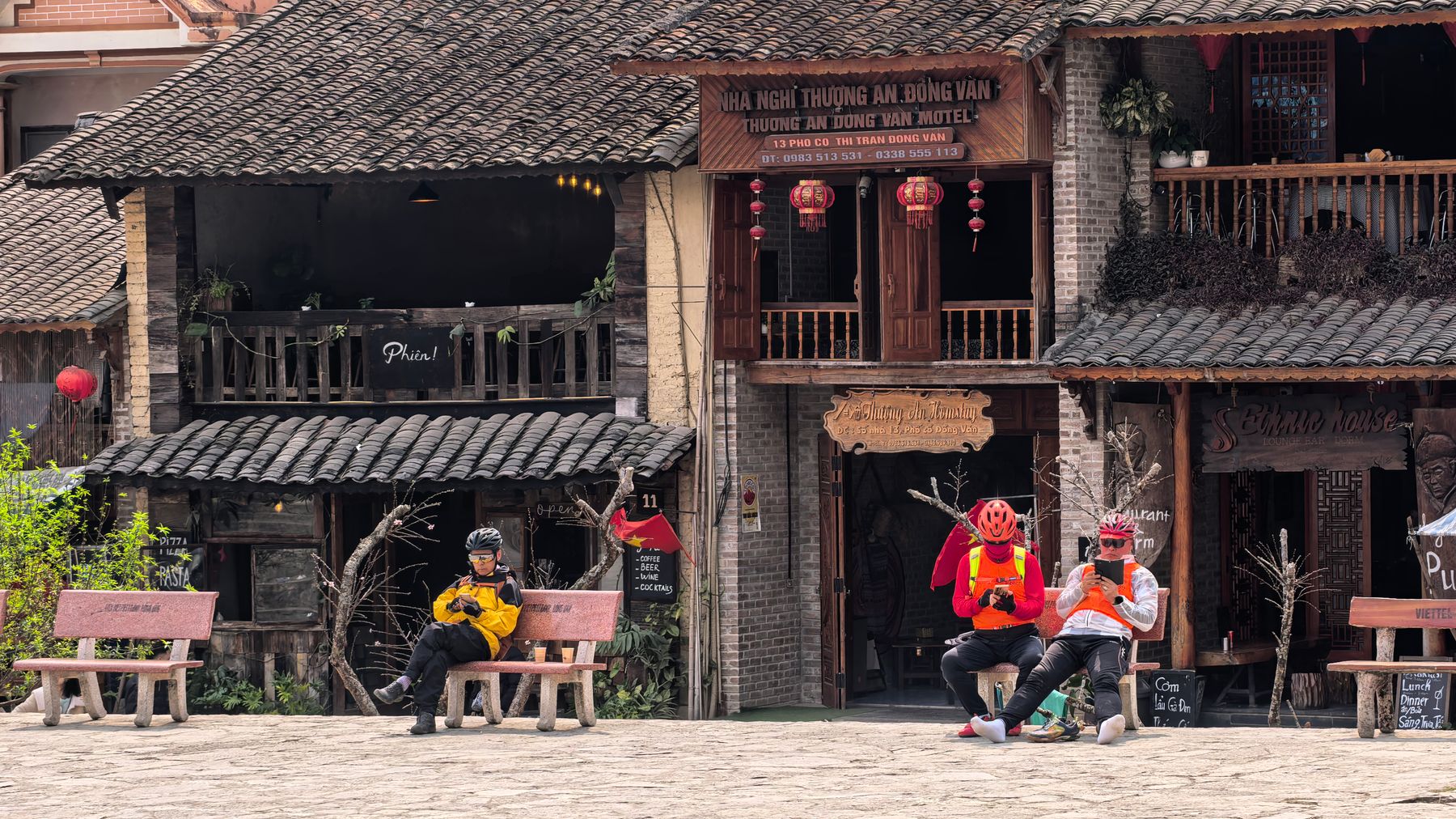
Photo by Vietnam Hidden Light on Pexels
Practical Tips
- Dress modestly. Long pants and covered shoulders. This is a national cemetery, not a tourist attraction. Locals notice.
- Incense is welcome. You can buy sticks at small shops near the gate for 5,000-10,000 VND. Lighting incense at the central monument or individual graves is a respectful gesture.
- No entry fee. The cemetery is free and generally open from sunrise to sunset. There's no ticket booth or guide service on-site.
- Bring water. There's no cafe or vendor inside the grounds, and shade is limited.
Common Mistakes
- Rushing through: This isn't a checkbox stop. If you're only going to spend five minutes, it's barely worth the detour. Give it real time.
- Visiting at midday: The exposed grounds in Quang Tri's heat will flatten you. Go early morning or late afternoon.
- Skipping the Route 9 context: The cemetery means more if you've driven the road. If possible, visit after Khe Sanh or Dakrong, not before — the drive west gives you the landscape that explains why this place exists.
Practical Notes
Nghia Trang Duong 9 fits naturally into any DMZ history day trip or a transit stop between Hue and Phong Nha. It's not a long visit, but it's a grounding one — the kind of place that recalibrates a trip through central Vietnam. Keep it respectful, give it an hour, and carry water.
Last updated · May 29, 2026 · independently researched, never sponsored.