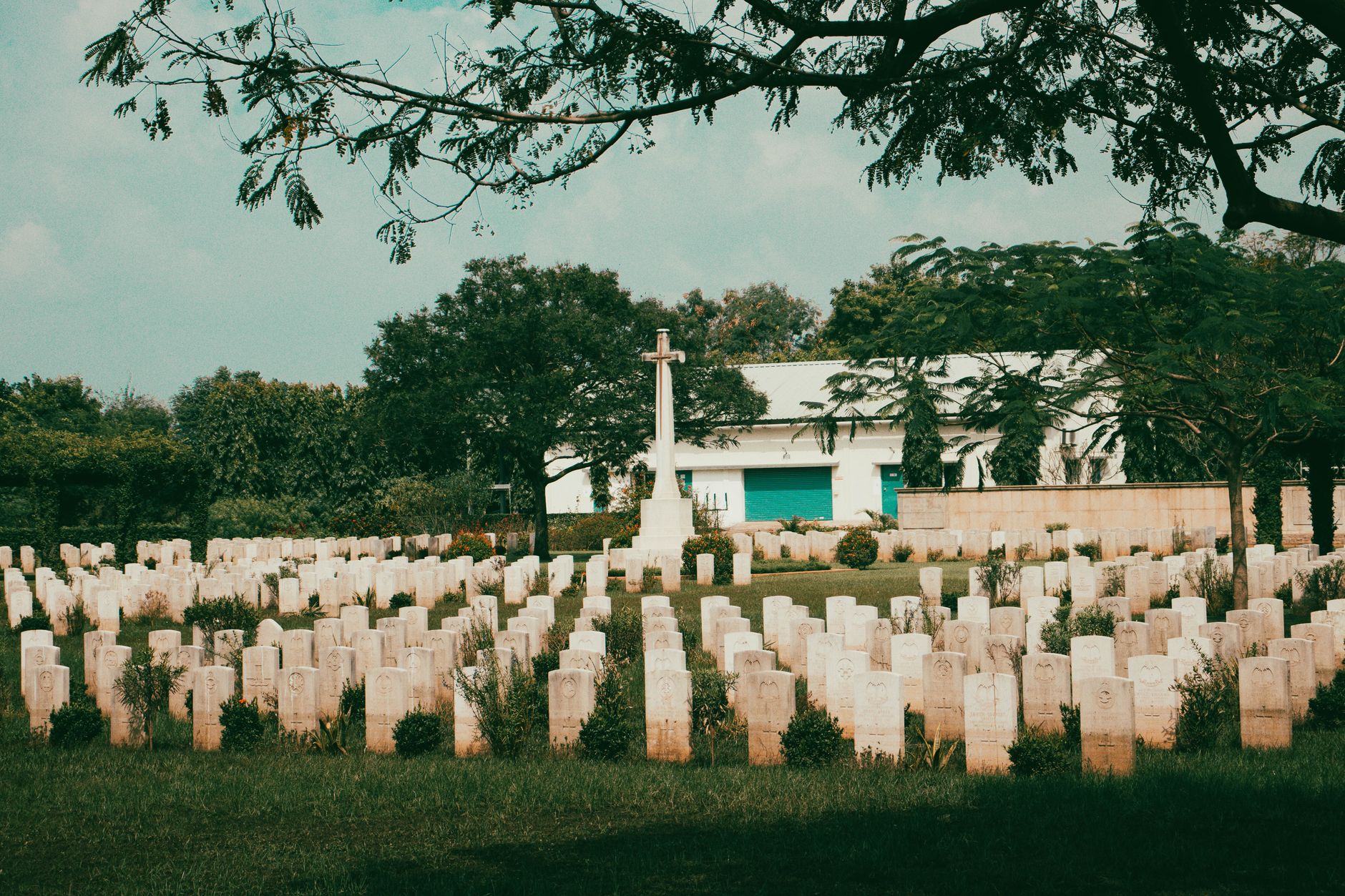
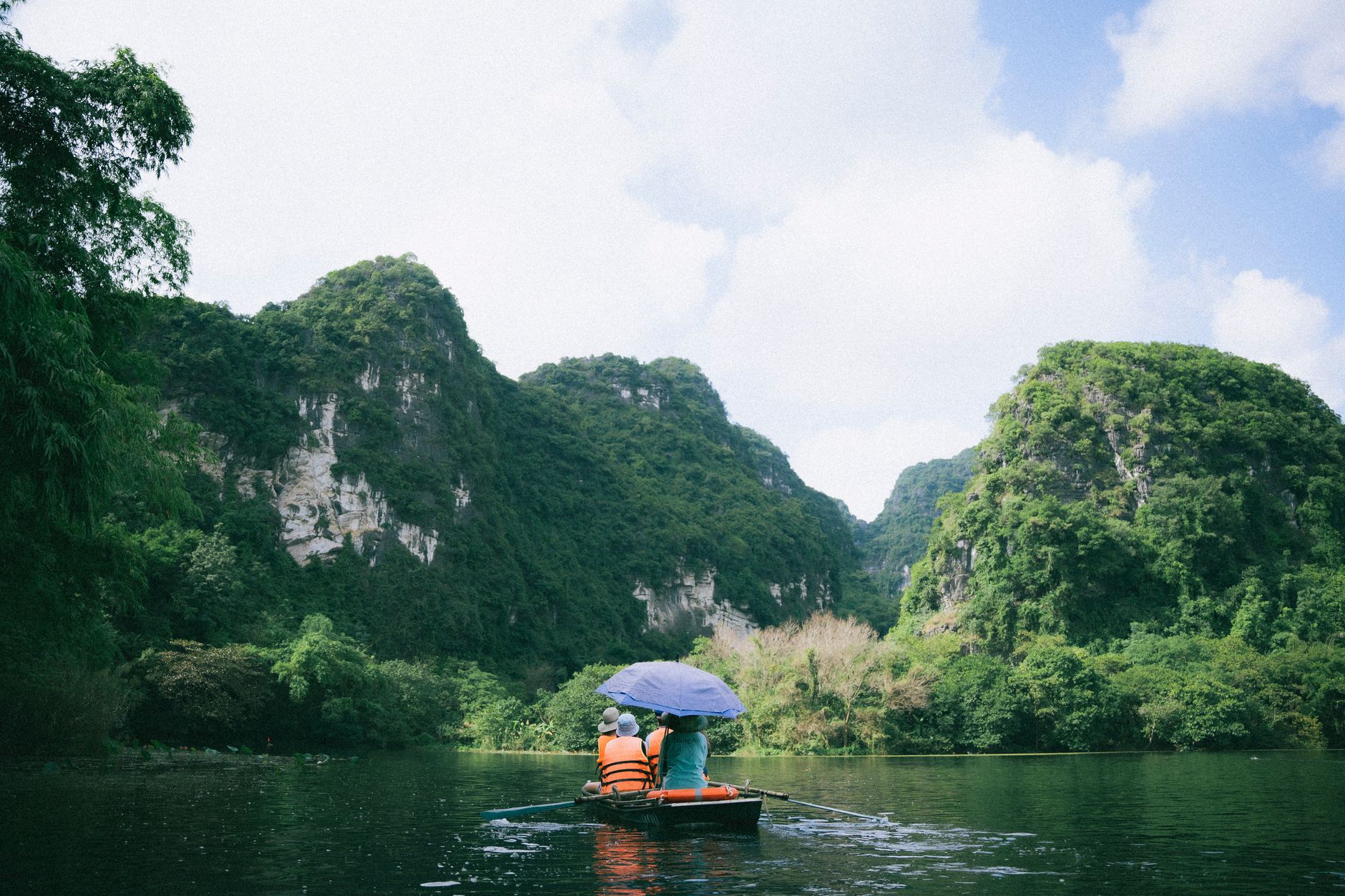
Cua Tung Beach sits where the Ben Hai River meets the East Sea in Quang Tri province, a part of Vietnam (베트남 / 越南 / ベトナム)'s central coast that sees very few foreign visitors. That's precisely what makes it interesting — you get a real coastal town, not a resort zone, with some genuinely good seafood and a beach that empties out by mid-afternoon.
What it is and a bit of history
Cua Tung is a crescent-shaped beach about 3 km long in Vinh Linh district. The sand is fine and pale, the water is shallow for a good distance out, and the whole setting is framed by casuarina trees that provide actual shade — a luxury on Vietnamese beaches.
During the French colonial period, Cua Tung was a favored retreat for officials escaping the Hue humidity. The French nicknamed it "the Queen of Beaches," which is a bit generous, but it gives you a sense of how the place was regarded before war and then decades of obscurity pushed it off the map. The area saw heavy conflict during the American War given its proximity to the former Demilitarized Zone, and traces of that era are visible at nearby historical sites. Today it's a low-key domestic tourism spot that fills up during summer weekends and stays nearly empty the rest of the year.
Why travelers go
Honestly, most don't — and that's the appeal. Cua Tung works for travelers already moving through central Vietnam between Hue (후에 / 顺化 / フエ) and Phong Nha who want a beach day without the scene. There are no jet skis, no thumping speakers, no one trying to sell you a parasailing package. The seafood is fresh and cheap. The pace is genuinely slow. If you've been doing back-to-back temples and caves, a night here resets the clock.
Best time to visit
Aim for April through August. April and May are the sweet spot — warm water, minimal rain, and the summer holiday crowds haven't arrived yet. June through August is hotter (35°C+) and busier with Vietnamese families, but still manageable on weekdays. September through November brings the rainy season and occasional typhoons, so the beach loses its charm. December to March is cool and grey, fine for historical site visits nearby but not ideal for swimming.
How to get there
The nearest major hub is Hue, about 95 km to the south.
- By motorbike or car: Take the AH1 (National Road 1A) north from Hue through Hai Lang, then turn east toward Vinh Linh. The ride takes about 2 hours by motorbike, 1.5 hours by car. Fuel and tolls run under 100,000 VND on a motorbike.
- By bus: Catch a northbound bus from Hue's southern bus station toward Dong Ha (around 60,000–80,000 VND, 1.5 hours). From Dong Ha, local buses or xe om (motorbike taxis) cover the remaining 30 km east to Cua Tung for about 50,000–80,000 VND.
- From Phong Nha: About 160 km north. Most travelers ride or hire a car. Budget 3–3.5 hours with a stop.
Dong Ha, the provincial capital, also has a train station on the Reunification Express line, so you can technically train in from Hanoi or Da Nang and transfer from there.

Photo by Hải Băng on Pexels
What to do
Swim and do very little
The beach shelves gently, making it good for wading even if you're not a strong swimmer. Morning is best — the light is soft, the water is calm, and the fishing boats are still coming in. By noon it's hot enough to retreat to shade.
Walk to Cua Tung Lighthouse
A short walk north of the main beach area, the lighthouse sits on a low headland with a clear view up and down the coast. It's not a major landmark, but the 15-minute walk along the shore is pleasant, and you can watch fishermen mending nets in the rocky coves below.
Visit the Vinh Moc Tunnels
About 6 km north of Cua Tung, the Vinh Moc Tunnels are a network of underground passages where an entire village lived during the American War. Unlike the Cu Chi Tunnels near Saigon, Vinh Moc hasn't been widened for tourists — the tunnels are original size. Entry is around 40,000 VND. Budget an hour. Bring a flashlight or use your phone.
Cross to Con Co Island
From Cua Tung port, boats run to Con Co Island, a small volcanic island about 30 km offshore. The trip takes roughly 2.5 hours on a slow boat. Con Co has basic guesthouses, decent snorkeling, and almost zero infrastructure — it's genuinely remote. Boats don't run daily, so check locally for schedules. Expect to pay around 200,000–300,000 VND for the crossing.
Explore the DMZ historical sites
The former Demilitarized Zone is close. The Hien Luong Bridge over the Ben Hai River — once the dividing line between North and South — is about 8 km west of Cua Tung. There's a small museum on-site. Most people combine this with Vinh Moc in a half-day loop.
Where to eat
Seafood is the reason to eat here. Small restaurants along the beachfront road serve whatever came in that morning — grilled squid, steamed clams, prawns in tamarind sauce. A full seafood spread for two rarely exceeds 250,000–350,000 VND.
Look for "banh canh" ca loc — thick tapioca noodle soup with snakehead fish, a central Vietnamese staple done well in this area. Morning stalls also serve "banh cuon" with shrimp, thinner and lighter than the Hanoi version. If you're heading through Dong Ha, grab a bowl of "bun hen" (baby clam noodle soup) at the market — it's a Hue-region specialty that travels well to Quang Tri.
Where to stay
Accommodation is basic. Don't expect boutique hotels.
- Budget (200,000–400,000 VND/night): Family-run guesthouses along the beach road. Clean enough, fan or basic AC, cold water. Nha Nghi Cua Tung and similar "nha nghi" (guesthouses) are the standard.
- Mid-range (500,000–900,000 VND/night): A handful of mini-hotels with AC, hot water, and sea-view rooms. Cua Tung Resort is the most established option, though "resort" is a generous term — think three-star hotel with a pool.
- Homestays: A few families offer rooms, especially in summer. Ask around at the beach or check local booking apps like Traveloka.

Photo by Hoàng Anh on Pexels
Practical tips locals would tell you
- Bring cash. There are no ATMs in Cua Tung itself. The nearest reliable ATM is in Dong Ha. Card payments are essentially nonexistent here.
- Rent a motorbike in Dong Ha if you don't have your own. It opens up the whole coast and the DMZ sites. Daily rental runs 120,000–150,000 VND.
- Sunscreen and a hat are non-negotiable from May onward. Shade disappears at midday and the UV is no joke.
- Vietnamese coffee is available at a few small cafes in town, but don't expect anything fancy. Bring your own drip setup if you're particular.
Common mistakes to avoid
- Showing up in typhoon season (September–November) and expecting beach weather. The coast gets hammered by storms and the water turns rough and brown.
- Day-tripping from Hue and rushing it. The drive is long enough that a day trip feels exhausting. Stay one night — the evening on the beach is the best part.
- Expecting Da Nang-level infrastructure. No craft cocktail bars, no beach clubs, no English menus. That's the trade-off for having the sand to yourself.
- Skipping Vinh Moc. It's right there and it's one of the most affecting historical sites in Vietnam. Don't miss it just because you came for the beach.
Practical notes
Cua Tung works best as a one or two-night stop on a central Vietnam route between Hue and Phong Nha. Combine it with the DMZ sites and you get a day of history and a day of coast without backtracking. It's not polished, it's not convenient, and it's better for it.
Last updated · May 29, 2026 · independently researched, never sponsored.