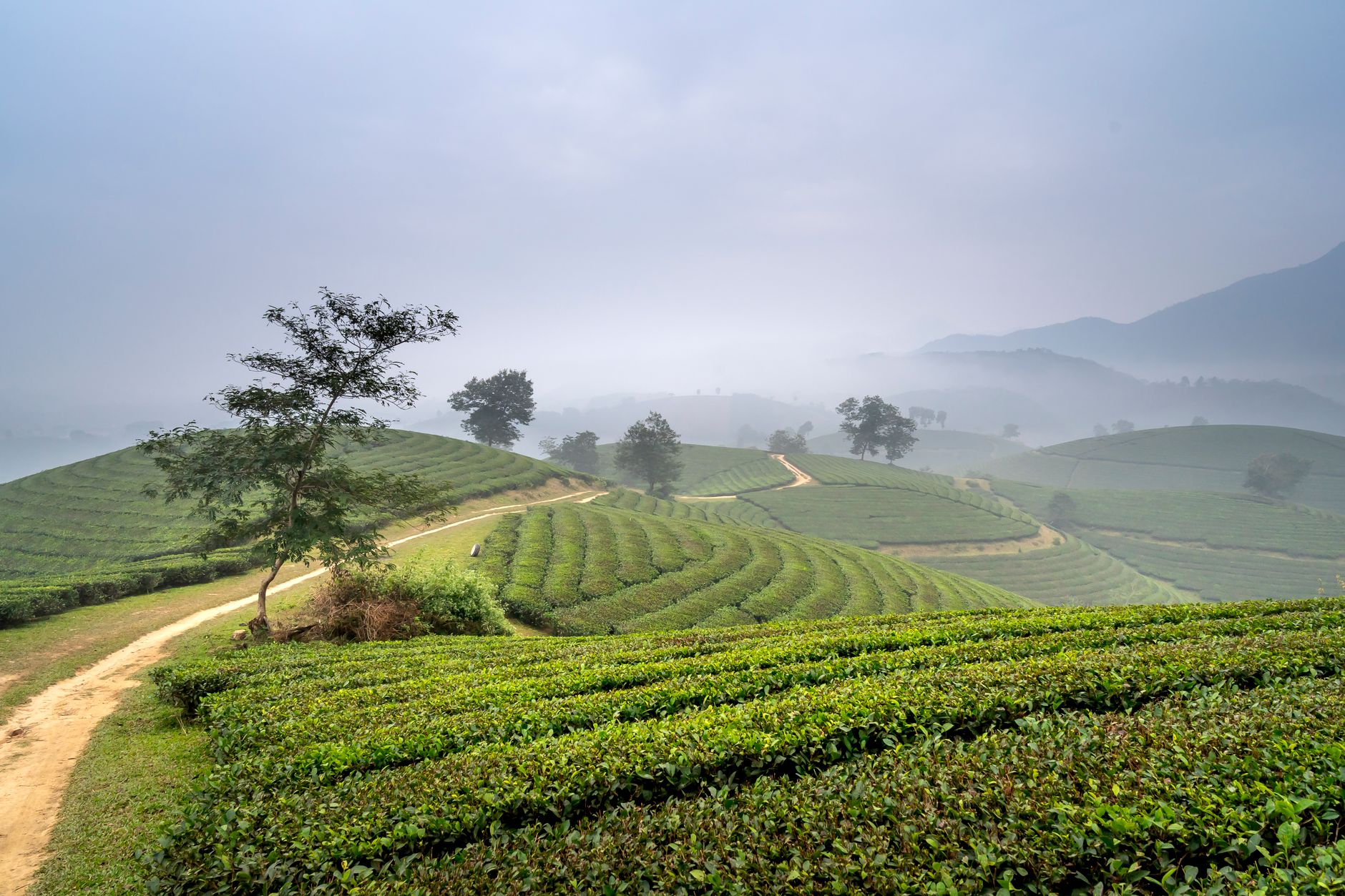
Ta Dung National Park doesn't appear on most travelers' radar, which is precisely why it's worth the detour. Sitting at the edge of Lam Dong province in the Central Highlands (중부 고원 / 中部高原 / 中部高原), the park wraps around the Ta Dung Reservoir — a man-made lake with dozens of small, forested islands that locals sometimes call "Ha Long Bay of the highlands." It's a fair comparison in shape, if not in scale.
What Ta Dung is — and a bit of background
Ta Dung was designated a national park in 2018, carved from what was previously a nature reserve in the former Dak Nong province (now part of expanded Lam Dong following administrative boundary changes). The park covers roughly 21,000 hectares of evergreen and semi-evergreen forest, ranging from 500 to over 1,900 meters in elevation. The centerpiece is the Ta Dung Reservoir, created by a hydroelectric dam on the Dong Nai River. The reservoir's water level and the surrounding jungle canopy give the area its distinctive look — islands poking out of still water, wrapped in mist on cooler mornings.
The park is home to several ethnic minority communities, primarily the Ma and M'Nong peoples, whose stilt houses and small farms dot the area around the reservoir's edge.
Why travelers go
Ta Dung appeals to a specific kind of visitor: someone who wants highland scenery without the tour-bus crowds of Da Lat, 130 km to the southeast. The draw is the reservoir itself — kayaking or boating between islands, camping on their banks, and waking up to fog rolling across the water. It's also a strong pick for birdwatching and light trekking. If you've already done the Da Lat circuit and want something rawer, Ta Dung delivers.
Best time to visit
The dry season, from November through April, is the clear winner. Skies are more reliable, trails are less muddy, and the reservoir sits at a photogenic level. December to February can get cool at higher elevations — expect mornings around 15-18°C, which feels genuinely cold after weeks in Vietnam (베트남 / 越南 / ベトナム)'s lowlands. Avoid June through September if you can; heavy rain turns dirt roads slippery and can make boat trips less pleasant.
How to get there
The nearest major hub is Da Lat. From Da Lat's city center, Ta Dung is about 130 km northwest, a drive of roughly 3.5 to 4 hours depending on road conditions and which route you take.
From Da Lat by motorbike or private car
This is the most practical option. Renting a motorbike in Da Lat costs around 120,000-180,000 VND per day for a semi-auto. The route heads north on QL20, then cuts west — the final stretch on provincial roads is scenic but winding. A private car with driver from Da Lat runs around 1,500,000-2,000,000 VND for a day trip or overnight arrangement.
From Saigon
If you're coming from Saigon, you can take a sleeper bus to Gia Nghia (the former Dak Nong provincial capital, about 40 km from the park entrance), then arrange local transport. Buses run overnight and cost approximately 250,000-350,000 VND. From Gia Nghia, a xe om (motorbike taxi) or local car to the park area is another 200,000-300,000 VND.
There's no public bus directly to the park itself. Plan on having your own wheels or hiring transport for the last leg.
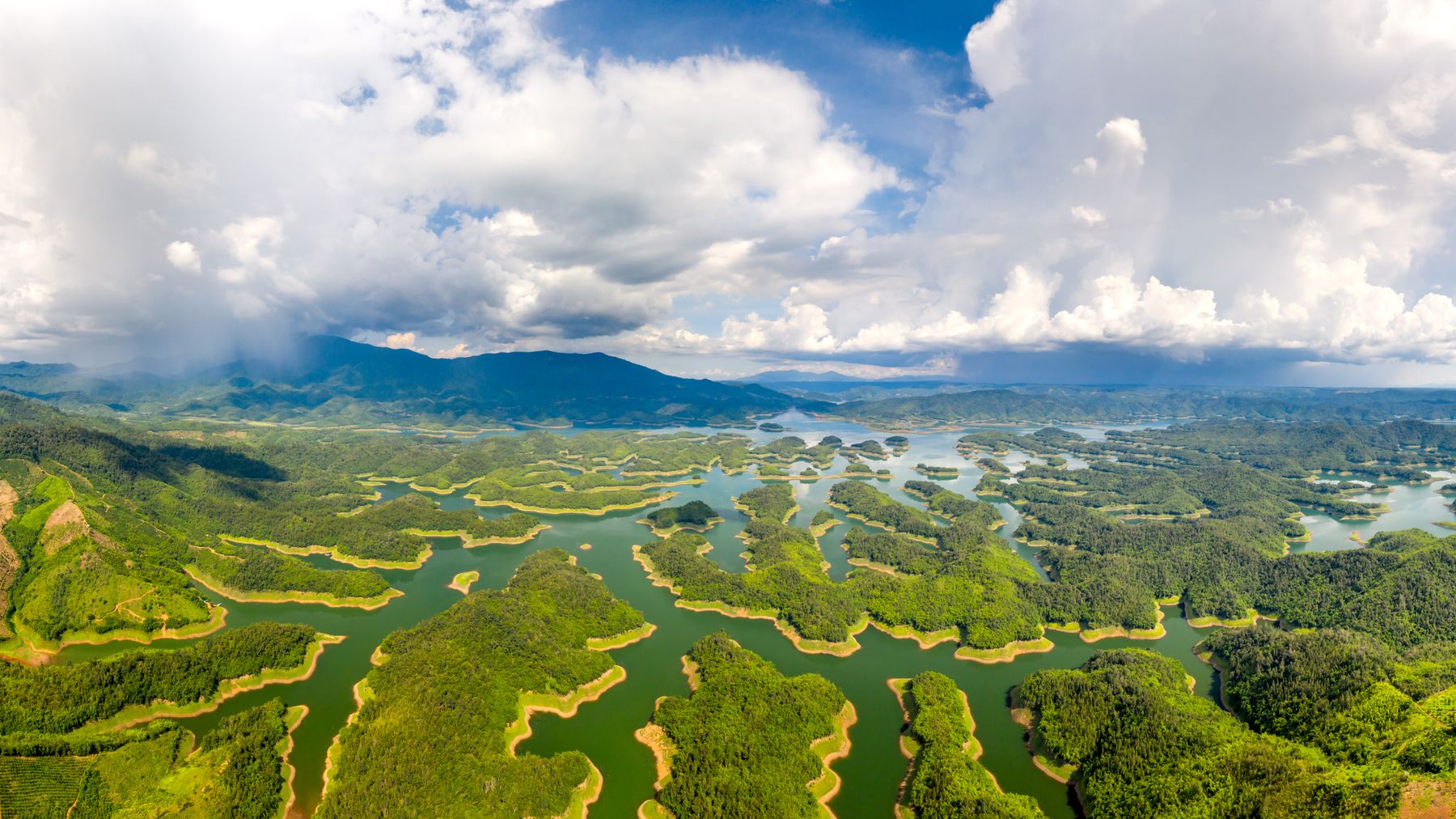
Photo by Quang Nguyen Vinh on Pexels
What to do
Boat the reservoir
The core experience. Local operators run longboat trips through the islands for around 300,000-500,000 VND per boat (fits 4-6 people). The trip lasts 2-3 hours and threads between forested islands where you'll see fishing nets, the occasional stilt house, and a lot of quiet water. Early morning is best — mist hangs over the surface and the light is soft.
Camp on an island
Several islands are accessible for overnight camping. You can arrange this through guesthouses near the reservoir or bring your own gear. Expect basic conditions — no electricity, no shops. Bring water, food, and a headlamp. Camping fees, if collected, are nominal (around 50,000 VND per person).
Trek Tay Ta Dung peak
The hike up to Tay Ta Dung (around 1,982 meters) is the park's most demanding trail — about 6-8 hours round trip through dense forest. You'll need a local guide, which can be arranged at the park office for roughly 500,000-700,000 VND. The trail is steep in sections and unmarked in places. This isn't a casual walk.
Visit Ma and M'Nong villages
A handful of ethnic minority settlements sit near the reservoir. Visiting is straightforward — no ticket required — but be respectful. Some families sell woven goods and local produce. If offered "ruou can" (rice wine drunk through bamboo straws from a communal jar), it's a genuine gesture of welcome.
Birdwatching and wildlife spotting
Ta Dung's forests shelter gibbons, langurs, and a solid roster of highland bird species. Birders have logged hornbills, broadbills, and various bulbuls in the park. Dawn and dusk near the reservoir's edge are productive times.
Where to eat nearby
Don't expect restaurant rows. Eating options near the park are limited to small local places in the surrounding commune and whatever your guesthouse serves. Two things worth seeking out:
- "Com lam" — sticky rice cooked inside bamboo tubes over an open fire, a staple of the highland ethnic communities. Simple, smoky, and filling.
- Grilled stream fish — freshwater fish from the reservoir or local streams, grilled whole over charcoal, often served with rice paper, herbs, and a fish sauce dip. If you're heading back through Da Lat afterward, the city has no shortage of good food — "banh mi", "pho", and the local avocado ice cream are all easy finds.
Where to stay
Accommodation near Ta Dung falls into two tiers:
- Homestays and basic guesthouses along the reservoir access road: 200,000-400,000 VND per night. Expect a clean room, fan or basic AC, and a shared meal if you ask. Some homestays are run by Ma families and offer a more immersive experience.
- Mid-range resorts have started appearing closer to the reservoir, targeting domestic weekend tourists from Saigon. Rates range from 800,000-1,500,000 VND. Facilities vary — check recent reviews before booking.
If you're camping, your cost is effectively zero beyond food and transport.

Photo by Katie Tran on Pexels
Practical tips locals would tell you
- Bring cash. There are no ATMs near the park. The closest reliable machines are in Gia Nghia or along the main highway. Load up before you arrive.
- Fuel up early. Petrol stations thin out on the approach roads. Fill your tank in the last town you pass through.
- Pack layers. Mornings on the reservoir get chilly in dry season, especially if you're on a boat at dawn.
- Arrange guides through the park office or your guesthouse, not random offers at the roadside. Prices are more standardized and you'll get someone who actually knows the trails.
- Phone signal is patchy inside the park. Download offline maps before you go.
Common mistakes to avoid
- Trying to do it as a Da Lat day trip. The 3.5-hour drive each way eats your day. Stay at least one night to make the journey worthwhile.
- Showing up in rainy season without checking road conditions. Some access roads wash out or become dangerously slick after heavy rain. Ask locals or your accommodation host before committing.
- Expecting Ha Long Bay. The reservoir is scenic and peaceful, but it's a highland lake with forested hills, not towering limestone karsts. Come with the right expectations and you'll enjoy it more.
Practical notes
Ta Dung works best as a 2-night side trip from Da Lat, or as a stop on a longer Central Highlands loop through Buon Ma Thuot and Kon Tum. It rewards travelers who are comfortable with basic infrastructure and don't need a polished tourism setup. Bring patience, cash, and a willingness to move slowly — the highlands are better that way.
Last updated · May 29, 2026 · independently researched, never sponsored.