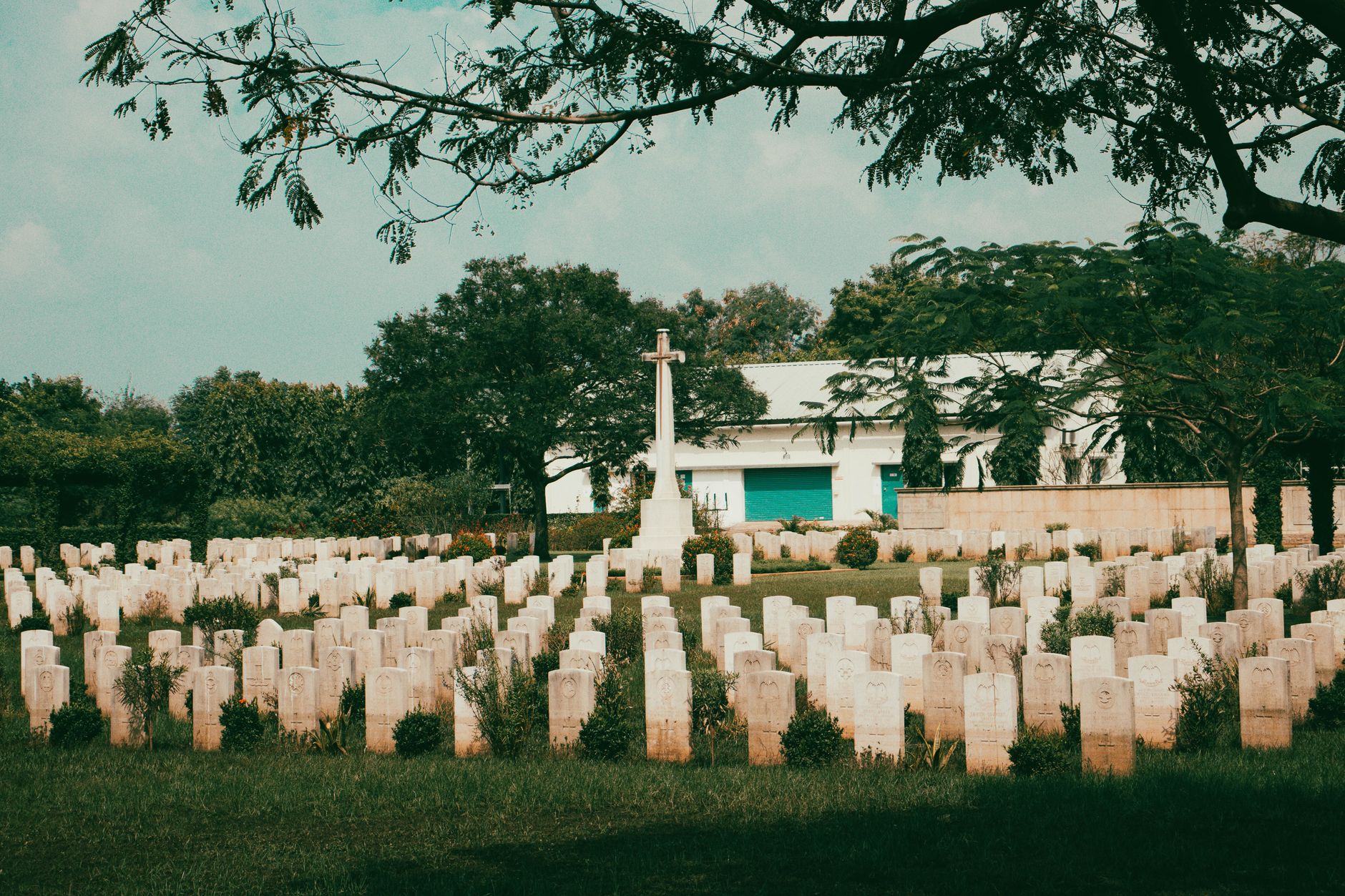
Quang Tri Citadel — "Thanh co Quang Tri" — sits in a quiet stretch of central Vietnam (베트남 / 越南 / ベトナム) between Hue and the former DMZ. It's not a place you visit for Instagram shots. You go because the ground itself carries weight, and because understanding what happened here deepens everything else you see in this part of the country.
What It Is
The citadel was originally built under the Nguyen Dynasty in the early 19th century, a Vauban-style fortress with thick brick walls, a moat, and four main gates — similar in concept to the Imperial Citadel in Hue (후에 / 顺化 / フエ), though far smaller. For over a century it served as the administrative seat of Quang Tri province.
During the summer of 1972, the citadel became the epicenter of 81 days of intense fighting — one of the longest and most destructive battles of the entire war. By the time it ended, the fortress was almost entirely leveled. What you see today is a reconstruction of the outer walls and gates, along with a memorial park, museum, and preserved ruins.
Quang Tri is now part of the merged Quang Tri-Quang Binh administrative region, but the citadel remains in the same location: the small town of Quang Tri, about 60 km north of Hue.
Why Travelers Go
This isn't a tick-the-box tourist attraction. Quang Tri Citadel draws people who want a more grounded understanding of Vietnam's recent history — the kind you don't get from a quick walk through the Cu Chi Tunnels. The site is quiet, uncrowded, and genuinely moving. If you're traveling between Hue and Phong Nha, it's directly on the route and worth a half-day stop.
Vietnamese visitors come here for remembrance. You'll often see school groups and families paying respects. That atmosphere — reverent, unhurried — is part of the experience.
Best Time to Visit
Central Vietnam's weather is split into a dry season (roughly March to August) and a rainy season (September to January). For Quang Tri, March through June is ideal: warm, mostly dry, and the grounds aren't waterlogged. July and August are hot — easily 36-38°C — and the memorial park offers little shade.
Avoid October and November if you can. This stretch of coast gets hammered by rain and occasional typhoons, and flooding around the citadel moat isn't uncommon.
How to Get There
Hue is the nearest major hub.
- By motorbike or car: Take the AH1 (National Highway 1A) north from Hue. It's about 60 km and takes roughly 1 hour 15 minutes by motorbike, a bit less by car. The road is flat, well-paved, and boring in the best way — easy riding.
- By bus: Regular local buses run from Hue's northern bus station to Quang Tri town. The fare is around 40,000-60,000 VND, and the ride takes about 1.5 hours with stops. Tell the driver "Thanh co Quang Tri" and they'll drop you close.
- By train: Quang Tri station exists, but services are limited. The bus or a rented motorbike is more practical.
- From Phong Nha: If you're coming south, it's about 170 km (roughly 3.5 hours by motorbike or car). Most people combine Quang Tri with a Hue-to-Phong Nha travel day.
A Hue-based tour operator can also arrange a DMZ day trip that includes the citadel, Vinh Moc Tunnels, Hien Luong Bridge, and the Khe Sanh Combat Base — typically 800,000-1,200,000 VND per person.

Photo by Valeria Drozdova on Pexels
What to Do
Walk the Citadel Grounds
The reconstructed walls and gates give you a sense of the original scale. Inside, the grounds are mostly open parkland with scattered ruins — fragments of the old French-era prison, sections of crumbled wall left intentionally unrestored. The central flagpole and memorial altar are the focal point. Budget 30-45 minutes for a slow, respectful walk.
Visit the Museum
The small on-site museum houses photographs, weapons, personal effects, and maps from the 1972 battle. Displays are in Vietnamese with some English captions. It's modest but effective — the photographs especially. Entry is free or a nominal 20,000 VND.
Pay Respects at the Memorial
The central memorial honors soldiers who died during the battle. Incense is usually available near the entrance. If you see locals lighting incense and bowing, it's fine to do the same — a small gesture that's always appreciated.
Explore the Moat and Outer Walls
The moat has been partially restored and is now edged with trees and walkways. Early morning is the best time — locals exercise here, and the light is soft. The southeast corner has some of the most intact original brickwork.
Combine with Nearby DMZ Sites
If you have a full day, pair the citadel with the Vinh Moc Tunnels (about 40 km north) — an underground village where civilians lived during years of bombing. It's a claustrophobic, eye-opening experience and far less tourist-polished than Cu Chi.
Where to Eat Nearby
Quang Tri town is small, and dining options are basic — mostly local rice shops and street stalls along the main road.
- "Banh canh" is the dish to seek out here. The Quang Tri version uses thick tapioca-and-rice noodles in a pork or crab broth, often topped with fish cake. Look for any shop with "Banh Canh" on the signboard near the market — a bowl runs 25,000-35,000 VND.
- "Bun thit nuong" (rice noodles with grilled pork) is available at most street-side eateries and is reliably good across central Vietnam. 30,000-40,000 VND.
Don't expect craft coffee shops. A roadside "ca phe sua da" from a local stall is your best bet — strong, sweet, and about 15,000 VND.
Where to Stay
Most travelers don't overnight in Quang Tri — they base in Hue or push on to Phong Nha. But if you want to stay:
- Budget guesthouses (nha nghi): 200,000-350,000 VND/night. Basic, clean enough, fan or AC. Try along the main road near the citadel.
- Mid-range hotels: A few options in Dong Ha (the larger town 15 km north) in the 400,000-700,000 VND range with proper amenities.
- Hue remains the most comfortable base, with everything from 150,000 VND hostels to boutique hotels.

Photo by Thái Trường Giang on Pexels
Practical Tips
- Dress modestly. This is a memorial site. Shoulders and knees covered is respectful, especially near the altar.
- Bring water and sun protection. There's almost no shade inside the citadel walls, and the nearest convenience store is a short walk away.
- Go early. By mid-morning on hot days, the exposed grounds become brutal. Aim to arrive by 7:30-8:00 AM.
- Hire a local guide if you can. The museum signage is limited in English. A guide from a Hue-based tour adds real context — names, dates, stories — that you'd otherwise miss.
Common Mistakes
- Rushing through. People give this site 15 minutes and move on. That's not enough. Let the place sink in.
- Skipping it for the Vinh Moc Tunnels only. The tunnels are impressive, but the citadel offers a different kind of understanding. Do both.
- Visiting midday in summer. You'll be miserable. The heat on exposed concrete and brick is relentless between 11 AM and 3 PM.
Practical Notes
Quang Tri Citadel won't appear on most tourist highlight reels, and that's part of why it matters. It's an honest, unvarnished place — no light shows, no gift shops, no selfie spots. If you're passing through central Vietnam between Hue and Phong Nha, make the stop. You won't regret the detour.
Last updated · May 29, 2026 · independently researched, never sponsored.