Thac Khuon Tat is a tiered waterfall tucked into the forested hills of Dinh Hoa district, about 60 km northwest of Thai Nguyen city. It doesn't get tour buses or Instagram crowds, which is exactly why it's worth the trip if you're passing through the upper northeast.
What it is
Khuon Tat is a multi-level waterfall dropping roughly 30 meters through a narrow ravine surrounded by old-growth forest. The water feeds into a natural pool at the base that locals use for swimming during the hot months. The area sits within what was historically part of the ATK (An Toan Khu) — the revolutionary safe zone used during the resistance period in the 1940s and 50s. You'll find a few modest memorial markers nearby, but the primary draw today is the waterfall itself and the surrounding forest trails.
The falls are part of a broader ecotourism push in Dinh Hoa district. Facilities are basic — a paved path from the parking area, some concrete steps down to the base pool, and a handful of rest shelters with hammocks. Don't expect a developed attraction. That's the appeal.
Why travelers go
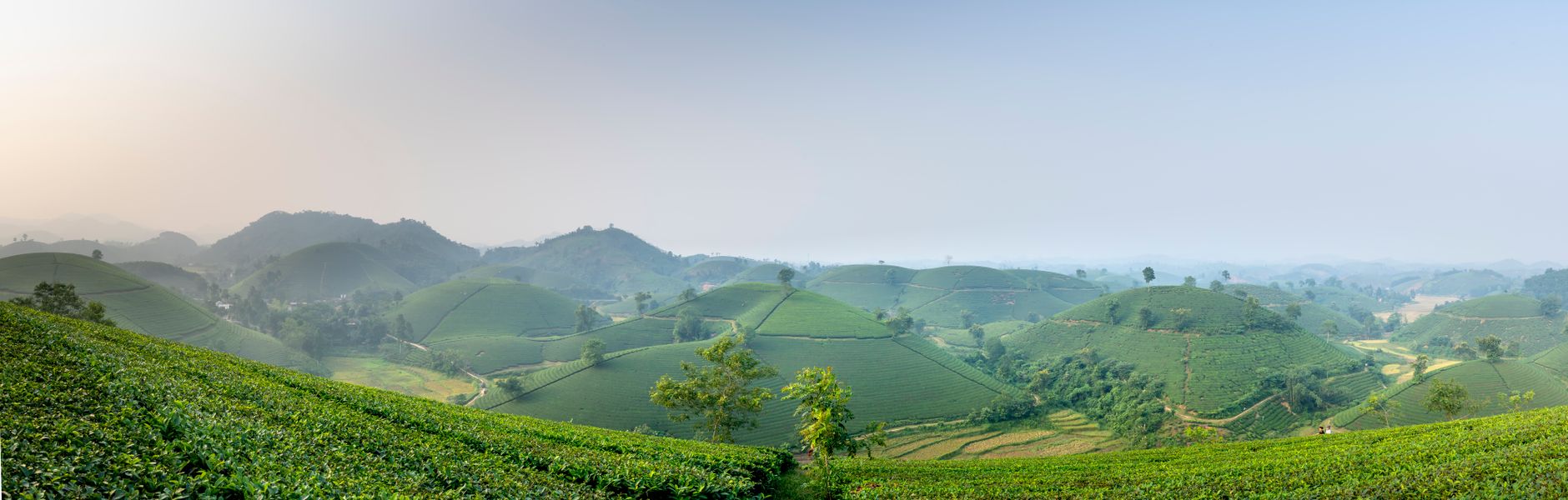
Most people visiting Thai Nguyen province come for tea. The region produces some of Vietnam (베트남 / 越南 / ベトナム)'s best green tea, particularly from Tan Cuong commune. Thac Khuon Tat works as a half-day side trip that breaks up the tea plantation circuit with something physical and cooler — the canopy keeps temperatures noticeably lower than the valley floor, even in summer.
It's also a reasonable stop if you're driving between Hanoi and the lakes and limestone of the former Bac Kan area (the provinces merged administratively, so the whole region now falls under the expanded Thai Nguyen). Ba Be Lake, for instance, is further north, and Khuon Tat sits along the general corridor.
Best time to visit
The waterfall is at its strongest from June through September, when monsoon rains keep the flow heavy. July and August are peak volume — the pool at the base is deep enough for proper swimming, and the mist from the falls carries 20 meters out.
October to November is a good compromise: drier trails, still decent water flow, and cooler temperatures. By February and March, the falls thin out considerably. You can still visit, but the visual impact drops off and the pool shrinks to knee depth.
Avoid public holidays (especially around Tet and the September 2 national holiday) if you want the place to yourself. Local families from Thai Nguyen city pack the site on long weekends.
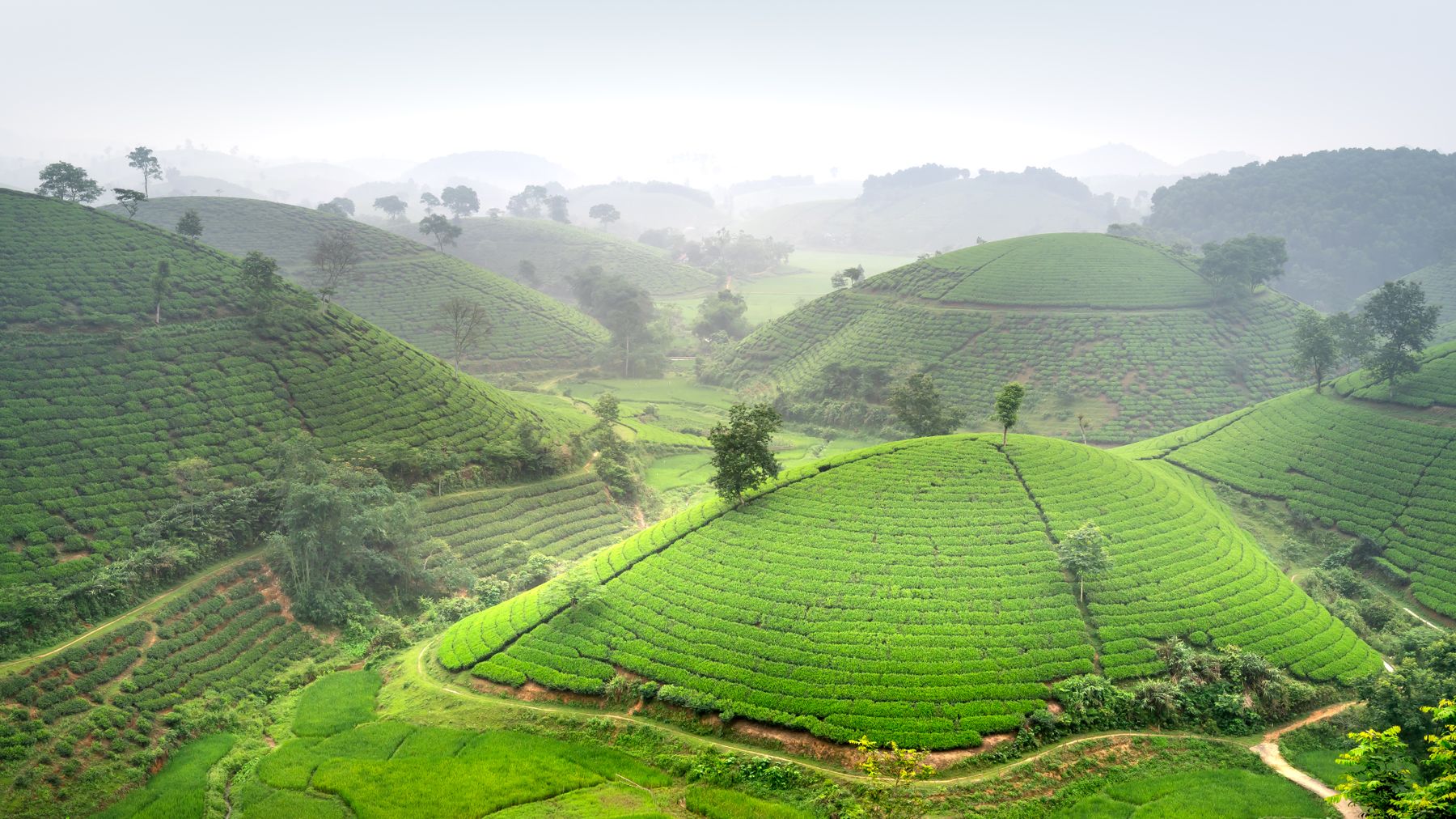
Photo by Quang Nguyen Vinh on Pexels
How to get there
From Hanoi (하노이 / 河内 / ハノイ), Thai Nguyen city is about 80 km north — roughly 1.5 to 2 hours by car or bus via the Hanoi–Thai Nguyen expressway. Buses from My Dinh bus station run frequently and cost around 70,000–90,000 VND.
From Thai Nguyen city to Thac Khuon Tat, it's another 55–60 km northwest into Dinh Hoa district. There's no direct public bus that drops you at the falls. Your options:
- Motorbike rental from Thai Nguyen city (150,000–200,000 VND/day). The road is paved the entire way via QL3 north then cutting west. Allow about 1.5 hours each way.
- Grab car to the trailhead and arrange a return pickup. Expect around 350,000–450,000 VND one way.
- Xe om (motorbike taxi) from Dinh Hoa town, about 15 km from the falls. Negotiate 100,000–150,000 VND round trip with a wait.
If you're riding yourself, the last 5 km off the main road narrows to a single-lane concrete path through villages. It's fine for any motorbike but slow going.
What to do
Swim the base pool
The natural pool below the main cascade is the highlight. Water temperature stays cool year-round — genuinely refreshing after the walk in. Depth varies by season: waist-deep in dry months, overhead in the monsoon. No lifeguard, no ropes. Wear shoes with grip; the rocks are slippery.
Walk the forest trail
A loop trail runs about 2 km through the surrounding forest above the falls. It's not marked brilliantly — follow the concrete steps up from the main viewing platform and stay on the worn path. The canopy is dense, with large ferns and some impressive buttress-root trees. Budget 45 minutes to an hour.
Visit Tan Cuong tea hills
On the way back to Thai Nguyen city, detour through Tan Cuong commune — the most famous tea-growing area in the north. Small family operations will invite you in for a tasting session. Buy directly: 200g of good Thai Nguyen green tea runs 80,000–150,000 VND, well below what you'd pay in Hanoi. If you're a vietnamese coffee person more than a tea drinker, this might convert you.
Explore Dinh Hoa town market
The small morning market in Dinh Hoa town (busiest before 8 AM) sells local forest products — wild honey, dried bamboo shoots, and seasonal mushrooms. It's not a tourist market. Prices are local prices.
ATK historical sites
If you have an interest in mid-20th-century Vietnamese history, the surrounding Dinh Hoa area has several preserved sites from the revolutionary period. They're modest — reconstructed huts, informational plaques — but add context to the landscape.
Where to eat nearby
Dinh Hoa district isn't a food destination, but two things are worth seeking out:
- "Com lam" (bamboo-tube rice): sticky rice cooked inside a fresh bamboo section over charcoal. Vendors near the waterfall parking area sell it for 15,000–20,000 VND per tube. Best eaten hot with sesame salt.
- Grilled stream fish: a few small restaurants along the road between Dinh Hoa town and the falls serve freshwater fish grilled over charcoal with turmeric and dill — the same preparation you find with "cha ca" in Hanoi but using local river fish. A plate runs 80,000–120,000 VND.
For anything more substantial, eat in Thai Nguyen city before or after. The city has solid "bun cha" and "pho" stalls clustered around the central market area.

Photo by Hiếu Vũ Vlog on Pexels
Where to stay
There's no accommodation at the waterfall itself. Your options:
- Thai Nguyen city: budget hotels and guesthouses from 250,000–400,000 VND/night. A few mid-range places around 600,000–900,000 VND with decent rooms.
- Dinh Hoa town: one or two basic nha nghi (guesthouses) at 150,000–200,000 VND. Bare-bones but clean enough for a night.
- Homestays: a handful of local homestays have popped up in the Dinh Hoa countryside. Expect 200,000–300,000 VND per person including dinner and breakfast. Ask at the waterfall ticket booth — they usually have contact numbers.
Practical tips
- Entrance fee: 20,000 VND per person (as of early 2025). Parking is 5,000 VND for motorbikes, 20,000 VND for cars.
- Bring your own towel and dry clothes if you plan to swim. There are no changing rooms — just open-air shelters.
- Leeches are real on the forest trail during rainy season. Tuck your pants into your socks. It looks ridiculous. Do it anyway.
- Phone signal is patchy near the falls. Download offline maps before leaving Thai Nguyen city.
- The "ticket booth" doubles as a small shop selling water and instant noodles. Don't count on it for anything else. Bring snacks.
Common mistakes
- Driving up in flip-flops: the path to the base pool has wet, uneven stone steps. People slip and bruise themselves every weekend. Wear proper shoes.
- Arriving after 2 PM: the valley loses direct sunlight early. By mid-afternoon the whole area gets dim and noticeably cooler. Morning visits are better for swimming and photos.
- Skipping the upper trail: most visitors see the base pool and leave. The walk above the falls is the better part of the visit — fewer people, better forest, and a view down over the cascade from the top.
Last updated · May 29, 2026 · independently researched, never sponsored.