What it is
Trung Luong Beach ("Bai bien Trung Luong") is a 3-km crescent of golden sand backed by casuarina trees and low granite hills, sitting along the coast east of the Central Highlands (중부 고원 / 中部高原 / 中部高原). The beach has been a local weekend getaway for decades — families from the highlands driving down to the coast for grilled squid and a swim — but it's only recently started showing up on traveler radars. There's no boardwalk, no jet skis, no resort strip. Just sand, a scattering of seafood shacks, and water that stays warm year-round.
The area was historically part of Binh Dinh province before administrative reshuffling placed it under Gia Lai's expanded boundaries. For practical purposes, the beach sits roughly 35 km from Quy Nhon city center along the coastal road, making it an easy half-day or overnight trip from the highlands.
Why travelers go
Three reasons, mostly:
- It's genuinely uncrowded. Even on weekends, you won't fight for a spot. Midweek, you might have a 500-meter stretch to yourself.
- Seafood prices haven't caught up. A plate of grilled "muc" (squid) runs 80,000–120,000 VND. A whole steamed fish with tamarind sauce: 150,000–200,000 VND. Compare that to Da Nang or Phu Quoc and you'll understand the appeal.
- It breaks up a highlands itinerary. If you're spending days in the cooler elevations around Pleiku or Kon Tum, Trung Luong gives you a coastal reset without committing to a full beach destination.
The water is calm from March through August — shallow enough to wade out 30–40 meters before it reaches your chest. The granite outcrops at the northern end create natural pools at low tide, good for snorkeling if you bring your own mask.
Best time to visit
The dry window runs March to September. April through June is the sweet spot: water is clear, wind is light, and the heat hasn't peaked yet. July and August bring hotter days (34–37°C) but the sea breeze keeps it tolerable.
Avoid October through January if you can. The northeast monsoon pushes swells onshore, the water turns murky, and some seafood shacks close entirely. February is transitional — hit or miss.
How to get there
From Pleiku (Gia Lai)
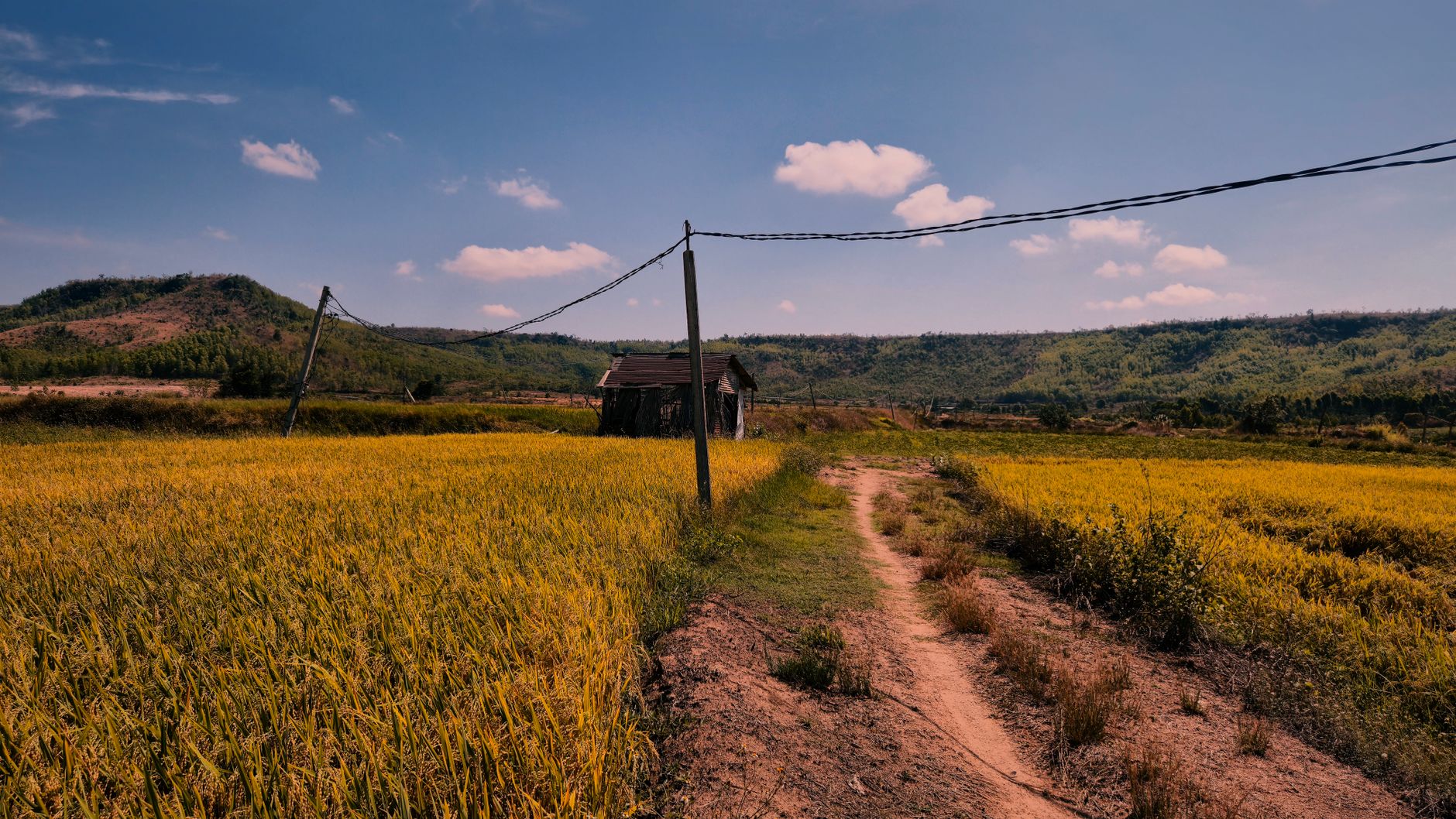
Drive east on QL19 toward the coast. The route drops from 800 meters elevation down to sea level over about 170 km — roughly 3.5 hours by motorbike, 2.5–3 hours by car. The road passes through An Khe and the Mang Yang pass, which is scenic but has some tight curves. Leave early to avoid afternoon fog on the pass.
From Quy Nhon
Head north along the coastal road (QL1D or the smaller DT639). Trung Luong is about 35 km north of the city — 40 minutes by motorbike. This is the easier approach if you're already on the coast.
From Da Nang or Hoi An
No direct route makes sense as a day trip. It's 300+ km south. If you're moving down the coast, Trung Luong works as an overnight stop between Da Nang and Nha Trang (냐짱 / 芽庄 / ニャチャン).
There's no public bus to the beach itself. You can take a bus to Quy Nhon (frequent departures from most central cities) and grab a "xe om" or rent a motorbike for the last stretch. Motorbike rental in Quy Nhon runs 120,000–150,000 VND/day.
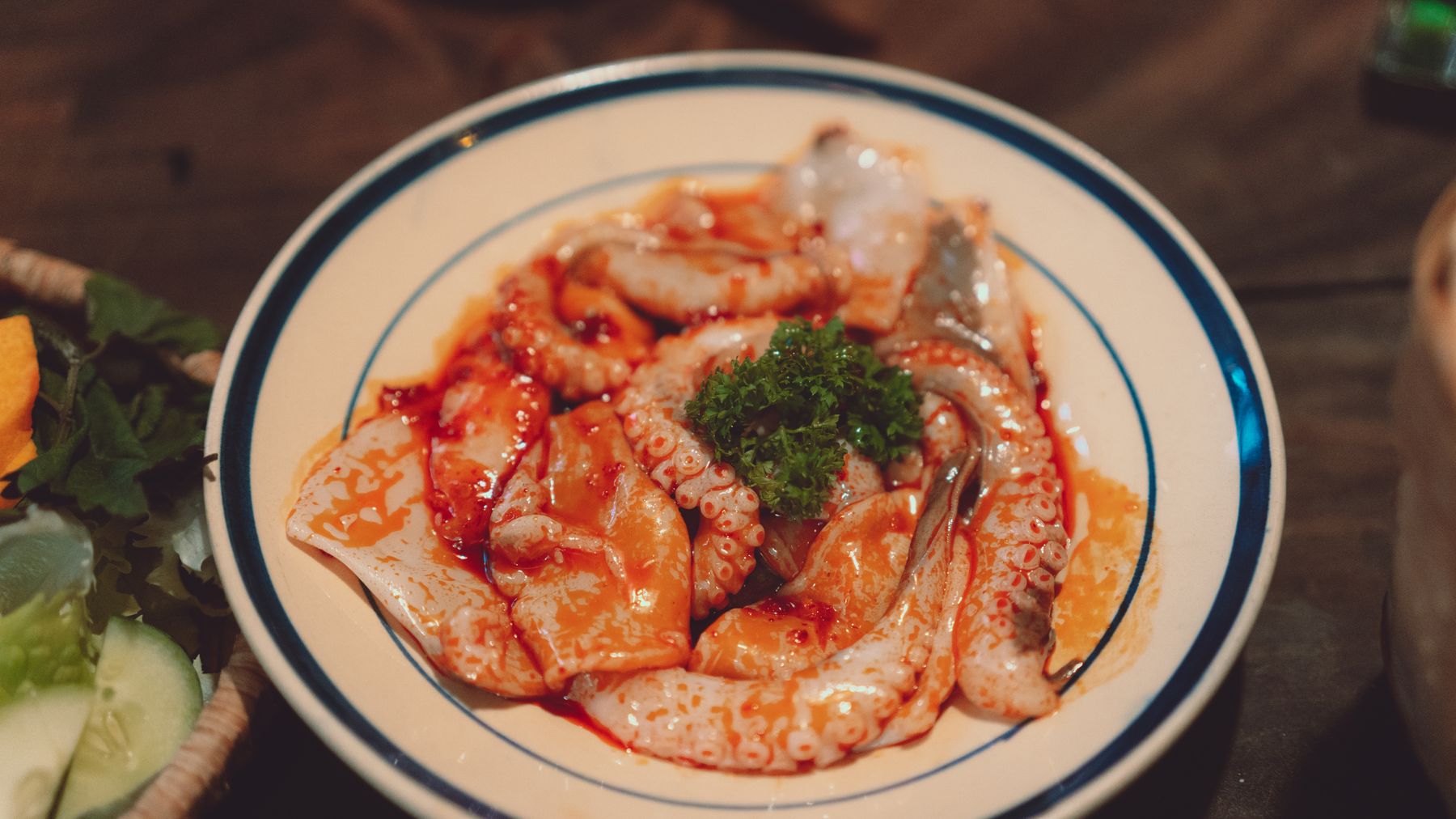
Photo by Theodore Nguyen on Pexels
What to do
- Swim and float. The seafloor is sandy with minimal rocks in the central stretch. Current is mild March–August.
- Eat through the seafood strip. A row of about 10–12 open-air restaurants lines the road behind the beach. Point at the tanks, pick your fish, negotiate the cooking style. Steamed with ginger, grilled with salt and chili, or fried with lemongrass are standard options.
- Walk to the northern rocks. A 20-minute walk from the main beach area brings you to granite formations where tide pools form. Bring water shoes.
- Rent a hammock. Most restaurants let you use their hammocks and chairs for free if you order food. Otherwise it's 20,000–30,000 VND.
- Catch sunrise. The beach faces east. If you stay overnight, sunrise over the water is worth the early alarm.
Where to eat
The beachfront restaurants serve nearly identical menus — grilled shellfish, fried rice, "canh chua" (sour fish soup), and cold beer. A few standouts:
- Quan Hai San Ba Tam — Locals recommend the grilled "oc huong" (sweet snails), around 100,000 VND per plate. Cash only.
- Nha Hang Trung Luong — Slightly more polished, with a covered terrace. Their clay-pot fish is solid. A full meal for two with beer comes to about 300,000–400,000 VND.
For something beyond seafood, the town of Phu My (10 km south) has a few "com binh dan" (workers' lunch) spots and decent "banh xeo" — the crispy crepes stuffed with shrimp and pork that you wrap in herbs and dip in nuoc cham.
Where to stay
Don't expect luxury. Options are basic but functional:
- Nha nghi (guesthouses) along the beach road charge 200,000–350,000 VND/night. Air-con, hot water, thin walls. No booking apps — just show up or call ahead.
- Homestays have started appearing on the road from Quy Nhon. A few are listed on Booking.com. Expect 400,000–600,000 VND with breakfast included.
- Quy Nhon hotels are the fallback if you want something with reliable Wi-Fi and a proper mattress. The city has everything from 300,000 VND budget rooms to international-brand hotels.
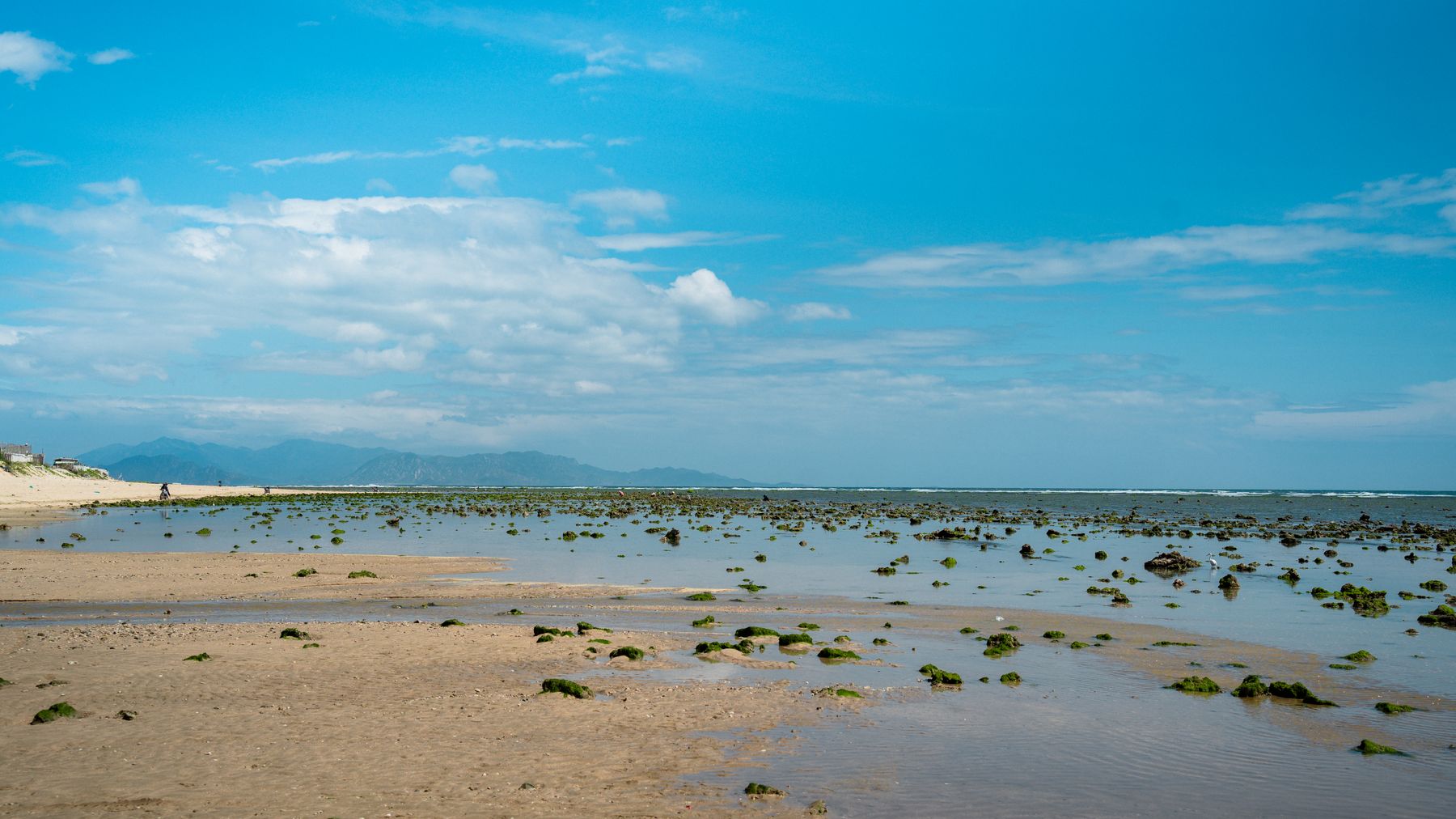
Photo by SICULA Đỗ on Pexels
Practical tips
- Cash is king. No ATMs at the beach. Withdraw in Quy Nhon or Phu My before heading out.
- Sunscreen and shade. The casuarina trees provide some cover, but midday sun is brutal April–August. Bring your own umbrella or claim a shack early.
- Motorbike parking is 5,000–10,000 VND at the informal lots near the restaurants.
- Phone signal is decent (Viettel and Mobifone both work) but don't count on fast data for video calls.
Common mistakes
- Arriving after 2 PM on a day trip from Pleiku. The pass gets foggier in the afternoon, and you'll have barely an hour of beach time before restaurants start winding down around 5–6 PM.
- Skipping the northern rocks. Most visitors stay planted in front of the restaurants. The walk north rewards you with better swimming and fewer people.
- Expecting Phu Quoc or Da Nang infrastructure. There are no beach clubs, no cocktail bars, no surf shops. That's the point — but adjust expectations accordingly.
- Not negotiating seafood prices upfront. Always confirm the per-kilo or per-plate price before they cook it. Misunderstandings happen, especially with pricier items like lobster or mantis shrimp.
Practical notes
Trung Luong works best as a 1–2 night add-on to a Central Highlands trip through Gia Lai, Kon Tum, or as a quiet coastal stop between Da Nang and Nha Trang. It's not a destination you'd fly across the country for — but that's exactly what keeps it the way it is.
Last updated · May 29, 2026 · independently researched, never sponsored.