Bringing a gift for a Vietnamese host, colleague, or friend sounds simple until you hand over a clock and watch the smile go slightly stiff. Vietnam (베트남 / 越南 / ベトナム)'s gift-giving customs are specific, occasionally superstition-driven, and almost never explained to outsiders. Here's what you actually need to know.
What Makes a Good Gift
Practical, consumable, and presentable beats creative every time. Imported food and drink do well — good chocolate, quality tea, biscuit tins, or specialty coffee from your home country land well because they feel considered without being extravagant. Skincare and cosmetics are popular with women, especially recognizable foreign brands. Alcohol works for male hosts in social or business contexts, though read the room: a bottle of whisky for a Buddhist monk's family would go down badly.
If you're arriving in Vietnam and want to pick something up locally, Hanoi and Saigon both have excellent options. Artisan tea sets, hand-painted lacquerware, or silk scarves sourced from Hoi An or Hue are tangible, non-tacky choices that Vietnamese recipients actually appreciate — partly because the quality is genuinely good, partly because it signals you paid attention to where you are.
For children, small toys, stationery, or foreign-brand snacks are consistently well-received. Cash in a red envelope (see below) is also perfectly appropriate for kids.
The Red Envelope Custom
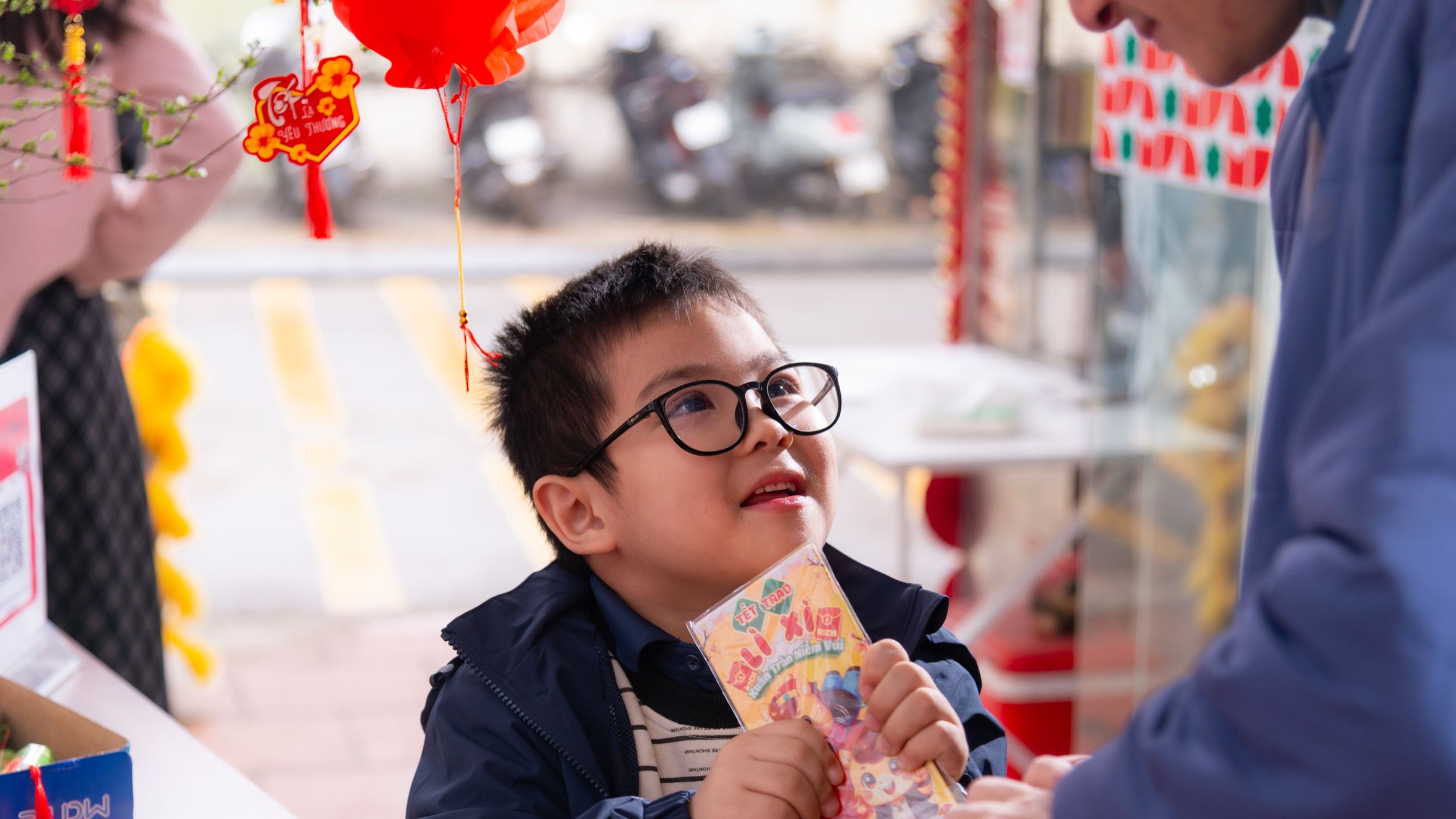
The "li xi" — a red envelope containing cash — is one of the most important gift forms in Vietnamese culture, and foreigners are expected to participate if they're present for the right occasions. During Tet (뗏 (베트남 설날) / 越南春节 / テト (ベトナム旧正月)), the Lunar New Year, adults give li xi to children and to elderly relatives. The amount matters less than the gesture; 20,000 to 50,000 VND is fine for a child you've just met, while closer relationships warrant more. The envelope should be red — red signals luck — and the notes inside should be clean and unfolded. Pulling out crumpled bills from your wallet defeats the point.
Beyond Tet, red envelopes appear at weddings, where guests contribute cash rather than buying gifts off a registry. A typical contribution from a foreigner attending a Vietnamese wedding sits between 300,000 and 500,000 VND, though closer friendships push that higher. Hand the envelope to the family at the reception table, not during the meal itself.
Numbers to Know — and One to Avoid
The number 4 is strongly avoided in gift quantities across much of Vietnam, particularly in the north and among older generations. The reason is phonetic: in Vietnamese, 4 sounds close to the word for death. Don't give four of anything — four oranges, four cans of beer, four chocolates. Six, eight, and multiples of these are considered auspicious. If you're assembling a gift basket or a set, count before you wrap.
Similarly, avoid gifting in odd numbers in contexts associated with celebration — odd numbers are associated with funerals and mourning. Even numbers signal abundance and good fortune.
The color white carries associations with death and funerals. White flowers — especially white chrysanthemums — are for graves, not hosts. Stick to yellow, red, or pink if you're bringing blooms.

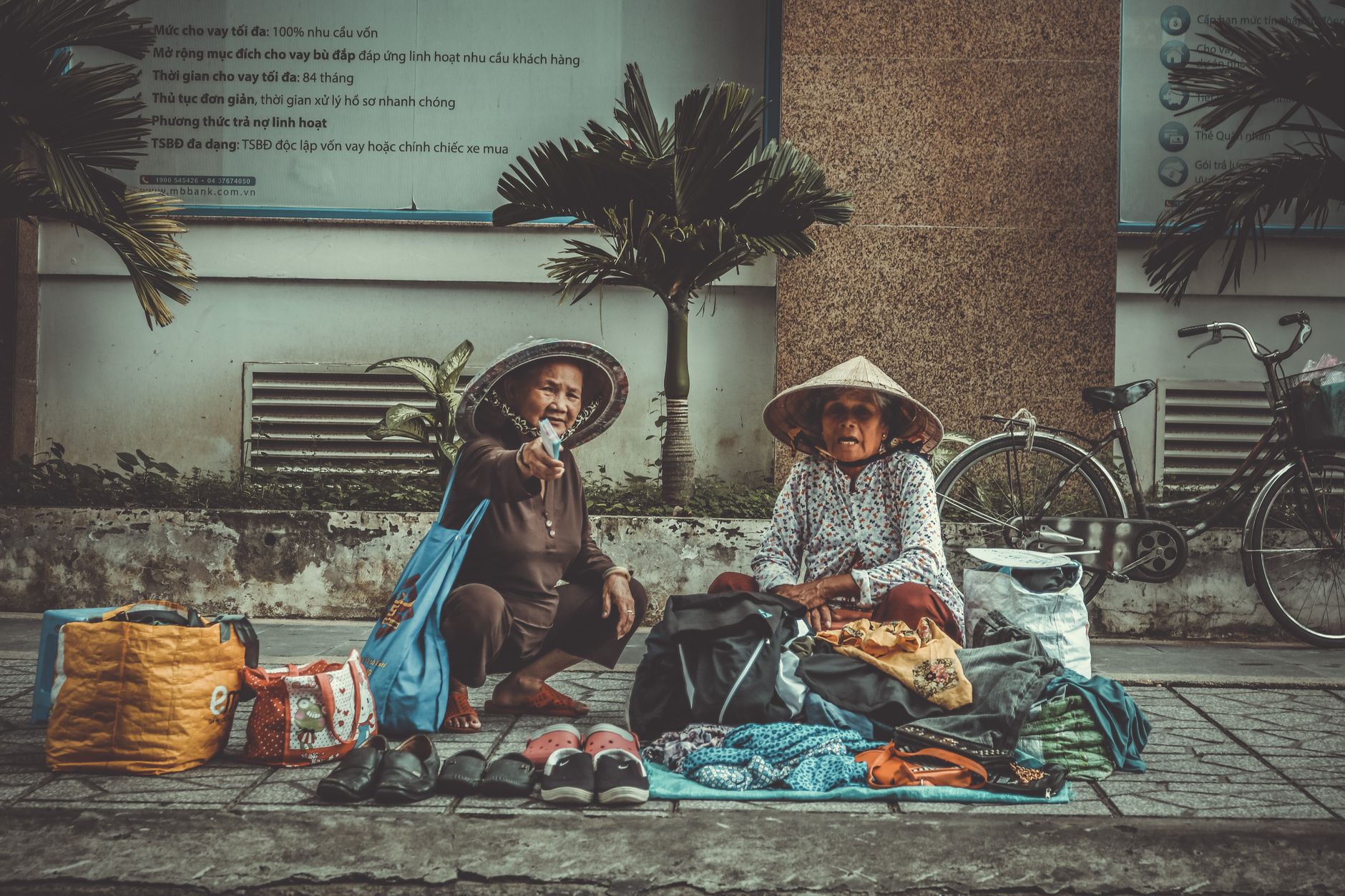
Photo by Nguyen Truong Khang on Pexels
What to Avoid Entirely
Beyond numbers and colors, a few categories of gifts carry bad associations:
- Clocks and watches — giving time implies counting down to death in Chinese-influenced Vietnamese superstition. Even younger, urban Vietnamese who dismiss the belief may still feel a flicker of discomfort.
- Sharp objects (knives, scissors) — these symbolize the severing of relationships. Not ideal for a first visit to someone's family.
- Shoes — giving shoes can imply you want someone to walk away from you.
- Handkerchiefs — associated with grief and funerals.
None of these are absolute universal rules — a Vietnamese friend who studied abroad might laugh at all of them — but they're worth respecting, especially with older hosts or in more traditional family settings.
When to Give, When to Hold Back
Timing and context matter as much as the gift itself. Bring something when:
- You're visiting someone's home for the first time.
- You're attending a Tet gathering (fruit, premium tea, or "banh chung" — sticky rice cakes — are all traditional).
- A colleague or host has gone out of their way to help you.
- You're attending a wedding, a baby shower ("day thang"), or a housewarming.
Hold back when:
- You're in a business meeting and haven't established a relationship yet. Gifts too early in a professional context can feel like attempted bribery in formal settings — wait until after agreements are settled.
- You're visiting a temple or pagoda. Offerings are managed by the temple, not personal gifts to monks.
One more thing: don't expect your gift to be opened in front of you. Vietnamese custom generally involves setting the gift aside rather than tearing into it at the table. This isn't indifference — it's politeness. Effusive unwrapping in the giver's presence can seem performative.

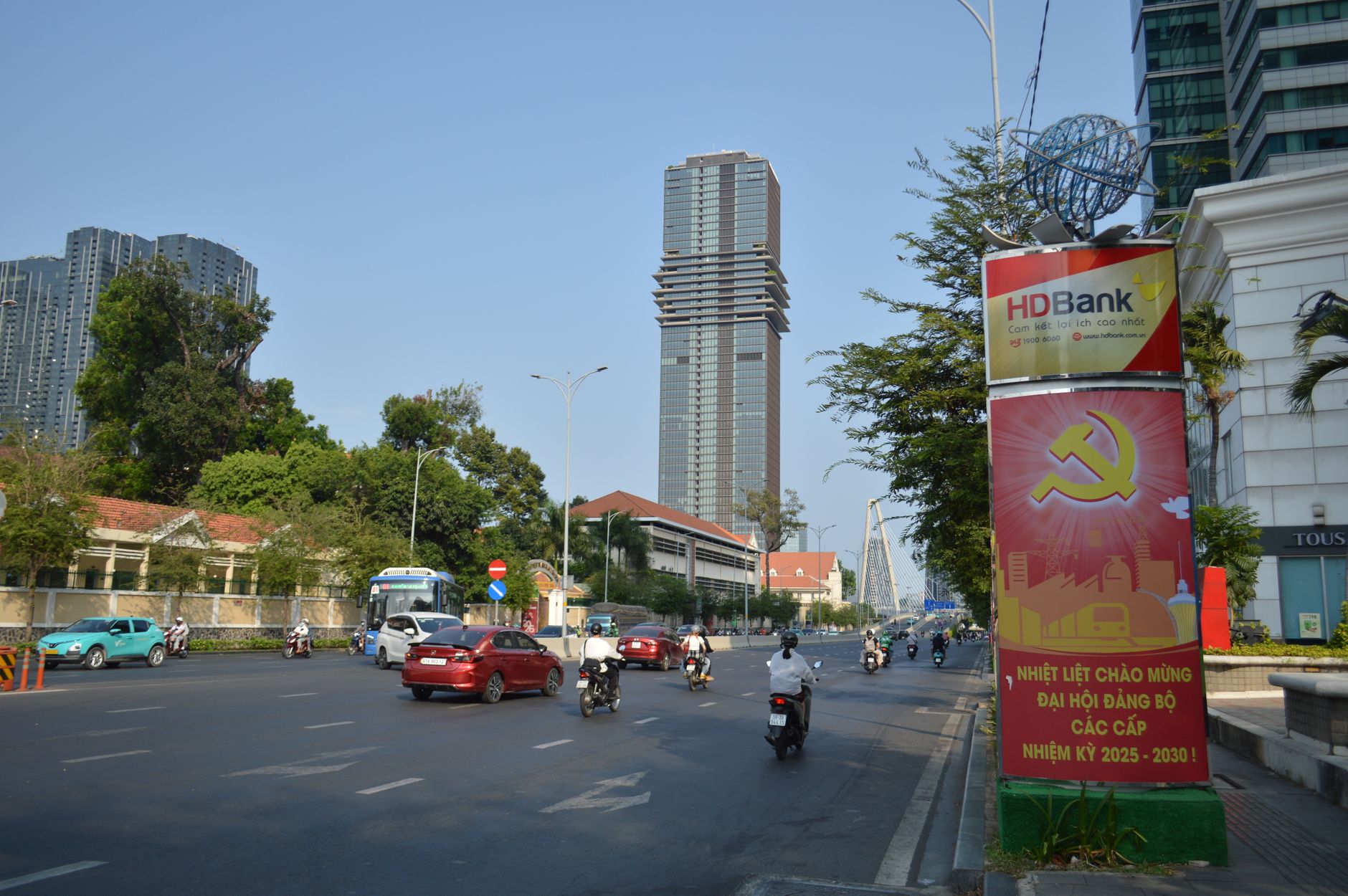
Photo by quang vinh on Pexels
Presentation Counts
Wrapping matters. A gift handed over in a plastic convenience store bag lands differently than the same item in a paper bag with tissue. You don't need a ribbon and a bow, but a clean presentation signals effort. During Tet especially, red and gold wrapping paper is worth seeking out at any market stall — Dong Xuan Market in Hanoi has it in bulk for almost nothing.
Practical Notes
Most of these customs are about reading your relationship and context rather than memorizing a rulebook. When in doubt, imported food or quality tea is almost always safe. If you're going to be spending real time with Vietnamese families — around Tet in particular — a handful of clean, crisp banknotes in red envelopes is the most universally appreciated gesture you can make.
Last updated · May 30, 2026 · independently researched, never sponsored.