Getting a VPN to work reliably in Vietnam (베트남 / 越南 / ベトナム) is less about luck and more about knowing which providers have invested in obfuscation technology — and which ones haven't. Here's the practical breakdown.
Why Some VPNs Get Blocked
Vietnam's internet infrastructure routes most traffic through a handful of state-linked providers — VNPT, Viettel, and FPT being the main three. These ISPs use deep packet inspection (DPI) to identify VPN traffic by its signature. Basic VPN protocols — standard OpenVPN, unmasked WireGuard — are relatively easy for DPI to flag and throttle or block outright.
This is why a VPN that works fine at home in Germany or Australia might be sluggish or unusable from a Hanoi cafe or a guesthouse in Hoi An. The issue isn't Vietnam specifically targeting your provider by name — it's that your provider's traffic looks like VPN traffic, and gets treated accordingly.
Free VPNs and budget providers like Private Internet Access (PIA) on default settings tend to fall into this category. Their protocols are standard and their server IPs are publicly documented, which makes them easy to filter.
What Actually Works
ExpressVPN
Consistently the most reliable option for travellers in Vietnam. ExpressVPN's Lightway protocol has built-in obfuscation, meaning it disguises VPN traffic as regular HTTPS. Their server network is large enough that even when specific IP ranges get flagged, alternatives appear quickly. Expect speeds around 40–80 Mbps on a decent hotel Wi-Fi connection in Hanoi (하노이 / 河内 / ハノイ) or Saigon. Cost is around USD 8–13/month depending on the plan you buy before arrival.
Key point: buy and install ExpressVPN before you land. VPN provider websites are often blocked in Vietnam, so downloading the app from inside the country can be its own problem.
NordVPN
NordVPN's obfuscated servers (you have to select them manually — they're not on by default) work well. Go to Settings → Advanced → Obfuscated Servers and turn that on. Without it, NordVPN on standard settings is hit-or-miss, particularly on Viettel mobile data. With obfuscation enabled, it's a solid second choice. NordVPN is slightly cheaper than ExpressVPN at around USD 4–7/month on longer plans.
Astrill
Popular with long-term expats living in Hanoi and Saigon. Astrill's StealthVPN protocol is purpose-built for DPI-heavy environments. It's noticeably more expensive — around USD 15–30/month — but if you're staying longer than two weeks and reliability matters, it's worth considering. Overkill for a two-week trip.
What to Avoid
- Free VPNs (Hotspot Shield free tier, Windscribe free, Betternet): server capacity is too limited and protocol obfuscation is absent or weak. They might work occasionally, but treat them as unreliable.
- PIA on default settings: good provider, wrong defaults for Vietnam. If you already have PIA, switch the protocol to Shadowsocks under the connection settings — that changes the picture significantly.
- Built-in browser VPNs (Opera's free VPN, for instance): these are proxies, not full VPNs. They protect browser traffic only and tend to drop on congested networks.

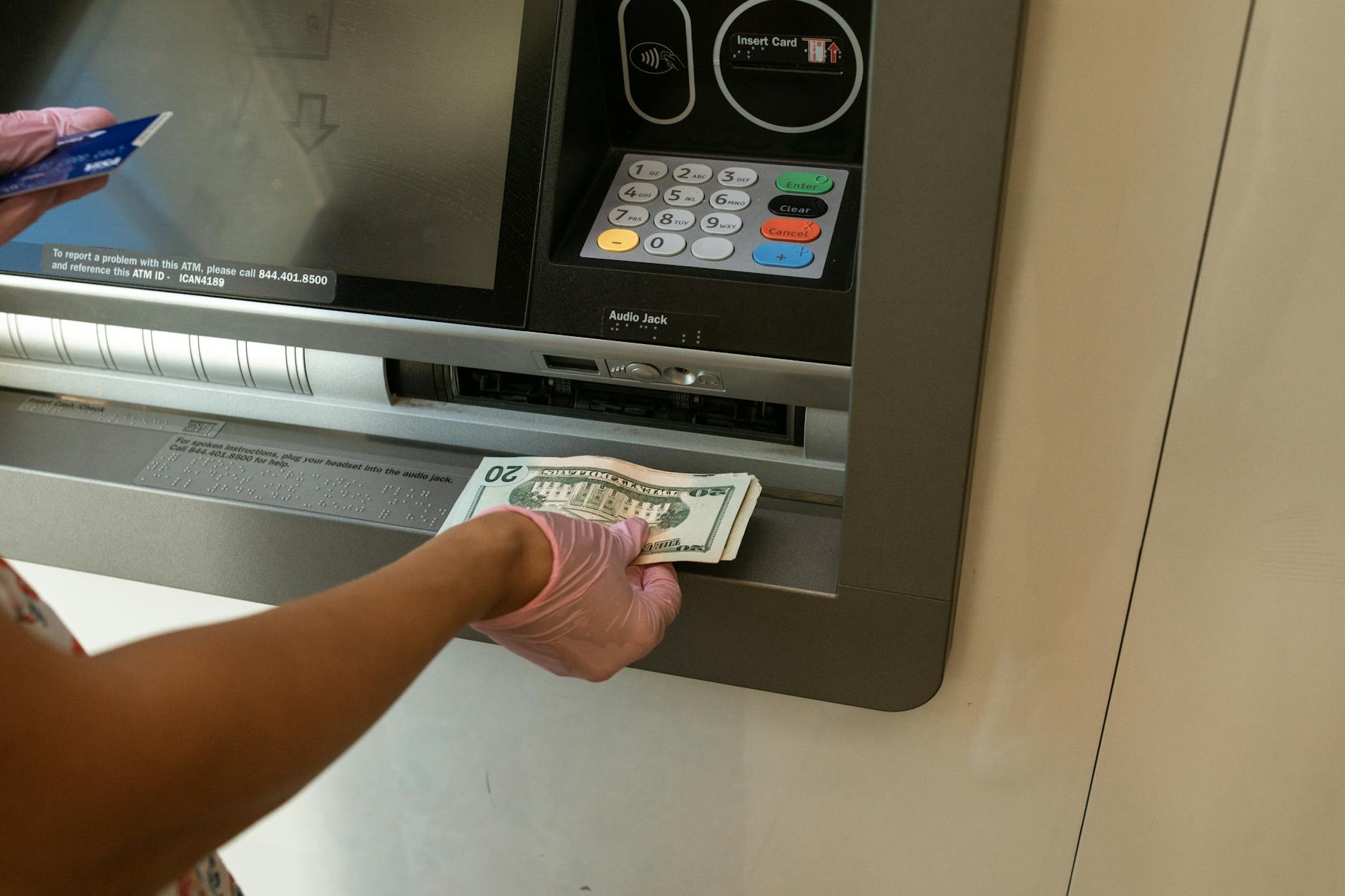
Photo by TBD Tuyên on Pexels
What Vietnam Actually Restricts
To calibrate your expectations: Vietnam blocks or throttles access to a defined set of platforms and sites — Facebook has had periodic slowdowns, some news outlets are inaccessible, and Google services occasionally behave strangely without a VPN. The experience varies noticeably by ISP. FPT tends to be the least aggressive; Viettel mobile data is often the most. Hotel Wi-Fi routing through VNPT sits somewhere in the middle.
Day-to-day browsing, Google Maps, WhatsApp, Telegram, YouTube, Spotify, and Netflix all function without a VPN from most connections most of the time. A VPN becomes relevant when you want consistent, unrestricted access — particularly useful for checking work email through corporate networks, accessing home-country streaming libraries, or using platforms that are intermittently throttled.
SIM Cards and Mobile Data
If your hotel Wi-Fi is giving you trouble, switching to mobile data (especially FPT or Vietnamobile SIMs) sometimes resolves connectivity issues entirely without needing a VPN. A local SIM in Vietnam costs around 50,000–100,000 VND and gives you 1–4 GB/day of data depending on the plan. Da Nang airport, Hanoi's Noi Bai, and Tan Son Nhat in Saigon all have official carrier counters airside.
For more on getting connected on arrival, the site's guide to getting a SIM card in Vietnam covers the carrier comparison in detail.

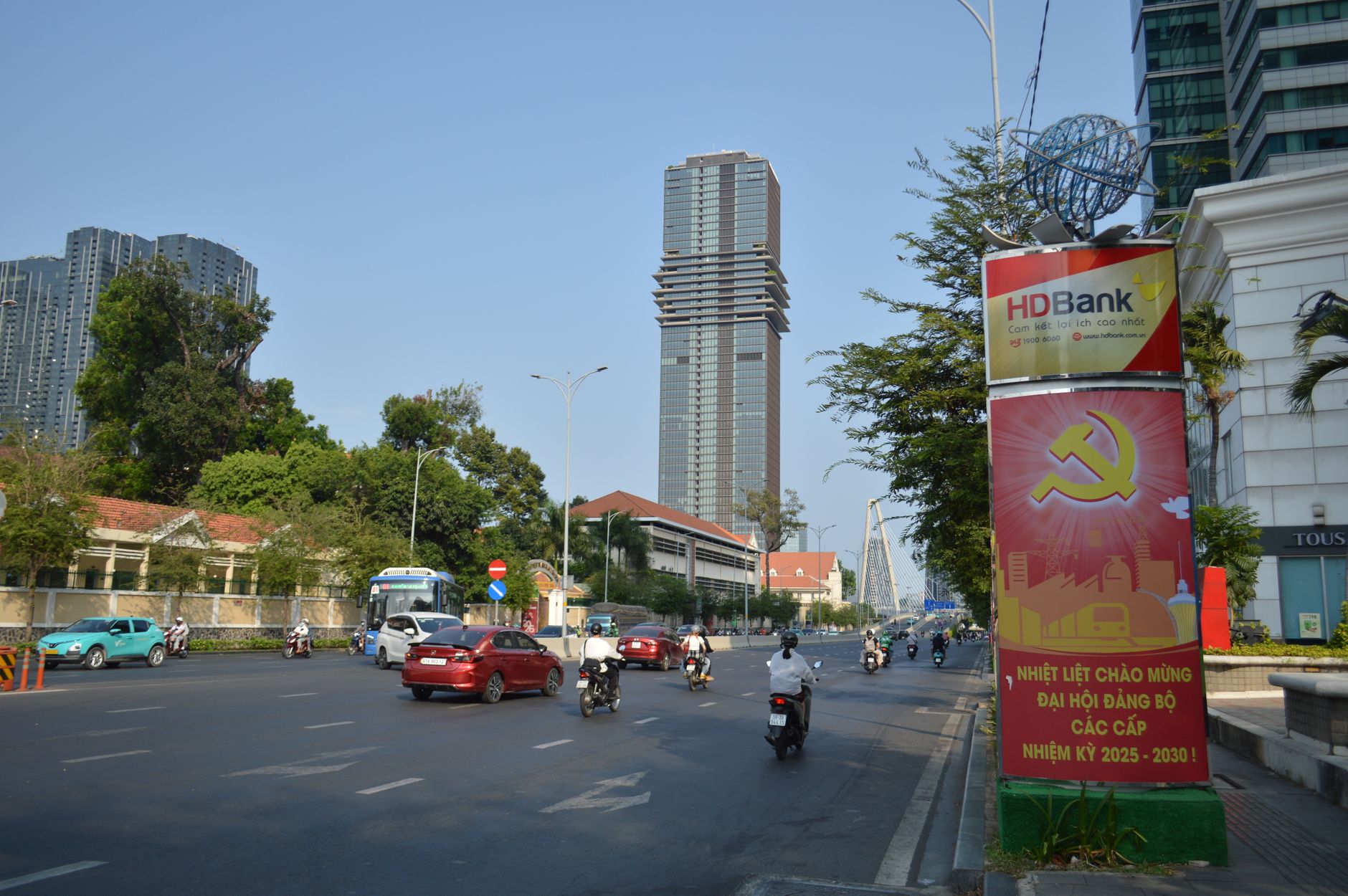
Photo by Arnie Chou on Pexels
Protocol Settings Worth Knowing
If you're technically comfortable, these settings improve VPN reliability across providers:
- Switch to TCP over UDP if your VPN allows it — TCP is slower but more stable on congested or filtered networks.
- Use port 443 where possible — this is standard HTTPS port and rarely blocked.
- Enable obfuscation / stealth mode in whatever terminology your provider uses. This single setting makes more difference than switching providers.
Bottom Line
ExpressVPN with Lightway enabled is the most consistent choice for a traveller passing through Vietnam for a week or two — install it before you fly. NordVPN with obfuscated servers on is a capable alternative at a lower price. Whatever you use, configure it at home, test it, and have a backup plan — mobile data on an FPT SIM often sidesteps the problem entirely when hotel Wi-Fi misbehaves.
Last updated · May 30, 2026 · independently researched, never sponsored.