Vung Tau sits 125 km southeast of Saigon, and for city residents who need salt water without burning a week of annual leave, it does the job well. Two days here gets you a colonial hilltop villa, a genuinely demanding statue climb, and plates of grilled seafood that cost a fraction of what you'd pay at a beachfront resort elsewhere.
Getting There — Hydrofoil or Bus
The hydrofoil is the obvious choice. Greenlines and Phu Quoc Express both run the route from the Bach Dang terminal (near Bitexco, District 1) to Vung Tau (붕따우 / 头顿 / ブンタウ)'s ferry wharf. The crossing takes about 80 minutes and costs 250,000–300,000 VND each way. Book online or at the terminal — weekend departures fill up. The boat leaves you right in town, which saves time and the tedium of Saigon's highway traffic.
If you miss the boat or want to save money, Phuong Trang (FUTA) and Kumho Samco run coaches from Mien Dong bus station and a few pickup points around District 1. The fare is 100,000–130,000 VND and the ride takes 2–2.5 hours depending on traffic, sometimes longer on Friday evenings. Not as romantic, but it works.
Day 1 — Arrival, Front Beach, and the Bach Dinh Villa
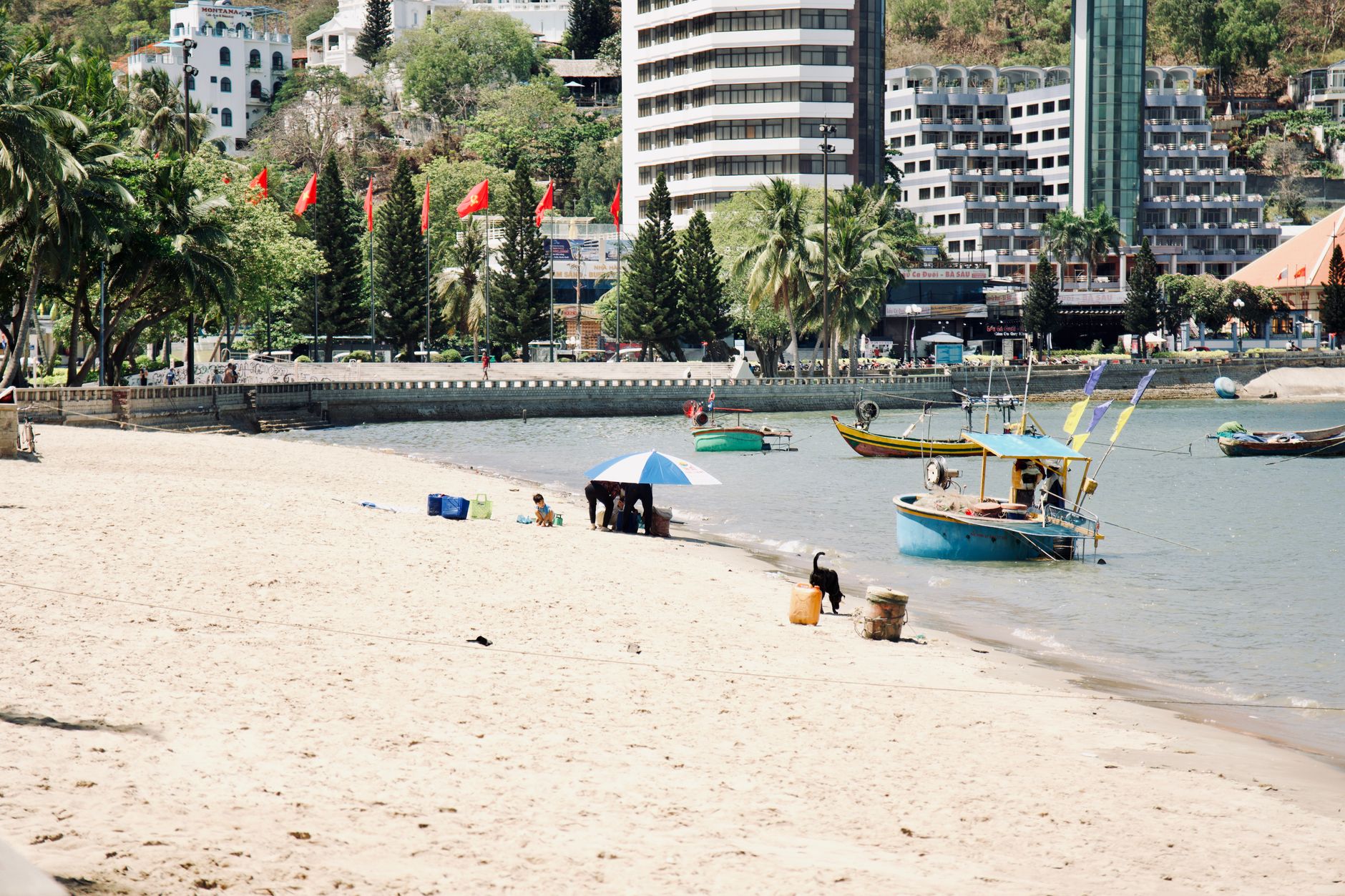
Front Beach (Bai Truoc) is the calmer, more central strip facing the bay. It's not the town's best swimming beach, but it's walkable from the ferry terminal and useful for orientation. Drop your bags at your guesthouse and walk the promenade before the afternoon heat peaks.
The Bach Dinh Villa (Villa Blanche) is worth an hour of your afternoon. Built in 1910 as a French colonial retreat and later used by Vietnamese heads of state, it sits on a low hill above Front Beach and costs 10,000 VND to enter. The grounds hold a modest collection of Cham and ceramic artifacts recovered from shipwrecks in the area. More interesting than the exhibits is the building itself — wide verandas, sea views, faded tile floors. It's not overcrowded and somehow still undervisited given how central it is.
For dinner, walk toward the fishing harbor end of town. The stretch along Tran Phu and the lanes feeding off it has the highest concentration of seafood restaurants. Grilled clams with scallion oil, stir-fried morning glory, and whatever whole fish is priced on the chalkboard — a table of two eating well spends 300,000–500,000 VND here. Avoid anywhere with a photo menu in six languages positioned at the tourist promenade.
If you want a cold beer with locals afterward, look for a "bia hoi" setup — plastic stools, draft beer, snacks — in the residential streets north of the center. Draft lager runs about 10,000–15,000 VND a glass.

Photo by Quang Vuong on Pexels
Day 2 — The Christ Statue and Back Beach
The 811-Step Climb
The Tuong Dai Chua Kito Vua (Christ the King statue) stands 32 meters tall on the southern tip of Nho Mountain and has become the town's defining image. Getting to the base requires climbing 811 steps from the road below — a real climb, not a gentle stroll. Start before 8 a.m. if possible. By mid-morning the stone steps are exposed and the sun is direct. The views from the base of the statue span both beaches, the harbor, and the Ba Ria coastline. A staircase inside the statue allows you to climb up to the outstretched arms — narrow, steep, not for anyone uneasy with enclosed spaces, but worth it for the elevated view over the bay.
Admission is free. The complex is an active site of Catholic worship, so dress modestly.
Back Beach (Bai Sau)
Back Beach is where you actually swim. It's a long, open stretch on the ocean side of the peninsula, with stronger waves than Front Beach and more space. Water quality is decent by Vietnamese coastal standards — not pristine, but fine. Plastic sun loungers rent for 30,000–50,000 VND. Weekend crowds are real but the beach is long enough that you can usually find a quiet patch if you walk north from the main access point.
The stretch of guesthouses and restaurants behind Back Beach is where most backpackers base themselves. Rooms in small family guesthouses run 200,000–350,000 VND per night for a basic air-conditioned double — cheaper if you're flexible about booking a day in advance rather than peak Friday night. A few hostel-style dorms exist at around 100,000–150,000 VND per bed.
For lunch near the beach, look for com tam — broken rice with grilled pork, a fried egg, and pickled vegetables. It's everywhere in Vung Tau and typically costs 35,000–55,000 VND a plate. Better value than the tourist-facing seafood spots directly on the beach road.

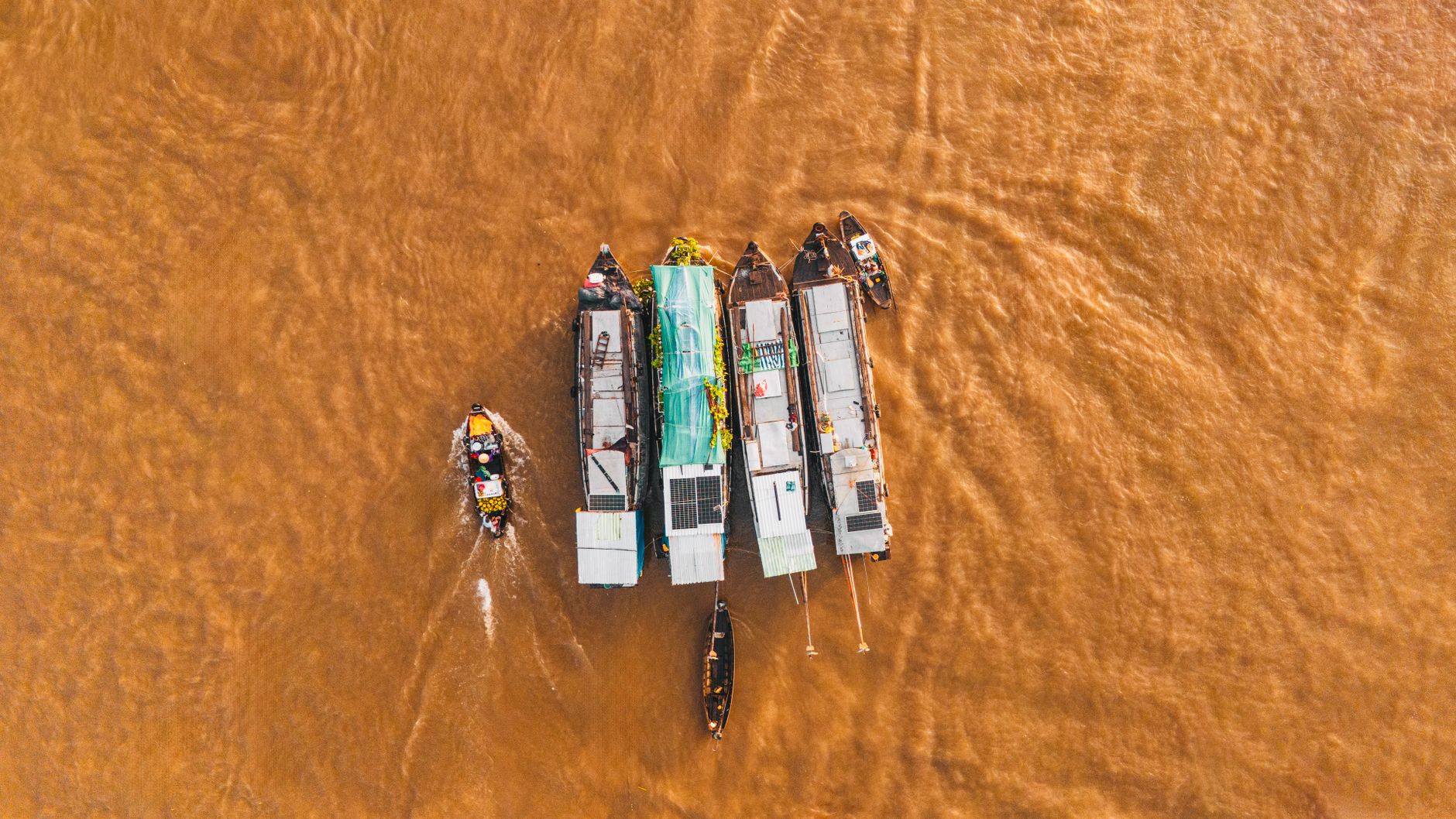
Photo by Quang Vuong on Pexels
Frequently Asked Questions
How long does the ferry from Saigon to Vung Tau take?
The hydrofoil crossing from Bach Dang terminal in District 1 to Vung Tau's ferry wharf takes about 80 minutes. Greenlines and Phu Quoc Express both run the route, with tickets costing 250,000-300,000 VND each way. Weekend departures fill up, so book online or at the terminal in advance. The boat drops you directly in town, avoiding Saigon's highway traffic entirely.
What does it cost to eat seafood dinner in Vung Tau?
Along Tran Phu and the lanes near the fishing harbor, two people can eat well for 300,000-500,000 VND. Typical dishes include grilled clams with scallion oil, stir-fried morning glory, and whole fish priced on a chalkboard. For cheap drinks afterward, draft lager at a bia hoi setup in the residential streets north of the center runs 10,000-15,000 VND a glass.
When should you start climbing to the Christ statue in Vung Tau?
Start before 8 a.m. The climb is 811 steps from the road to the base of the 32-meter Tuong Dai Chua Kito Vua statue on Nho Mountain. By mid-morning the stone steps are fully exposed to direct sun, making the ascent significantly harder. Admission is free, but the site is active Catholic worship, so visitors should dress modestly.
Practical Notes
Book the return hydrofoil before you arrive — Sunday afternoon departures sell out, and the alternative is a bus back through peak weekend traffic. Most guesthouses around Back Beach will store your bag while you spend the morning at the statue. There is no meaningful nightlife here; the town quiets down early, which is fine if you're here for the beach and the climb rather than the scene.
Last updated · May 26, 2026 · independently researched, never sponsored.